Blog
What Is a BCI 48 Battery and Why Is It Important for Commercial Vehicles?

A BCI 48 battery is a group-size battery designed for commercial vehicles like trucks, buses, and heavy-duty equipment. It provides high cranking power, durability, and extended cycle life to meet demanding energy needs. Key features include compatibility with large engines, resistance to vibration, and maintenance-free designs. Its importance lies in ensuring reliable performance in extreme conditions, making it a critical component for fleet operations and industrial applications.
How Does a BCI 48 Battery Compare to Other BCI Group Sizes?
The BCI 48 battery differs from smaller group sizes (e.g., BCI 31 or 24F) in physical dimensions, capacity, and application. It is larger, with dimensions around 20.5 x 6.8 x 8.9 inches, and offers higher cold cranking amps (CCA) (typically 950-1150 CCA) for heavy-duty engines. Unlike automotive batteries, it prioritizes deep-cycle capability and vibration resistance, making it ideal for commercial use.
| Group Size | CCA Range | Typical Use Case |
|---|---|---|
| BCI 48 | 950-1150 | Commercial trucks, heavy machinery |
| BCI 31 | 650-800 | Light-duty trucks, RVs |
| BCI 24F | 600-750 | Passenger vehicles, small SUVs |
Commercial operators often choose BCI 48 batteries for their superior energy density and ability to withstand daily start-stop cycles. While BCI 31 batteries may suffice for smaller diesel engines, they lack the reserve capacity needed for extended idling or auxiliary power demands. The BCI 48’s thicker lead plates also provide better resistance to sulfation, a common failure mode in batteries subjected to partial state-of-charge operation. Recent advancements in carbon-enhanced designs have further widened the performance gap between BCI 48 and smaller group sizes.
What Are the Key Specifications of a BCI 48 Battery?
Key specs include voltage (12V), capacity (80-100 Ah), CCA (950-1150), and reserve capacity (160-200 minutes). Dimensions adhere to BCI 48 standards for fitment in designated trays. Advanced models feature absorbed glass mat (AGM) or enhanced flooded battery (EFB) technology for spill-proof operation and longer lifespan. Terminal type (top-post or side-post) varies based on vehicle requirements.
Which Vehicles Require a BCI 48 Battery?
BCI 48 batteries power diesel-powered trucks, school buses, construction equipment, and agricultural machinery. Common applications include Freightliner, International, and Kenworth trucks. They are also used in marine and RV auxiliary systems where high energy storage and vibration resistance are critical.
How to Maintain a BCI 48 Battery for Optimal Performance?
Maintenance includes regular terminal cleaning to prevent corrosion, ensuring secure mounting to reduce vibration damage, and monthly voltage checks (ideally 12.6V+). Avoid deep discharges; recharge if voltage drops below 12.4V. For flooded batteries, top off distilled water levels. Store in a cool, dry place during prolonged inactivity.
| Maintenance Task | Frequency | Tools Required |
|---|---|---|
| Terminal cleaning | Every 3 months | Wire brush, baking soda solution |
| Voltage test | Monthly | Multimeter |
| Water refill (flooded types) | Every 2-6 months | Distilled water, funnel |
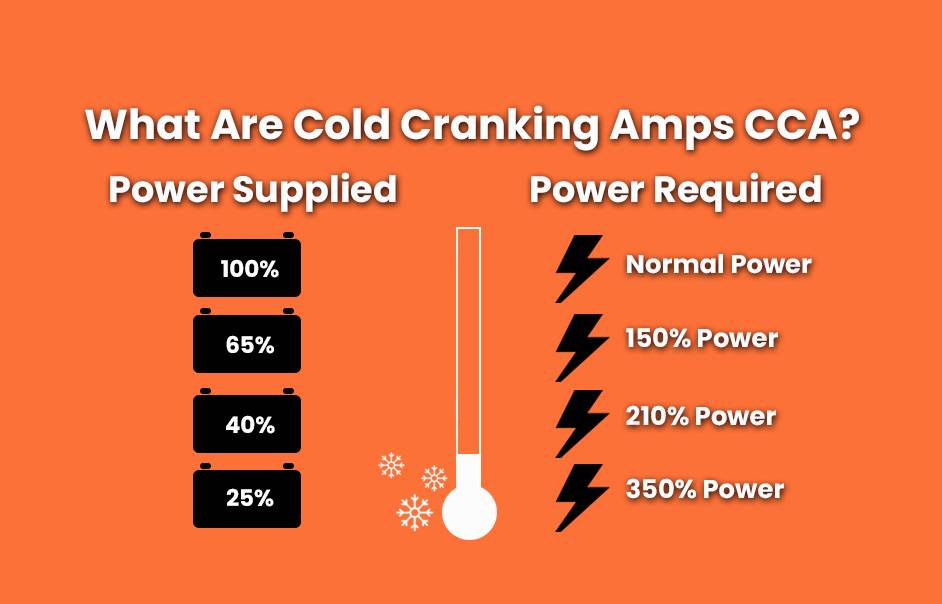
Implementing a proactive maintenance schedule can prevent 80% of premature battery failures. Use infrared thermography during routine checks to identify hot spots indicating loose connections. For fleets operating in cold climates, consider installing battery blankets to maintain optimal electrolyte temperature. Recent studies show that batteries maintained at 25°C (77°F) deliver 15% more cranking power than those at 0°C (32°F). Always follow manufacturer torque specifications when securing battery trays – over-tightening can crack cases, while under-tightening accelerates vibration damage.
What Are the Environmental Impacts of BCI 48 Battery Disposal?
Improper disposal of lead-acid batteries contaminates soil and water with toxic lead and sulfuric acid. Always recycle BCI 48 batteries at certified centers to recover lead (99% recyclable) and prevent environmental harm. Many retailers offer core-exchange programs, incentivizing responsible disposal.
How Have BCI 48 Battery Technologies Evolved in the Last Decade?
Advancements include AGM technology for leak-proof operation, improved carbon additives for enhanced cycle life, and smart battery sensors for real-time health monitoring. Lithium-ion variants are emerging, offering weight reduction and faster charging, though adoption is limited by cost and compatibility challenges.
Can a BCI 48 Battery Be Used in Non-Commercial Applications?
While designed for commercial use, BCI 48 batteries can power off-grid solar systems, marine applications, or high-demand audio setups. However, their size and weight make them impractical for standard passenger vehicles. Ensure compatibility with charging systems before retrofitting.
“The BCI 48 battery remains indispensable in commercial logistics due to its unmatched durability. At Redway, we’ve integrated IoT-based health monitoring in newer models, reducing downtime by 30%. Fleet operators should prioritize batteries with adaptive charging profiles to extend service life in variable climates.” — Redway Power Solutions Engineer
The BCI 48 battery is a cornerstone of commercial vehicle reliability, blending high power output with rugged construction. By adhering to maintenance best practices and leveraging technological advancements, operators can maximize ROI while minimizing environmental impact. As electrification progresses, expect hybrid designs to bridge the gap between traditional lead-acid and future lithium dominance.
FAQs
- How Long Does a BCI 48 Battery Typically Last?
- With proper maintenance, a BCI 48 battery lasts 4-7 years. Factors like frequent deep discharges, extreme temperatures, or poor charging habits can reduce lifespan to 2-3 years.
- Are BCI 48 Batteries Interchangeable With BCI 31?
- No. BCI 31 batteries are smaller (13 x 6.8 x 9.4 inches) and have lower CCA ratings. Using them in BCI 48 applications risks insufficient power and incorrect fitment.
- Can I Charge a BCI 48 Battery With a Standard Car Charger?
- Yes, but use a charger supporting 12V/100Ah+ capacity. Opt for multi-stage chargers with desulfation modes to preserve battery health. Avoid rapid chargers exceeding 20% of Ah rating (e.g., 20A for 100Ah).