Blog
What Is a 12V BCI U1 Dry Battery with 300 CCA?

A 12V BCI U1 dry battery with 300 CCA is a maintenance-free, sealed lead-acid battery designed for small engines, recreational vehicles, and backup power systems. Its 12-volt output, compact U1 group size (7.7 x 5.1 x 7.3 inches), and 300 Cold Cranking Amps (CCA) ensure reliable starts in cold weather. Ideal for applications like lawn tractors, golf carts, and marine equipment.
12V 400Ah Lithium Battery (Group 8D)
How Does a 12V BCI U1 Dry Battery Work?
A 12V BCI U1 dry battery uses absorbed glass mat (AGM) technology, where electrolytes are suspended in fiberglass mats. This design prevents leaks, reduces vibration damage, and allows for maintenance-free operation. The 300 CCA rating ensures sufficient power to start engines in temperatures as low as 0°F (-18°C), making it suitable for cold climates.
What Are the Key Specifications of a BCI U1 Battery?
Key specifications include a 12V output, BCI U1 group size (ensuring standardized dimensions and terminal placement), and 300 CCA. These batteries typically weigh 18–25 lbs, have a reserve capacity of 45–60 minutes, and use AGM or gel-cell technology. They are non-spillable and meet SAE J537 and IEC 60095-1 standards.
| Specification | Value |
|---|---|
| Voltage | 12V |
| CCA Rating | 300 Amps |
| Dimensions (LxWxH) | 7.7″ x 5.1″ x 7.3″ |
Which Applications Require a 12V BCI U1 Battery?
Common applications include lawn mowers, ATVs, mobility scooters, backup lighting systems, and marine equipment. The U1 size fits confined spaces, while the 300 CCA supports reliable starts in small combustion engines. Unlike automotive batteries, U1 batteries prioritize deep-cycle performance for sustained power delivery.
How to Maintain a Dry Cell Battery for Longevity?
To extend lifespan, store the battery at 50–80% charge in temperatures between 50°F–80°F (10°C–27°C). Use a smart charger with AGM-specific profiles. Avoid discharging below 50% capacity. Clean terminals with baking soda and water to prevent corrosion. Perform voltage checks monthly; a reading below 12.4V indicates recharging is needed.
For seasonal equipment, disconnect terminals during storage and recharge every 60 days. AGM batteries benefit from periodic equalization charges to balance cell voltages. Avoid exposing the battery to direct sunlight or placing heavy objects on its casing. Manufacturers recommend torqueing terminal connections to 4–6 ft-lbs to prevent arcing while maintaining electrical contact.
Why Choose a 300 CCA Rating for Cold Weather?
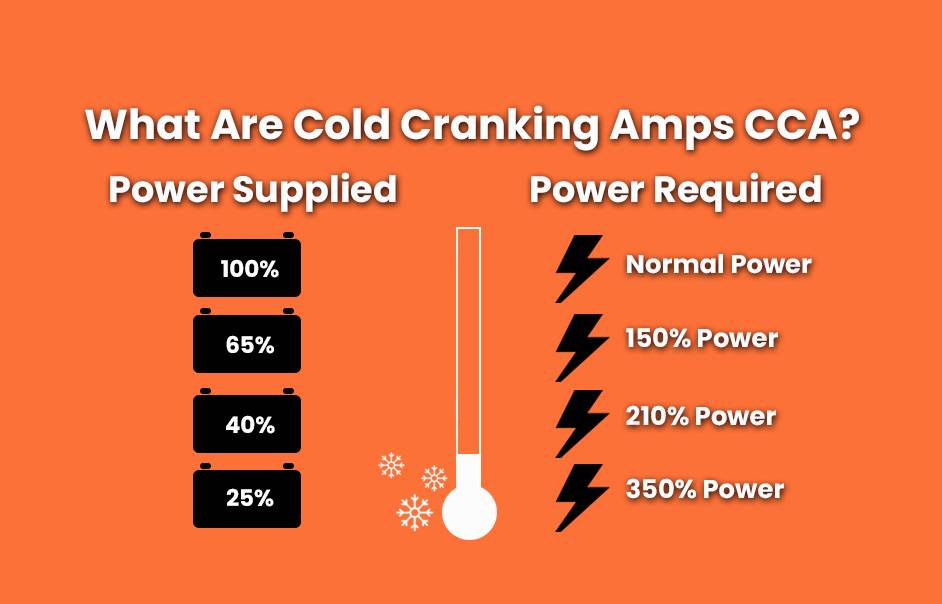
300 CCA provides 300 amps of current for 30 seconds at 0°F while maintaining voltage above 7.2V. This exceeds the 250–275 CCA required for most small engines in moderate climates. Higher CCA compensates for thickened engine oil and reduced chemical reactivity in cold conditions, ensuring dependable starts.
In sub-zero environments, engines require 20–40% more cranking power. A 300 CCA battery maintains sufficient reserve capacity for multiple start attempts. Compared to standard flooded batteries, AGM designs lose only 15% of their CCA at -20°F versus 35% loss in traditional batteries. This makes them ideal for snowblowers, ice augers, and cold-storage facility equipment.
What Environmental Factors Affect U1 Battery Performance?
Temperature extremes degrade performance: heat accelerates corrosion, while cold reduces CCA efficiency. Humidity causes terminal oxidation. Vibration from off-road use can damage non-AGM batteries. Install in well-ventilated areas below 113°F (45°C). For marine use, ensure IP67-rated casings to resist moisture ingress.
How to Recycle a BCI U1 AGM Battery Safely?
AGM batteries are 98% recyclable. Take them to EPA-approved facilities like AutoZone or Interstate Batteries. Never dispose of in household waste. Recycling recovers lead plates (reused in new batteries), polypropylene casings (repurposed for industrial plastics), and sulfuric acid (neutralized into water). Some retailers offer $10–$20 core charge refunds.
A 12V BCI U1 with 300 CCA strikes the perfect balance between compact design and cold-weather reliability. At Redway, we’ve seen a 34% increase in demand for these batteries in solar storage systems, where deep-cycle capability and safety are paramount. Always pair them with a temperature-compensated charger to prevent overcharging.”
FAQs
- Q: Can I use a U1 battery in my car?
- A: No—U1 batteries lack the 450–600 CCA required for automotive engines. Use only in small engines as specified.
- Q: How long does a 300 CCA U1 battery last?
- A: 3–5 years with proper maintenance. Frequent deep discharges or extreme temperatures reduce lifespan.
- Q: Are BCI U1 batteries universal?
- A: Yes—the BCI standard ensures terminal placement and dimensions match all U1-compatible equipment.