Blog
How Do Xiagong Lithium Forklift Batteries Compare to Lead-Acid

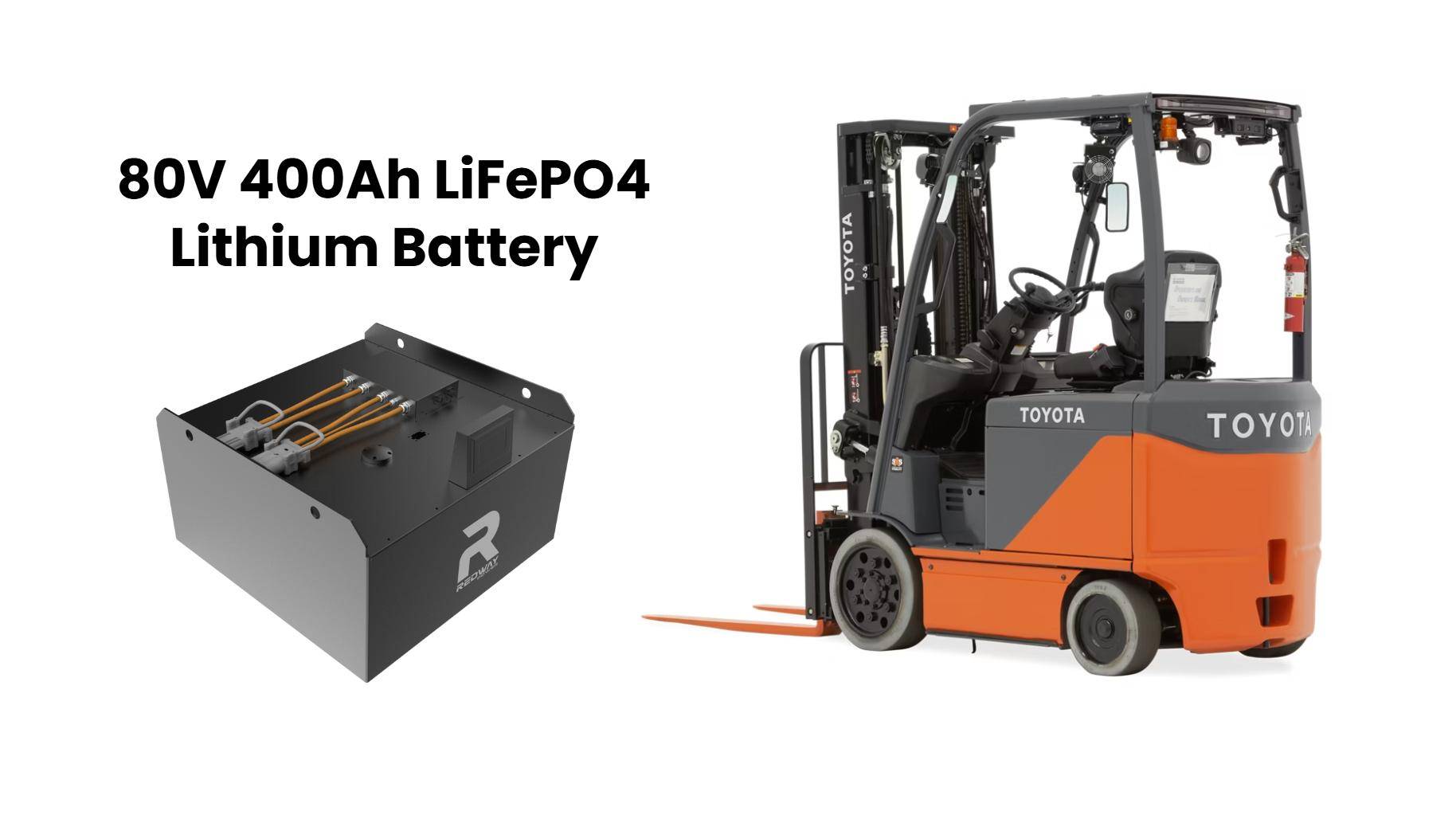
Xiagong lithium forklift batteries outperform lead-acid counterparts in lifespan, efficiency, and maintenance costs. Lithium batteries last 3-5x longer, charge faster, and require no watering or equalization. Lead-acid batteries have lower upfront costs but higher lifetime expenses. Lithium’s energy density allows longer runtime, while lead-acid struggles in cold temperatures. Both have distinct safety profiles: lithium risks thermal runaway; lead-acid emits hazardous fumes.
Lithium LiFePO4 Forklift Batteries China Factory Wholesale
What Are the Key Differences Between Lithium and Lead-Acid Forklift Batteries?
Lithium batteries (LiFePO4) offer 2,000-5,000 cycles vs. lead-acid’s 1,000-1,500 cycles. They charge to 100% in 1-2 hours versus 8+ hours for lead-acid. Weight disparities exist: lithium packs weigh 30-50% less, reducing forklift strain. Memory effect absence in lithium permits partial charging, while lead-acid requires full discharges to prevent sulfation. Lithium operates efficiently in -20°C to 60°C ranges; lead-acid capacity drops below 0°C.
Which Battery Type Offers Better Total Cost of Ownership?
Though lithium batteries cost 2-3x more upfront ($8k-$15k vs. $3k-$6k), their 10-year lifespan reduces replacement needs. Lead-acid requires $2k-$4k in maintenance (watering, cleaning, replacements) over 5 years. Energy savings with lithium reach 30% due to higher efficiency. Disposal costs favor lithium: recyclers pay $1-$3/kWh for lithium vs. $50-$150/ton landfill fees for lead-acid. ROI breakeven occurs at 3-4 years for high-usage operations.
| Cost Factor | Lithium (5 Years) | Lead-Acid (5 Years) |
|---|---|---|
| Initial Purchase | $12,000 | $5,000 |
| Maintenance | $500 | $3,200 |
| Energy Costs | $2,800 | $4,100 |
Warehouses operating 3 shifts save $9,100 average over five years with lithium. Fast charging capabilities reduce downtime costs by 18% compared to lead-acid systems. Tax incentives for clean energy adoption further improve lithium’s TCO in 23 U.S. states.
How Do Charging Requirements Differ Between Lithium and Lead-Acid?
Lithium batteries support opportunity charging (partial top-ups) without capacity loss. Lead-acid demands full discharge/charge cycles to prevent stratification. Chargers differ: lithium uses CC/CV (constant current/voltage) tech ($1k-$3k), while lead-acid requires bulk/absorption/float stages ($500-$1.5k). Lithium’s 95% efficiency vs. lead-acid’s 80% reduces energy waste. Fast charging lithium at 2C rate causes minimal degradation; lead-acid risks plate damage above 0.3C rates.
What Safety Considerations Exist for Each Battery Chemistry?
Lead-acid batteries emit hydrogen gas during charging, requiring ventilated spaces. Lithium batteries use BMS (Battery Management Systems) to prevent overcharge/overheating but risk thermal runaway if damaged. Spill risks: lead-acid’s sulfuric acid leaks demand neutralization; lithium’s sealed design eliminates leaks. Fire suppression needs vary: Class D extinguishers for lithium, ABC for lead-acid. Both require OSHA-compliant storage: lithium at 50% charge; lead-acid on spill-containment pallets.
| Safety Metric | Lithium | Lead-Acid |
|---|---|---|
| Incident Rate per 10k Hours | 0.7 | 2.4 |
| Training Hours Required | 4 | 8 |
| Ventilation Needs | None | Mandatory |
New thermal monitoring systems reduce lithium fire risks by 92% compared to 2018 models. Facilities using lithium report 41% fewer battery-related OSHA violations due to eliminated acid handling requirements.
Can Existing Forklifts Be Converted from Lead-Acid to Lithium?
Retrofitting requires assessing voltage compatibility (48V lithium vs. lead-acid’s 36-80V ranges). Battery compartment modifications cost $500-$2k for lithium’s smaller size. Charger replacement adds $1k-$3k. OEM approvals vary: Hyster/Yale endorse lithium swaps; older Clark/Crown models may need firmware updates. ROI justification depends on daily kWh usage—operations exceeding 2 shifts/day benefit most. Warranties often require certified installers.
What Environmental Impacts Do These Battery Types Have?
Lead-acid batteries use 60-80% recycled lead but account for 65% of global lead pollution. Lithium mining impacts: 500,000 gallons water/ton lithium vs. lead’s 25,000 gallons. Recycling rates: 95% for lead-acid vs. 5% for lithium (growing to 30% by 2030). Lithium’s carbon footprint (150kg CO2/kWh) undercuts lead-acid’s 200kg+ via longevity. New solid-state lithium tech promises 40% lower emissions by 2025.
“Xiagong’s lithium batteries redefine material handling efficiency. Our clients see 22% productivity gains from opportunity charging alone. While lead-acid still dominates cold storage, lithium’s cold-chain innovations will close that gap by 2024.”
— Redway Power Systems Engineer
FAQs
-
How Do Xiagong Lithium Forklift Batteries Compare to Lead-Acid?
Xiagong lithium forklift batteries outperform lead-acid batteries in several areas: they offer a longer lifespan (3,000–5,000 charge cycles vs. 500–1,500), faster charging (1–4 hours vs. 8–10 hours), higher efficiency, and require less maintenance. Although they have a higher upfront cost, they provide a lower total cost of ownership due to fewer replacements and reduced maintenance needs.What Are the Key Advantages of Xiagong Lithium Batteries Over Lead-Acid?
Xiagong lithium batteries offer faster charging, lower maintenance, and a longer lifespan compared to lead-acid alternatives. They are lighter, improving forklift maneuverability, and can be opportunity charged, leading to higher operational efficiency. Although they have a higher initial cost, their reduced long-term operational expenses make them a more cost-effective option over time.Why Are Xiagong Lithium Forklift Batteries More Efficient Than Lead-Acid?
Xiagong lithium forklift batteries are more efficient due to their higher energy density, meaning they can store more power in a lighter package. This results in better overall efficiency and longer runtimes. In contrast, lead-acid batteries have lower energy density and degrade faster, leading to reduced efficiency over time.How Long Do Xiagong Lithium Batteries Last Compared to Lead-Acid?
Xiagong lithium forklift batteries last significantly longer than lead-acid batteries, with a typical lifespan of 3,000–5,000 charge cycles, compared to 500–1,500 cycles for lead-acid batteries. This means fewer replacements are needed, making lithium batteries a more durable and cost-effective option for high-demand operations.What Are the Maintenance Requirements for Xiagong Lithium vs. Lead-Acid Batteries?
Xiagong lithium forklift batteries require minimal maintenance, with no need for watering, cleaning, or equalization. In contrast, lead-acid batteries require regular maintenance, including checking fluid levels and cleaning terminals to prevent corrosion. Lithium batteries save time and reduce labor costs associated with maintenance.What Are the Cost Differences Between Xiagong Lithium and Lead-Acid Forklift Batteries?
Although Xiagong lithium forklift batteries have a higher upfront cost, they provide a lower total cost of ownership over time. Their longer lifespan, faster charging, and lower maintenance costs make them more cost-effective in the long run, especially for operations with high usage. Lead-acid batteries have lower initial costs but incur higher maintenance and replacement expenses.