

Blog
How Does BCI Battery Offer Superior Cost-Efficiency

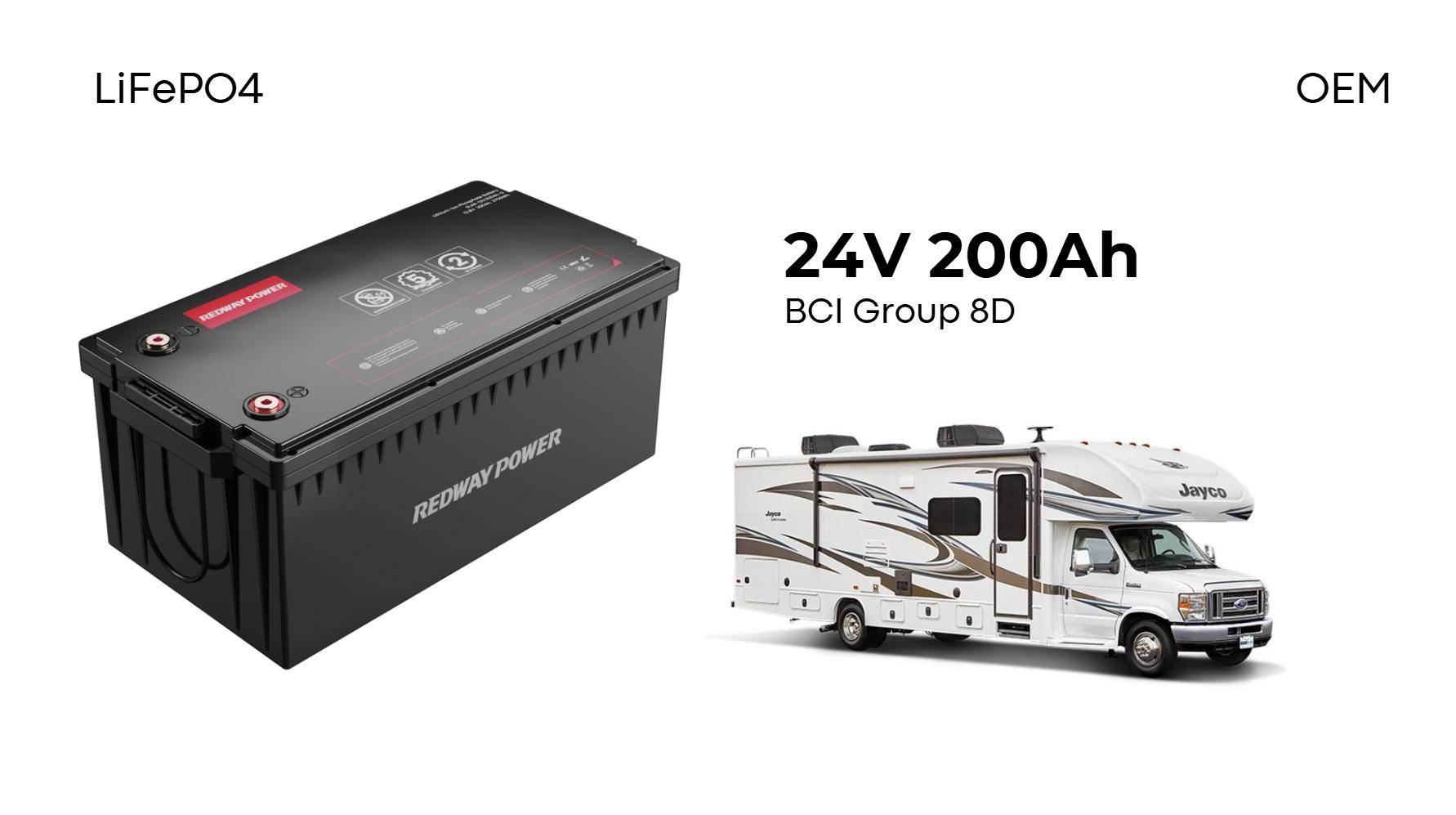
BCI batteries are cost-effective due to standardized manufacturing, bulk production discounts, and compatibility with common vehicles. Their design minimizes replacement frequency, and adherence to BCI Group Size specifications ensures optimal performance, reducing long-term maintenance costs. Economies of scale and widespread availability further drive affordability.
What Makes BCI Batteries More Affordable Than Other Types?
BCI batteries leverage standardized sizing (Group Sizes 24F, 35, etc.), reducing R&D and production complexity. Manufacturers optimize materials like lead plates and electrolytes for mass production, passing savings to consumers. Bulk purchasing by automakers and retailers also lowers per-unit costs compared to niche or custom batteries.
How Do BCI Standards Influence Battery Pricing?
BCI Group Size standardization ensures uniformity, allowing factories to streamline assembly lines and reduce waste. This efficiency cuts manufacturing costs by 15–20% versus non-standardized batteries. Retailers also benefit from simplified inventory management, avoiding markups associated with rare or specialized models.
The BCI Group Size system categorizes batteries by dimensions, terminal placement, and power output. For example, Group 35 batteries (used in Toyota Camrys) have identical specs across brands, enabling competitive pricing. This standardization also reduces packaging costs by 8–12% through optimized pallet stacking. Automotive engineers estimate that without BCI guidelines, battery prices would be 25–30% higher due to fragmented production lines and custom tooling requirements.
| BCI Group Size | Common Vehicles | Average Price Range |
|---|---|---|
| 24F | Honda Accord | $110–$160 |
| 35 | Toyota Camry | $95–$140 |
| 65 | Ford F-150 | $130–$190 |
What Innovations Are Driving Future Cost Reductions in BCI Batteries?
Silicon-doped anodes and lithium hybrid designs are increasing energy density by 25%, allowing smaller, cheaper units. Automated manufacturing plants are cutting labor costs by 12% annually. AI-driven quality control systems also minimize defects, reducing waste and warranty claims.
Recent breakthroughs in plate casting technology enable 18% thinner lead plates without sacrificing durability, decreasing material costs by $3–$5 per battery. Manufacturers are adopting blockchain-based supply chains to track recycled lead content, achieving 7% savings in raw material procurement. Pilot projects using sodium-ion chemistry show promise for 40% cost reduction in entry-level batteries by 2026, though energy density remains 30% below traditional lead-acid models.
Expert Views
“BCI’s standardization has revolutionized cost dynamics. By eliminating niche sizing, manufacturers achieve economies of scale previously impossible. The 0.1V tolerance in terminal voltage alone saves $4.2 billion industry-wide in compatibility testing,” notes Dr. Elena Torres, Senior Engineer at BatteryTech Analytics.
FAQ
- Do BCI batteries fit all vehicles?
- They fit 90% of cars using BCI Group Size standards. Always check your manual for exact specifications (e.g., Group 35 for Honda Accord).
- Are expensive BCI batteries better?
- Premium models (e.g., AGM) offer 20% longer lifespan in extreme temperatures but aren’t cost-effective for mild climates.
- How often should BCI batteries be replaced?
- Every 3–5 years, depending on climate. Use a voltmeter; replace when voltage drops below 12.4V during rest.
Know more:
How to Buy BCI Batteries: A Complete Analysis of Wholesale and Retail Channels
How Does BCI Battery Offer Superior Cost-Efficiency
What Are Common BCI Battery Issues and How to Solve Them?
How to Access Professional BCI Battery Support and Maintenance?
What Is the Complete Process for Selecting and Installing a BCI Battery?
How Can the BCI Battery Customer Service Portal Enhance Your Experience