

Blog
What Is the Complete Process for Selecting and Installing a BCI Battery?

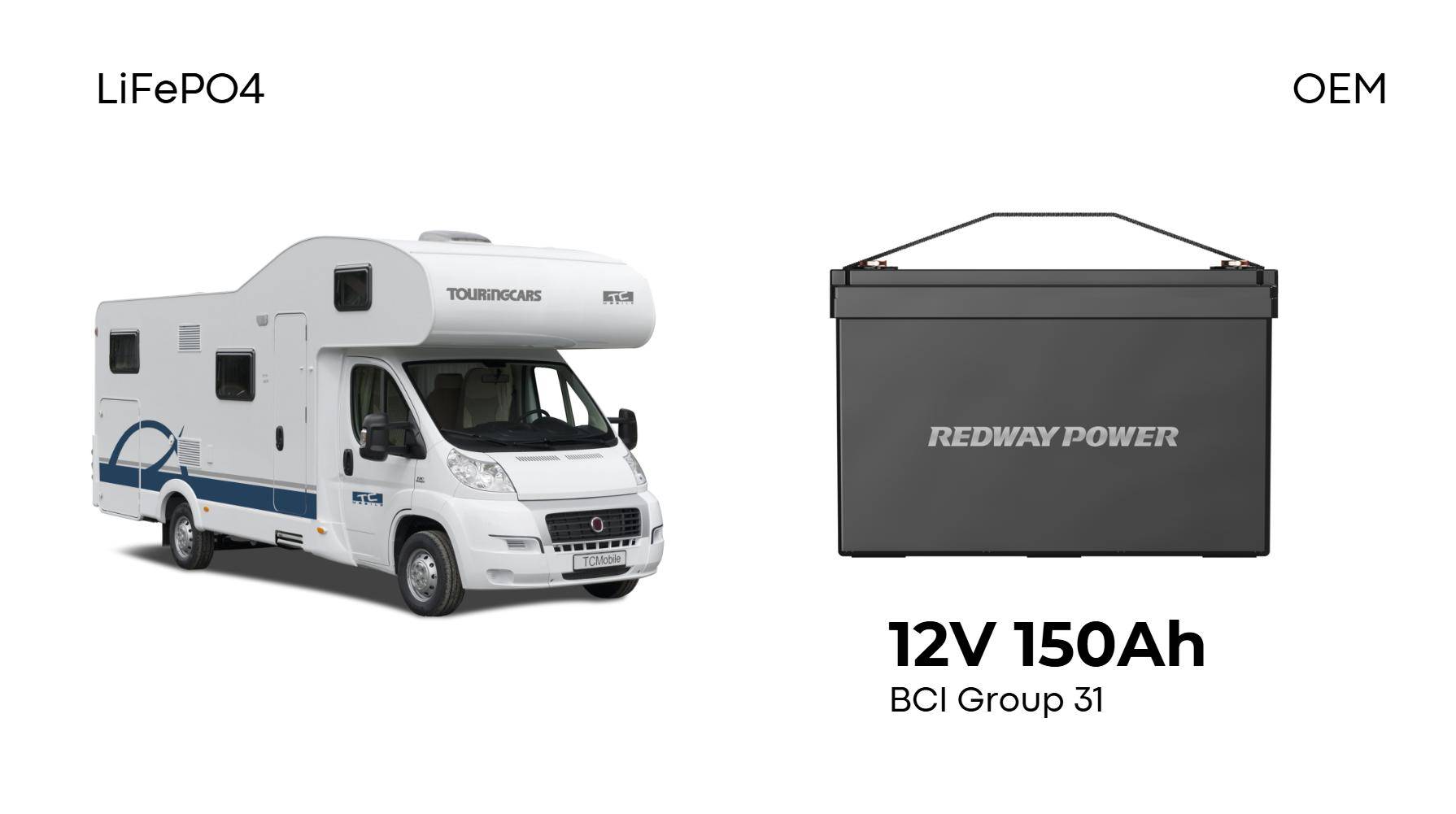
Selecting and installing a BCI battery involves verifying group size compatibility, checking Cold Cranking Amps (CCA) for climate needs, comparing AGM vs. flooded batteries, ensuring proper terminal alignment, and following safety protocols during installation. Always consult your vehicle manual and prioritize warranties from reputable brands like Interstate or Optima.
How Do BCI Group Numbers Determine Battery Compatibility?
BCI group numbers (e.g., Group 24, 35, 48) standardize battery dimensions, terminal positions, and power output. Mismatched group sizes can cause fitment issues or electrical damage. For example, Group 35 batteries fit most Hondas and Toyotas, while Group 48 is common in modern EVs. Always cross-reference your vehicle manual or use BCI’s online lookup tool.
The BCI group system was established in 1924 to address compatibility issues as vehicles became more standardized. Each group number specifies not just physical size but also terminal orientation (top-post vs. side-post) and voltage requirements. For instance, Group 34 batteries often feature side terminals for GM vehicles, while Group 65 is designed for Ford trucks with top-post configurations. Using an incorrect group can lead to loose mounting brackets, which may damage the battery case during off-road driving. Additionally, modern cars with start-stop technology often require EFB (Enhanced Flooded Battery) or AGM variants within specific BCI groups to handle frequent cycling.
| Group Number | Dimensions (LxWxH inches) | Common Vehicles |
|---|---|---|
| 24 | 10.25 x 6.8 x 8.9 | Chrysler Pacifica, Nissan Altima |
| 35 | 9.06 x 6.88 x 8.94 | Honda Accord, Toyota Camry |
| 48 | 12 x 6.9 x 7.5 | Chevrolet Bolt, Tesla Model 3 |
What Are the Differences Between AGM and Flooded Lead-Acid Batteries?
AGM (Absorbent Glass Mat) batteries use fiberglass separators to hold electrolyte, offering spill-proof designs, faster recharge rates, and longer lifespans (4-7 years). Flooded batteries are cheaper but require periodic maintenance. AGM excels in start-stop vehicles and extreme temperatures, while flooded suits budget-conscious users in moderate climates.
Why Is Cold Cranking Amps (CCA) Critical for Battery Performance?
CCA measures a battery’s ability to start engines in 0°F (-18°C) conditions. Vehicles in cold regions need 20-30% higher CCA than manufacturer minimums. For instance, a 600 CCA battery is ideal for -20°C winters, while 400 CCA suffices in tropical areas. Undersized CCA accelerates battery drain and starter motor wear.
CCA ratings are determined through rigorous SAE J537 testing, which simulates engine cranking under load at freezing temperatures. Diesel engines typically require 25% higher CCA than gasoline equivalents due to higher compression ratios. For example, a 5.7L Hemi V8 might need 800 CCA, whereas a 6.6L Duramax diesel could require 1,000 CCA. Low CCA batteries in cold climates force the alternator to work harder, reducing fuel efficiency by up to 7%. Conversely, excessively high CCA in warm climates offers diminishing returns and may shorten battery life through plate corrosion. Always match CCA to both climate and engine type—hybrid vehicles often prioritize reserve capacity over maximum CCA.
| Climate Zone | Temperature Range | Recommended CCA | Engine Type |
|---|---|---|---|
| Arctic | -30°F to 0°F | 750+ | Diesel |
| Temperate | 10°F to 90°F | 500-700 | Gasoline |
| Tropical | 70°F+ | 400-550 | Hybrid |
How to Safely Install a BCI Battery Without Damaging Electronics?
1) Use memory saver devices to preserve ECU settings. 2) Disconnect negative terminal first to prevent short circuits. 3) Clean corrosion with baking soda/water mix. 4) Secure battery with hold-down clamp to minimize vibration. 5) Apply dielectric grease on terminals. Avoid overtightening connections—10-12 ft-lbs torque is standard for most passenger vehicles.
Know more:
How to Buy BCI Batteries: A Complete Analysis of Wholesale and Retail Channels
How Does BCI Battery Offer Superior Cost-Efficiency
What Are Common BCI Battery Issues and How to Solve Them?
How to Access Professional BCI Battery Support and Maintenance?
What Is the Complete Process for Selecting and Installing a BCI Battery?
How Can the BCI Battery Customer Service Portal Enhance Your Experience
Which Battery Recycling Practices Are Environmentally Responsible?
98% of lead-acid batteries are recyclable. Return old units to retailers like AutoZone or OEM dealerships, where lead plates, sulfuric acid, and polypropylene cases are reclaimed. Never dispose in landfills—lead contamination risks groundwater. Some states mandate $10-15 core charges refunded upon recycling.
“Modern BCI batteries demand precision in selection—oversizing CCA wastes capacity, while undersizing kills starters. AGM adoption has surged 40% since 2020 due to hybrid systems, but proper charging voltage (14.4-14.6V for AGM vs. 13.8-14.2V for flooded) remains overlooked. Always pair batteries with smart chargers to prevent sulfation.”
— Senior Engineer, Global Battery Alliance
Conclusion
Mastering BCI battery selection requires balancing group size, chemistry, CCA, and installation protocols. With 72% of battery failures linked to improper maintenance, adopting manufacturer guidelines and eco-friendly recycling ensures optimal performance and sustainability.
FAQs
- Does a Higher Ah Rating Improve Battery Life?
- Yes, but only if your vehicle’s charging system supports it. Excess amp-hours (Ah) without voltage regulation cause chronic undercharging.
- Are Lithium BCI Batteries Worth the Cost?
- For high-performance applications (off-road, RVs), lithium batteries offer 11-13 lbs weight savings and 3,000+ cycles. However, $400-$800 pricing makes them impractical for standard commuter cars.
- Can You Mix AGM and Flooded Batteries in Dual Setup?
- No—different charging profiles cause imbalance. AGM batteries charge 30% faster, leading to flooded battery overcharging and hydrogen gas emissions.