

Blog
How to Buy BCI Batteries: A Complete Analysis of Wholesale and Retail Channels

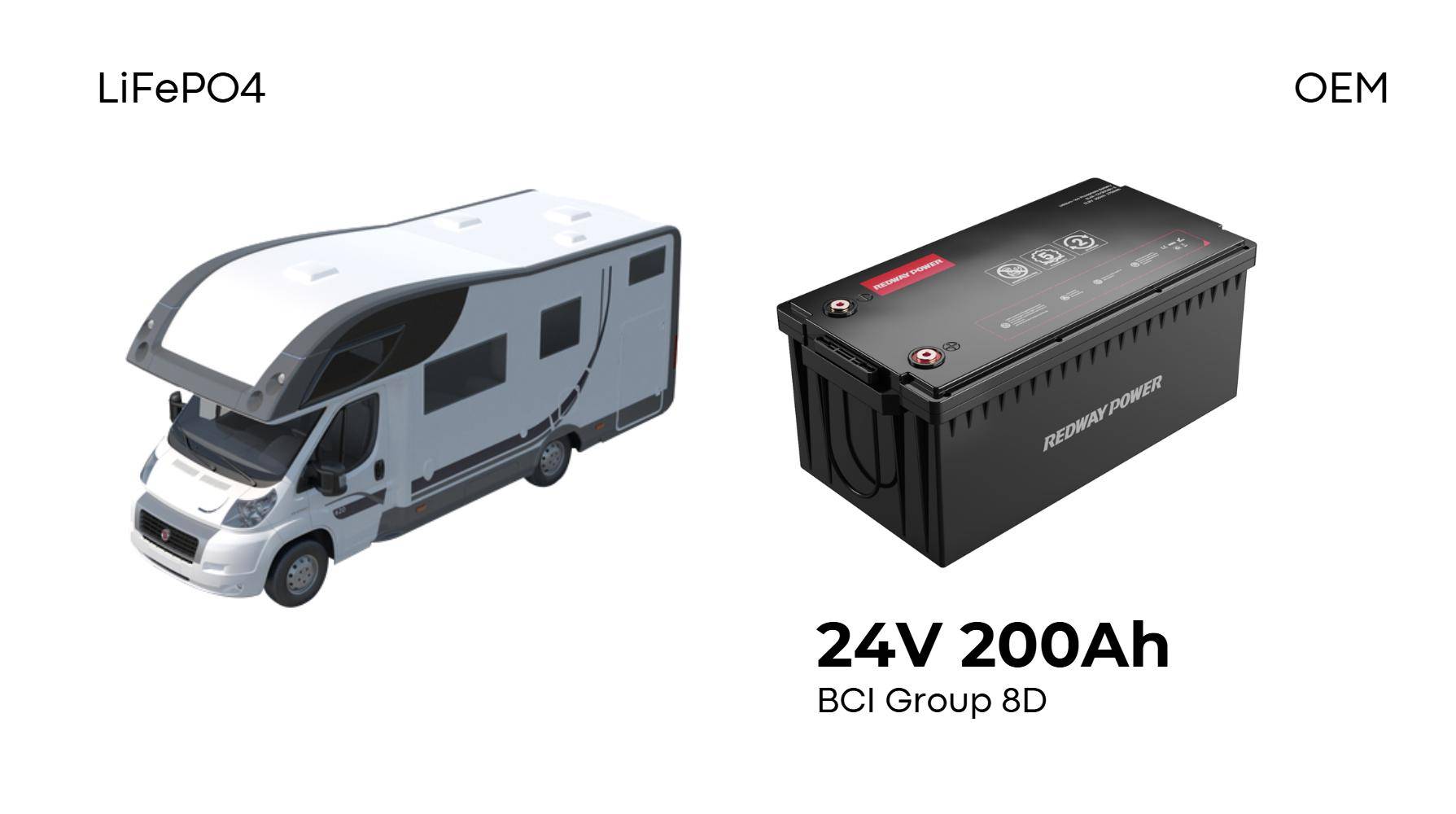
BCI (Battery Council International) batteries power vehicles worldwide through standardized sizing. This guide analyzes wholesale purchasing strategies for auto shops vs. retail options for consumers, comparing pricing structures, quality verification methods, and supply chain logistics. Discover how to optimize battery procurement while avoiding counterfeit risks and warranty pitfalls.
Where Can You Buy BCI Batteries?
Authorized automotive retailers (AutoZone, O’Reilly Auto Parts), wholesale distributors (Tower Auto Parts, Battery Systems Inc.), and OEM dealerships supply BCI-compliant batteries. Industrial buyers access bulk purchasing portals like BatteryJunction Pro, while consumers find retail stock through BCI’s Battery Finder tool verifying group size compatibility.
What Are the Key Differences Between Wholesale and Retail Channels?
Wholesale channels offer 25-40% cost reductions through bulk pallet orders (minimum 50 units) with business account requirements. Retail provides single-unit sales with consumer financing but 15-20% markup. Wholesalers handle freight logistics for commercial clients, while retailers emphasize consumer convenience through free installation partnerships.
| Feature | Wholesale | Retail |
|---|---|---|
| Minimum Order | 50 units | 1 unit |
| Price Advantage | 30% average discount | MSRP pricing |
| Logistics | FOB shipping | In-store pickup |
How Do You Verify Battery Authenticity in Bulk Purchases?
Cross-reference BCI stamps (embossed case codes) with manufacturer databases. Use ultraviolet verification lights to detect tamper-proof holograms. Third-party testing through organizations like Intertek validates cold cranking amp (CCA) ratings. Wholesale contracts should specify SAE J537 performance guarantees with 10% capacity tolerance thresholds.
Advanced authentication methods now include QR code scanning linked to blockchain registries. Major manufacturers like Johnson Controls have implemented encrypted digital twins that update battery status in real-time. Bulk buyers should conduct random capacity tests on 5% of shipments, using standardized SAE J240 load banks to verify performance claims. Thermal imaging during stress testing has become an industry best practice to identify refurbished units disguised as new stock.
What Emerging Trends Impact BCI Battery Procurement?
Blockchain-enabled battery passports now track lithium-ion units from smelter to installation. Regional battery core laws mandate 97% recycling rates, affecting wholesale logistics. AI inventory systems predict regional demand spikes using weather patterns and VIN registration data, optimizing stock allocation.
The rise of carbon accounting standards has led manufacturers to implement environmental impact scoring systems. Seven states now require wholesalers to disclose recycled content percentages per the Battery Sustainability Act. Advanced procurement teams are using machine learning tools to analyze historical failure rates, optimizing their replacement cycles. Recent advancements in dry-charged battery technology are extending shelf life from 18 to 36 months, significantly reducing inventory write-offs.
How Does International Shipping Affect Battery Purchases?
UN38.3 certification remains mandatory for air transport of lead-acid batteries. Ocean freight requires hazardous material declarations (IMDG Class 8) with terminal handling charges adding $12-$18 per unit. Gray market imports risk voiding warranties unless accompanied by manufacturer-issued regional compliance certificates.
Expert Views
“The BCI battery market is undergoing seismic shifts. Wholesale buyers must now audit carbon footprint reports under the new Battery Directive 2027, while retail channels face tightened counterfeit prevention rules. Smart buyers are adopting blockchain verification and demanding real-time State of Health data from manufacturers pre-shipment.” – Automotive Battery Industry Analyst
Conclusion
Strategic BCI battery purchasing requires balancing cost structures, authenticity protocols, and regulatory compliance across channels. While wholesale offers economies of scale, it demands rigorous quality control. Retail provides consumer protections but higher per-unit costs. Emerging tracking technologies and sustainability mandates are reshaping procurement best practices industry-wide.
FAQs
- Do wholesale battery purchases include cores?
- Most wholesalers require core returns within 30 days, with charges of $12-$18 per missing unit. Core processing fees average 5% of order value.
- Can retail stores special-order BCI batteries?
- Major retailers offer 48-hour special orders for rare BCI sizes (like Group 94R) through regional distribution hubs, typically requiring 50% deposit.
- How do battery dating codes affect warranties?
- Manufacturers validate warranties using Julian date codes (e.g., C2 = March 2023). Wholesale purchases must be sold within 90 days to maintain full warranty coverage.
Know more:
How to Buy BCI Batteries: A Complete Analysis of Wholesale and Retail Channels
How Does BCI Battery Offer Superior Cost-Efficiency
What Are Common BCI Battery Issues and How to Solve Them?
How to Access Professional BCI Battery Support and Maintenance?
What Is the Complete Process for Selecting and Installing a BCI Battery?
How Can the BCI Battery Customer Service Portal Enhance Your Experience