Blog
How to Choose the Right 36V Forklift Battery for Your Toyota Model


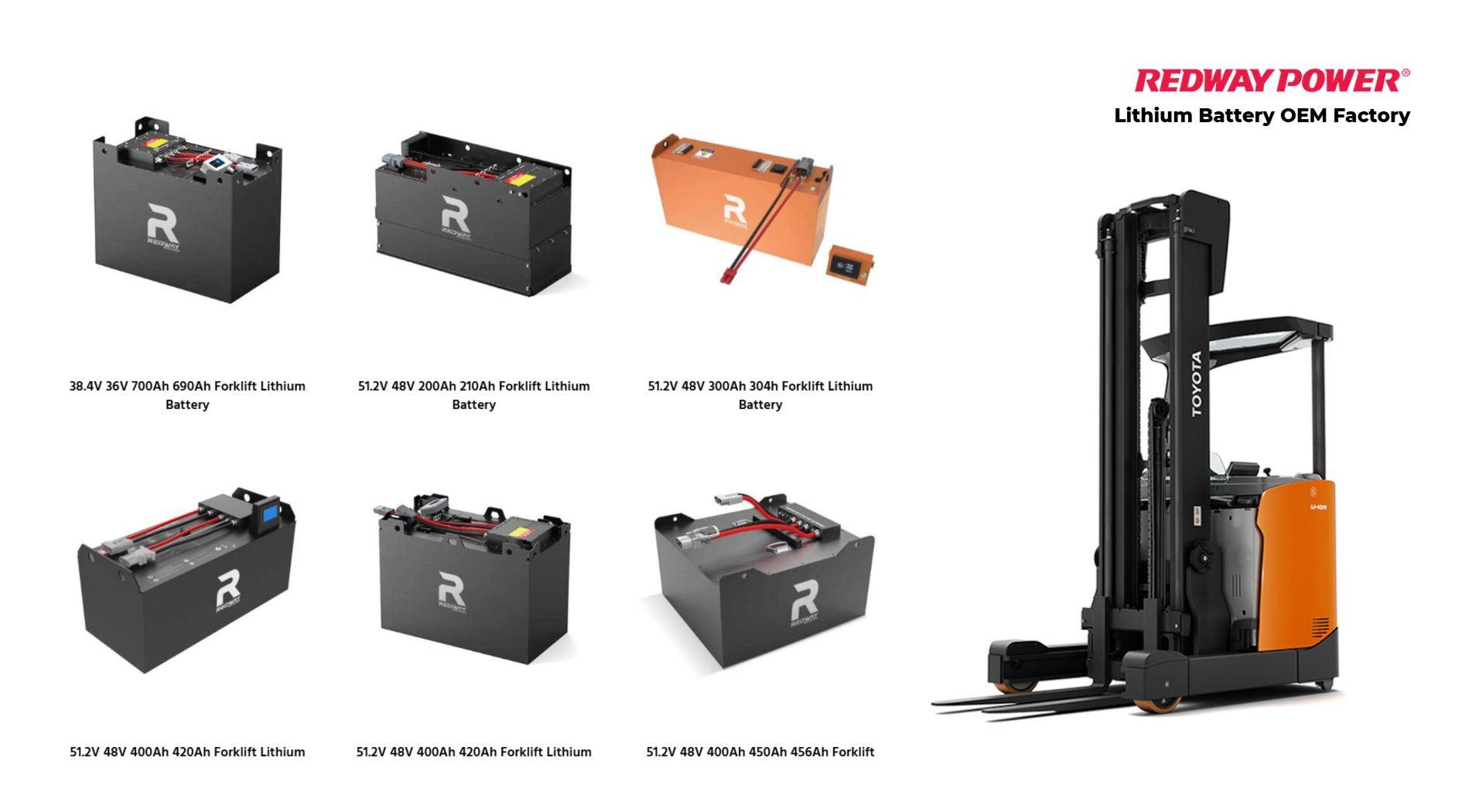
In warehouse and logistics operations, selecting the optimal 36V forklift battery can make or break your productivity and cost efficiency. Choosing the right power source—especially for Toyota forklifts—means balancing runtime, lifecycle cost, charging efficiency, and maintenance overhead, with modern lithium options like those from Redway Power offering durable, high-efficiency alternatives to traditional lead-acid units.
How Is the Forklift Battery Industry Changing and What Pain Points Are Driving Change?
The global forklift battery market is still dominated by traditional lead-acid batteries, but newer technologies are rapidly gaining traction. Lead-acid holds over 80% of market share due to lower upfront costs, yet its shortcomings are increasingly visible in high-utilization and multi-shift environments. (PW Consulting)
Lead-acid forklift batteries typically require long charge cycles (6–8 hours plus cooling) and frequent maintenance. (Ri-Go Lift Truck Ltd.) In contrast, lithium-ion batteries charge in approximately 1–2 hours with no cooling needed, enabling “opportunity charging” during breaks. (Ri-Go Lift Truck Ltd.)
Lifecycle costs also highlight pain points: lead-acid batteries often last 3–5 years, while lithium options like those from Redway Power reach 7–10 years. (Ri-Go Lift Truck Ltd.) This impacts total cost of ownership (TCO) significantly, especially for fleets operating in 24/7 facilities.
How Do Traditional Lead-Acid Forklift Batteries Fall Short?
Traditional lead-acid forklift batteries present several operational challenges for Toyota and similar forklifts:
- Long Charging and Downtime: Lead-acid systems require extensive charging and cooling periods, limiting equipment availability. (Ri-Go Lift Truck Ltd.)
- Frequent Maintenance: Regular watering, equalization, and ventilation are necessary, consuming labor and time. (LiFePO4 Batteries)
- Shorter Lifespan: With typical lifespans of 1,000–1,500 cycles, they require replacement much sooner than lithium counterparts. (LiFePO4 Batteries)
- Hidden Costs: Energy inefficiency and space needs for battery rooms add to the total cost. (Value Forklifts)
These limitations make lead-acid less suitable for high-efficiency Toyota forklift operations that demand consistent uptime and lower long-term costs.
What Is the Solution: Modern Lithium 36V Forklift Batteries?
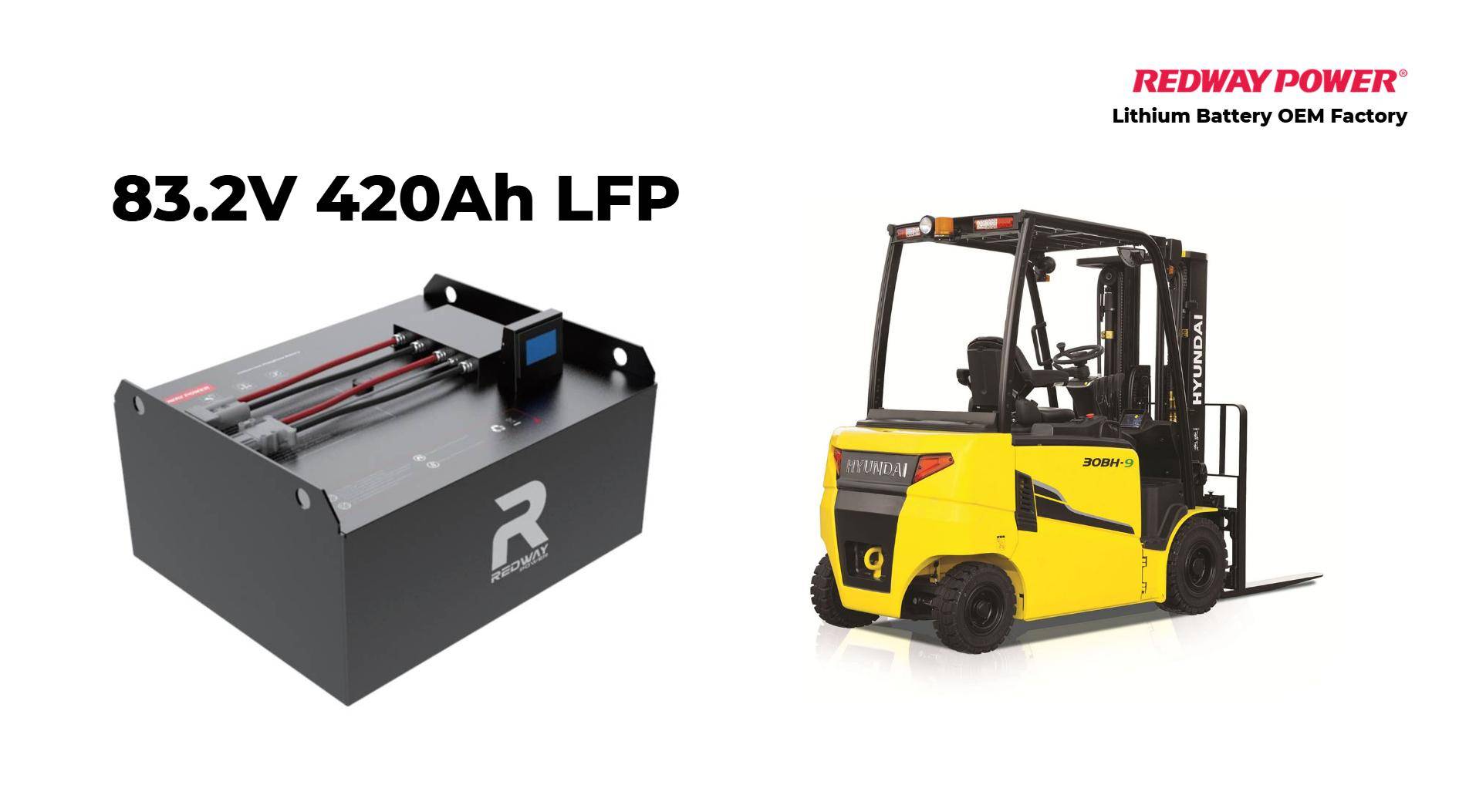
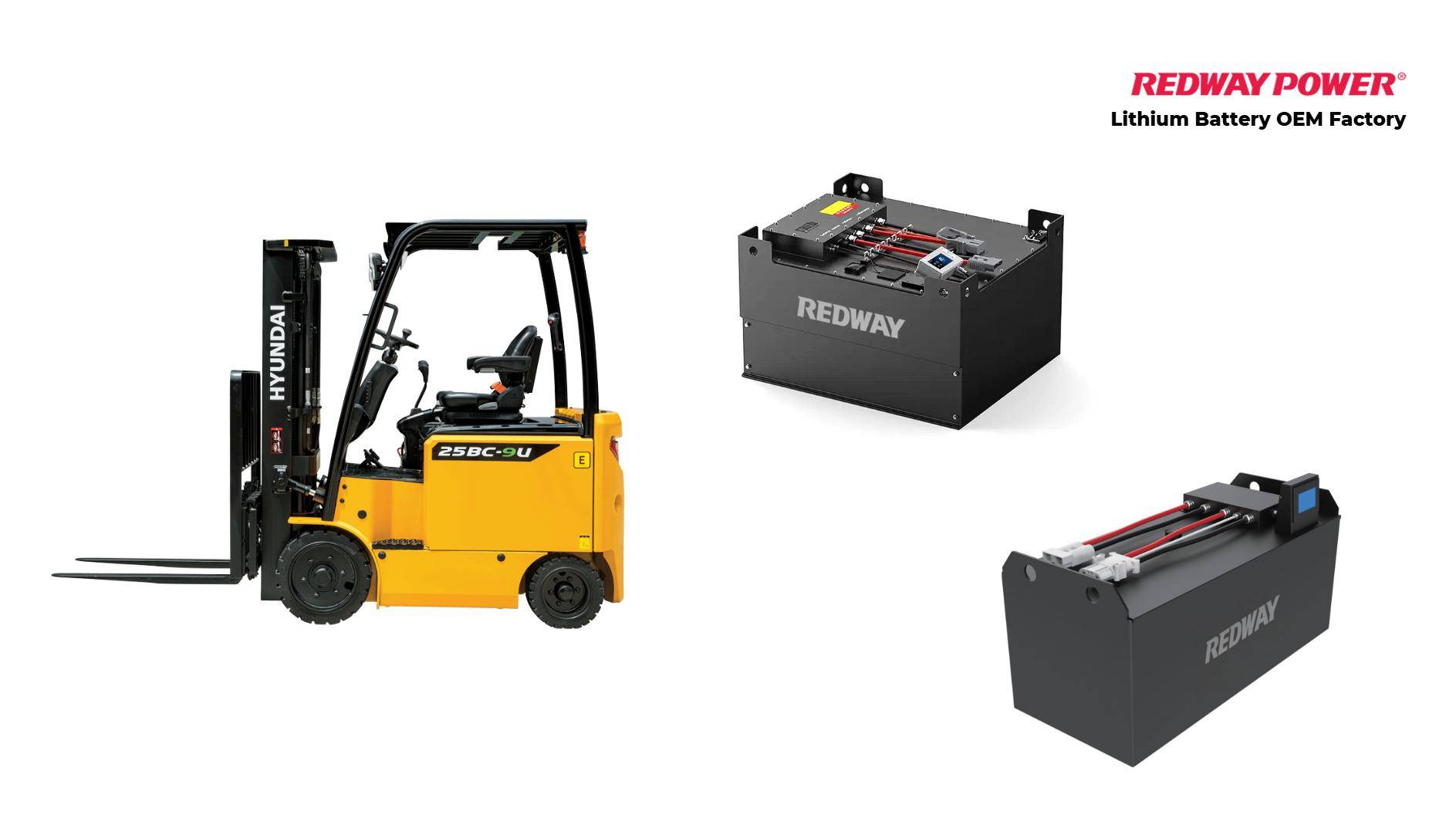
A modern solution involves adopting high-performance lithium forklift batteries, such as those engineered by Redway Power. These batteries are designed to replace traditional lead-acid units in a wide range of material handling equipment including Toyota 36V forklift models.
Key Capabilities of Lithium Forklift Batteries
- Fast Charging: Full charge in 1–2 hours without cooldown periods. (Ri-Go Lift Truck Ltd.)
- Maintenance-Free: No watering or equalization required. (LiFePO4 Batteries)
- Long Lifespan: Typically 3,000+ charge cycles, extending service life by 2–3x compared to lead-acid. (LiFePO4 Batteries)
- High Efficiency: Energy efficiency often exceeds 95%, reducing electricity costs. (LiFePO4 Batteries)
- Opportunity Charging Support: Enables short boosts throughout shifts, maximizing uptime. (Ri-Go Lift Truck Ltd.)
Redway Power’s 36V lithium solutions are specifically tailored for demanding industrial use, fulfilling rigorous performance and safety requirements while optimizing lifecycle costs.
Which Solution Is Better: Traditional vs Modern Lithium?
| Feature | Lead-Acid Battery | Redway Power 36V Lithium Battery |
|---|---|---|
| Upfront Cost | Lower | Higher |
| Charging Time | 6–8 hrs + cooldown | 1–2 hrs, no cooldown |
| Lifespan (Charge Cycles) | ~1,000–1,500 | ~3,000+ |
| Maintenance | Regular watering & care | Maintenance-free |
| Energy Efficiency | ~70–80% | ~95%+ |
| Usable Capacity per Shift | Lower | Higher |
How Do You Choose and Install a 36V Forklift Battery?
- Assess Your Toyota Forklift Model: Confirm the voltage and physical dimensions required for a 36V battery.
- Evaluate Usage Profile: Determine shifts per day, average runtime, and charging windows.
- Compare Battery Options: Look at lifecycle, efficiency, and maintenance requirements.
- Evaluate Infrastructure Needs: Ensure chargers and space are compatible with lithium technology (no special ventilation needed).
- Implement Installation: Follow manufacturer guidance for safe installation and commissioning.
What Are Real-World Use Cases for 36V Lithium Forklift Batteries?
Scenario 1: Multi-Shift Distribution Center
Problem: Lead-acid batteries require frequent swaps, causing downtime.
Traditional: Maintain multiple lead-acid batteries per forklift.
With Lithium: Single Redway 36V battery supports multiple shifts.
Benefit: Reduced downtime and fewer batteries required.
Scenario 2: Tight Warehouse Space
Problem: Battery rooms and ventilation take up valuable space.
Traditional: Dedicated battery charging rooms for lead-acid.
With Lithium: On-site charging without ventilation.
Benefit: Reclaimed operational space.
Scenario 3: Labour-Constrained Operation
Problem: Technicians spend excessive time on watering and maintenance.
Traditional: Weekly battery maintenance.
With Lithium: Zero daily maintenance.
Benefit: Labour reallocated to productive work.
Scenario 4: Cost-Focused Fleet Upgrade
Problem: Rising maintenance and replacement costs.
Traditional: Frequent battery replacements every few years.
With Lithium: Extended battery lifespan.
Benefit: Lower TCO over 7–10 years.
Why Is Now the Right Time to Upgrade?
Industry trends show that lithium forklift battery adoption is accelerating due to its operational and economic benefits. Many facilities achieve ROI within 24–48 months due to reduced maintenance, faster charging, and longer life. (LithiumLift) With continual improvements in technology and declining costs, switching from lead-acid to lithium now positions Toyota forklift fleets for future competitiveness.
Frequently Asked Questions
What makes lithium forklift batteries better than lead-acid?
Lithium batteries offer faster charging, longer life, and no maintenance requirements.
How long does a 36V lithium forklift battery typically last?
A quality lithium unit can provide 3,000+ cycles, often translating to 7–10 years of service.
Can a lithium battery be retrofitted into an existing Toyota forklift?
Most modern forklifts support retrofit with proper adapters and configuration.
Does lithium technology really lower total ownership costs?
Yes—higher upfront costs are offset by reduced energy use, labor, and replacements.
Are lithium batteries safe for indoor warehouse use?
Yes—lithium batteries do not emit harmful gases and require no special ventilation.