Blog
How to Choose the Right 48V Forklift Battery for Toyota Forklifts


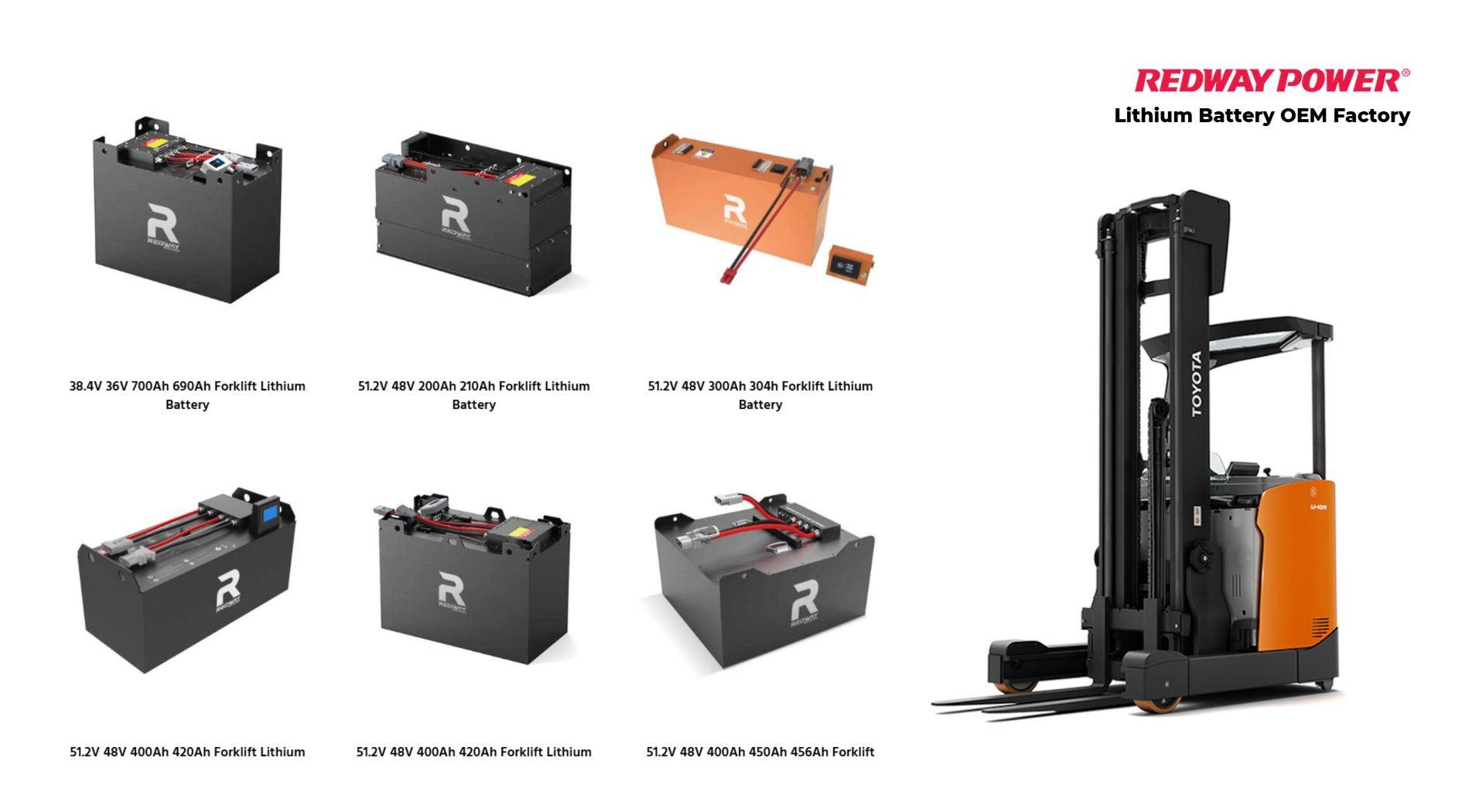
In today’s fast-moving material handling landscape, choosing the right 48V forklift battery can make or break operational efficiency and cost-effectiveness. With electric forklifts becoming the backbone of modern warehouses, a high-performance battery like those from Redway Power delivers longer runtime, faster charging, and lower total cost of ownership, ensuring sustained productivity and reduced downtime.
The forklift battery market is growing rapidly as warehouses, logistics hubs, and industrial facilities electrify fleets. Global demand for advanced forklift batteries — including 48V systems — is expanding, with lithium-ion adoption increasing due to performance and efficiency benefits. Meanwhile, traditional lead-acid batteries still account for a large share of installations, but they come with significant operational constraints. Industry data shows the forklift battery market is expected to grow substantially over the next decade, with 48-volt batteries forming a large portion of the demand due to their balanced power and compatibility with mid-to-heavy duty electric forklifts. These market shifts create both opportunity and urgency for Toyota forklift owners to re-evaluate their battery strategy. (Market Growth Reports)
How is the Current Forklift Battery Industry Performing and What Are the Pain Points?
Electric forklift sales have increased sharply, driven by warehouse automation and sustainability goals. In 2023, more than half of newly sold forklifts were battery-powered, and lithium-ion battery adoption continues to climb due to its longer lifecycle and maintenance advantages over traditional lead-acid. (Industry Research)
However, significant challenges persist:
- Lead-acid batteries still account for a majority of market share, despite inefficiencies, due to lower upfront cost and familiarity among operators. (Market Growth Reports)
- Lithium-ion batteries typically cost 2–3× more up front than lead-acid alternatives, creating hesitation among budget-constrained fleet managers. (Industry Research)
- Battery downtime for charging and maintenance remains a hidden drag on productivity, especially in multi-shift operations where charging time directly impacts throughput.
These pain points translate into measurable business impacts: extended forklift idle time, increased labor costs for battery upkeep, and unpredictable replacement cycles.
How Do Traditional Forklift Batteries Fall Short?
Traditional 48V lead-acid batteries have been the default choice for decades, but they carry inherent limitations:
- Long Charge Times: Lead-acid batteries typically require full recharges of 8–10 hours, plus a cool-down period, reducing available runtime. (Hy-Tek Intralogistics)
- High Maintenance Burden: Frequent watering, equalizing charges, and acid spill management add labor cost and operational complexity. (Toyota MHS)
- Shorter Lifespan: Lead-acid units generally provide around 1,200–1,500 charge cycles, necessitating frequent replacements in high-use environments. (Industry Research)
- Efficiency Drag: Lower energy density and charging efficiency can lead to higher energy consumption and less consistent performance.
In contrast, modern 48V lithium-ion batteries, such as those engineered by Redway Power, resolve many of these shortcomings by offering robust charge acceptance, high energy density, and minimal maintenance requirements.
What Features Should You Look for in a 48V Forklift Battery Solution?
An ideal modern 48V battery for Toyota forklifts should include the following core capabilities:
- High Cycle Life: Expect 2,000–5,000+ charge cycles for lithium-ion chemistry versus ~1,200 for lead-acid. (Industry Research)
- Fast Charging and Opportunity Charging: Ability to recharge quickly without long cooling times. (ToyotaLift Northeast)
- Advanced Battery Management System (BMS): Protects cells, balances charge, and enables data-driven maintenance planning. (Redway Tech)
- Low Maintenance: Sealed construction eliminates watering, acid handling, and corrosion issues. (Wistek)
- Compatibility with Toyota Forklift Systems: Ensuring voltage, connectors, and physical form factor align with OEM specifications.
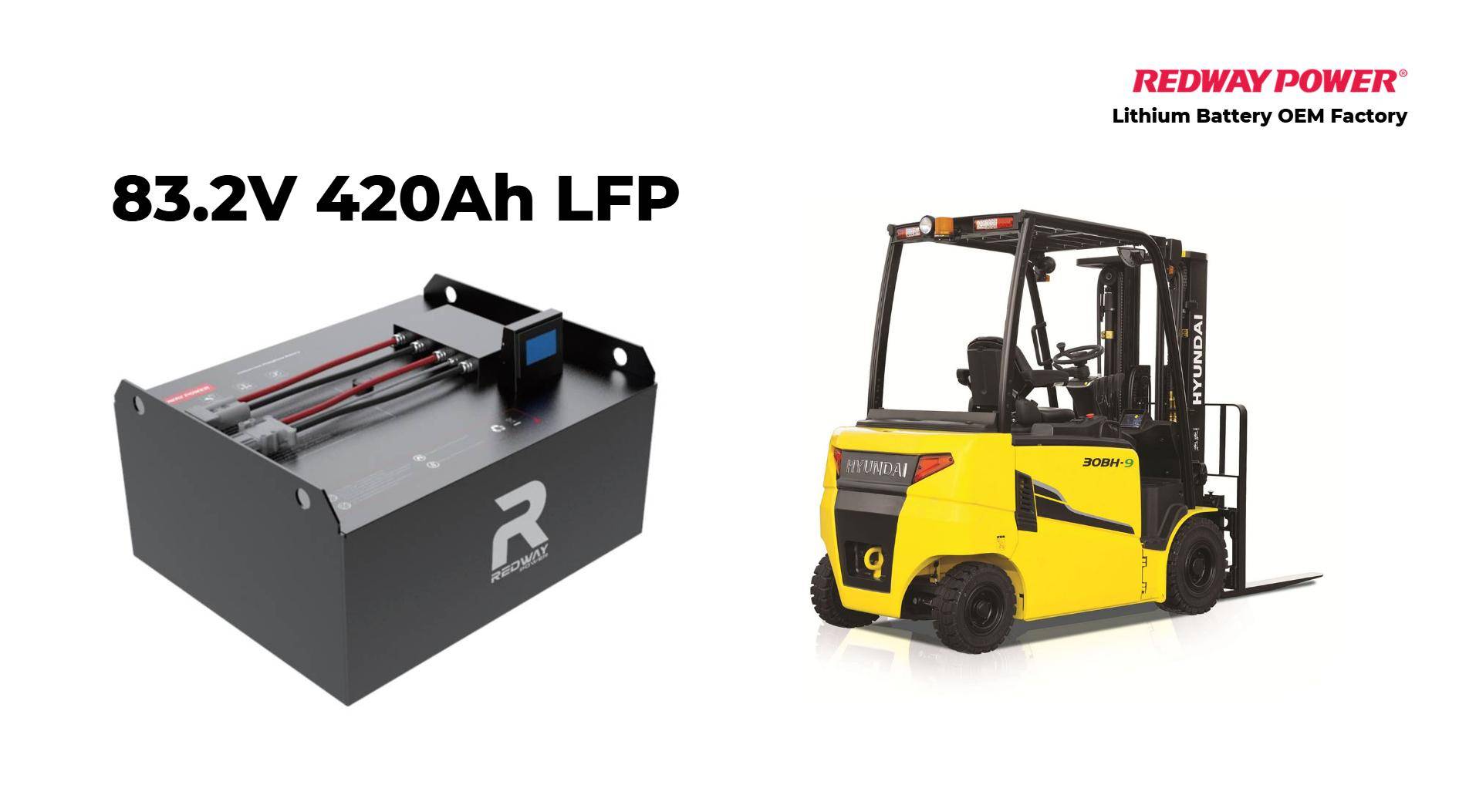
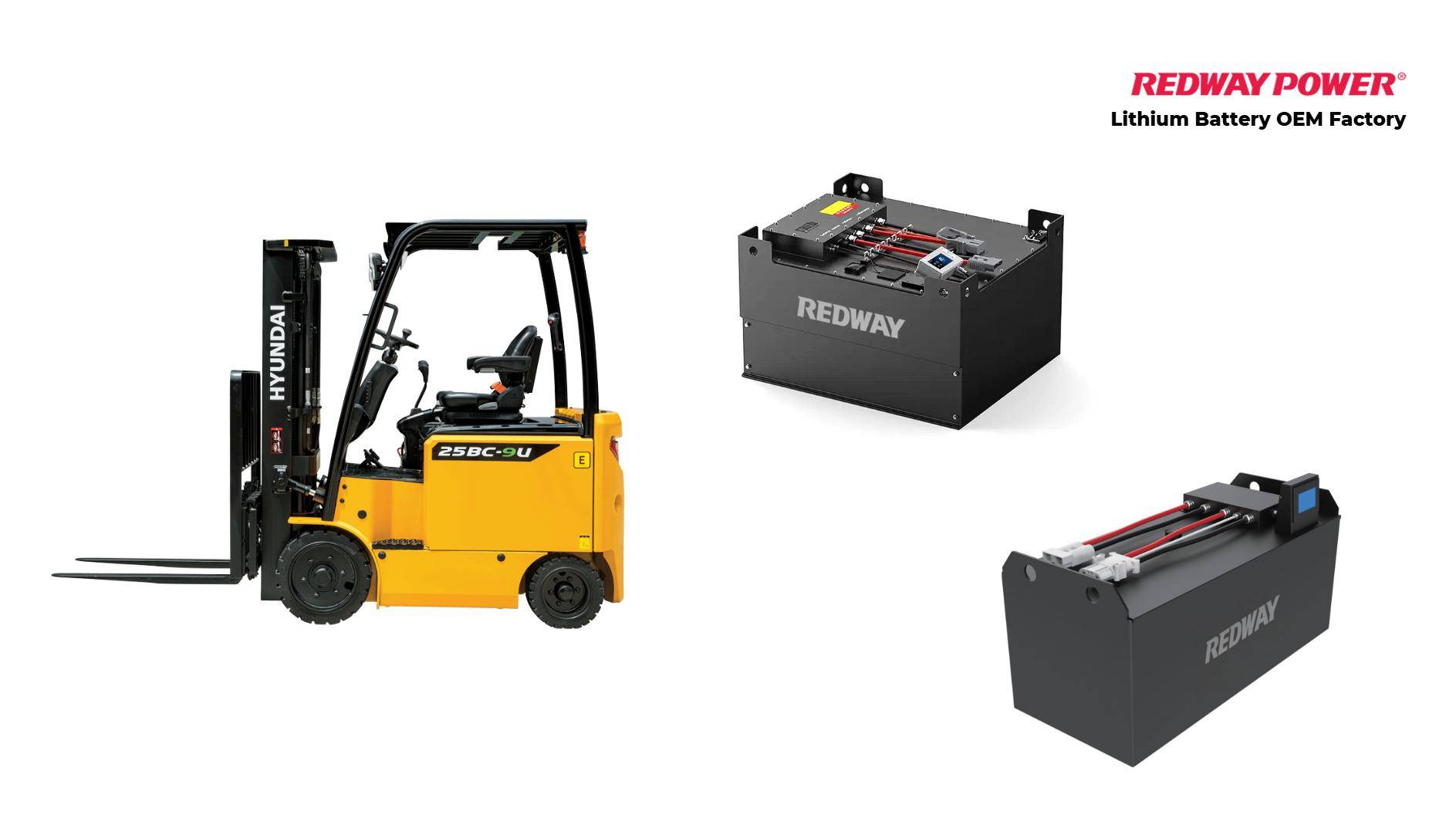
Redway Power’s 48V lithium forklift batteries integrate these features and are engineered to support long runtimes, quick charging, and enhanced reliability for Toyota forklift fleets.
How Do Traditional and Modern Battery Solutions Compare?
| Feature | Traditional Lead-Acid | Modern 48V Lithium (e.g., Redway Power) |
|---|---|---|
| Cycle Life | ~1,200–1,500 | ~2,000–5,000+ |
| Charge Time | 8–10+ hours | 1–3 hours |
| Maintenance | High (watering, cleaning) | Minimal (sealed) |
| Energy Efficiency | Lower | Higher |
| Opportunity Charging Support | Poor | Excellent |
| Total Cost of Ownership | Higher over time | Lower over time |
How Should You Choose and Install Your 48V Forklift Battery? — Step by Step
- Assess Your Fleet Requirements: Determine hours of operation, number of shifts, and battery runtime needs.
- Verify Toyota Forklift Specifications: Confirm voltage, capacity, and physical fit.
- Evaluate Battery Options Based on ROI: Compare lifespan, maintenance needs, and charging infrastructure.
- Select a Battery with Advanced BMS: Ensure real-time monitoring and safety protections.
- Plan Charger Compatibility: Choose chargers optimized for the selected battery type.
- Implement and Monitor Performance: Use data metrics to track runtime, charge cycles, and cost savings.
- Schedule Preventive Checks: Even with low-maintenance batteries, periodic health reviews improve longevity.
Why Do Users Choose Redway Power Batteries? – Real-World Scenarios
Scenario 1: Multi-Shift Warehouse
Problem: Lead-acid batteries stalled operations with long charge and cool-down times.
Traditional Approach: Rotate multiple lead-acid sets, increasing capital and storage space.
After Switching: Redway Power 48V lithium batteries enabled opportunity charging between shifts.
Key Benefits: Increased uptime, fewer battery sets, 30% more productive hours per forklift.
Scenario 2: Toyota Forklift Fleet in Distribution Hub
Problem: Frequent watering and maintenance eat into labor budgets.
Traditional Approach: Manual watering and equalizing schedules.
After Switching: Maintenance-free operation with Redway Power batteries.
Key Benefits: Labor cost reduced by ~40%, maintenance incidents near zero.
Scenario 3: High-Demand Industrial Facility
Problem: Lead-acid battery lifespan required frequent purchasing and disposal.
Traditional Approach: Annual replacement cycles with logistics disruption.
After Switching: Long lifecycle lithium reduced replacements.
Key Benefits: 3–4× battery lifespan, cutting capital costs by ~25% annually.
Scenario 4: Cold-Storage Operations
Problem: Lead-acid capacity dropped sharply in low temperatures.
Traditional Approach: Inefficient runtime and extra replacements.
After Switching: Redway Power lithium maintained consistent performance across temp ranges.
Key Benefits: Reliable operation, fewer unplanned outages.
Why Is Now the Time to Upgrade?
The forklift battery market is projected to expand significantly over the next decade, with 48V systems forming a substantial share of demand and lithium-ion adoption accelerating because of efficiency and lifecycle advantages. Choosing a modern battery solution now — particularly one engineered for Toyota forklifts — helps businesses stay ahead of competitive pressures, improve sustainability, and reduce long‐term costs. (Market.us)
What Are Common Questions About Choosing a 48V Forklift Battery?
How long should a 48V lithium forklift battery last compared to lead-acid?
Lithium-ion batteries typically deliver 2–3× the cycle life of lead-acid alternatives.
What charging infrastructure is needed for 48V lithium batteries?
Fast chargers optimized for lithium chemistries are recommended to maximize charge efficiency.
Can a 48V lithium battery be used with Toyota forklifts?
Yes — with proper compatibility checks for connectors and voltage, lithium batteries like Redway Power’s are suitable.
Does a lithium battery require special maintenance?
No — sealed construction eliminates watering and acid handling.
Is the higher upfront cost justified?
Yes — lower maintenance, extended life, and higher productivity deliver a faster ROI.
Sources
https://www.marketgrowthreports.com/market-reports/forklift-battery-market-117428
https://www.industryresearch.biz/market-reports/forklift-battery-market-104277
https://market.us/report/global-forklift-battery-market/
https://www.redwaypower.com/why-choose-lithium-forklift-batteries-for-efficiency/