Blog
How to Select the Right 80V Forklift Battery for Your Toyota Forklift


Choosing the right 80V forklift battery — especially when upgrading a Toyota forklift — can transform operational efficiency, lower total cost of ownership, and increase uptime. With fast-charging, high cycle life, and advanced battery management systems, modern lithium batteries deliver measurable performance gains in demanding warehouse environments.
How Is the Forklift Battery Industry Evolving and What Are the Key Pain Points?
The global forklift battery market is rapidly expanding in response to warehouse automation, e-commerce growth, and electrification initiatives. In 2024, the forklift battery industry is projected to exceed USD 25 billion, with expectations to nearly double by 2034, reflecting a compound annual growth rate in the high single digits. Lithium-ion battery adoption now accounts for nearly half of total forklift battery shipments as operators pursue higher efficiency and uptime. Lead-acid batteries still dominate volume, but their share is gradually declining as lithium alternatives gain traction. (TMR Reports)
Despite growth, operators face three major challenges:
- Downtime and Productivity Loss: Traditional lead-acid batteries often require 8–10 hours to charge, plus a cool-down period, limiting forklifts to single-shift operations and necessitating spare batteries for multi-shift fleets. (LiFePO4 Batteries)
- Lifecycle Costs: Lead-acid units typically deliver 1,000–1,500 cycles, whereas lithium variants can exceed 3,000–5,000 cycles, significantly extending service life and reducing replacements. (LiFePO4 Batteries)
- Energy Efficiency and Performance Drop-off: Lead-acid batteries suffer from voltage sag and reduced lift capacity as charge depletes, whereas lithium packs maintain consistent output throughout discharge. (ILIFT)
These issues translate into lost productivity, higher operating expenses, and increased maintenance burden — motivating many Toyota forklift owners to evaluate modern 80V battery technologies.
Why Are Traditional Forklift Battery Solutions Falling Short?
Traditional lead-acid batteries have been the default choice because they are cost-effective upfront and well understood. However:
- Slow Charging and Downtime: Lead-acid batteries often need 8–10 hours for a full charge and significant cooling time, making them unsuitable for multi-shift operations without spare packs. (Hy-Tek Intralogistics)
- High Maintenance: They require regular watering, equalizing charges, and ventilation due to off-gassing. (AAAForkliftPlus)
- Shorter Lifespan and Total Cost: Frequent replacements due to limited cycle life increase total cost of ownership over time. (Baufar Battery)
In contrast, modern lithium-based 80V batteries deliver faster charge acceptance, less maintenance, and a longer useful life.
What Solution Should Toyota Forklift Operators Consider?
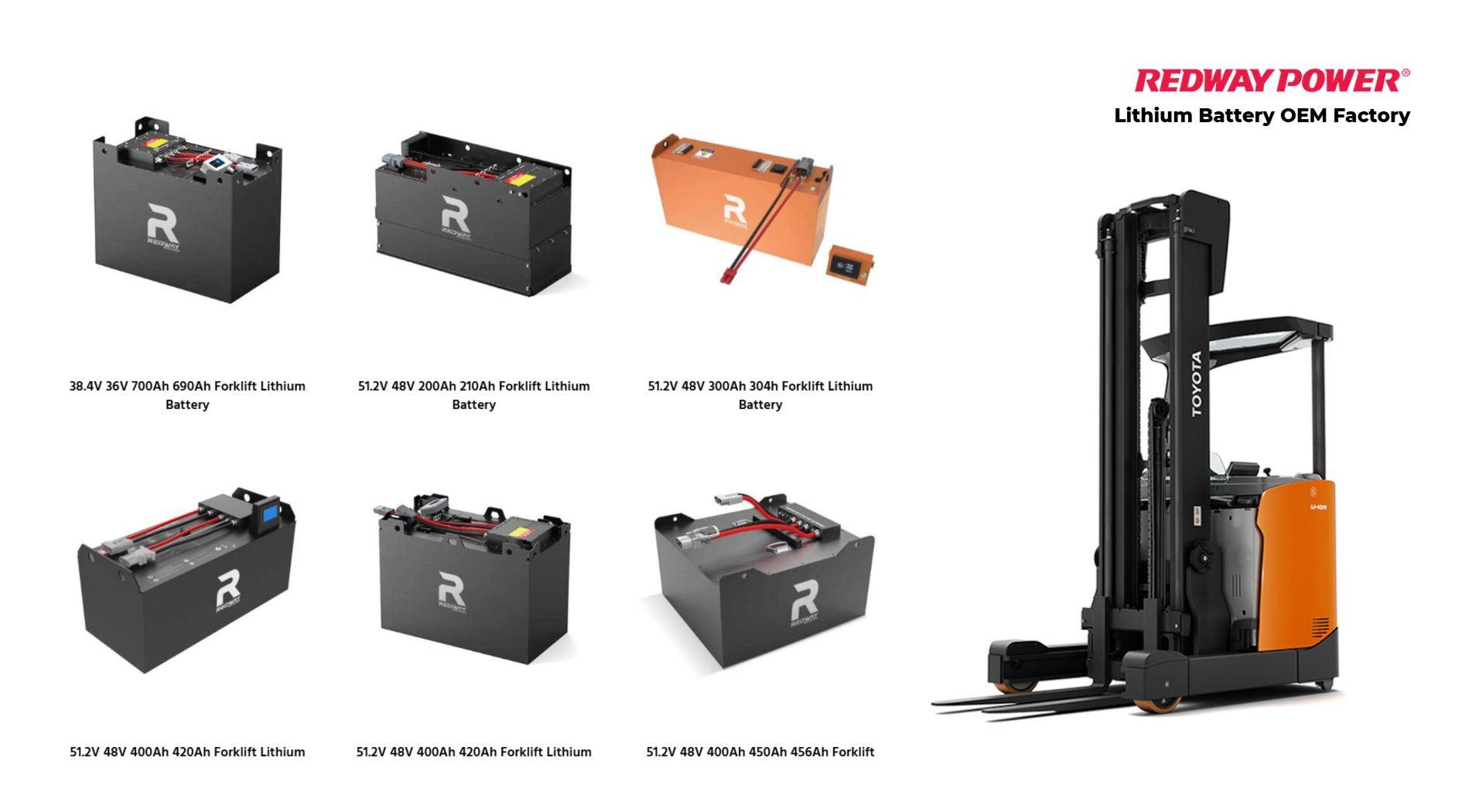
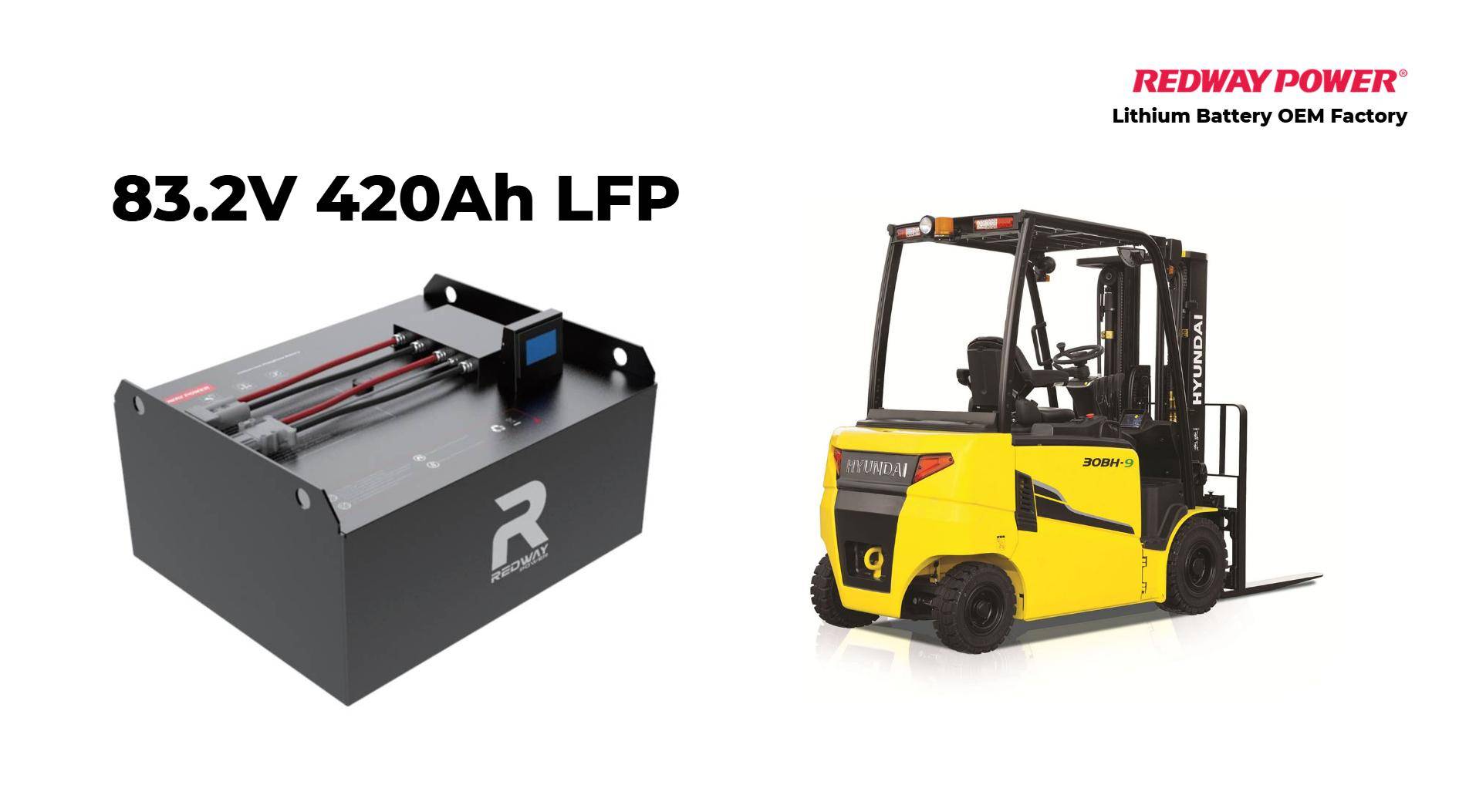
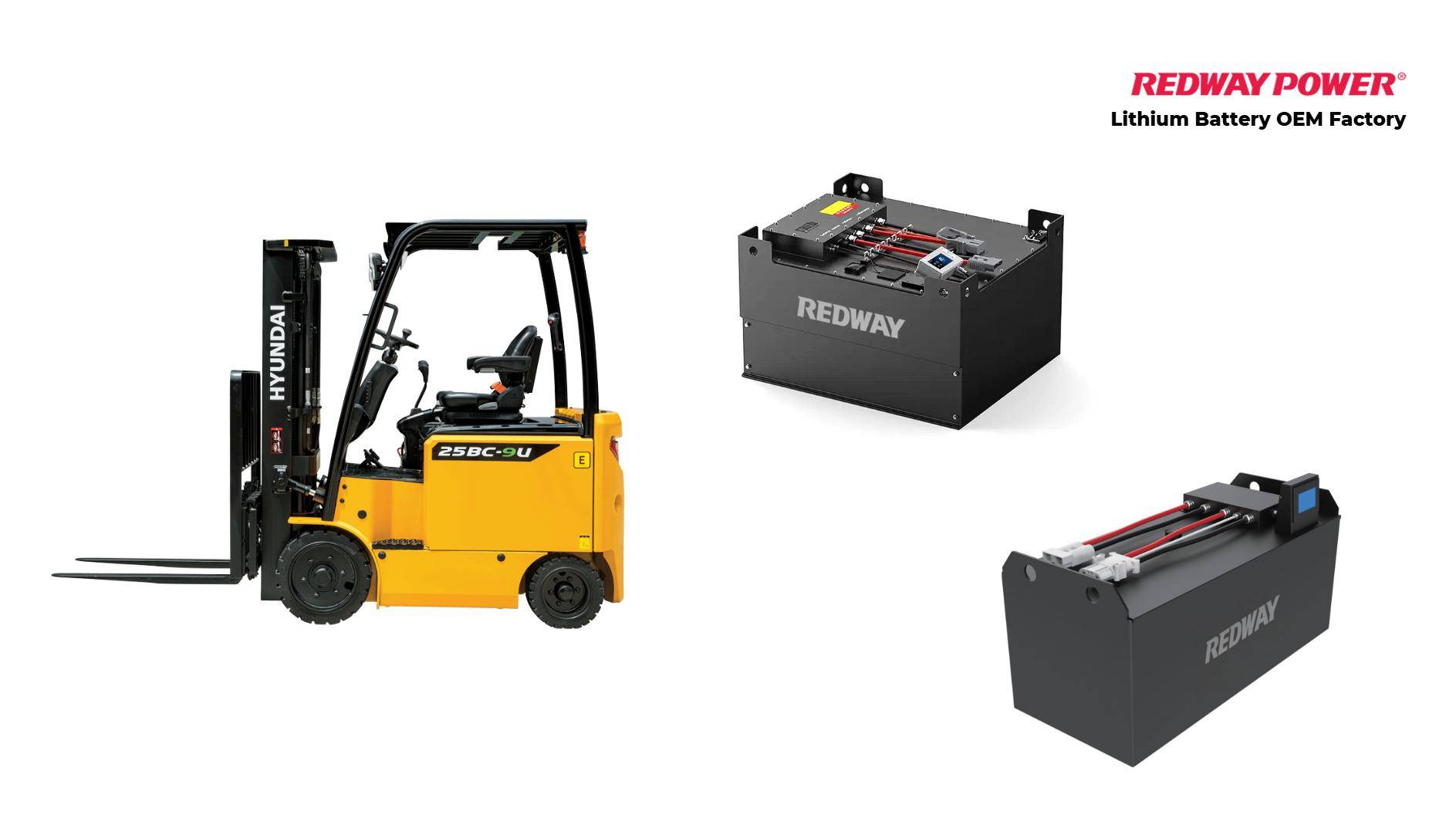
A well-engineered LiFePO4 lithium forklift battery — such as those from Redway Power — addresses the core limitations of traditional lead-acid systems and aligns with modern material-handling demands.
Key capabilities include:
- Fast Charging & Opportunity Charging: Lithium packs can achieve full charge in 1–3 hours and support short “top-up” charges without damaging cells, enhancing equipment utilization. (LiFePO4 Batteries)
- Longer Cycle Life: High-quality lithium batteries deliver 3,000–5,000+ cycles, improving return on investment by lasting significantly longer than lead-acid alternatives. (Alibaba)
- Advanced Battery Management Systems (BMS): Lithium batteries offer integrated thermal and voltage management, improving safety and prolonging service life. (TMR Reports)
- Lower Maintenance & Environmental Impact: Lithium eliminates watering and acid handling, and reduces charging infrastructure requirements. (AAAForkliftPlus)
Redway Power delivers ISO 9001:2015-certified 80V lithium forklift batteries optimized for demanding Toyota forklift applications, supporting fast charging, robust BMS protection, and extended operational life.
What Are the Advantages of Lithium vs. Traditional Batteries?
| Feature | Traditional Lead-Acid | Redway Power 80V LiFePO4 |
|---|---|---|
| Recharge Time | 8–10 hrs + cooling | 1–3 hrs opportunity charging |
| Cycle Life | ~1,000–1,500 cycles | ~3,000–5,000+ cycles |
| Maintenance | High (watering, ventilation) | Near-zero |
| Energy Efficiency | ~70–80 % | >95 % |
| Operational Uptime | Single-shift | Multi-shift capable |
| Environmental Impact | Acid handling, emissions | Cleaner, no gassing |
How Should You Implement an 80V Forklift Battery Upgrade?
- Assess Load Profile: Calculate daily forklift usage hours, average loads, and shifts.
- Match Voltage & Capacity: Ensure the battery’s voltage and Ah rating align with Toyota forklift specifications.
- Evaluate Charging Infrastructure: Verify chargers support fast and opportunity charging for 80V lithium systems.
- Install & Configure BMS Parameters: Work with OEM like Redway Power to set BMS thresholds for optimal performance.
- Train Operators: Educate staff on charging practices and safety guidelines.
- Monitor & Adjust: Use telemetry or BMS reporting to optimize charging windows and fleet utilization.
Where Are 80V Forklift Batteries Most Beneficial?
Scenario 1: Multi-Shift Distribution Warehouse
Problem: Lead-acid forklifts cannot sustain three shifts without batteries swaps.
Traditional: Multiple spare batteries, downtime for charging.
After Upgrade: Redway 80V lithium batteries support opportunity charging.
Benefit: Uptime improvement >25 %, reduced spare battery inventory.
Scenario 2: Cold Storage Facility
Problem: Lead-acid loses capacity in low temperatures.
Traditional: Increased energy costs, reduced productivity.
After Upgrade: Lithium batteries maintain stable output in cold.
Benefit: Consistent performance with reduced heating costs.
Scenario 3: High-Utilization Manufacturing Floor
Problem: Frequent charging reduces available forklift time.
Traditional: Dedicated charging room, shift delays.
After Upgrade: Lithium enables top-up charging.
Benefit: Increased daily usage hours and throughput.
Scenario 4: Logistics Hub with Peak Demand Fluctuations
Problem: Forklift fleets struggle under dynamic workload peaks.
Traditional: Manual battery swaps create delays.
After Upgrade: Intelligent BMS supports dynamic charging.
Benefit: Operational agility and predictable uptime.
What Trends Are Shaping Forklift Battery Selection?
- Electrification and Automation: E-commerce growth demands continuous operations, making fast charging and longer life critical.
- Total Cost Optimization: Lifecycle cost models increasingly favor lithium despite higher upfront cost.
- Sustainability Goals: Regulatory pressures and environmental targets accelerate transition to cleaner battery chemistries.
- Smart Energy Management: Data-driven BMS and predictive maintenance platforms are becoming standard.
Given these trends, upgrading today secures competitive productivity and positions Toyota forklift fleets for future efficiencies.
What Are Common Questions About 80V Forklift Batteries?
How long does an 80V lithium forklift battery last per charge?
Runtime varies with load, but well-matched 80V lithium batteries can deliver full-shift performance with opportunity charging.
What maintenance do lithium batteries require?
Minimal — no watering and reduced infrastructure requirements, lowering labor costs.
Which charging infrastructure is needed for 80V lithium?
Fast chargers compatible with 80V lithium chemistries and BMS communication are recommended.
Can lithium batteries be opportunity charged?
Yes — safe partial charging significantly boosts utilization.
Are 80V lithium batteries more cost-effective overall?
Despite higher initial cost, extended lifespan and reduced downtime frequently deliver lower total cost of ownership.
Sources
https://www.transparencymarketresearch.com/forklift-battery-market.html
https://www.factmr.com/news-releases/global-forklift-battery-market-size-to-hit-48-65-billion-by-2034-factmr-302183105.html
https://www.lithium-battery-manufacturer.com/how-do-80v-lithium-and-lead-acid-forklift-batteries-compare-in-performance/
https://www.alibaba.com/product-insights/80v-forklift-battery.html
https://www.lithium-ion-vs-lead-acid-forklift-batteries/turn0search13