Blog
Is Retrofitting Forklifts with LiFePO4 Batteries a Cost-Effective Upgrade?

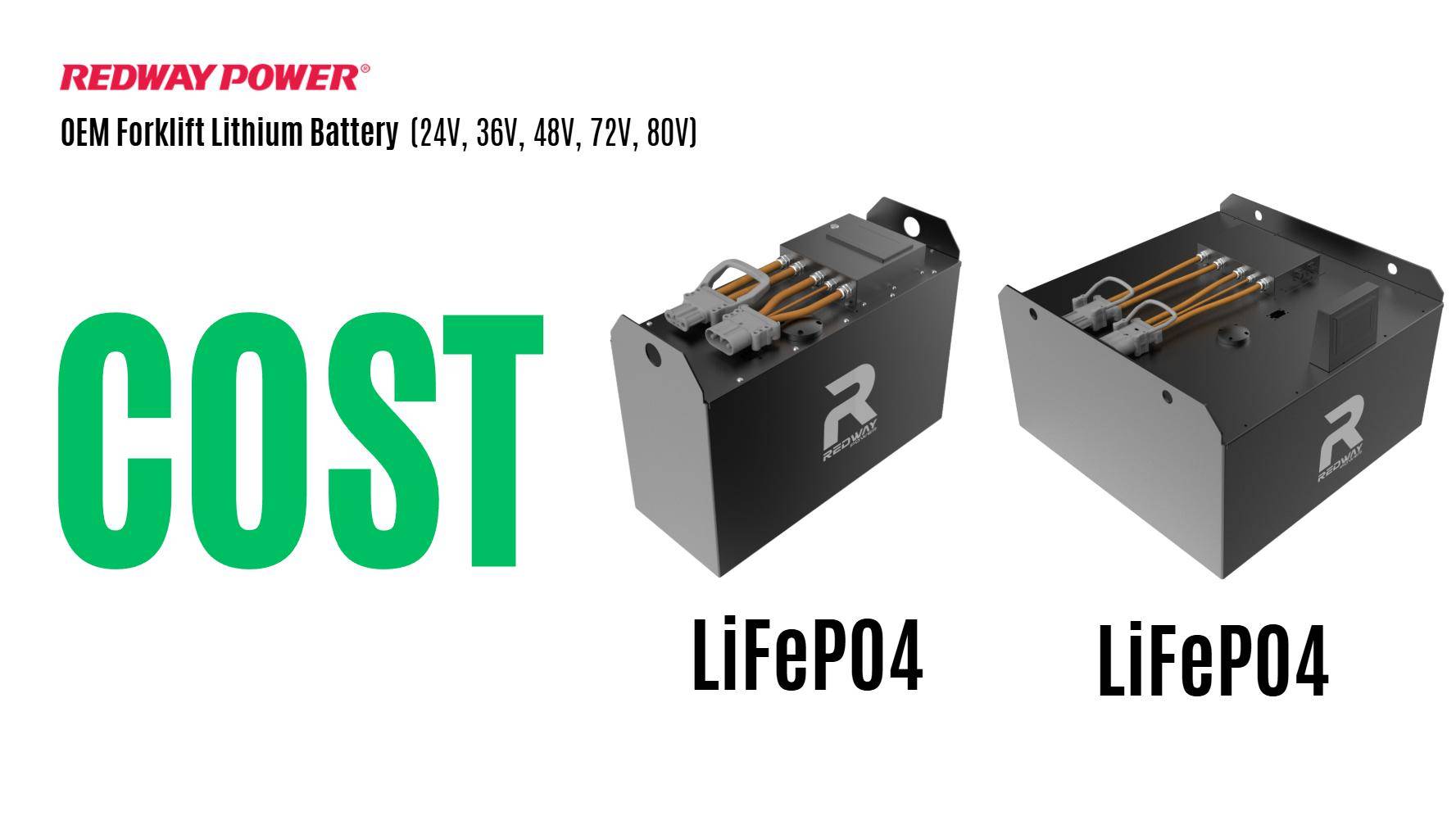
Retrofitting traditional forklifts with LiFePO4 (lithium iron phosphate) batteries offers a cost-effective upgrade by reducing long-term operational costs, improving energy efficiency, and minimizing maintenance. These batteries last 3–5 times longer than lead-acid alternatives, charge faster, and operate efficiently in diverse temperatures. Initial costs are offset by lower energy consumption, zero maintenance, and extended lifespan, making them ideal for warehouses and industrial applications.
What Are the Key Benefits of LiFePO4 Batteries for Forklifts?
LiFePO4 batteries provide longer lifespan (2,000–5,000 cycles), faster charging (1–2 hours), and consistent power output. They eliminate watering, equalizing, and acid spills, reducing maintenance labor and costs. Their lightweight design improves forklift maneuverability, while higher energy density ensures prolonged runtime. These features enhance productivity and reduce downtime in high-demand environments.
How Do LiFePO4 Batteries Compare to Lead-Acid in Total Cost of Ownership?
While LiFePO4 batteries have higher upfront costs (2–3x lead-acid), their total cost of ownership is 30–50% lower over 5 years. Savings come from no maintenance, longer lifespan, faster charging (reducing energy costs), and no replacement purchases. Lead-acid batteries require frequent water refills, shorter cycles (500–1,000), and gradual capacity loss, increasing long-term expenses.
For example, a warehouse using 10 forklifts might spend $60,000 upfront on LiFePO4 batteries versus $20,000 for lead-acid. However, over five years, lead-acid systems could incur $45,000 in replacement batteries, $8,000 in maintenance, and $12,000 in energy costs. LiFePO4 systems avoid replacement and maintenance fees while cutting energy expenses by 30%, resulting in a net savings of $23,000. Additionally, productivity gains from reduced downtime add indirect financial benefits.
| Cost Factor | LiFePO4 (5 Years) | Lead-Acid (5 Years) |
|---|---|---|
| Initial Purchase | $60,000 | $20,000 |
| Replacements | $0 | $45,000 |
| Maintenance | $0 | $8,000 |
| Energy Costs | $8,400 | $12,000 |
| Total | $68,400 | $85,000 |
What Are the Installation Requirements for Retrofitting LiFePO4 Batteries?
Retrofitting requires compatible voltage (typically 24V, 36V, or 48V), a BMS-integrated battery, and modified charging infrastructure. Existing forklift compartments may need structural adjustments due to LiFePO4’s smaller size. Chargers must support lithium-specific profiles to prevent overcharging. Professional installation ensures proper wiring, safety compliance, and integration with forklift telemetry systems.
Can LiFePO4 Batteries Operate in Extreme Temperatures?
LiFePO4 batteries perform optimally in -20°C to 60°C (-4°F to 140°F) ranges, unlike lead-acid, which loses 50% capacity below 0°C. Built-in thermal management in advanced models prevents overheating. This resilience suits cold storage warehouses and high-temperature manufacturing facilities, ensuring reliable performance without voltage drops.
What Safety Features Do LiFePO4 Forklift Batteries Offer?
LiFePO4 batteries include built-in Battery Management Systems (BMS) that prevent overcharging, deep discharging, and short circuits. Their stable chemistry resists thermal runaway, unlike other lithium types. Non-toxic materials and sealed designs eliminate acid leaks, enhancing workplace safety. Certifications like UN38.3 and UL1642 ensure compliance with industrial standards.
The BMS continuously monitors cell voltage, temperature, and current flow. If irregularities are detected, it automatically disconnects the battery to prevent damage or hazards. For instance, in cases of rapid temperature spikes during charging, the system throttles power input until conditions stabilize. This proactive approach reduces fire risks and extends battery life. Additionally, the absence of corrosive acids minimizes cleanup costs and exposure risks for workers.
How Long Does the Retrofitting Process Take?
Retrofitting typically takes 4–8 hours per forklift, depending on electrical system complexity and compartment modifications. Training staff on lithium-specific protocols (e.g., charging practices) adds 1–2 hours. Bulk retrofitting projects can prioritize phased rollouts to avoid operational disruptions.
Are There Government Incentives for Adopting LiFePO4 Technology?
Many regions offer tax credits, rebates, or grants for energy-efficient upgrades, including LiFePO4 adoption. Programs like the U.S. EPAct §179D or EU’s LIFE Initiative subsidize 10–30% of costs. Consult local agencies or sustainability programs to identify eligible incentives, which can accelerate ROI by 1–2 years.
“LiFePO4 retrofitting isn’t just a trend—it’s a strategic shift. Companies using 10+ forklifts save $50k+ annually on maintenance and energy. The ROI is clear within 18–24 months. At Redway, we’ve seen warehouses reduce downtime by 40% and extend equipment lifespan by 3 years, all while meeting sustainability targets.” – Senior Engineer, Redway Power Solutions
FAQ
- Do LiFePO4 batteries require special chargers?
- Yes. Lithium-specific chargers with voltage/current profiles matching the BMS are essential to prevent damage. Universal chargers are not recommended.
- Can I retrofit older forklift models?
- Most models post-2000 can be retrofitted. Consult manufacturers for compatibility checks on electrical systems and compartment dimensions.
- What is the average payback period?
- Most businesses achieve ROI in 2–3 years via energy savings, reduced maintenance, and productivity gains. High-usage facilities may see returns in 12–18 months.
- What Are the Benefits of Custom OEM LiFePO4 Forklift Battery Solutions
- What Are the Key Components of Forklift Integrated Battery Systems?
- Are LiFePO4 Batteries Compatible With All Forklift Models?
- How Can Smart Charging Enhance LiFePO4 Forklift Battery Efficiency?
- Is Retrofitting Forklifts with LiFePO4 Batteries a Cost-Effective Upgrade?
- How to Install and Maintain LiFePO4 Forklift Batteries for Optimal Performance