Blog
Is Retrofitting Golf Carts with LiFePO4 Batteries Worth the Cost

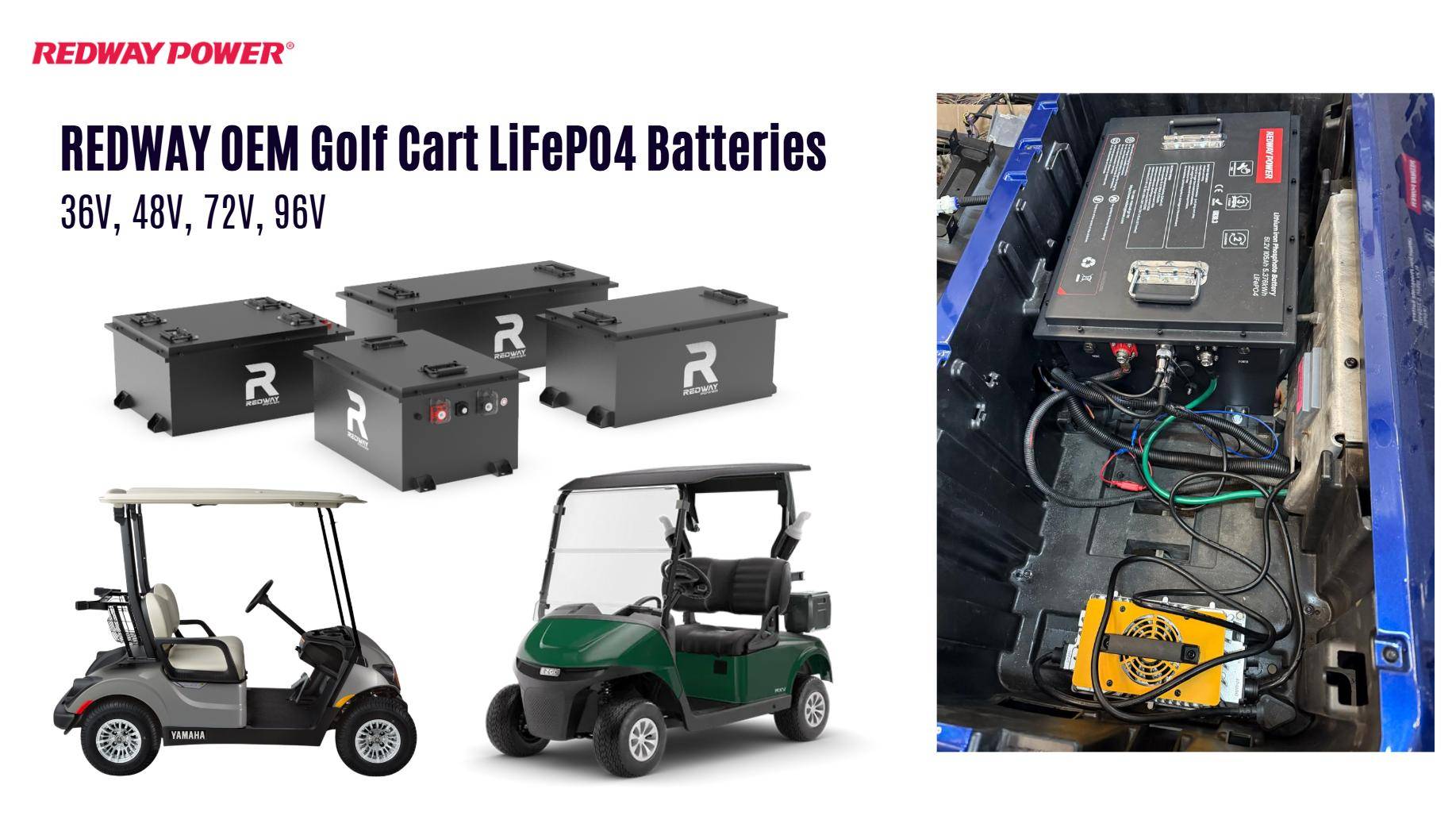
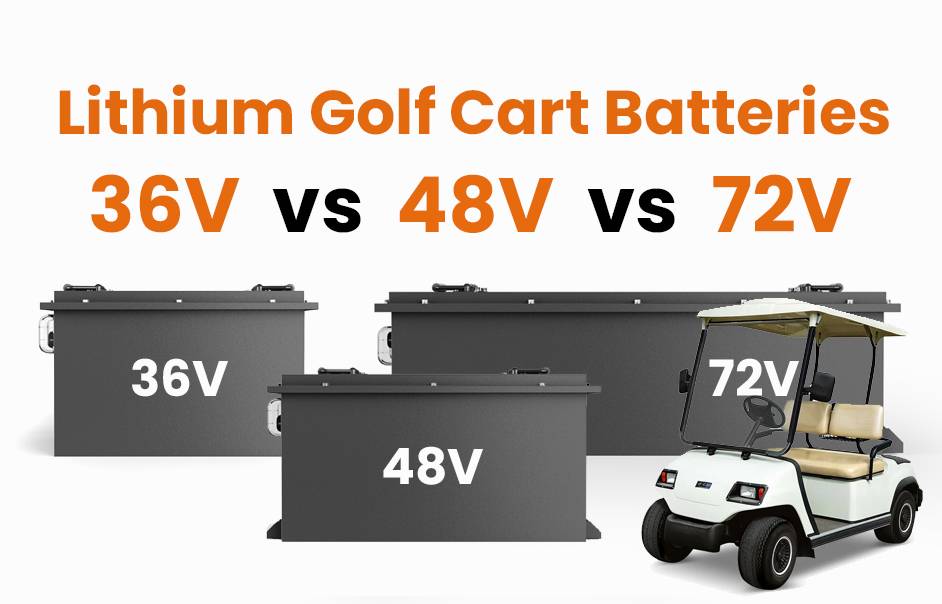
Retrofitting traditional golf carts with LiFePO4 batteries offers 3-5x longer lifespan, 50% weight reduction, and faster charging than lead-acid batteries. Initial costs ($800-$2,500) are offset by 4-6 year lifespan versus 1-3 years for conventional batteries. Properly installed conversions increase resale value by 15-25% while eliminating maintenance requirements. Compatibility varies by cart model and electrical system configuration.
How Do LiFePO4 Batteries Compare to Traditional Golf Cart Batteries?
LiFePO4 batteries outperform lead-acid in energy density (90-120 Wh/kg vs 30-50 Wh/kg) and maintain 80% capacity after 2,000 cycles versus 300-500 cycles for AGM batteries. They charge 3x faster (2-4 hours) and operate efficiently in 0°C to 45°C temperatures. Unlike lead-acid, they deliver consistent voltage until 90% discharge, maintaining cart speed throughout use.
The structural advantages of lithium iron phosphate chemistry enable golf carts to achieve 12-18% faster acceleration times compared to lead-acid equivalents. This is particularly noticeable on hilly courses where voltage stability prevents the 15-20% speed drop characteristic of aging lead-acid systems. Modern LiFePO4 packs also feature modular designs allowing capacity expansion through parallel connections – a practical solution for users needing extended range without replacing entire battery banks.
| Parameter | LiFePO4 | Lead-Acid |
|---|---|---|
| Cycle Life | 2,000+ | 500 |
| Charge Time | 3 hrs | 8-10 hrs |
| Weight (48V) | 55 lbs | 130 lbs |
What Are the Hidden Costs of Battery Conversion Projects?
Hidden costs include voltage regulator upgrades ($120-$400), charger replacement ($200-$600), and potential controller modifications ($150-$800). Older carts (pre-2010) may require wiring harness updates ($75-$250). Installation labor averages $300-$700. Smart BMS systems add $150-$500. These ancillary expenses typically account for 35-45% of total retrofit budgets beyond battery costs.
How to Calculate ROI for Golf Cart Battery Upgrades?
ROI = (Lead-acid replacement costs × 3) – Lithium cost + Resale premium. Example: $600 lead-acid batteries replaced 3x over 9 years ($1,800) vs $2,000 lithium with $500 resale boost = $300 net savings. Include reduced electricity costs (15-20% efficiency gain) and maintenance hours (40-60 hours saved over battery life). Most users break even in 2.5-4 years.
Advanced ROI calculations should factor in terrain-specific benefits – lithium-powered carts demonstrate 22% better energy recovery on courses with regenerative braking systems. Commercial operators can deduct 30% of conversion costs through EV tax credits in many jurisdictions. Fleet managers report 18-27% reduction in downtime due to eliminated watering/equalization maintenance and faster charging between shifts.
| Cost Factor | 5-Year Savings |
|---|---|
| Battery Replacements | $1,200 |
| Energy Costs | $380 |
| Maintenance Labor | $650 |
“Modern LiFePO4 conversions now match OEM performance when using CAN-enabled BMS that communicate with cart controllers. We’re seeing 22-28% efficiency gains in regenerative braking systems specifically designed for lithium chemistry. Properly engineered retrofits actually extend motor life by reducing voltage fluctuation stress.”
— Golf Cart Electrification Specialist, Battery Tech Conference 2023
FAQs
- Can I mix lithium and lead-acid batteries temporarily?
- Never mix chemistries – different voltage curves and charging profiles cause dangerous imbalances.
- Do lithium batteries work with existing chargers?
- Only if specifically designed for lithium chemistry (constant current/voltage profile). Using lead-acid chargers risks fire.
- How cold is too cold for LiFePO4 golf carts?
- Below -20°C requires battery warmers. Normal operation down to -10°C with 10-15% capacity reduction.
- Can I install batteries myself?
- Only with OEM-approved kits and electrical certification. High-voltage systems (48V+) require professional installation.
LiFePO4 retrofits transform golf carts into high-efficiency vehicles with measurable financial returns. While requiring technical planning for electrical compatibility, the long-term benefits in performance, maintenance reduction, and environmental impact make lithium conversion a strategic upgrade for frequent users. Always verify system compatibility and certifications before investing in conversion kits.
Know more:
What Are OEM LiFePO4 Golf Cart Battery Solutions?
What Defines an Integrated Battery System for Golf Carts?
Are LiFePO4 Batteries Compatible With All Golf Cart Models?
How Can Smart Charging Prolong LiFePO4 Golf Cart Battery Lifespan?
Is Retrofitting Golf Carts with LiFePO4 Batteries Worth the Cost?
How to Install and Maintain LiFePO4 Batteries in Golf Carts?