Blog
What Are OEM LiFePO4 Golf Cart Battery Solutions?

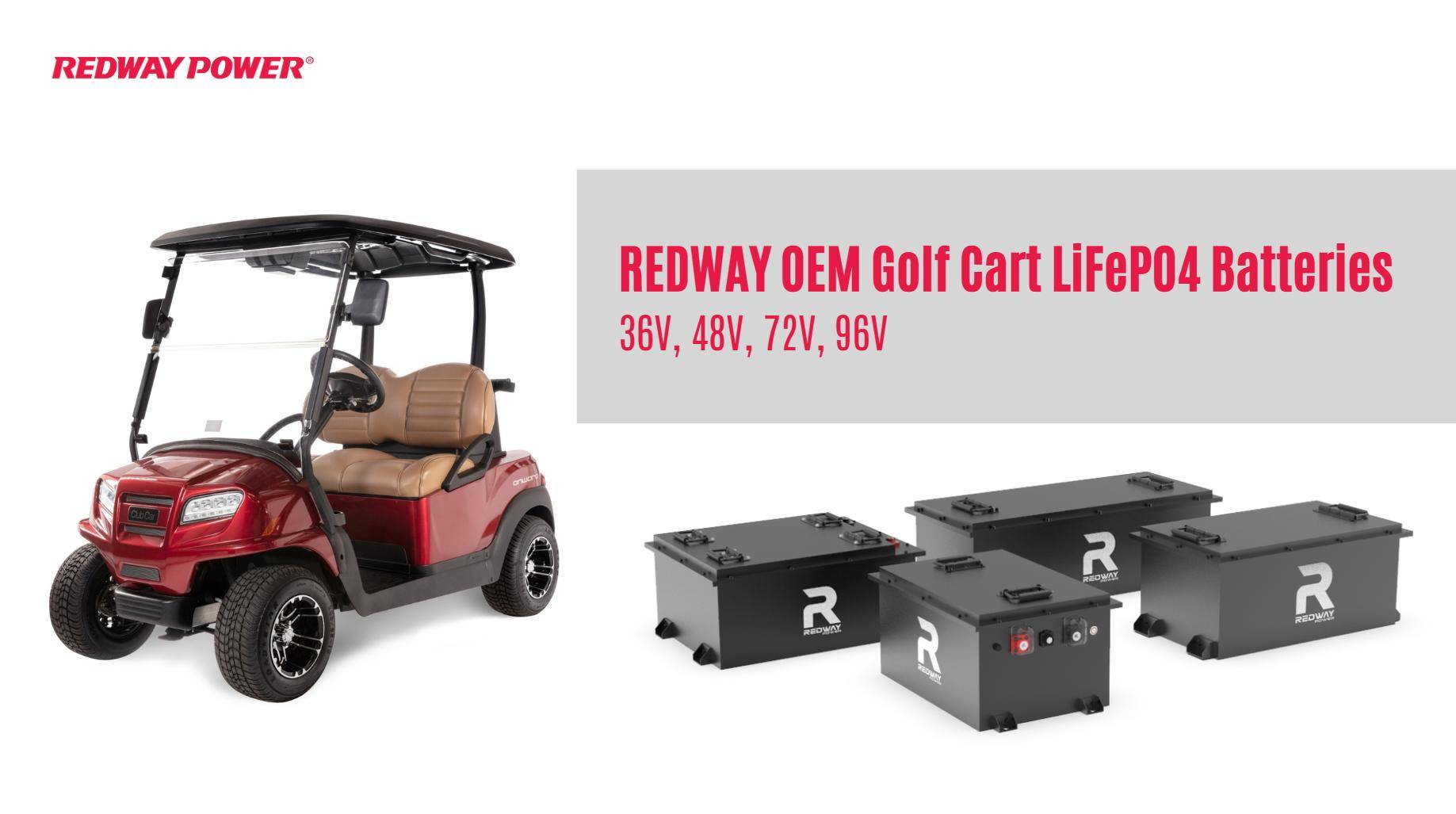
OEM LiFePO4 golf cart batteries are custom-designed lithium iron phosphate power systems manufactured by original equipment manufacturers (OEMs) to meet specific performance, size, and durability requirements. These batteries offer longer lifespans, faster charging, and enhanced safety compared to lead-acid alternatives, making them ideal for golf carts requiring reliable, high-efficiency energy storage.
How Do LiFePO4 Batteries Outperform Traditional Golf Cart Batteries?
LiFePO4 batteries provide 3-5x longer cycle life (2,000-5,000 cycles), 50% lighter weight, and 95%+ energy efficiency versus lead-acid batteries. They maintain stable voltage output during discharge, ensuring consistent power delivery. Unlike lead-acid, they don’t require watering, emit no harmful gases, and perform optimally in temperatures from -20°C to 60°C.
Which Customization Options Exist for OEM LiFePO4 Golf Cart Batteries?
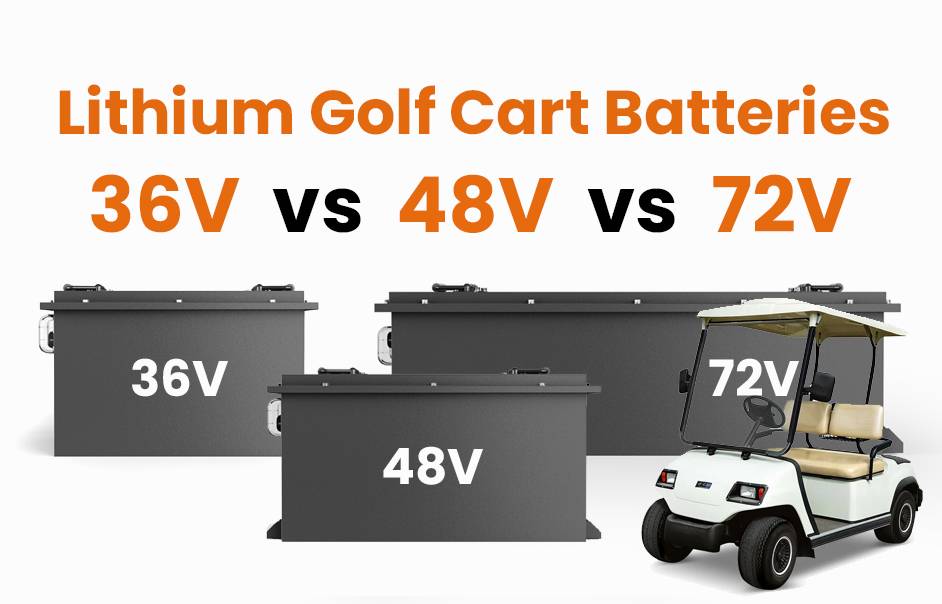
OEMs offer tailored voltage configurations (36V, 48V, 72V), compact form factors for unique cart designs, integrated battery management systems (BMS), and modular scalability. Custom terminals, housings, and communication protocols (CAN bus, Bluetooth) ensure compatibility with specific golf cart electronics and charging infrastructure.
For specialized applications, OEMs can design batteries with reinforced casings for off-road use or integrate heating elements for sub-zero environments. Modular systems allow operators to expand capacity by adding battery packs in parallel, ideal for extended-range requirements. Custom communication protocols enable seamless integration with solar charging stations or fleet telematics, while proprietary terminal designs prevent incorrect installation. Recent innovations include swappable cartridge-style batteries for rapid replacement in commercial settings, reducing downtime during peak usage hours.
Why Choose LiFePO4 Chemistry for Golf Cart Applications?
LiFePO4’s inherent thermal stability minimizes fire risks, while its high energy density (90-160 Wh/kg) maximizes runtime. The chemistry resists capacity degradation during partial charging, making it ideal for frequent stop-start usage. Its low self-discharge rate (3% monthly) preserves charge during seasonal storage.
How Does BMS Technology Enhance OEM LiFePO4 Battery Performance?
Advanced BMS units monitor cell balancing, temperature, and state-of-charge while preventing overcharge/over-discharge. Smart BMS versions enable real-time diagnostics via mobile apps, predictive maintenance alerts, and adaptive charging algorithms that prolong cell life by 15-20%. Some systems integrate GPS for fleet management optimization.
Modern BMS solutions employ machine learning to analyze usage patterns, automatically adjusting charge rates based on historical data. For example, a golf course with morning peak usage might see its BMS prioritize overnight charging at optimal temperatures. Multi-layer protection circuits instantly isolate faulty cells while maintaining system voltage, crucial for maintaining power during tournaments. Advanced BMS units also track depth-of-discharge (DoD) across cycles, dynamically adjusting cell balancing to minimize wear. Third-party integration capabilities allow course managers to monitor entire fleets through centralized dashboards, predicting battery replacements before failures occur.
What Safety Certifications Govern OEM LiFePO4 Golf Cart Batteries?
Top-tier OEM batteries comply with UN38.3 (transport), UL 2580 (automotive), and IEC 62619 (industrial) standards. Certifications validate crash safety, thermal runaway prevention, and environmental resilience. Reputable manufacturers provide IP67-rated waterproofing and 12-year performance warranties.
How to Calculate ROI When Switching to OEM LiFePO4 Systems?
Factor in 70% reduced energy costs, 90% lower maintenance expenses, and 8-10-year replacement cycles. A 48V 100Ah LiFePO4 battery saves $1,200+ annually versus lead-acid. Fast charging cuts downtime, increasing cart availability for commercial operators. Many regions offer green energy tax incentives.
| Cost Factor | LiFePO4 | Lead-Acid |
|---|---|---|
| Lifespan | 8-10 years | 2-4 years |
| Cycle Count | 2,000-5,000 | 500-1,000 |
| Annual Maintenance | $20 | $200 |
Expert Views
Modern LiFePO4 OEM solutions are revolutionizing golf cart fleets. Our clients report 40% operational cost reductions and 300% uptime improvements. The real game-changer is adaptive BMS tech – it learns usage patterns to optimize charge cycles, effectively making batteries ‘self-aware’ for maximum longevity.” – Senior Engineer, Global Battery Solutions Inc.
FAQs
- Q: Can LiFePO4 batteries retrofit older golf carts?
- A: Yes – OEMs provide retrofit kits with voltage converters and mounting adapters for seamless integration.
- Q: Do LiFePO4 batteries require special chargers?
- A: While compatible with most modern chargers, OEM-recommended units optimize charging via algorithm synchronization.
- Q: How handle end-of-life LiFePO4 disposal?
- A: Certified OEMs offer take-back programs, recycling 98% of materials. LiFePO4 lacks toxic heavy metals, simplifying eco-friendly disposal.
Know more:
What Are OEM LiFePO4 Golf Cart Battery Solutions?
What Defines an Integrated Battery System for Golf Carts?
Are LiFePO4 Batteries Compatible With All Golf Cart Models?
How Can Smart Charging Prolong LiFePO4 Golf Cart Battery Lifespan?
Is Retrofitting Golf Carts with LiFePO4 Batteries Worth the Cost?
How to Install and Maintain LiFePO4 Batteries in Golf Carts?