Blog
What Are the Latest Innovations in Battery Technology for 2025?

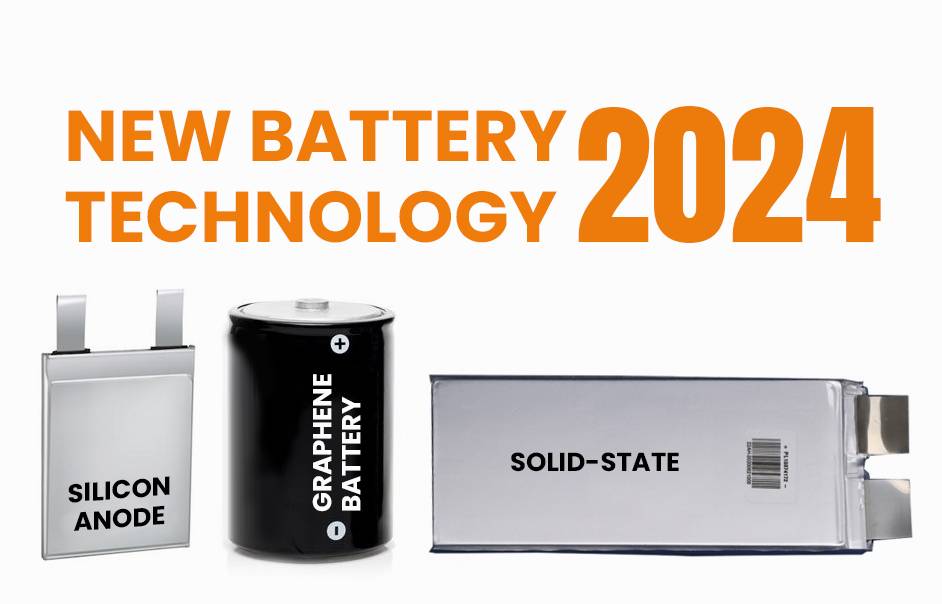
The latest battery technology innovations in 2025 focus on breakthroughs that enhance energy density, safety, charging speed, sustainability, and cost-effectiveness. Key advancements include solid-state batteries with ceramic or polymer electrolytes offering higher energy density and safer operation; novel chemistries like lithium tungsten and lithium manganese-rich batteries improving capacity and durability; and modular designs allowing rapid battery swapping and recycling. These innovations are paving the way for wider electric vehicle adoption, efficient grid storage, and safer consumer electronics.
What Are the Key Features of Emerging Solid-State Batteries?
Solid-state batteries replace traditional liquid electrolytes with solid materials such as ceramics or polymers, boosting energy density to 350–700 Wh/kg compared to 150–300 Wh/kg in conventional lithium-ion batteries. They offer enhanced safety by eliminating flammable electrolytes, faster charging (12–15 minutes to 80% charge), longer cycle life (up to 100,000 miles for EVs), and wider operating temperature ranges. Despite higher current costs ($800–$1200 per kWh), ongoing research aims to scale and reduce expenses for commercial viability.

How Are New Battery Chemistries like Lithium Tungsten and Lithium Manganese-Rich Transforming Performance?
Innovations such as nano-structured lithium tungsten anodes (NanoBolt technology) create highly porous networks that facilitate faster ion transport and higher storage capacity. Lithium manganese-rich (LMR) cathodes enhance durability and energy density by incorporating manganese in higher proportions, improving cycle life and thermal stability. These chemistries represent promising avenues for automotive and stationary energy storage by offering extended lifespan, safer operation, and cost reductions.
What Advances Are Being Made in Safer and Longer-Lasting Electrolytes?
Next-generation electrolytes such as organosilicon liquids and gold nanowire gel electrolytes significantly enhance battery safety and longevity. Organosilicon electrolytes reduce flammability and can be fine-tuned molecularly, making them suitable for consumer, military, and industrial applications. Gold nanowire gel electrolytes provide remarkable resilience and stability, demonstrated by durability beyond 200,000 charge cycles—substantially exceeding typical lithium-ion lifetimes. Quasi-solid-state designs blend solid and liquid phases to maintain ionic conductivity and fire safety.
How Is Modular Battery Design and Swapping Revolutionizing Charging?
Innovative approaches like TankTwo’s String Cell™ modular batteries consist of independent, self-organizing cells that can be rapidly swapped at service stations. This overcomes the bottleneck of long EV charging times by enabling quick exchange of depleted cells for fully charged ones, potentially reducing downtime from hours to minutes. Integration of internal processing units ensures safe and efficient cell management during this rapid swapping process.
What Role Do Quantum and Paper-Based Battery Technologies Play?
Quantum batteries leverage controlled dephasing to utilize quantum states for ultra-fast energy storage and release, promising orders-of-magnitude improvements in charging speeds, although still emerging from theoretical and experimental stages. Simultaneously, sustainable paper-based batteries introduce biodegradable, flexible electrodes suitable for low-cost, low-power disposable electronics, minimizing environmental impact while expanding applications in wearables and smart packaging.
How Are Recycling Innovations Impacting Battery Sustainability?
Recycling technologies are evolving to recover valuable materials more effectively from end-of-life batteries. Enhanced extraction processes and circular economy models reduce resource depletion and lower battery production costs. Battery designs are increasingly adopting considerations for recyclability and second-life applications, supporting global sustainability and long-term energy strategy goals.

Innovation Summary Chart for 2025 Battery Technologies
| Innovation Type | Key Benefits | Current Challenges | Typical Applications |
|---|---|---|---|
| Solid-State Batteries | Higher energy density, safer | High production costs, scale-up | EVs, grid storage |
| Lithium Tungsten Anodes | Faster charging, higher capacity | Material synthesis complexity | Automotive, stationary power |
| Lithium Manganese-Rich Cathodes | Improved cycle life and safety | Cathode stability and cost | EV batteries |
| Organosilicon/Gel Electrolytes | Reduced flammability, longevity | Cost and commercial readiness | Consumer electronics, EVs |
| Modular Swappable Cells | Quick charging, flexible use | Standardization, infrastructure | EV fleet, shared mobility |
| Quantum Batteries | Ultra-fast charging potential | Experimental, early-stage | Future consumer electronics |
| Paper-Based Batteries | Biodegradable, low-cost | Limited power density | Disposable wearables |
How Are Companies Like Redway Power Driving These Innovations?
Redway Power, with over 13 years of OEM lithium battery expertise and ISO 9001:2015 certification, integrates cutting-edge chemistries and advanced manufacturing execution systems (MES) to produce customized lithium battery packs. They focus on enhancing energy density, improving battery safety with robust Battery Management Systems (BMS), and extending lifecycle for applications spanning forklifts, golf carts, marine vessels, and telecom equipment. Their innovation efforts align with emerging technologies to deliver reliable, scalable, and sustainable energy solutions.
How Will These Innovations Affect the Future of Electric Vehicles and Renewable Energy Storage?
Enhanced battery energy density and safety from solid-state and advanced chemistries will significantly improve EV driving ranges while reducing charging times. Modular and swappable battery architectures will transform refueling models, increasing convenience and vehicle utilization. Improved electrolytes and recycling methods will decrease environmental impact, supporting clean energy transitions. Together, these advances promise greater adoption of renewable energy technologies and smarter energy management systems worldwide.
Redway Power Expert Views
“In 2025, the battery landscape is undergoing a profound transformation driven by breakthroughs in solid-state designs, novel chemistries, and modular architectures. Redway Power is committed to harnessing these innovations through precise OEM battery pack engineering, advanced BMS integration, and top-tier production standards. Our goal is to empower clients with safer, longer-lasting, and higher-performance batteries tailored for the expanding mobility and energy storage markets.”
— Chief Technical Officer, Redway Power
Conclusion
The latest 2025 battery innovations focus on integrating safer solid-state electrolytes, advanced lithium-metal and manganese-rich chemistries, modular battery swapping concepts, and sustainability through recycling and quantum technologies. These innovations collectively promise to address the limitations of current lithium-ion batteries—enhancing energy storage capacity, safety, lifespan, and charging speed, while reducing costs and environmental impact. Pioneering companies like Redway Power are at the forefront, bringing these technologies from research labs into practical OEM battery solutions critical for a sustainable energy future.
FAQs
Q: What battery technology offers the highest energy density in 2025?
A: Solid-state batteries with ceramic or polymer electrolytes deliver up to 700 Wh/kg.
Q: How do modular battery cells improve charging?
A: They enable rapid swapping of battery units, reducing EV charging times from hours to minutes.
Q: Are quantum batteries commercially available?
A: No, they remain primarily in research and experimental stages but show promise for ultra-fast charging.
Q: What makes organosilicon electrolytes safer than traditional ones?
A: Their molecular composition reduces flammability and improves stability at high temperatures.
Q: How does Redway Power support new battery technologies?
A: By integrating advanced chemistries, precise manufacturing processes, and robust BMS for reliable, high-performance OEM battery packs.