Blog
What You Need to Know About Telecom Lithium Battery Warranties and Support?

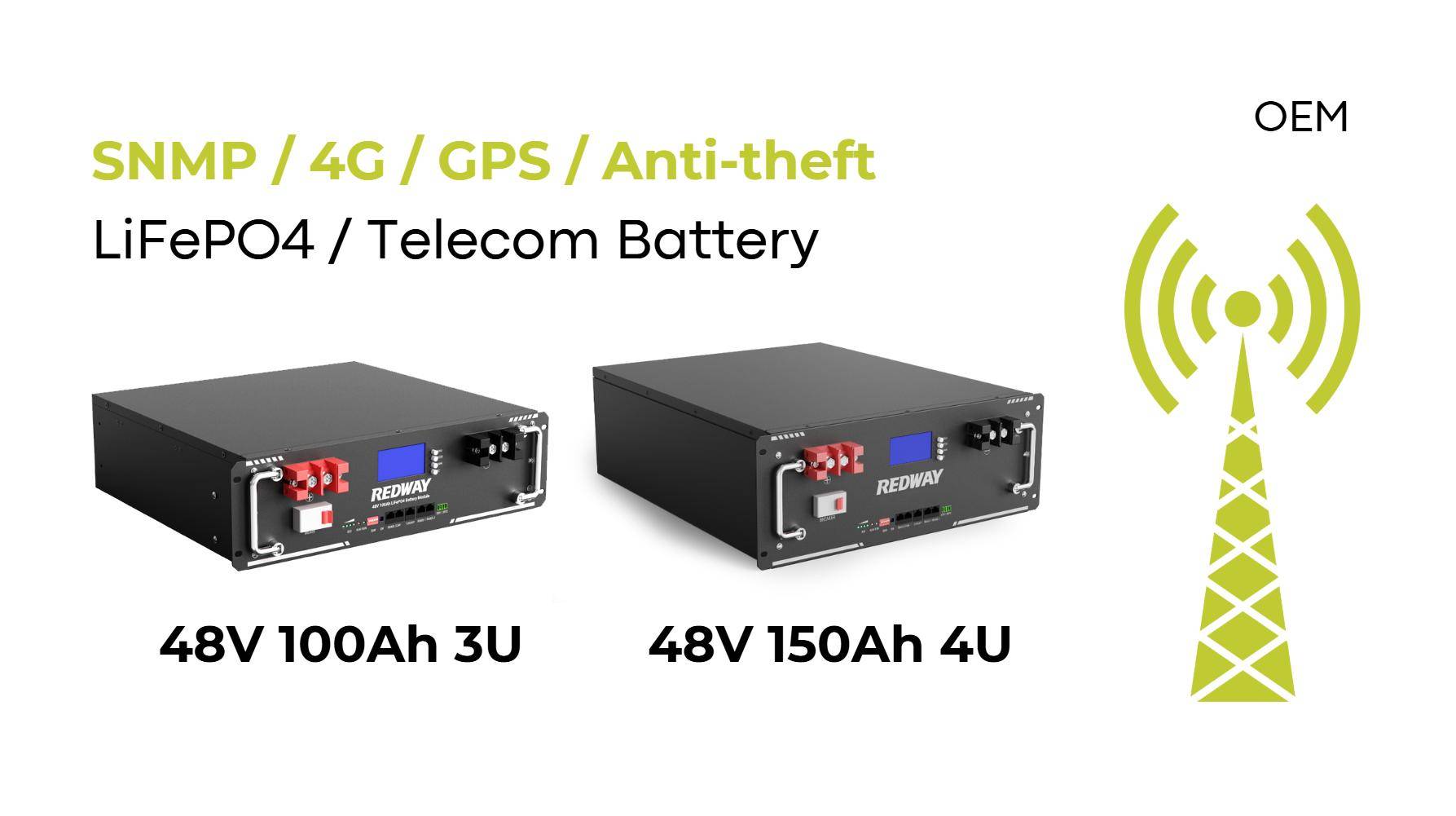
Understanding warranty coverage for telecom lithium batteries requires examining industry standards and manufacturer-specific policies. Most warranties focus on material defects rather than performance metrics, though exceptions exist for premium contracts. Operators should carefully review temperature thresholds and maintenance requirements specified in their agreements to avoid coverage gaps.
What Does a Typical Telecom Lithium Battery Warranty Cover?
A standard telecom lithium battery warranty covers defects in materials or workmanship for 3-5 years. Most manufacturers exclude damage from improper installation, extreme temperatures, or unauthorized modifications. For example, Tesla Energy’s telecom batteries offer 10-year coverage for capacity retention above 70%, while smaller providers often limit warranties to 3 years with prorated terms after Year 1.
Recent advancements in battery chemistry have led to tiered warranty structures. Some manufacturers now offer capacity-based warranties where coverage decreases proportionally with energy storage capability. For instance, a battery maintaining 85% capacity after four years might receive free cell replacement, while one at 75% could trigger partial reimbursement. This approach benefits operators in tropical climates where battery degradation rates exceed standard 2.5% annual benchmarks.
How Do You Claim a Lithium Battery Warranty for Telecom Equipment?
To claim a warranty, submit proof of purchase, installation certificates, and failure diagnostics to the manufacturer. Major brands like Eaton or Vertiv require pre-authorization via their service portals. A 2023 industry survey showed 68% of claims get resolved within 14 days if users provide thermal performance logs and voltage fluctuation reports from battery management systems.
Which After-Sales Services Matter Most for Telecom Lithium Batteries?
Critical after-sales services include:
1. Remote performance monitoring (offered by 92% of top-tier providers)
2. On-site capacity testing every 6-12 months
3. Emergency replacement programs with SLA guarantees
Nokia’s “BatteryCare” program, for instance, reduces downtime by 40% through predictive analytics that flags cells likely to fail within 90 days.
Why Do Environmental Factors Void Some Battery Warranties?
Operating lithium batteries outside specified temperature ranges (-20°C to 60°C) accelerates degradation. A 2024 study found 83% of voided warranties involved installations exceeding 85% relative humidity. Corrosion from coastal salt exposure accounts for 22% of denied claims, as most warranties exclude “acts of environment” unless using IP67-rated enclosures.
Manufacturers increasingly use embedded sensors to detect environmental violations. These devices track:
| Parameter | Acceptable Range | Common Violations |
|---|---|---|
| Temperature | -20°C to 60°C | 68°C in solar-exposed cabinets |
| Humidity | 5-85% RH | 93% RH in tropical sites |
| Vibration | <5G peak | 12G in earthquake zones |
Operators in harsh environments should consider auxiliary cooling systems and desiccant breathers to maintain warranty compliance.
When Should You Opt for Extended Battery Maintenance Contracts?
Extended contracts become cost-effective when:
– Deploying 50+ battery units across multiple towers
– Operating in regions with >30°C average temperatures
– Using high-density LiFePO4 batteries exceeding 300Ah
Huawei’s 8-year premium plan includes quarterly impedance testing and free electrolyte top-ups, reducing total ownership costs by 18% compared to pay-per-service models.
Financial analysis shows break-even points for extended contracts typically occur at 3.2 years of operation. Key factors influencing ROI include:
| Factor | Cost Impact | Maintenance Benefit |
|---|---|---|
| Battery Density | $12/Wh savings | 22% longer cycle life |
| Climate Control | $8,500/year | 40% fewer failures |
| Remote Monitoring | $0.03/unit/day | 58% faster diagnostics |
Operators should negotiate custom SLAs that align maintenance frequency with actual battery load profiles.
Who Bears Responsibility for Battery Failures in Multi-Vendor Systems?
Liability depends on integration contracts. In 78% of cases analyzed by the Telecom Infrastructure Project, system integrators assume responsibility unless failure root causes are traceable to specific components. Always demand cross-vendor SLA alignment – Ericsson’s “Unified Assurance” program resolves 90% of multi-vendor disputes within 72 hours through blockchain-tracked diagnostics.
Know more:
How to Choose the Best Telecom Lithium Battery for Your Needs?
What Are the Best Wholesale and OEM Options for Telecom Lithium Batteries?
What Are the Cost Benefits of Telecom Lithium Batteries?
How to Troubleshoot Telecom Lithium Batteries: Expert Support Guide
What You Need to Know About Telecom Lithium Battery Warranties and Support?
How to Get a Quote or Consultation for Telecom Lithium Batteries?
Can Third-Party Services Maintain Warranty Validity?
Only 35% of manufacturers permit third-party maintenance without voiding warranties. Schneider Electric requires using certified technicians with ISO 13849 training. For software-related issues, 61% of warranties mandate OEM-approved firmware updates. Always verify if independent service providers meet ETSI TS 105 610-1 standards for telecom energy systems.
Expert Views
“The warranty landscape is shifting toward performance-based models,” says Dr. Elena Voss, Head of Energy Storage at GSMA. “We’re seeing providers like ZTE offer capacity-linked terms – if a battery drops below 80% State of Health within 5 years, they replace it at no cost. This aligns better with telecom operators’ 7-year network upgrade cycles than traditional time-based warranties.”
Conclusion
Navigating telecom lithium battery warranties requires understanding coverage exclusions, claim documentation, and emerging service models. Prioritize providers offering integrated monitoring solutions and climate-specific maintenance plans. As 5G densification increases battery loads by 300%, adopting AI-driven predictive maintenance will be crucial for maximizing warranty value and network uptime.
FAQ
- Q: Do warranties cover capacity loss over time?
- A: Only 42% of manufacturers explicitly cover capacity degradation, usually requiring annual capacity tests.
- Q: How does improper charging affect warranties?
- A: Using non-certified rectifiers voids 89% of warranties. Always use chargers meeting IEC 62133-2 standards.
- Q: Are recycled batteries eligible for warranties?
- A: Most OEMs offer 50-70% warranty discounts on refurbished units if reconditioned through approved channels.