Blog
How to Troubleshoot Telecom Lithium Batteries: Expert Support Guide

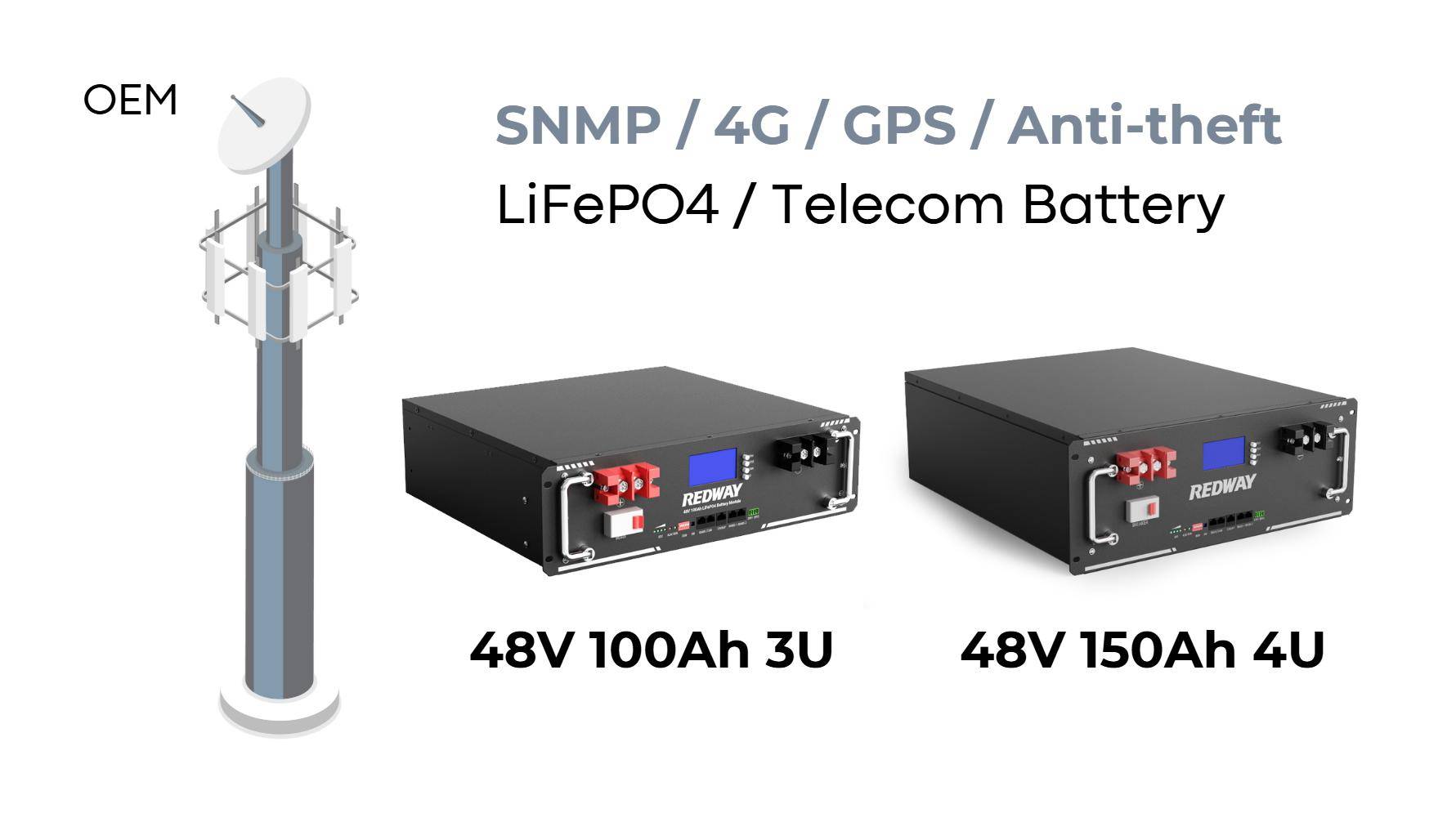
Telecom lithium batteries require systematic diagnostics for issues like voltage fluctuations, temperature sensitivity, or capacity loss. Key steps include checking connections, monitoring charge cycles, and ensuring firmware updates. Regular maintenance and adherence to manufacturer guidelines prevent 80% of operational failures. For persistent issues, consult certified technicians or replace faulty cells promptly.
What Are Common Telecom Lithium Battery Installation Issues?
Improper installation causes 30% of telecom battery failures. Ensure terminals are corrosion-free, torque settings match specifications, and ventilation complies with safety standards. Misaligned busbars or loose connectors trigger voltage drops. Always use insulated tools and verify polarity before activation. For modular systems, confirm parallel/series configurations align with load requirements.
Why Do Telecom Lithium Batteries Overheat During Operation?
Overheating stems from excessive current draw, ambient temperatures above 45°C, or faulty Battery Management Systems (BMS). Deploy thermal sensors to monitor hotspots. If temperatures exceed 60°C, initiate shutdown protocols. Replace swollen cells immediately—thermal runaway risks increase by 200% beyond this threshold. Opt for passive cooling systems in high-density telecom setups.
Extended overheating often correlates with inadequate airflow design in battery cabinets. Telecom sites in tropical regions should install auxiliary fans or liquid cooling plates between battery modules. A 2023 industry study revealed that active thermal management systems reduce peak operating temperatures by 18°C compared to passive solutions. Consider these cooling methods:
| Cooling Type | Temperature Reduction | Energy Draw |
|---|---|---|
| Passive (Heat Sinks) | 5-8°C | 0W |
| Active (Forced Air) | 12-15°C | 45W |
| Liquid Cooling | 18-22°C | 120W |
How to Diagnose Rapid Capacity Loss in Lithium Telecom Batteries?
Capacity degradation beyond 20% per year signals deep discharge cycles or sulfation. Use impedance spectroscopy to identify weak cells. Recalibrate the BMS monthly and avoid discharges below 2.5V/cell. For systems in float mode, apply equalization charges quarterly. Replace packs showing >30% internal resistance increase.
Can Firmware Updates Resolve BMS Communication Errors?
Outdated firmware causes 25% of BMS communication failures. Download manufacturer-specific patches to resolve CAN bus errors or RS485 protocol mismatches. Reset the BMS post-update and validate data logging functions. For legacy systems, consider hardware upgrades if software fixes are unavailable.
What Safety Protocols Prevent Lithium Battery Thermal Runaway?
Implement UL 1973-certified containment cabinets with flame-retardant materials. Install smoke detectors and Class D fire extinguishers within 3 meters of battery racks. Train staff to recognize venting sounds or electrolyte odors. Quarterly infrared inspections detect early thermal anomalies. Isolate compromised cells within 15 seconds using automated disconnect relays.
Know more:
How to Choose the Best Telecom Lithium Battery for Your Needs?
What Are the Best Wholesale and OEM Options for Telecom Lithium Batteries?
What Are the Cost Benefits of Telecom Lithium Batteries?
How to Troubleshoot Telecom Lithium Batteries: Expert Support Guide
What You Need to Know About Telecom Lithium Battery Warranties and Support?
How to Get a Quote or Consultation for Telecom Lithium Batteries?
How Does Temperature Cycling Impact Lithium Battery Lifespan?
Daily temperature swings >15°C accelerate cathode degradation by 40%. Use climate-controlled enclosures maintaining 20–25°C. For outdoor sites, install sunshades and phase-change material insulation. Cycle batteries at 0.2C rates in extreme cold to prevent lithium plating. Annual capacity tests are mandatory for units exposed to sub-zero conditions.
Repeated expansion/contraction of electrode materials during temperature cycles creates micro-cracks in the battery’s internal structure. This phenomenon, called “electrochemical fatigue,” permanently reduces lithium-ion mobility. Telecom operators in desert environments report 28% faster capacity fade compared to temperate zones. Mitigation strategies include:
| Temperature Range | Annual Capacity Loss | Recommended Action |
|---|---|---|
| -20°C to +45°C | 25% | Install heating pads |
| +10°C to +30°C | 8% | Standard operation |
| +35°C to +50°C | 32% | Activate cooling systems |
“Modern telecom lithium batteries demand predictive maintenance over reactive fixes. Our data shows AI-driven anomaly detection slashes downtime by 65%. However, 50% of field failures still originate from improper state-of-charge calibration. Integrate cloud-based monitoring with thresholds tailored to your grid’s load profile.” — Senior Engineer, Global Telecom Power Solutions
FAQs: Telecom Lithium Battery Troubleshooting
- Q: How often should telecom lithium batteries be replaced?
- A: Typically after 5–7 years or 2,000 cycles, whichever comes first. Conduct annual capacity tests after Year 3.
- Q: Can lithium and lead-acid batteries be used together?
- A: No—mixed chemistries cause unbalanced charging and safety hazards. Use dedicated hybrid systems with approved interfaces.
- Q: What voltage indicates a failing telecom battery cell?
- A: Cells deviating ±50mV from pack average require immediate attention. Replace if voltage stays outside 2.7V–3.6V range under load.