Blog
What Are the Benefits of Lithium Batteries in Telecom Solutions

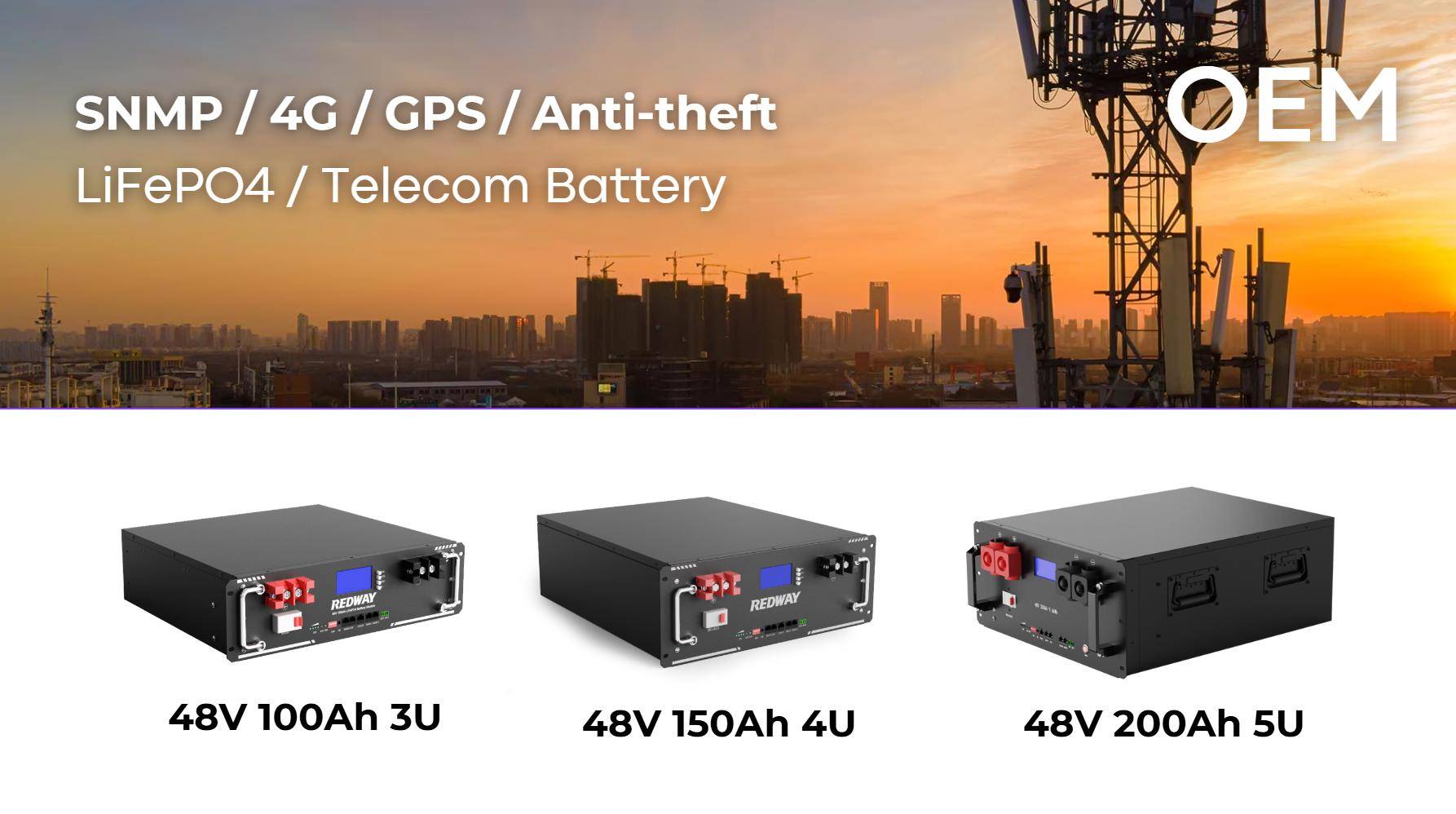
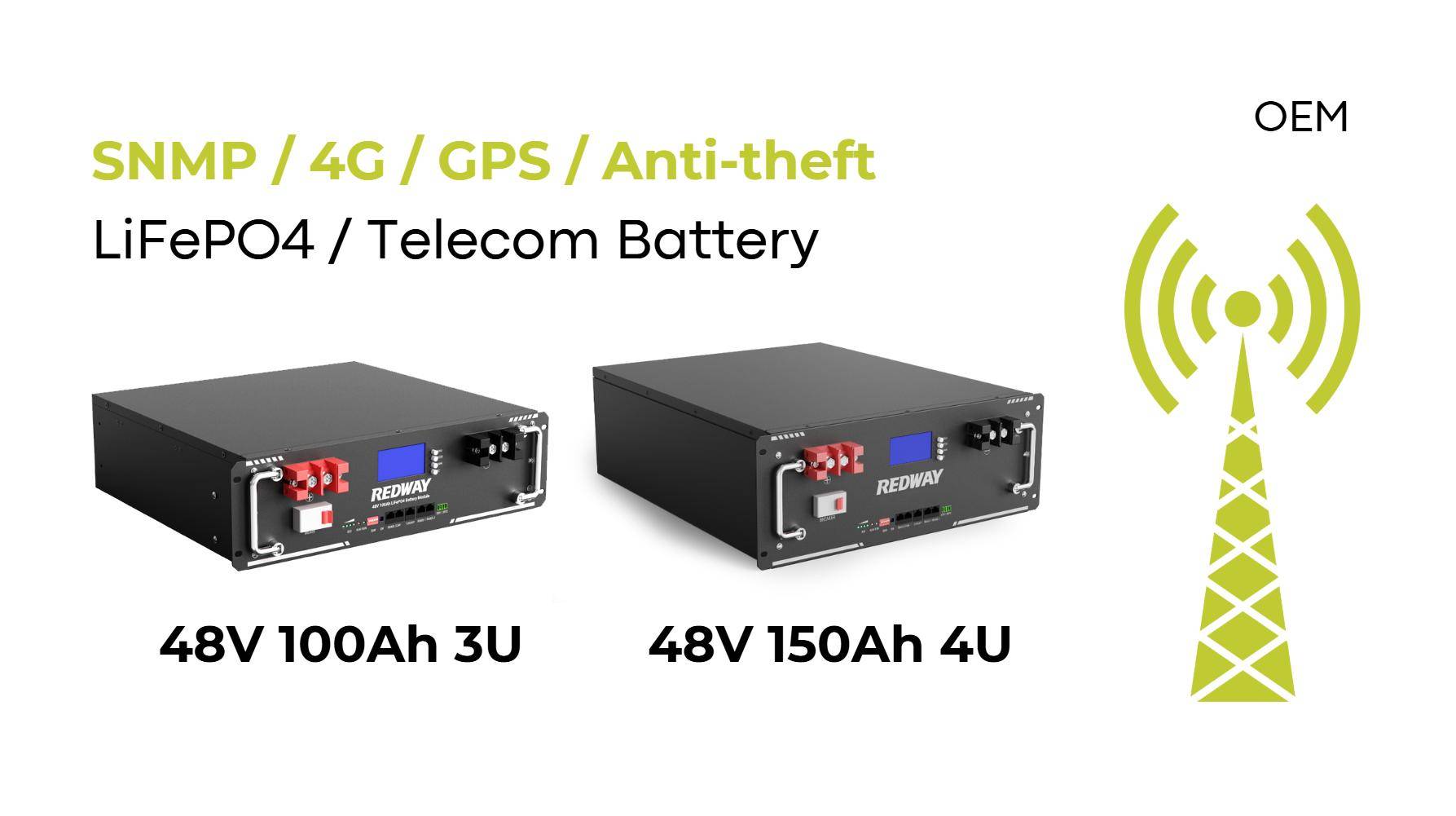
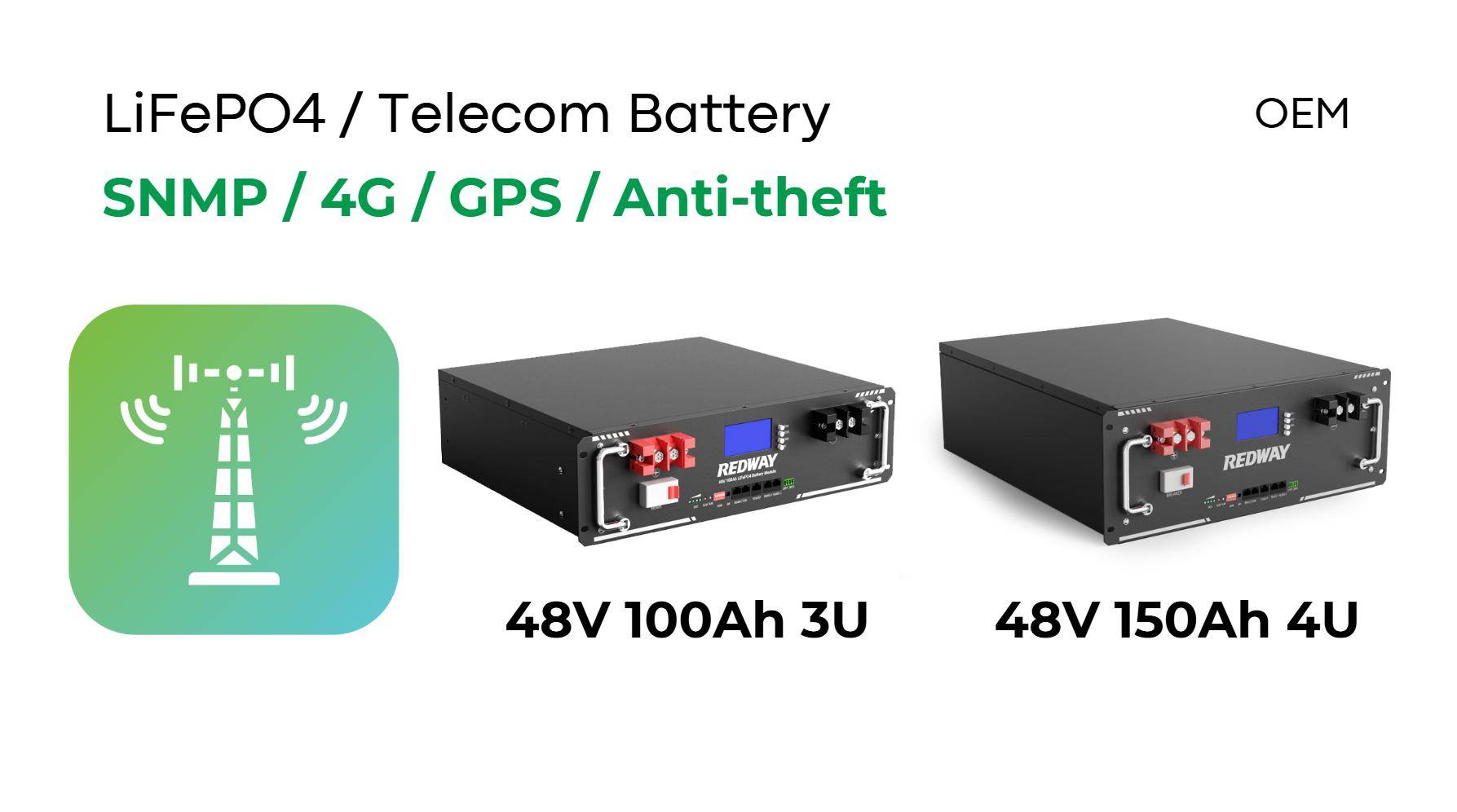
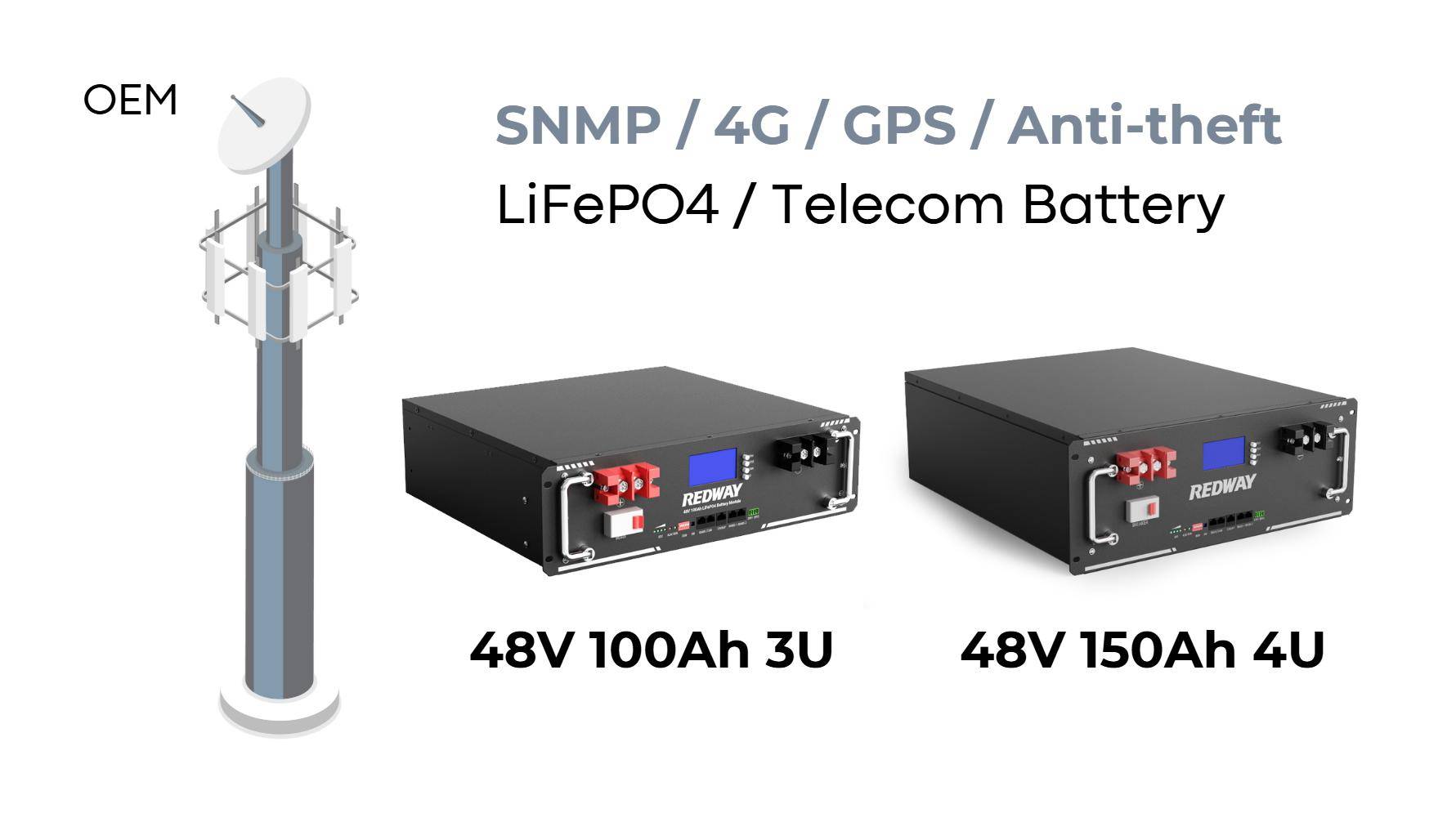
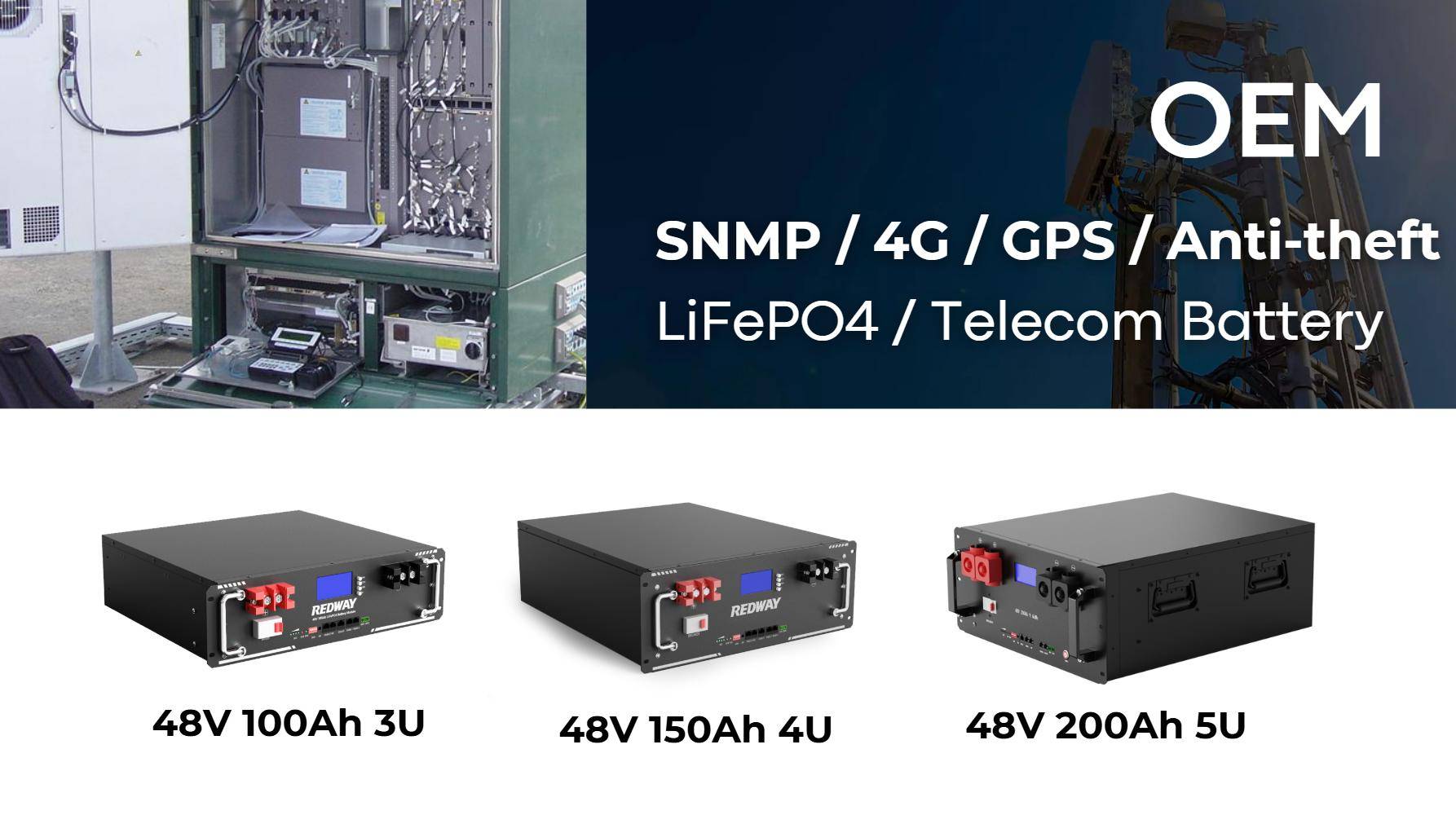
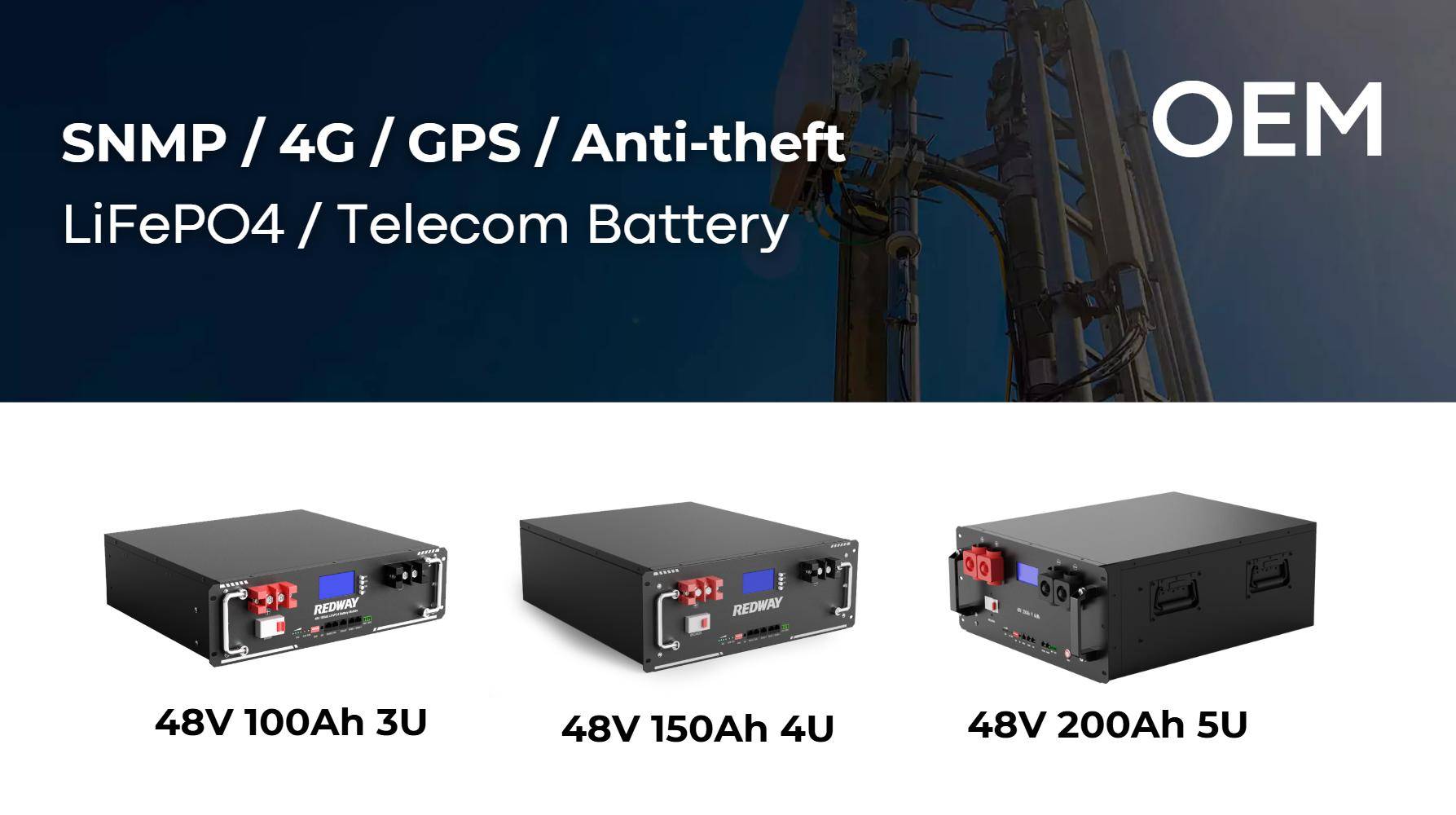
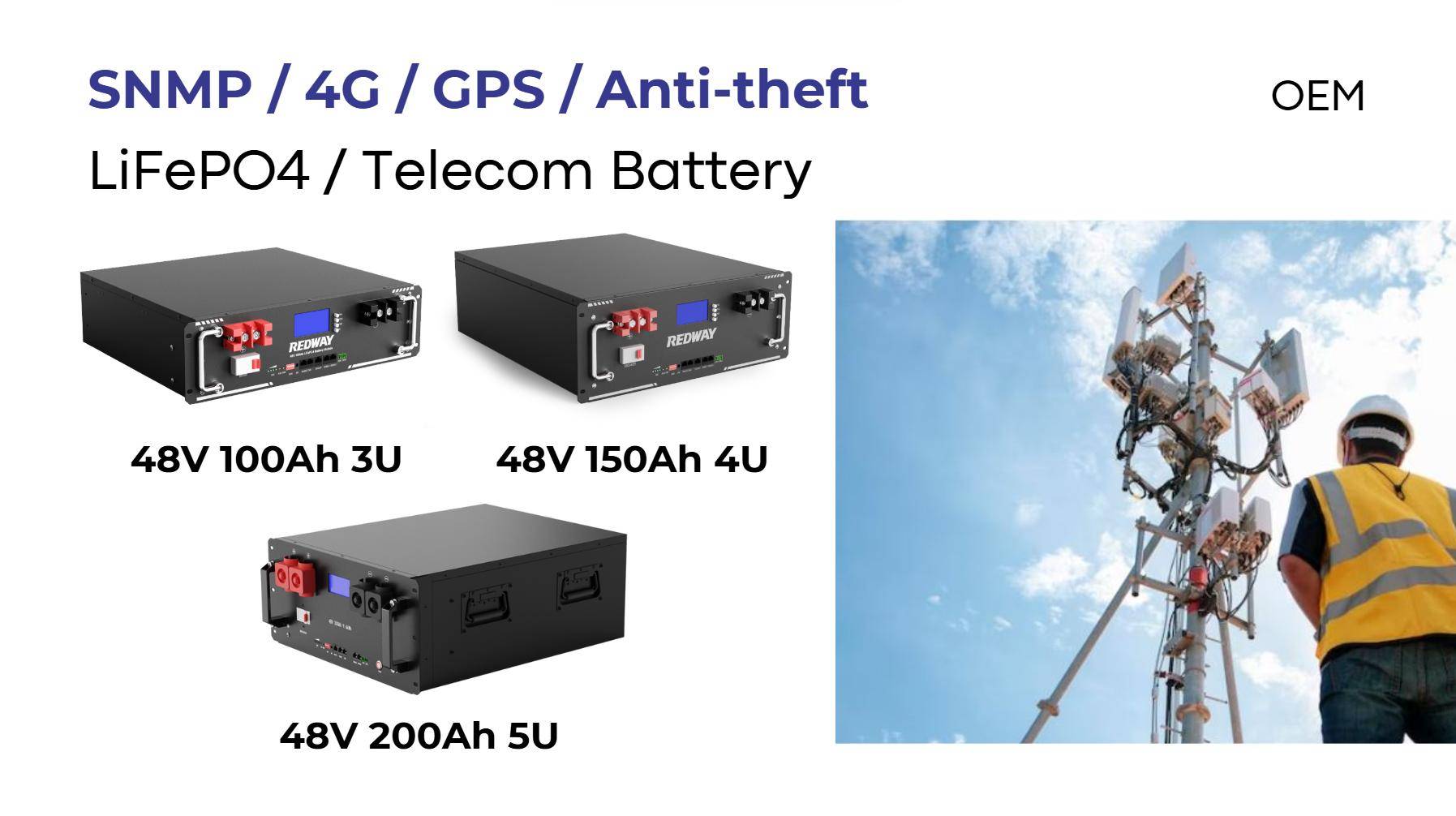
Lithium batteries in telecom solutions provide high energy density, longer lifespan, and reduced maintenance compared to traditional lead-acid batteries. They ensure reliable power backup for cellular towers, data centers, and remote telecom infrastructure, even in extreme temperatures. Their lightweight design and scalability make them ideal for modern, energy-efficient telecom networks.
How Do Lithium Batteries Improve Telecom Network Reliability?
Lithium batteries enhance telecom reliability through rapid charge-discharge cycles and stable voltage output. They withstand temperature fluctuations (-20°C to 60°C) and require no frequent maintenance, reducing downtime. For example, lithium iron phosphate (LiFePO4) batteries offer 5,000+ cycles, ensuring uninterrupted power during outages, critical for 5G networks and emergency communication systems.
Recent field studies show lithium batteries reduce tower site failures by 62% compared to legacy systems. Their adaptive charging profiles prevent sulfation issues common in lead-acid batteries during partial state-of-charge operation. Telecom operators in hurricane-prone regions report 72-hour backup runtime from lithium arrays versus 36 hours with VRLA batteries. Real-time remote monitoring via integrated IoT sensors enables predictive maintenance, cutting service visits by 80%.
What Makes Lithium Batteries More Efficient Than Lead-Acid in Telecom?
Lithium batteries achieve 95% efficiency vs. 80% for lead-acid, reducing energy waste. They occupy 60% less space and weigh 70% less, lowering installation costs. With a 10-15 year lifespan (3x lead-acid), they minimize replacement frequency. Their deep discharge capability (90% DoD) ensures optimal energy use, unlike lead-acid’s 50% DoD limit.
| Parameter | Lithium | Lead-Acid |
|---|---|---|
| Energy Density | 150-200 Wh/kg | 30-50 Wh/kg |
| Cycle Life | 5,000+ | 1,200 |
| Charge Time | 2-4 hours | 8-10 hours |
Which Safety Standards Govern Lithium Batteries in Telecom?
Telecom lithium batteries comply with UL 1973, IEC 62619, and UN38.3 certifications. These standards enforce thermal stability, overcharge protection, and flame-retardant materials. Built-in battery management systems (BMS) prevent overheating and short circuits. For instance, UL 1973 mandates rigorous testing for stationary storage, ensuring safety in densely packed telecom installations.
How Are Lithium Batteries Adapted for Extreme Environmental Conditions?
Lithium telecom batteries use ruggedized enclosures (IP55 rating) and wide-temperature electrolytes. Manufacturers like Eaton integrate self-heating mechanisms for sub-zero operation. In desert climates, passive cooling systems maintain performance at 60°C. These adaptations ensure 99.999% uptime in Arctic fiber-optic nodes or tropical mobile base stations.
What Innovations Are Shaping Future Telecom Battery Solutions?
Solid-state lithium batteries promise 500 Wh/kg density by 2025, doubling current capacity. AI-driven predictive maintenance analyzes voltage trends to forecast failures. Huawei’s SmartLi solution integrates modular batteries with renewable microgrids. Graphene-enhanced anodes enable 15-minute charging, revolutionizing backup power for edge computing data hubs.
Researchers at MIT recently demonstrated self-repairing electrolytes that extend cycle life to 15,000 charges. QuantumScape’s anode-less designs eliminate dendrite formation risks. Nokia Bell Labs is testing hydrogen-lithium hybrid systems providing 7-day autonomy for off-grid towers. These advancements align with ITU’s NetZero directives for telecoms to cut energy use 45% by 2030.
“The shift to lithium in telecom isn’t just about energy—it’s enabling network densification for 6G. A single lithium cabinet now powers what required three lead-acid bays. With smart BMS, operators reduce OPEX by 40% while meeting ESG targets.”
— Dr. Elena Torres, CTO of NextGen Power Systems
Conclusion
Lithium batteries are redefining telecom infrastructure through unmatched efficiency, adaptability, and intelligence. As networks evolve toward Open RAN and satellite-backhaul systems, lithium’s compact footprint and software-defined management will underpin global connectivity. Early adopters report 30% lower TCO over a decade, proving its indispensability in sustainable telecom growth.
FAQs
- Can lithium batteries be retrofitted into existing telecom sites?
- Yes. Most lithium systems use compatible 48V DC architecture. Adapters allow direct replacement of lead-acid racks without infrastructure changes.
- How do lithium batteries handle frequent power fluctuations?
- Advanced BMS modulates input spikes up to 150% rated voltage. Capacitive buffers absorb micro-outages (<2ms), preventing cycle degradation.
- Are lithium telecom batteries recyclable?
- Over 96% of lithium battery components are recyclable. Programs like Redwood Materials recover cobalt, nickel, and lithium for reuse in EV supply chains.