Blog
How Do LiFePO4 Forklift Batteries Reduce Total Cost of Ownership

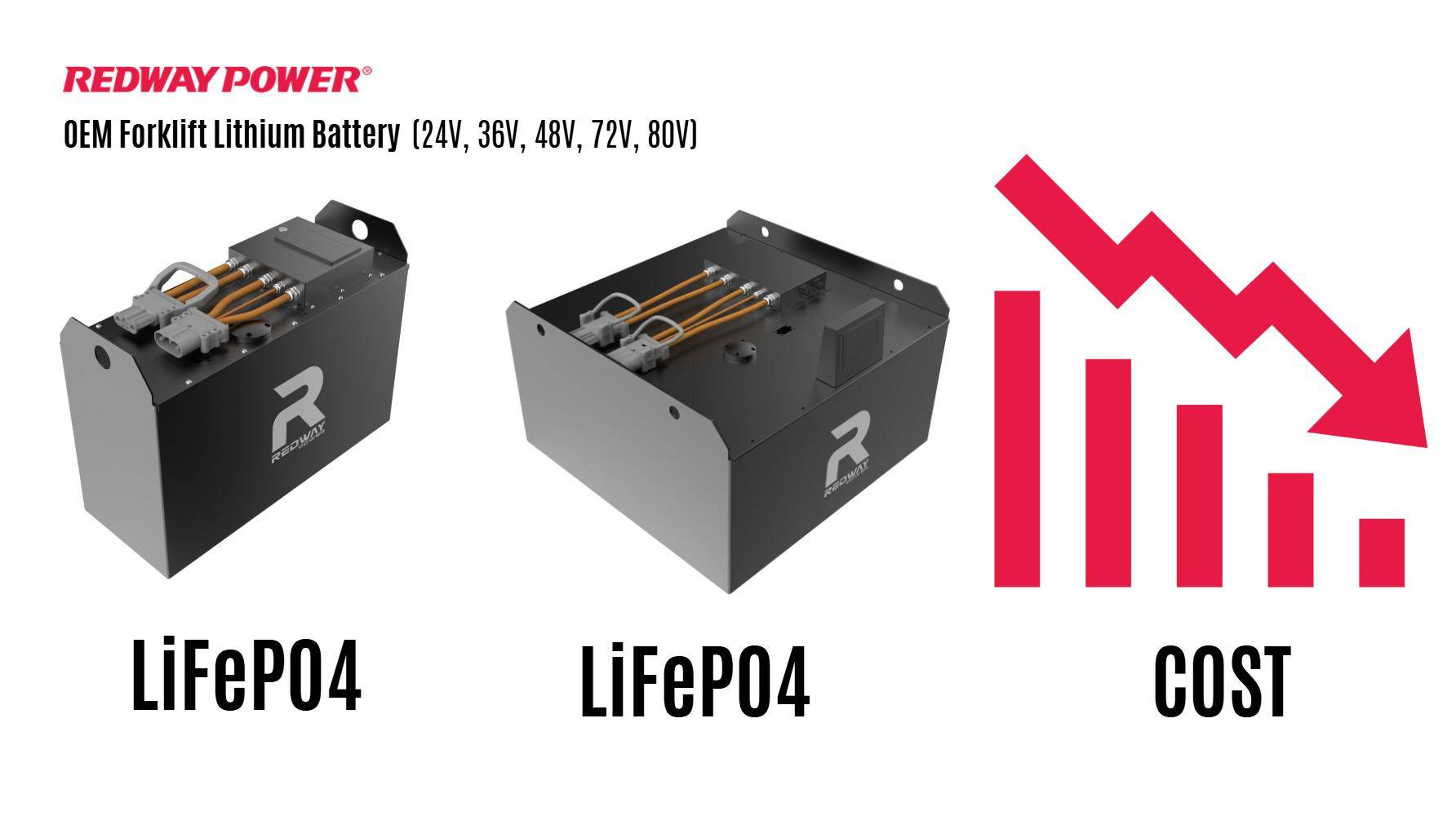
LiFePO4 (lithium iron phosphate) forklift batteries lower total ownership costs through extended lifespans (3-5x longer than lead-acid), reduced maintenance, faster charging, and energy efficiency. Their stable chemistry minimizes degradation, while zero maintenance and partial charging capabilities cut operational expenses. Over time, these factors offset higher upfront costs, delivering 30-50% savings versus traditional batteries.
What Maintenance Costs Do LiFePO4 Batteries Eliminate?
Unlike lead-acid, LiFePO4 requires no watering, acid neutralization, or equalization charges. Automated battery management systems (BMS) prevent overcharging/overheating, eliminating manual voltage checks. A Toyota Logistics study reported 92% lower maintenance labor hours after switching to LiFePO4. No spill containment systems or ventilation upgrades are needed either.
Traditional lead-acid batteries demand weekly water top-ups to prevent plate exposure, consuming 15-30 minutes per battery. LiFePO4’s sealed design eliminates electrolyte evaporation entirely. Facilities also save on neutralizing agents – lead-acid systems require monthly acid spill cleanup costing $200-$500 annually per battery. The BMS continuously monitors cell voltages and temperatures, replacing manual multimeter checks that consume 2-3 hours weekly for a 20-battery fleet. Crown Equipment Corporation reported eliminating $18,000/year in maintenance supplies alone across their 50-battery warehouse operation after transitioning to lithium.
How Do Charging Patterns Affect Total Ownership Costs?
LiFePO4 supports opportunity charging (partial charges during breaks) without capacity loss, reducing downtime. They charge 3x faster than lead-acid – 1-2 hours vs. 6-8 hours. Fast charging cuts energy costs by 18-22% according to NACCO benchmarks. Lead-acid requires full discharges to avoid sulfation, forcing less efficient charging schedules.
| Charging Factor | LiFePO4 | Lead-Acid |
|---|---|---|
| Full Charge Time | 1.5 hours | 8 hours |
| Partial Charging | Supported | Damages Cells |
| Energy Loss as Heat | 5-8% | 15-20% |
Opportunity charging enables shift pattern optimization – warehouses can implement 2-3 short charges during operator breaks instead of dedicated charging shifts. This capability increases forklift utilization rates by 18-25% according to Raymond Corporation’s operational data. Fast charging also reduces energy waste: lithium batteries maintain 93% charge efficiency versus lead-acid’s 80-85%, saving 900-1,200 kWh annually per battery in large fleets.
Can LiFePO4 Batteries Be Recycled Profitably?
Yes. LiFePO4 cells contain no toxic lead or cadmium. 96% of materials (lithium, iron, phosphate, copper) are recoverable. Redway’s recycling program returns 15-20% of initial battery cost through material recovery. Comparatively, lead-acid recycling only recovers 60-80% of materials and involves hazardous smelting processes.
Also check:
Expert Views
“LiFePO4 isn’t just a battery upgrade – it’s operational transformation. Our clients see 40% lower energy draw per pallet moved and 900+ fewer maintenance hours annually. With smart charging integration, some achieve 10-year lifespans. The real value isn’t just cost savings, but eliminating battery-related workflow interruptions entirely.”
— Redway Power Systems Engineer
FAQs
- How many cycles can LiFePO4 forklift batteries handle?
- 3,000-5,000 full cycles (80% depth of discharge) compared to 1,000-1,500 for lead-acid.
- Do LiFePO4 batteries require special chargers?
- Yes – they need lithium-specific chargers with CC/CV profiles. Using lead-acid chargers voids warranties and risks damage.
- Can old lead-acid forklifts use LiFePO4 batteries?
- Most Class I-III forklifts can retrofit LiFePO4 with compatible voltage (24V-80V). Some require BMS communication upgrades.
How do LiFePO4 forklift batteries reduce total cost of ownership?
LiFePO4 forklift batteries reduce total cost of ownership through their longer lifespan, higher energy efficiency, and minimal maintenance. They require no watering, cleaning, or equalizing, cutting labor costs. Their faster charging and opportunity charging capabilities reduce downtime, allowing for fewer battery replacements and lower overall operational costs.
What are the energy efficiency benefits of LiFePO4 forklift batteries?
LiFePO4 forklift batteries have an energy efficiency of over 95%, meaning they convert more energy into usable power compared to lead-acid batteries. This leads to lower electricity consumption and reduced utility bills, ultimately reducing the total cost of ownership by optimizing energy use during operation.
How does opportunity charging impact total cost of ownership?
Opportunity charging allows LiFePO4 batteries to be charged during breaks or short intervals, reducing downtime and the need for multiple batteries. This not only maximizes forklift uptime but also minimizes the costs associated with battery swapping and storing extra batteries, contributing to a lower total cost of ownership.
How does LiFePO4 battery lifespan affect overall costs?
LiFePO4 batteries last two to four times longer than lead-acid batteries, with over 3,000 charge cycles. This extended lifespan significantly reduces the frequency of replacements, lowering both the capital expense and the maintenance costs associated with battery management, leading to a lower total cost of ownership over time.
What role does maintenance play in the cost savings of LiFePO4 forklift batteries?
LiFePO4 forklift batteries require minimal maintenance compared to lead-acid batteries. They don’t require watering, cleaning, or equalizing, which reduces labor costs. Additionally, their longer lifespan reduces the frequency of battery replacements, saving on both labor and material costs, further driving down the total cost of ownership.
How do LiFePO4 batteries improve fleet productivity and cost efficiency?
LiFePO4 batteries increase fleet productivity by reducing downtime, thanks to their faster charging and opportunity charging capabilities. Their low-maintenance design and extended lifespan minimize operational disruptions, while their higher energy efficiency lowers electricity consumption, making them a cost-efficient solution for long-term fleet operations.