Blog
What Makes LiFePO4 Batteries Low Maintenance

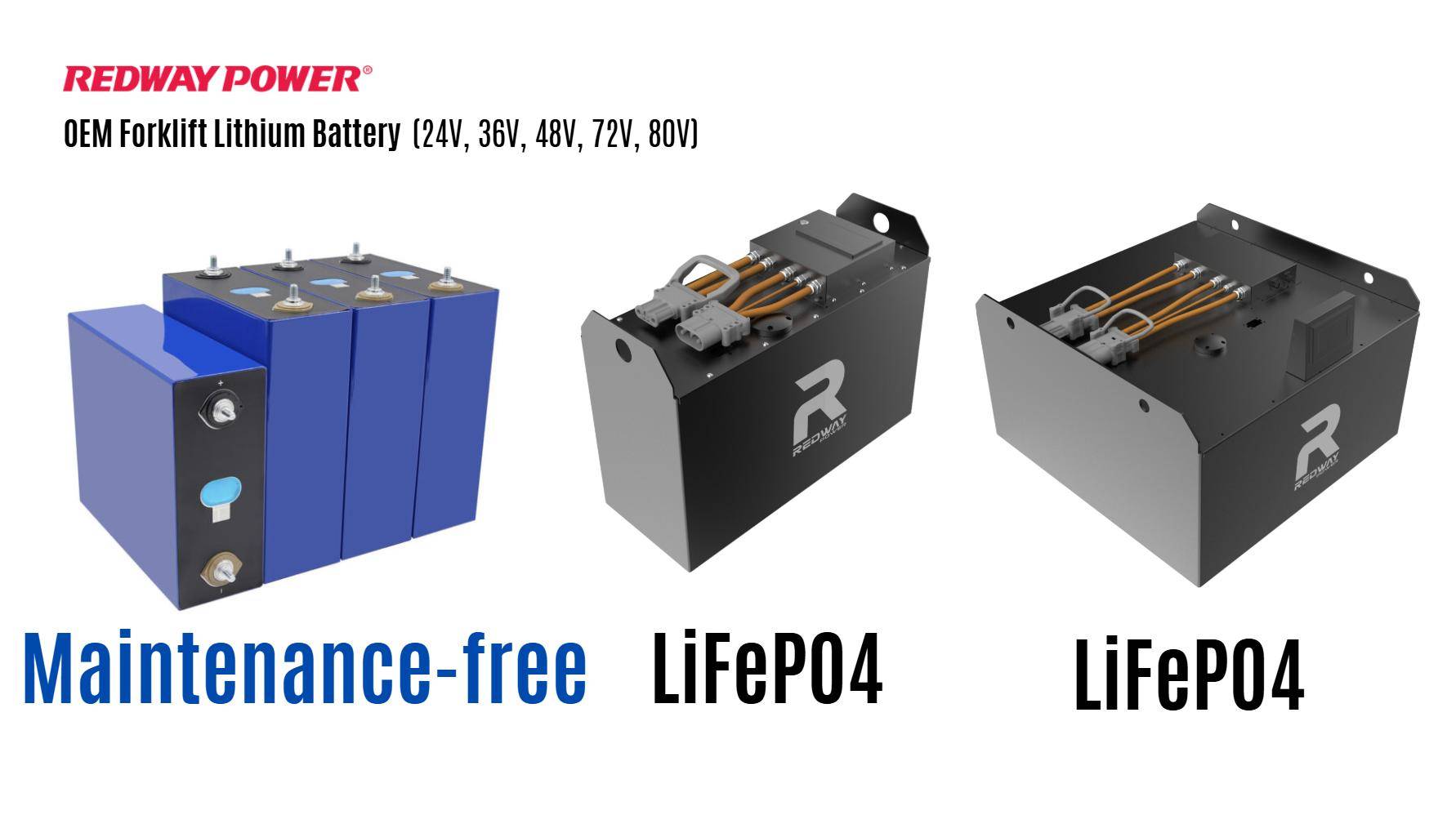
LiFePO4 (lithium iron phosphate) batteries require minimal maintenance due to their stable chemistry, lack of memory effect, and sealed design. Unlike lead-acid batteries, they don’t need regular watering, equalization charges, or terminal cleaning. Their long lifespan (3,000–5,000 cycles) and high efficiency reduce replacement costs and energy waste, saving time and resources.
How Does LiFePO4 Chemistry Reduce Maintenance Needs?
LiFePO4 batteries use non-toxic iron phosphate, which resists thermal runaway and degradation. Their crystalline structure remains stable during charge/discharge, preventing electrolyte breakdown. This eliminates the need for voltage balancing or acid refills, common in lead-acid systems. Built-in Battery Management Systems (BMS) automate cell balancing and temperature control, further reducing manual intervention.
The unique olivine structure of LiFePO4 cathodes minimizes oxidative stress during cycling, a key factor in reducing capacity fade. Unlike nickel-based batteries, they don’t require periodic recalibration through full discharge cycles. Manufacturers have also optimized electrode porosity to enhance ion mobility, which prevents lithium plating even at high charge rates. These advancements allow users to operate the batteries for years without electrolyte testing or terminal corrosion checks.
What Are the Cost Savings of LiFePO4 vs. Traditional Batteries?
LiFePO4 batteries save 40–60% in long-term costs despite higher upfront prices. They last 4–5x longer than lead-acid batteries, reducing replacement frequency. Lower energy loss (95% efficiency vs. 80% for lead-acid) cuts electricity bills. Maintenance costs drop by 90% due to no watering, equalization, or corrosion management. Weight savings also reduce transportation and installation expenses.
| Cost Factor | LiFePO4 | Lead-Acid |
|---|---|---|
| 10-Year Replacement Cycles | 1-2 | 5-7 |
| Energy Loss per Cycle | 5% | 20% |
| Annual Maintenance Time | 0.5 Hours | 8 Hours |
Commercial users report 72% lower total ownership costs over a decade, with reduced downtime from maintenance. Solar installations benefit from zero spillage risks, eliminating cleanup costs associated with lead-acid leaks.
Also check:
Can LiFePO4 Batteries Operate in Extreme Temperatures?
LiFePO4 batteries perform at -20°C to 60°C without performance loss, ideal for solar storage and EVs. Advanced BMS protects against freezing and overheating. Unlike lead-acid, they don’t require insulation or heating pads in cold climates, reducing infrastructure costs. High-temperature tolerance prevents swelling or leaks in desert environments.
In subzero conditions, the BMS activates self-heating modes using minimal internal resistance. At 55°C, the phosphate chemistry inhibits exothermic reactions that degrade other lithium batteries. Field tests in Alaska show LiFePO4 systems maintaining 89% capacity after 1,500 cycles at -15°C, outperforming AGM batteries by 300% in cold weather longevity.
“LiFePO4 technology is revolutionizing energy storage by merging sustainability with user convenience. At Redway, we’ve seen clients reduce battery maintenance hours by 90% while achieving 15-year lifespans in solar installations. The ROI isn’t just financial—it’s about operational simplicity and environmental stewardship.”
— Redway Power Systems Senior Engineer
FAQs
- Do LiFePO4 batteries require a special charger?
- Yes. Use a charger with LiFePO4 voltage profiles (14.2–14.6V for 12V systems). Standard lead-acid chargers may overcharge them.
- Can I leave LiFePO4 batteries unused for long periods?
- Yes. Store at 50% charge in temperatures below 35°C. They lose only 2% charge monthly versus 30% for lead-acid.
- Are LiFePO4 batteries worth the higher initial cost?
- Absolutely. Over a 10-year period, LiFePO4 systems cost 60% less than lead-acid when factoring in replacements, energy losses, and maintenance.