Blog
What Are the Cost Benefits of Telecom Lithium Batteries?

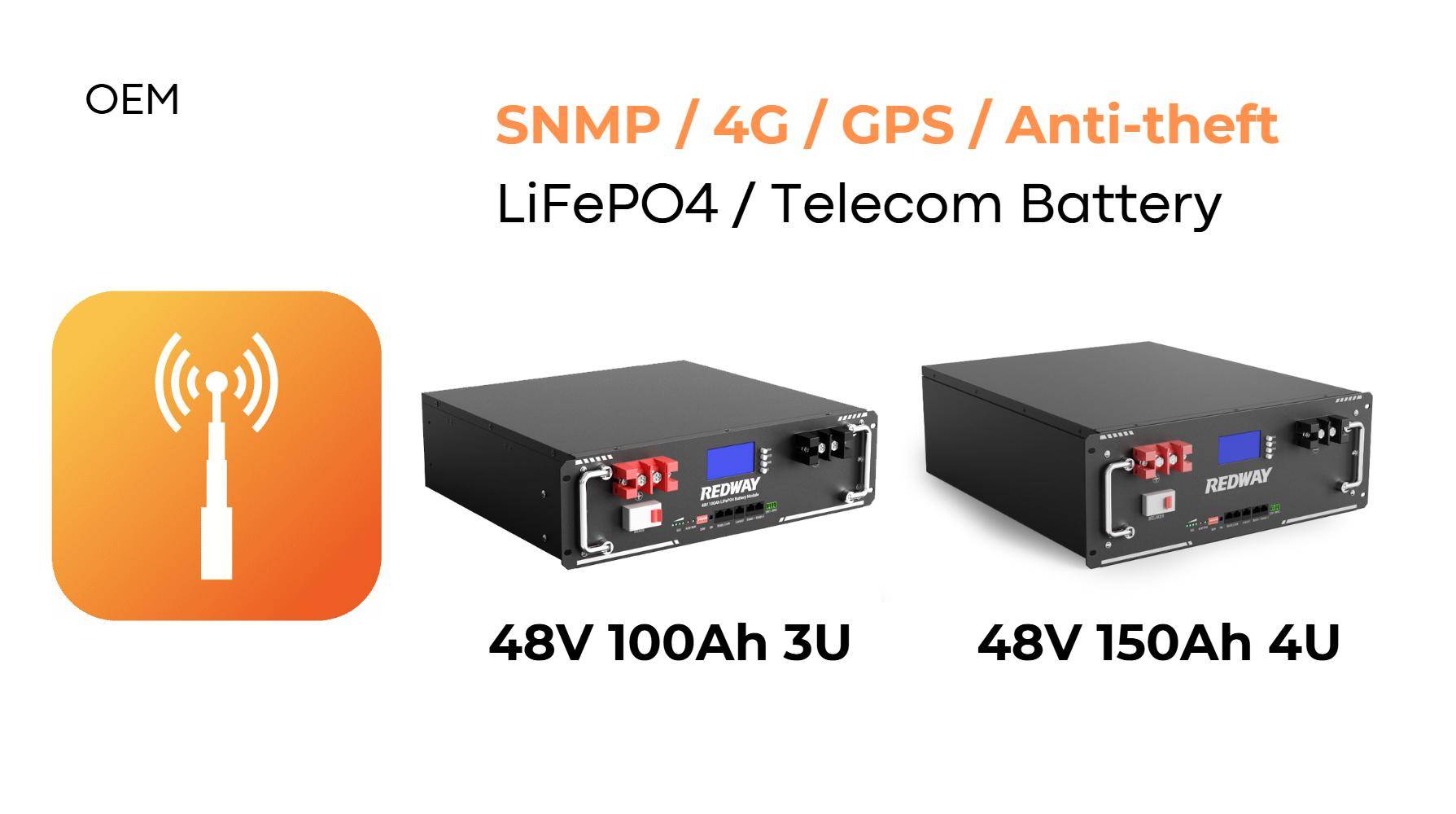
Lithium batteries for telecom applications offer long-term cost savings despite higher upfront costs. They provide 2-3x longer lifespan, reduced maintenance, and better energy efficiency compared to lead-acid batteries. Their lightweight design lowers installation expenses, while declining lithium-ion prices (13% annual reduction since 2010) enhance affordability. Over a 10-year period, total ownership costs are 40% lower than traditional alternatives.
The operational advantages extend beyond simple energy storage. Lithium batteries enable telecom operators to participate in demand response programs, generating additional revenue streams through grid stabilization services. Their compatibility with renewable energy systems reduces diesel generator usage by 60-75% in off-grid sites, creating environmental compliance benefits. A 2024 industry study revealed that operators using lithium solutions achieved 22% faster site commissioning and 18% lower warranty claims compared to conventional battery users.
How Do Lithium Battery Prices Compare to Lead-Acid in Telecom?
While lithium batteries cost 2-3x more upfront ($500-$800/kWh vs. $150-$250/kWh for lead-acid), their superior cycle life (3,000-5,000 cycles vs. 300-500 cycles) reduces replacement frequency. Telecom operators save 30-50% on energy costs due to 95% round-trip efficiency versus 70-80% for lead-acid. Space savings (70% smaller footprint) further reduce infrastructure expenses.
| Cost Factor | Lithium | Lead-Acid |
|---|---|---|
| Cycle Life | 3,000-5,000 | 300-500 |
| Energy Efficiency | 95% | 75% |
| Space Requirement | 0.3m²/kWh | 1.0m²/kWh |
What Factors Influence Telecom Lithium Battery Pricing?
Key pricing determinants include:
- Cell chemistry (LFP vs. NMC)
- Cycle life requirements
- Temperature tolerance (-40°C to 60°C capabilities)
- Certification costs (UL1973, UN38.3)
- Modularity and scalability features
Raw material costs (lithium carbonate prices fluctuated between $7,000-$80,000/ton in 2023) and supply chain localization add 15-25% price variability.
Know more:
How to Choose the Best Telecom Lithium Battery for Your Needs?
What Are the Best Wholesale and OEM Options for Telecom Lithium Batteries?
What Are the Cost Benefits of Telecom Lithium Batteries?
How to Troubleshoot Telecom Lithium Batteries: Expert Support Guide
What You Need to Know About Telecom Lithium Battery Warranties and Support?
How to Get a Quote or Consultation for Telecom Lithium Batteries?
Why Do Lithium Batteries Offer Better ROI for Telecom Towers?
Lithium solutions demonstrate 50-70% lower OPEX through:
- 80% reduced maintenance needs
- 40% lower energy waste
- 60% fewer replacements over 15 years
A 5kW telecom site saves $12,000-$18,000 in fuel costs annually when paired with solar+storage lithium systems. Grid-tied installations achieve payback in 3-4 years versus 6-8 years for lead-acid.
The ROI advantages become particularly evident in network expansion scenarios. Lithium batteries’ modular architecture allows gradual capacity upgrades without complete system replacements, saving 35-45% in capital expenditures during tower upgrades. Their ability to handle irregular charge cycles from renewable sources improves energy utilization by 28% in hybrid power systems. Operators report 19% higher network availability rates due to lithium batteries’ faster response times during grid outages.
What Hidden Savings Do Telecom Lithium Batteries Provide?
Beyond direct costs, lithium batteries enable:
- 30% faster deployment (pre-assembled modular units)
- $200-$500/kW savings in structural support
- Dynamic grid services revenue ($50-$120/kW-year)
- 25% insurance premium reductions (lower fire risk)
Remote monitoring capabilities prevent $15,000-$45,000 in annual outage costs through predictive maintenance.
How Does Temperature Affect Lithium Battery Costs in Telecom?
Lithium batteries maintain 95% capacity at -20°C versus lead-acid’s 50% performance drop, eliminating $8,000-$12,000/year in heater costs for cold climates. High-temperature tolerance (60°C operational) reduces cooling expenses by 40% in tropical regions. Built-in battery management systems (BMS) extend thermal stability range, achieving 2x calendar life in extreme environments.
What Regulatory Incentives Reduce Lithium Battery Costs?
Global programs lowering lithium adoption costs include:
- US ITC tax credit (30% system cost deduction)
- EU Battery Passport subsidies (€15/kWh)
- India’s PLI scheme (6% production incentives)
- China’s NEV battery recycling rebates
| Region | Incentive | Value |
|---|---|---|
| USA | Investment Tax Credit | 30% of system cost |
| European Union | Battery Passport | €15/kWh |
| India | Production Incentive | 6% of product value |
Expert Views
“Modern lithium telecom batteries achieve $0.12/cycle cost versus $0.35-$0.50 for advanced lead-acid,” notes Dr. Elena Voss, Grid Storage Solutions CTO. “Our 2024 field data shows 92% reliability improvement in 5G networks using lithium backup. With second-life applications extending usability to 20+ years, operators gain 300% asset value optimization compared to traditional chemistries.”
Conclusion
Telecom lithium batteries deliver 50-70% lifetime cost reductions through technological advantages and market trends. As prices fall below $100/kWh by 2025, they’ll become the default choice for 98% of new telecom installations worldwide, revolutionizing network economics while supporting global energy transition goals.
FAQs
- Q: How long do telecom lithium batteries last?
- A: 10-15 years vs. 3-5 years for lead-acid, with 80% capacity retention after 4,000 cycles.
- Q: Can lithium batteries withstand power surges?
- A: Yes, built-in surge protection handles 300% overload for 500ms, critical for grid instability.
- Q: Are lithium telecom batteries recyclable?
- A: 96% recyclability rate through closed-loop processes, with $15-$30/kWh residual value.