Blog
What Makes Telecom Lithium Battery Packs Compatible and High-Performing?

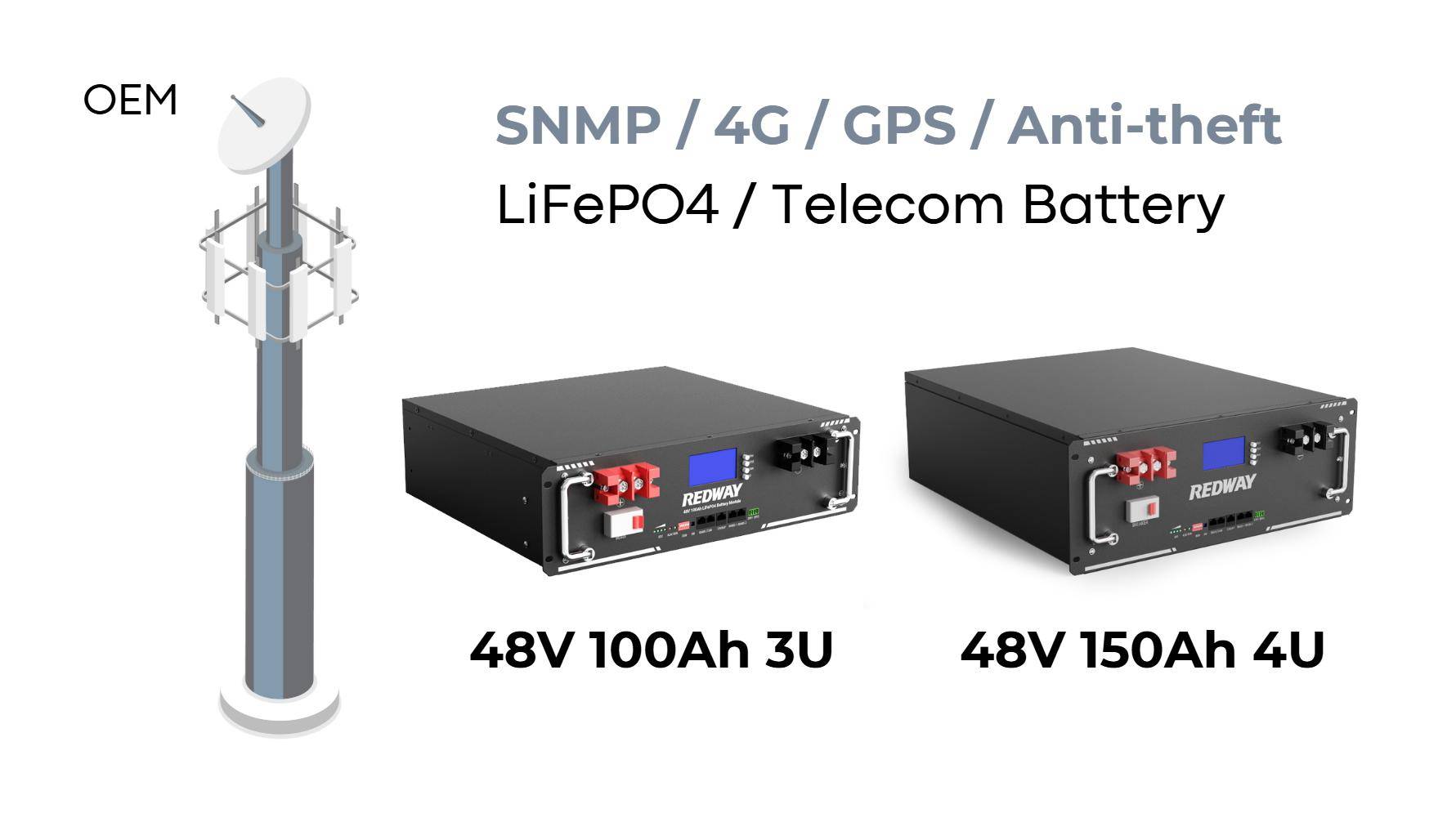
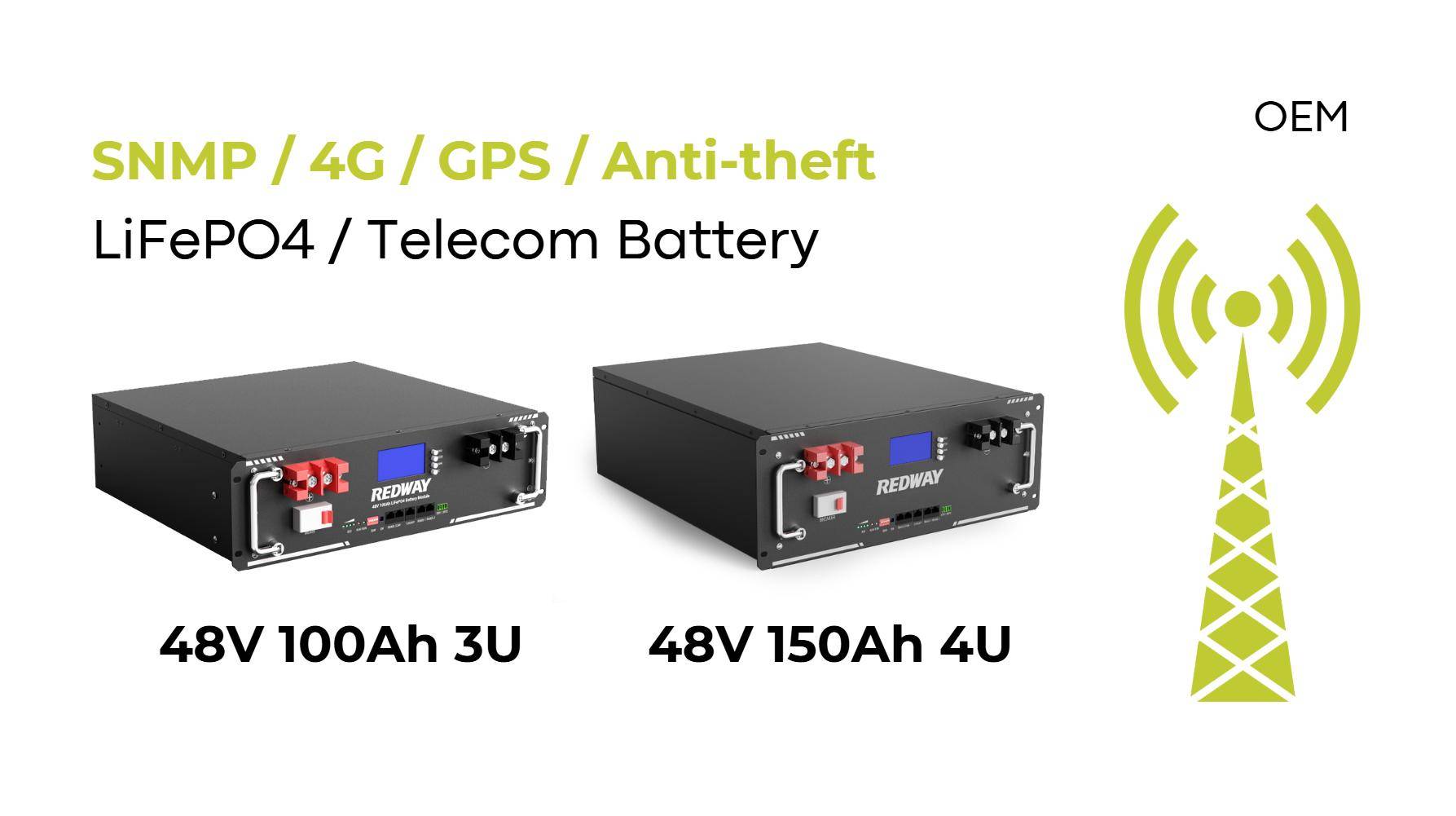
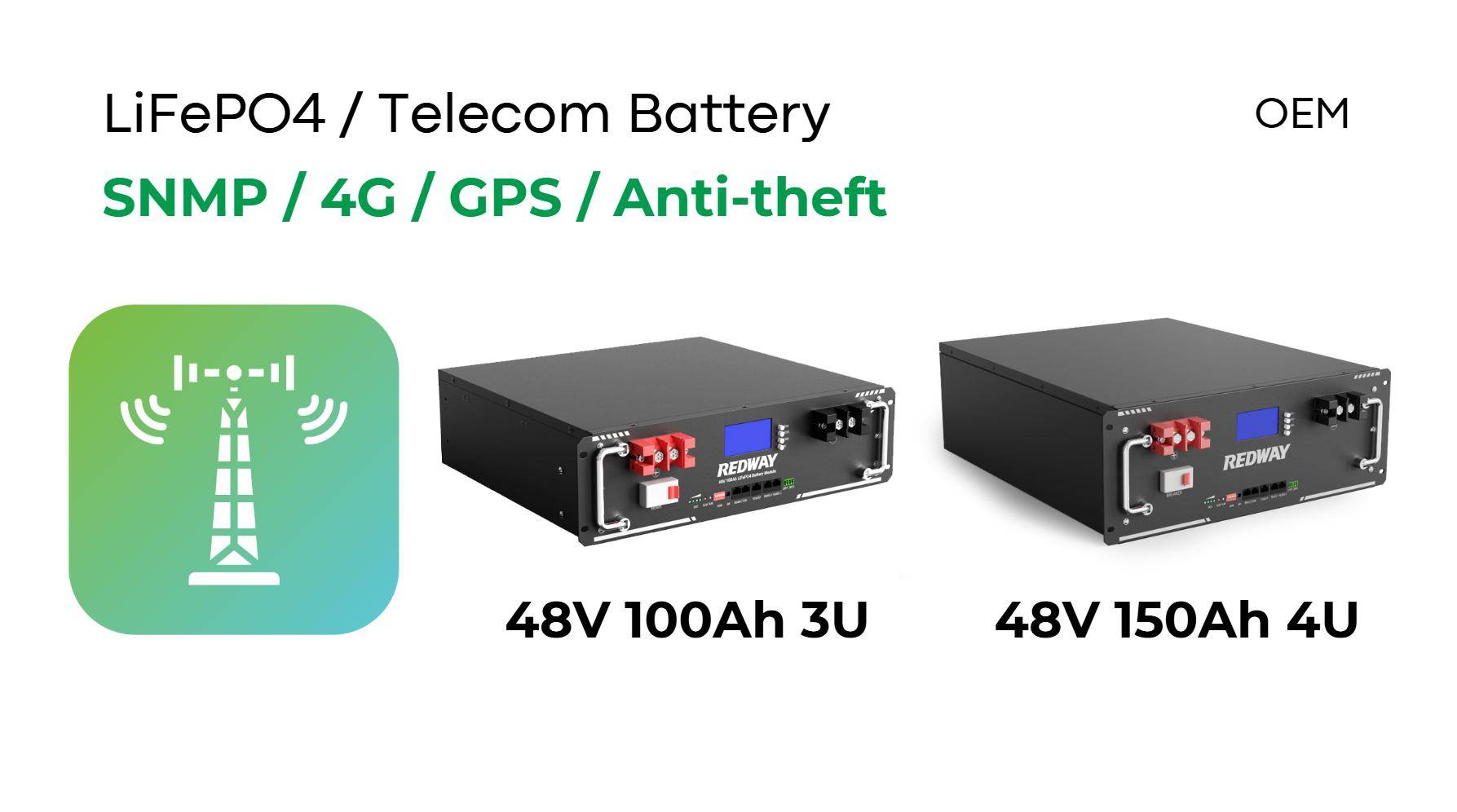
Modern telecom networks require robust energy solutions to maintain uninterrupted service, especially as 5G deployments and edge computing increase power demands. Lithium battery packs have emerged as the preferred backup power source due to their adaptability across diverse infrastructure configurations.
What Factors Influence the Performance of Telecom Lithium Batteries?
Performance hinges on cell chemistry (NMC vs. LFP), cycle life (2,000-6,000 cycles), operating temperature (-20°C to 60°C), and discharge rates. LFP batteries excel in thermal stability, while NMC offers higher energy density. Environmental factors like humidity and vibration resistance (tested per MIL-STD-810G) further determine real-world reliability in telecom towers or underground installations.
The choice between Lithium Iron Phosphate (LFP) and Nickel Manganese Cobalt (NMC) chemistry involves trade-offs. LFP batteries maintain stable performance in high-temperature environments common in solar-exposed telecom shelters, with thermal runaway thresholds above 270°C compared to NMC’s 150-200°C range. However, NMC packs provide 15-20% greater energy density, enabling compact installations in space-constrained urban microcells. Recent advancements like graphene-enhanced anodes have pushed NMC cycle life beyond 4,000 cycles at 1C discharge rates.
| Parameter | LFP | NMC |
|---|---|---|
| Energy Density | 90-120 Wh/kg | 150-220 Wh/kg |
| Thermal Stability | 270°C+ | 150-200°C |
| Cycle Life @80% DoD | 3,500-6,000 | 2,000-4,500 |
How Does Modular Design Enhance Battery System Scalability?
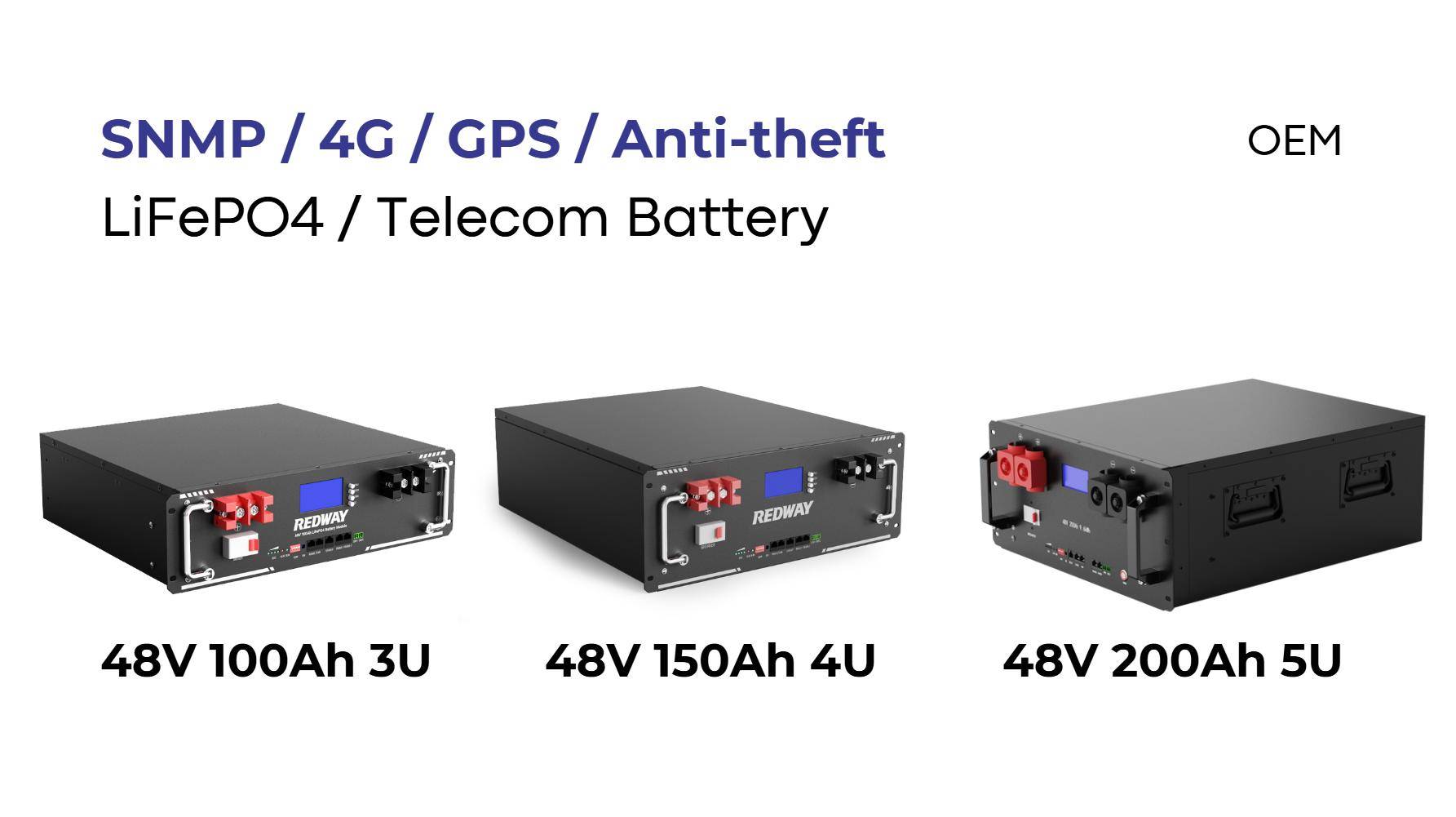
Modular telecom batteries allow 5kW to 100kW expansions via plug-and-play racks. Hot-swappable modules (e.g., Vertiv™ Geist 8kWh units) enable <15-minute replacements without downtime. Energy density reaches 200Wh/kg in stackable configurations, supporting 5G small cells needing 300W-1.5kW backups. Dynamic reconfiguration algorithms optimize load distribution during grid outages.
Modular architectures enable telecom operators to scale power capacity in 2.5kWh increments, matching precise site requirements. For urban macro sites with 15kW average loads, operators can deploy base configurations with N+1 redundancy, then add modules as traffic grows. The latest rack systems feature auto-sensing technology that detects added modules and rebalances charge/discharge cycles across the entire bank. Field trials in Singapore’s dense 5G network showed modular systems reduced battery overprovisioning costs by 38% compared to fixed-capacity solutions.
Why Do Temperature Extremes Affect Lithium Battery Efficiency?
Lithium-ion cells experience electrolyte viscosity changes below 0°C, increasing internal resistance by 50-70%. Above 45°C, SEI layer degradation accelerates capacity fade. Telecom-grade batteries mitigate this with heated enclosures (for arctic zones) and phase-change materials (PCM) absorbing excess heat, maintaining efficiency within 5% deviation across -30°C to 65°C operational ranges.
How to Evaluate Lifespan Differences Between Lithium and VRLA Batteries?
Lithium telecom batteries last 8-12 years vs. VRLA’s 3-5 years, with 80% DoD (Depth of Discharge) tolerance versus VRLA’s 50%. Cycle life comparisons show lithium delivering 2,000+ full cycles at 25°C versus VRLA’s 500 cycles. Total cost of ownership analysis reveals 60% savings over a decade despite lithium’s 2x higher upfront cost.
Know more:
What Are OEM Telecom Lithium Battery Solutions and How Do They Benefit Your Network?
What Are the Key Components of Telecom Battery Systems?
What Makes Telecom Lithium Battery Packs Compatible and High-Performing?
How Can Smart Charging Optimize Telecom Lithium Battery Efficiency?
How Can Retrofitting Telecom Systems with Lithium Batteries Save Costs?
How to Install and Maintain Telecom Lithium Battery Systems Effectively?
What Emerging Technologies Will Shape Future Telecom Batteries?
Solid-state lithium-metal batteries (350 Wh/kg density) and silicon-anode designs promise 40% capacity boosts by 2026. Self-healing electrolytes and AI-driven predictive BMS will enable real-time load balancing across telecom grids. Hydrogen fuel cell hybrids are being tested for off-grid towers, offering 72-hour backup with zero thermal runaway risks.
Which Safety Certifications Are Critical for Telecom Lithium Packs?
Mandatory certifications include UL 1973 (stationary storage), UN38.3 (transport), and Telcordia GR-3150-CORE (telecom environments). Fire suppression compliance requires IEC 62619 Section 8.3.9 tests for propagation resistance. Regional mandates like EU Battery Directive 2023/1542 enforce recycled cobalt thresholds (≥16% by 2030) for new installations.
Expert Views
“Telecom lithium adoption is accelerating at 19.8% CAGR, driven by 5G’s 3x power demands,” says Dr. Elena Voss, Power Systems Director at ABB Energy. “Next-gen batteries will integrate with edge computing for predictive load management. Our trials show AI-optimized lithium systems reduce diesel generator use by 83% in hybrid sites, cutting OPEX by $12k/site/year.”
Conclusion
Telecom lithium battery packs combine adaptive compatibility protocols, ruggedized performance matrices, and future-ready scalability. By addressing temperature resilience, certification landscapes, and TCO advantages over VRLA, they form the backbone of sustainable telecom infrastructure. Emerging solid-state and AI-integrated systems will further redefine network reliability standards globally.
FAQs
- Can lithium batteries work with legacy telecom rectifiers?
- Yes, using voltage-stabilizing modules (e.g., Delta Rectifier Adaptor 48V/53.5V) ensures compatibility with older rectifiers designed for lead-acid profiles.
- What’s the warranty period for telecom lithium batteries?
- Leading brands offer 10-year warranties, contingent on maintaining ≤80% DoD and operating within -20°C to 50°C ranges.
- How do lithium packs handle frequent power outages?
- With 5C discharge rates, they recover 95% capacity within 30 minutes vs. VRLA’s 8-hour recharge needs, ideal for regions with 10+ daily outages.