Blog
How to Choose the Best LiFePO4 Forklift Battery?

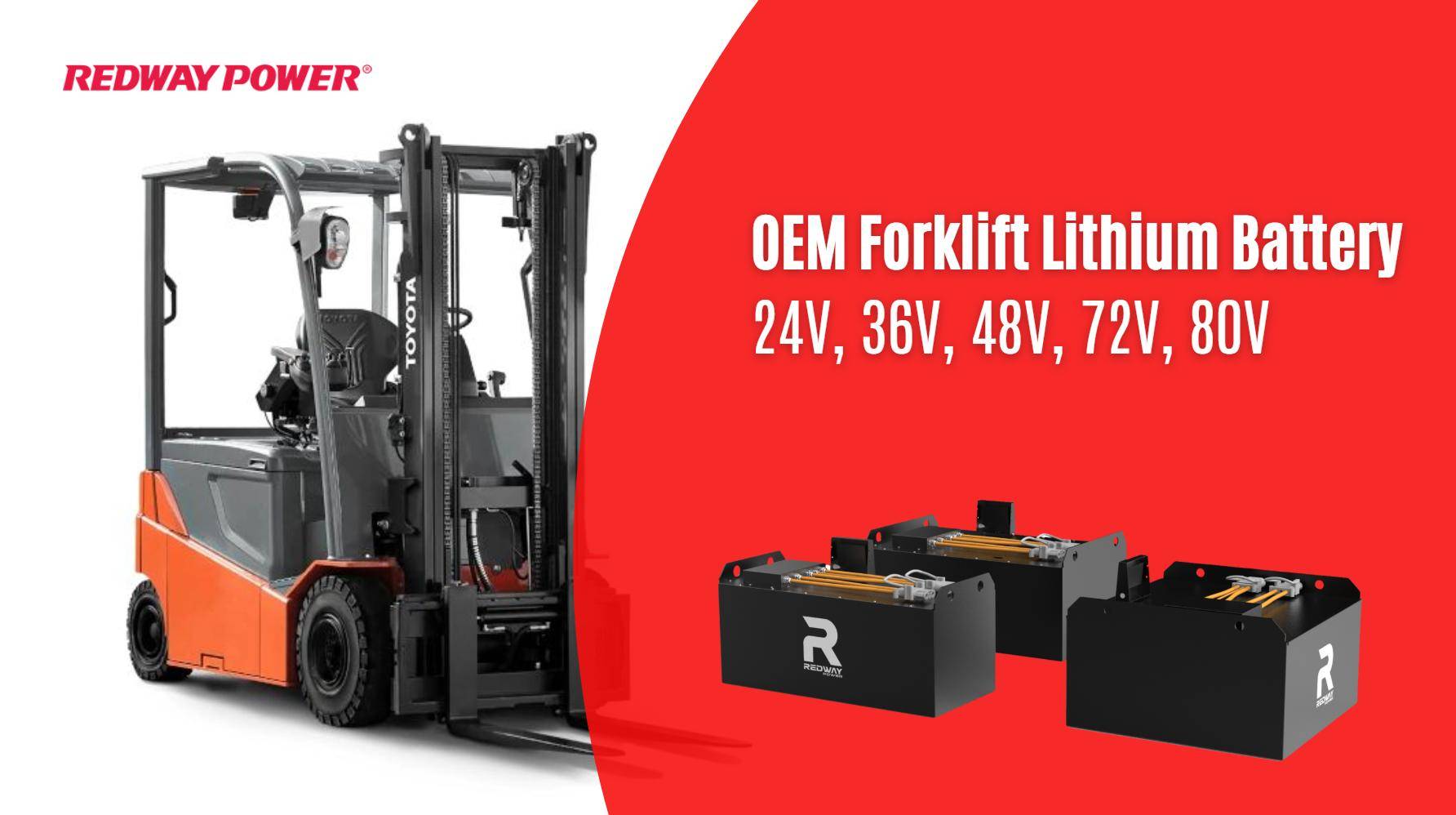
LiFePO4 (Lithium Iron Phosphate) forklift batteries are advanced power sources offering longer lifespan, faster charging, and enhanced safety compared to traditional lead-acid batteries. They use stable lithium-ion chemistry, require minimal maintenance, and perform efficiently in demanding industrial environments. Ideal for heavy-duty operations, they reduce downtime and operational costs over time.
Why Are LiFePO4 Batteries Better for Forklifts?
LiFePO4 batteries outperform lead-acid batteries with 2-3x longer lifespan, 50% faster charging, and zero maintenance. They deliver consistent power until fully discharged, operate efficiently in extreme temperatures, and eliminate hazardous acid leaks. Their lightweight design reduces forklift wear and energy consumption, making them a cost-effective, eco-friendly choice for warehouses and logistics.
Unlike lead-acid batteries, LiFePO4 cells maintain 80% capacity after 2,000 cycles, even in -20°C to 60°C conditions. For multi-shift operations, their rapid charging capability allows opportunity charging during breaks—a 30-minute charge provides 4 hours of runtime. Companies like Amazon and DHL report 18% productivity gains after switching due to reduced battery changeouts. Additionally, their built-in Battery Management Systems (BMS) prevent overcharging and balance cell voltages automatically, ensuring optimal performance across fleets.
How to Calculate the Right Battery Capacity for Your Forklift?
Determine required capacity by evaluating your forklft’s voltage (typically 24V, 36V, or 48V) and daily energy consumption (Ah). Multiply average hourly amp draw by shift duration. Add a 20% buffer for operational peaks. For example: 200Ah x 8 hours = 1600Ah daily. Consult OEM specifications or use a battery sizing tool for precision.
What Safety Certifications Should LiFePO4 Forklift Batteries Have?
Prioritize batteries with UL 2580, UN 38.3, and IEC 62619 certifications. These ensure compliance with fire safety, transportation, and performance standards. Check for ISO 9001/14001 manufacturing certifications and local regulatory approvals (e.g., CE, FCC). Certified batteries minimize thermal runaway risks and guarantee compatibility with forklift electrical systems.
| Certification | Purpose |
|---|---|
| UL 2580 | Ensures electrical and fire safety for EV batteries |
| UN 38.3 | Validates stability during transportation |
| IEC 62619 | Tests performance under industrial conditions |
Where to Buy Reliable LiFePO4 Forklift Batteries?
Purchase from reputable suppliers like Redway Power, GreenTech Industrial, or OEM-approved vendors. Verify warranties (minimum 5 years), after-sales support, and custom engineering options. Avoid gray-market sellers by checking business licenses, customer reviews, and industry certifications. Attend trade shows or request product demos to test performance before purchasing.
When evaluating suppliers, prioritize those offering onsite training for battery handling and integration with telematics systems. Top-tier providers like Redway Power provide cycle life guarantees backed by third-party lab reports. For large fleets, negotiate bulk purchase discounts—expect 8-12% price reductions for orders exceeding 50 units. Always verify compatibility with your forklift models using cross-reference charts provided by manufacturers.
| Supplier | Warranty | Voltage Options |
|---|---|---|
| Redway Power | 7 years | 24V-80V |
| GreenTech | 5 years | 36V-48V |
How to Install a LiFePO4 Battery in Your Forklift?
Disconnect the old battery, remove terminals, and extract using proper lifting gear. Clean the battery compartment, inspect cables, and install LiFePO4 cells with compatible racks. Secure terminals with anti-corrosion gel, program the charger to LiFePO4 settings, and conduct a full charge-discharge cycle. Always follow OEM guidelines to avoid voiding warranties.
Can LiFePO4 Batteries Be Recycled?
Yes, LiFePO4 batteries are 95% recyclable. Reputable suppliers like Redway Power offer take-back programs to recover lithium, iron, and phosphate. Recycling reduces landfill waste and raw material extraction costs. Contact certified e-waste facilities or use manufacturer-sponsored programs to ensure eco-friendly disposal compliant with local regulations.
Expert Views
“LiFePO4 batteries revolutionize material handling with unmatched ROI,” says John Müller, Redway’s Chief Engineer. “A 48V 600Ah unit cuts energy costs by 40% versus lead-acid, lasts 5,000 cycles, and recovers 70% capacity after a decade. Pair them with smart chargers and IoT monitoring for predictive maintenance—this isn’t just an upgrade; it’s operational transformation.”
Conclusion
LiFePO4 forklift batteries deliver superior performance, durability, and cost savings. By prioritizing certified suppliers, accurate sizing, and proper installation, businesses can maximize ROI while supporting sustainability. Transitioning to lithium technology future-proofs operations against rising energy costs and tightening environmental regulations.
- How to Choose the Best LiFePO4 Forklift Battery?
- What Are the Benefits of Wholesale and OEM LiFePO4 Forklift Batteries?
- What Are the Cost Benefits of LiFePO4 Forklift Batteries?
- How to Troubleshoot LiFePO4 Forklift Battery Issues: Expert Support Guide
- What Should You Know About LiFePO4 Forklift Battery Warranties and Support?
- How Can LiFePO4 Forklift Batteries Enhance Your Fleet Efficiency?
FAQs
- How long do LiFePO4 forklift batteries last?
- 8-10 years or 3,000-5,000 cycles, 3x longer than lead-acid batteries.
- Do LiFePO4 batteries require special chargers?
- Yes, use lithium-specific chargers with voltage limits (e.g., 3.65V per cell) to prevent overcharging.
- Are LiFePO4 forklift batteries worth the upfront cost?
- Yes, 30-50% higher initial cost is offset by 60% lower lifetime expenses via reduced maintenance and energy use.
How do I choose the best LiFePO4 forklift battery for my operation?
To choose the best LiFePO4 forklift battery, match the voltage (24V, 36V, 48V) with your forklift’s specifications. Check the battery’s dimensions and weight for proper fit and counterbalance. Consider your daily usage and charging schedule, ensuring the battery’s capacity (Ah) aligns with your operational needs and ensures longer runtimes.
What factors should I consider when selecting a LiFePO4 forklift battery?
Consider voltage compatibility, physical size, and weight for proper fit and balance. Choose a battery with the appropriate capacity for your workload and shift length. Ensure the brand offers reliable after-sales support, safety certifications, and a strong warranty to maximize battery lifespan and operational efficiency.
How can I determine the right capacity for my LiFePO4 forklift battery?
Choose a battery capacity based on your workload, shift length, and charging habits. For heavier lifting or longer distances, opt for a higher capacity (Ah). If your forklift operates multiple shifts with frequent charging, a moderate capacity might suffice. LiFePO4 batteries offer excellent efficiency and cycle life, reducing replacement costs over time.
Is there a significant difference in performance between different LiFePO4 forklift battery brands?
Yes, different brands vary in battery quality, efficiency, lifespan, and after-sales support. A reputable brand, such as Redway Power, ensures better performance, warranty options, and reliability. Always check for safety certifications and comprehensive support before making a purchase to ensure long-term performance and minimal downtime.
How important is the total cost of ownership when choosing a LiFePO4 forklift battery?
The total cost of ownership (TCO) is crucial, as LiFePO4 batteries have higher upfront costs but offer lower operational costs over time. With longer lifespans (4,000+ cycles), faster charging, and minimal maintenance, they provide long-term savings, reducing the need for frequent replacements and offering higher overall efficiency.
What are the environmental factors to consider when choosing a LiFePO4 forklift battery?
Consider operating temperatures, especially if the forklift is used in extreme environments like cold storage or hot warehouses. LiFePO4 batteries maintain performance in a wider range of temperatures compared to lead-acid batteries, ensuring consistent power output and efficiency in various working conditions.