Blog
What Are the Benefits of Wholesale and OEM LiFePO4 Forklift Batteries?

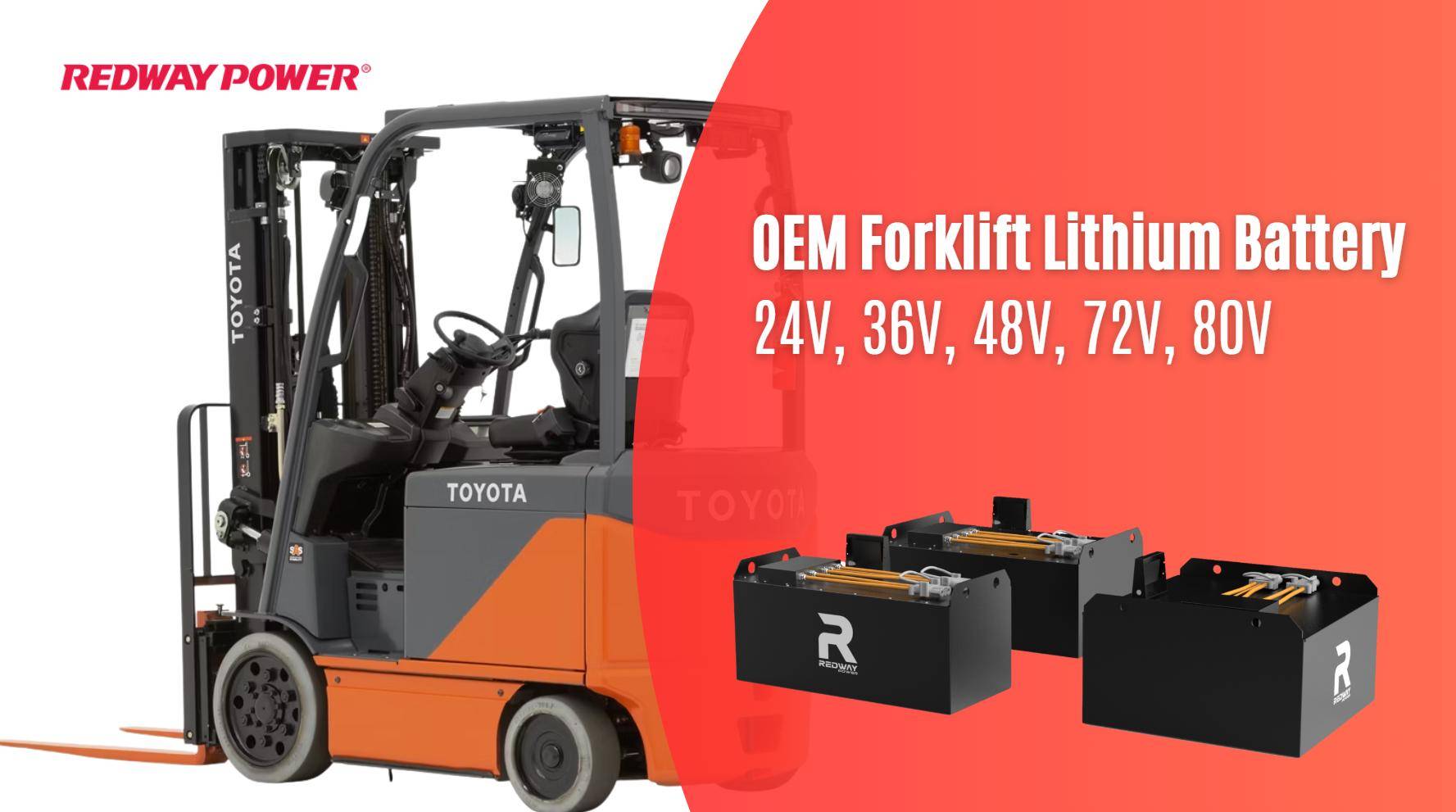
Wholesale and OEM LiFePO4 forklift batteries provide cost-effective, customizable energy solutions for industrial applications. Wholesale options reduce per-unit costs for bulk buyers, while OEM partnerships allow businesses to tailor battery specifications to their equipment. These lithium iron phosphate batteries offer longer lifespans, faster charging, and enhanced safety compared to traditional lead-acid alternatives.
How Do Wholesale LiFePO4 Forklift Batteries Reduce Operational Costs?
Purchasing LiFePO4 batteries wholesale lowers upfront costs through bulk pricing discounts. Distributors typically offer 15-30% savings for orders exceeding 50 units. Unlike lead-acid batteries requiring frequent replacements, LiFePO4’s 3,000-5,000 cycle lifespan minimizes long-term expenses. For example, a warehouse replacing 100 lead-acid units annually could cut battery costs by 60% over five years using wholesale LiFePO4 purchases.
Extended predictive maintenance features in modern LiFePO4 batteries further enhance cost efficiency. Integrated battery management systems track cell voltage balance and temperature patterns, enabling proactive component replacements before failures occur. Fleet operators report 18-22% reductions in maintenance labor costs through remote monitoring capabilities. The table below illustrates typical 5-year cost comparisons:
| Cost Category | Lead-Acid | LiFePO4 |
|---|---|---|
| Initial Purchase | $180,000 | $240,000 |
| Replacement Batteries | $270,000 | $0 |
| Energy Costs | $45,000 | $28,000 |
| Maintenance | $60,000 | $18,000 |
| Total | $555,000 | $286,000 |
What Certifications Should Quality Wholesale LiFePO4 Batteries Have?
Reputable suppliers provide UL 2580, IEC 62619, and UN38.3 certifications. CE markings ensure compliance with EU safety standards, while ISO 9001 certification confirms manufacturing quality controls. Buyers should verify IP67 ratings for dust/water resistance, particularly for outdoor warehouse applications. Some OEMs offer customized certifications for specific industries like marine (DNV-GL) or mining (MSHA).
Advanced certifications like UL 2271 for marine applications demonstrate rigorous testing for vibration resistance and saltwater exposure. Mining operations should prioritize MSHA-approved batteries featuring spark-proof terminals and reinforced casings. Emerging sustainability certifications like ISO 14067 help companies track carbon footprint reductions. The certification matrix below outlines key industry requirements:
| Industry | Mandatory Certifications | Recommended Standards |
|---|---|---|
| General Warehousing | UL 2580, IEC 62619 | IP54, ISO 9001 |
| Cold Storage | UN38.3, CE | IP67, MIL-STD-810G |
| Port Operations | DNV-GL, UL 2271 | IEC 60068-2-6 |
Why Are LiFePO4 Batteries Safer Than Traditional Forklift Batteries?
LiFePO4 chemistry eliminates thermal runaway risks common in other lithium-ion batteries. Third-party testing shows they maintain stable temperatures below 60°C even during short-circuit scenarios. Unlike lead-acid batteries that emit hydrogen gas during charging, LiFePO4 systems operate without toxic emissions, making them suitable for food processing facilities and pharmaceutical warehouses with strict air quality requirements.
How Does Fast Charging Improve Forklift Fleet Efficiency?
LiFePO4 batteries achieve 100% charge in 1-2 hours versus 8-10 hours for lead-acid models. Opportunity charging during breaks maintains continuous operation without battery swaps. A study by the Industrial Truck Association revealed warehouses using LiFePO4 batteries increased productivity by 28% through eliminated downtime. Advanced models support partial state-of-charge (PSOC) cycling without capacity degradation.
- How to Choose the Best LiFePO4 Forklift Battery?
- What Are the Benefits of Wholesale and OEM LiFePO4 Forklift Batteries?
- What Are the Cost Benefits of LiFePO4 Forklift Batteries?
- How to Troubleshoot LiFePO4 Forklift Battery Issues: Expert Support Guide
- What Should You Know About LiFePO4 Forklift Battery Warranties and Support?
- How Can LiFePO4 Forklift Batteries Enhance Your Fleet Efficiency?
Can LiFePO4 Batteries Integrate With Existing Forklift Charging Infrastructure?
Most LiFePO4 systems work with standard 48V forklift chargers through adaptive voltage compatibility. However, OEMs recommend smart chargers with CC-CV (constant current-constant voltage) profiles to optimize battery life. Retrofit kits including communication protocols like CAN Bus enable integration with legacy charging stations. Energy audits can determine infrastructure compatibility before large-scale adoption.
“The shift to LiFePO4 in material handling isn’t just about energy density—it’s redefining operational paradigms. Our OEM partners now demand batteries that communicate with warehouse management systems, providing predictive maintenance alerts and energy consumption analytics. This integration reduces unplanned downtime by up to 40% in smart warehouses.”
— Redway Power Systems Engineering Lead
FAQs
- How long do OEM LiFePO4 forklift batteries last?
- Properly maintained OEM LiFePO4 batteries typically deliver 8-10 years of service, outperforming lead-acid alternatives by 3-4X. Cycle life ranges from 3,000-5,000 full cycles at 80% depth of discharge.
- What’s the minimum order quantity for wholesale purchases?
- Most suppliers require 20-50 unit MOQs for wholesale pricing. Some manufacturers offer tiered discounts—5% for 50 units, 10% for 100+, and 15% for 500+ orders. Custom OEM agreements may have higher thresholds based on design complexity.
- Do lithium forklift batteries require special storage conditions?
- LiFePO4 batteries perform optimally at -20°C to 60°C ambient temperatures. Unlike lead-acid batteries, they don’t require climate-controlled storage and maintain charge for 6-12 months without maintenance charging. However, manufacturers recommend storing at 50% charge in dry environments for extended inactivity periods.
What are the benefits of wholesale and OEM LiFePO4 forklift batteries?
Wholesale and OEM LiFePO4 forklift batteries offer extended lifespans, faster charging, lower maintenance, and higher energy efficiency. These benefits reduce operational costs, improve productivity, and provide a higher return on investment, making them ideal for businesses with demanding energy needs.
How do LiFePO4 forklift batteries improve productivity?
LiFePO4 forklift batteries enhance productivity by allowing faster and more flexible charging. Their ability to support opportunity charging during breaks minimizes downtime, ensuring that forklifts remain operational across multiple shifts, increasing overall efficiency in warehouse and industrial settings.
What are the cost-saving advantages of LiFePO4 forklift batteries?
LiFePO4 batteries offer long-term cost savings due to their longer lifespan (up to 4,000 cycles or more) compared to lead-acid batteries. This reduces the frequency of replacements and the need for costly maintenance, leading to lower overall operating expenses.
How does the safety of LiFePO4 forklift batteries compare to other types?
LiFePO4 forklift batteries are safer due to their stable chemistry, which reduces the risk of thermal runaway, overheating, or explosions. They also do not contain hazardous materials like sulfuric acid, making them safer to handle, operate, and recycle compared to other battery chemistries.
What environmental benefits do LiFePO4 forklift batteries offer?
LiFePO4 batteries are more environmentally friendly than lead-acid batteries. They do not contain toxic heavy metals such as lead or cadmium, and they have higher recyclability rates, making them a more sustainable option for businesses looking to reduce their environmental impact.
Why are LiFePO4 forklift batteries considered more energy-efficient?
LiFePO4 forklift batteries offer higher energy efficiency and better energy density than lead-acid batteries. They provide consistent power output throughout their charge cycle, ensuring reliable performance without the typical drop in efficiency seen in other battery types as they deplete.