Blog
What Are the Latest Regulatory Changes for Telecom Batteries

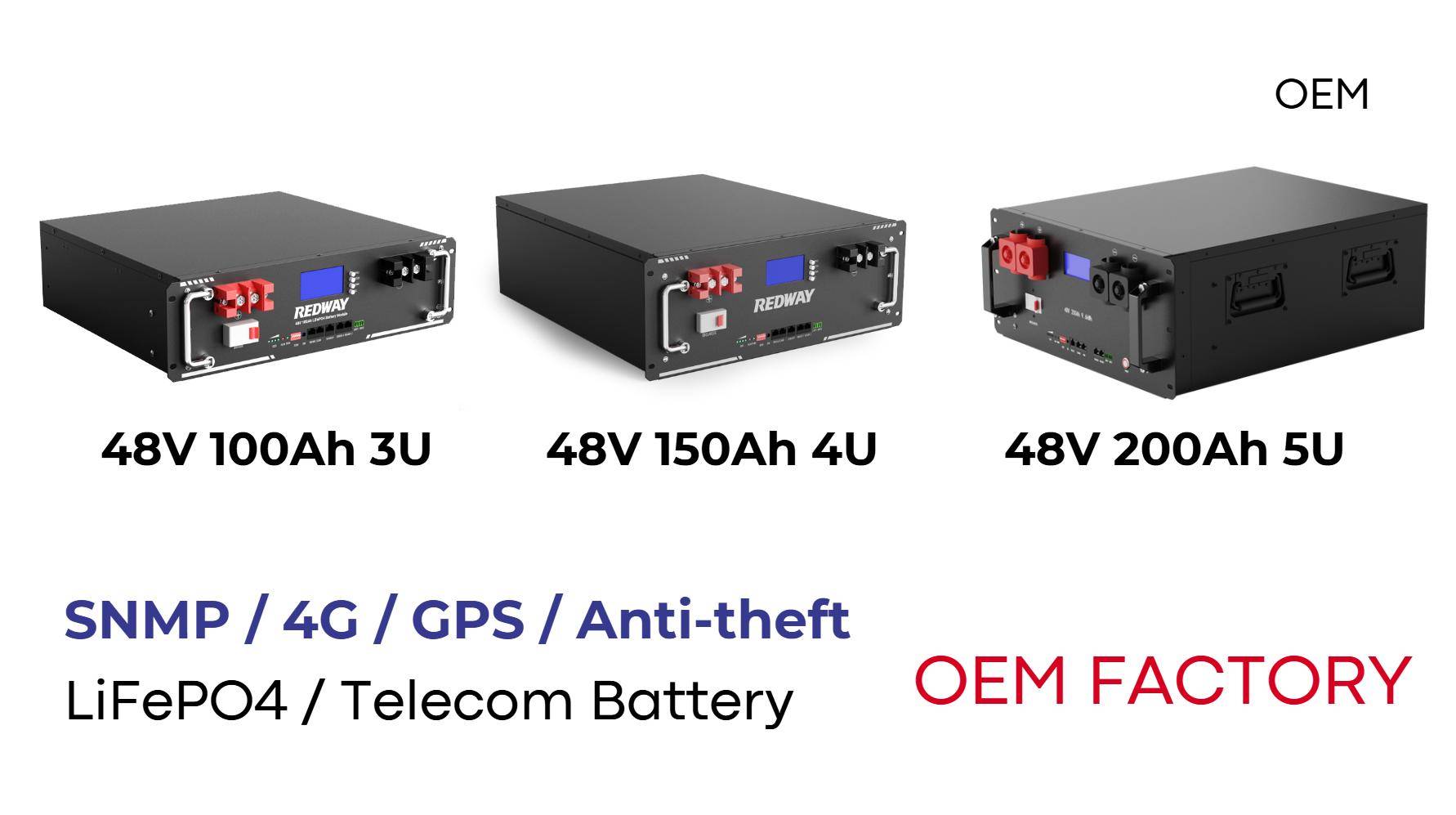
Recent regulatory changes for telecom batteries focus on stricter environmental compliance, enhanced safety protocols, and standardized recycling processes. Authorities like the EU and FCC now mandate reduced hazardous materials (e.g., lead, cadmium), stricter fire-safety certifications, and 90%+ recycling efficiency. These updates aim to minimize ecological harm while ensuring network reliability. Non-compliance risks fines or operational bans.
How Are Governments Regulating Hazardous Materials in Telecom Batteries?
Regulations now cap lead content at 0.1% and ban cadmium entirely in telecom batteries. The EU’s Batteries Directive 2023 requires third-party lab certifications for heavy metal limits, while the U.S. enforces TSCA Title VI compliance. Manufacturers must submit annual material disclosure reports, and non-compliant products face import restrictions. These rules align with global sustainability goals like the UN SDGs.
New enforcement mechanisms include blockchain-based material tracing systems. For example, Germany now requires real-time uploads of battery component data to a centralized EU database. Manufacturers must also conduct quarterly soil and water impact assessments near production facilities. The table below shows comparative heavy metal limits across regions:
| Region | Lead Limit | Cadmium Status |
|---|---|---|
| European Union | 0.1% | Banned |
| United States | 0.2% | Restricted |
| India | 0.3% | Allowed |
What Safety Certifications Are Required for Modern Telecom Batteries?
UL 1973 (stationary storage) and IEC 62619 (safety for industrial batteries) are now mandatory in 38 countries. Fire-resistance tests include UN38.3 thermal shock protocols and NFPA 855 compartmentalization standards. Telecom operators must also obtain ISO 14001 for environmental management. Certifications require annual renewals, with random facility audits to prevent thermal runaway risks.
Recent updates to certification processes now mandate live fire simulations for battery racks. The International Fire Code 2024 edition requires telecom batteries to withstand 30 minutes of direct flame exposure without catastrophic failure. Manufacturers like Eaton have developed ceramic-coated battery housings that meet these requirements. Additionally, cybersecurity certifications like IEC 62443 are becoming prerequisite for smart battery management systems to prevent remote tampering.
How Do Recycling Mandates Affect Telecom Battery Design?
EU regulations require 95% recyclability by 2025, forcing manufacturers to adopt modular designs with snap-out cells and standardized connectors. Labels must include QR codes detailing disassembly steps. California’s SB-1215 bans non-recyclable lithium-ion units in telecom by 2024. These rules push brands like Eaton and Vertiv to use biodegradable casings and blockchain-tracked material passports.
The shift toward circular design principles has led to innovative approaches in battery architecture. Many manufacturers now implement color-coded components and magnetic alignment systems that enable robotic disassembly. New water-soluble adhesives replace traditional thermal glues, allowing cleaner separation of battery modules. The table below compares recycling efficiency across battery types:
| Battery Type | Recycling Rate | Cost per Ton |
|---|---|---|
| Lead-Acid | 98% | $150 |
| Li-Ion | 65% | $450 |
| Nickel-Cadmium | 85% | $320 |
Why Are Lithium-Ion Batteries Facing Stricter Transportation Rules?
DOT’s HM-215N now classifies telecom lithium-ion batteries as Class 9 hazardous goods due to fire risks in transit. Shipping requires UN-approved fiberglass casings, state-of-charge limits below 30%, and GPS-tracked thermal sensors. Airlines like FedEx impose 20kg/package caps, increasing logistics costs by 15-40%. These measures follow incidents like the 2022 Singapore Airport lithium fire.
Which Emerging Markets Have Adopted Battery Carbon Footprint Caps?
Brazil’s ANATEL mandates 50kg CO2/kWh lifecycle emissions for telecom batteries by 2025, verified via blockchain. India’s BIS standards enforce 60% recycled cobalt in cells. Vietnam’s MIC Directive 15 taxes non-compliant imports at 22%. These markets use carbon caps to attract ESG-focused investors, driving demand for low-emission suppliers like NorthStar and Enersys.
How Can Telecoms Adapt to Dynamic Regulatory Landscapes?
Operators should implement AI-powered compliance platforms like Schneider Electric’s EcoStruxure, which auto-updates regional rules and audits supply chains. Multi-standard modular batteries (e.g., Huawei’s NetEco 6000) reduce redesign costs. Partnering with circular economy networks like Redwood Materials ensures recycling compliance. Proactive adaptation prevents 70% of compliance-related downtime, per Gartner.
“The telecom battery sector is undergoing a compliance revolution. Companies ignoring material traceability or carbon accounting risk obsolescence. Future-proofing requires investing in solid-state prototypes and digital product passports.”
— Dr. Elena Varsi, Battery Regulation Analyst at Frost & Sullivan
FAQs
- Do lead-acid telecom batteries still meet regulations?
- Only if lead content stays below 0.1% and recycling exceeds 90%. Most EU nations will ban lead-acid in telecom by 2027.
- How often do battery regulations update?
- Major updates occur every 12-18 months. The EU and U.S. typically announce changes in Q1, with 6-12 month implementation windows.
- Can non-compliant batteries be grandfathered in?
- Rarely. Most 2023+ regulations apply retroactively, requiring upgrades or replacements within 24 months of enactment.
Know more:
Why Is Lithium the Future of Telecom Batteries
What Are the Latest Innovations in Telecom Lithium Battery Technology?
Why Are Telecom Lithium Batteries Experiencing Surging Demand?
What Are the Latest Regulatory Changes for Telecom Batteries
Why Are Telecom Companies Switching to Lithium Batteries?
What Are the Key Upcoming Events for Telecom Battery Technology