Blog
What Are the Latest Innovations in Telecom Lithium Battery Technology?

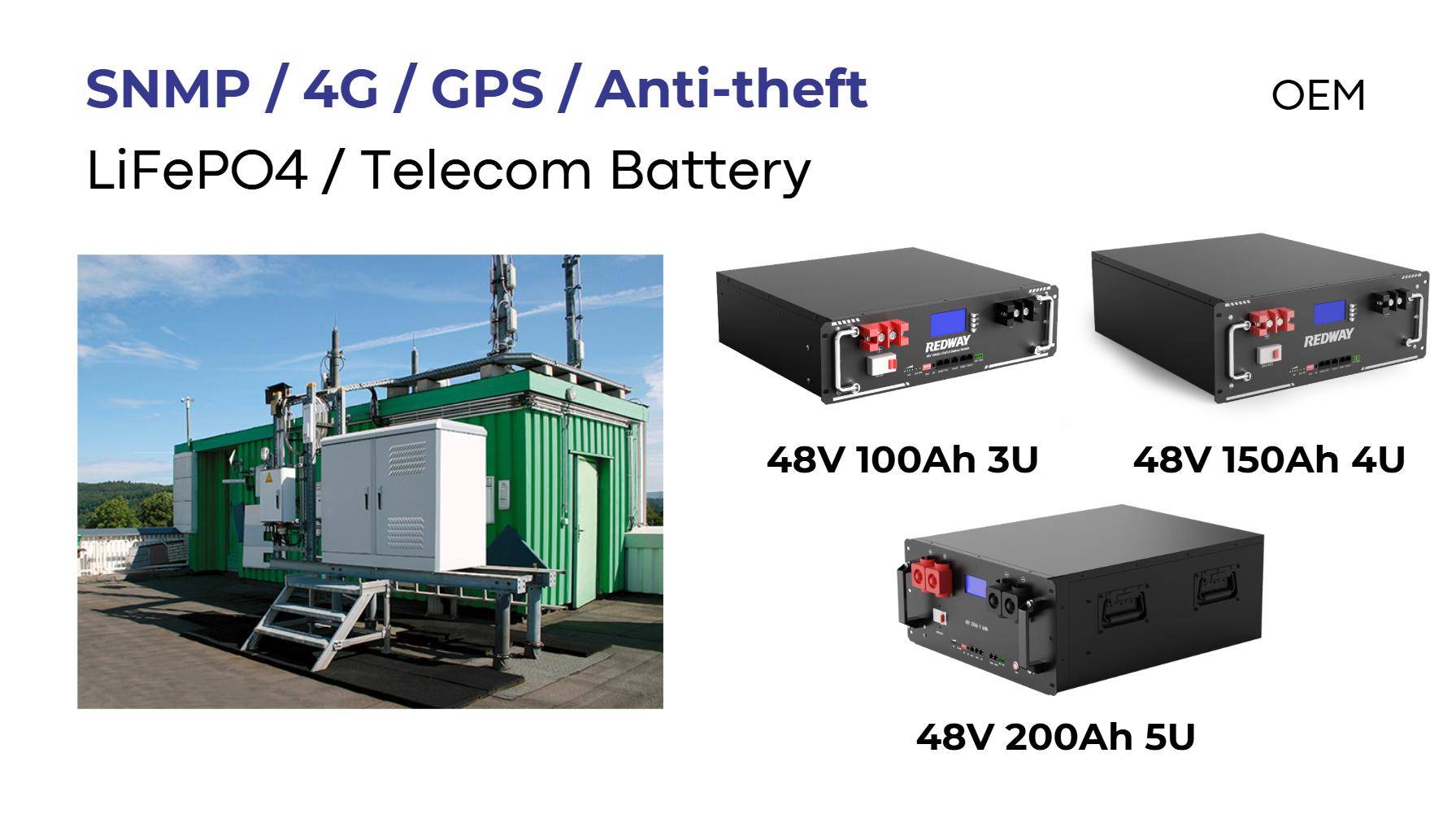
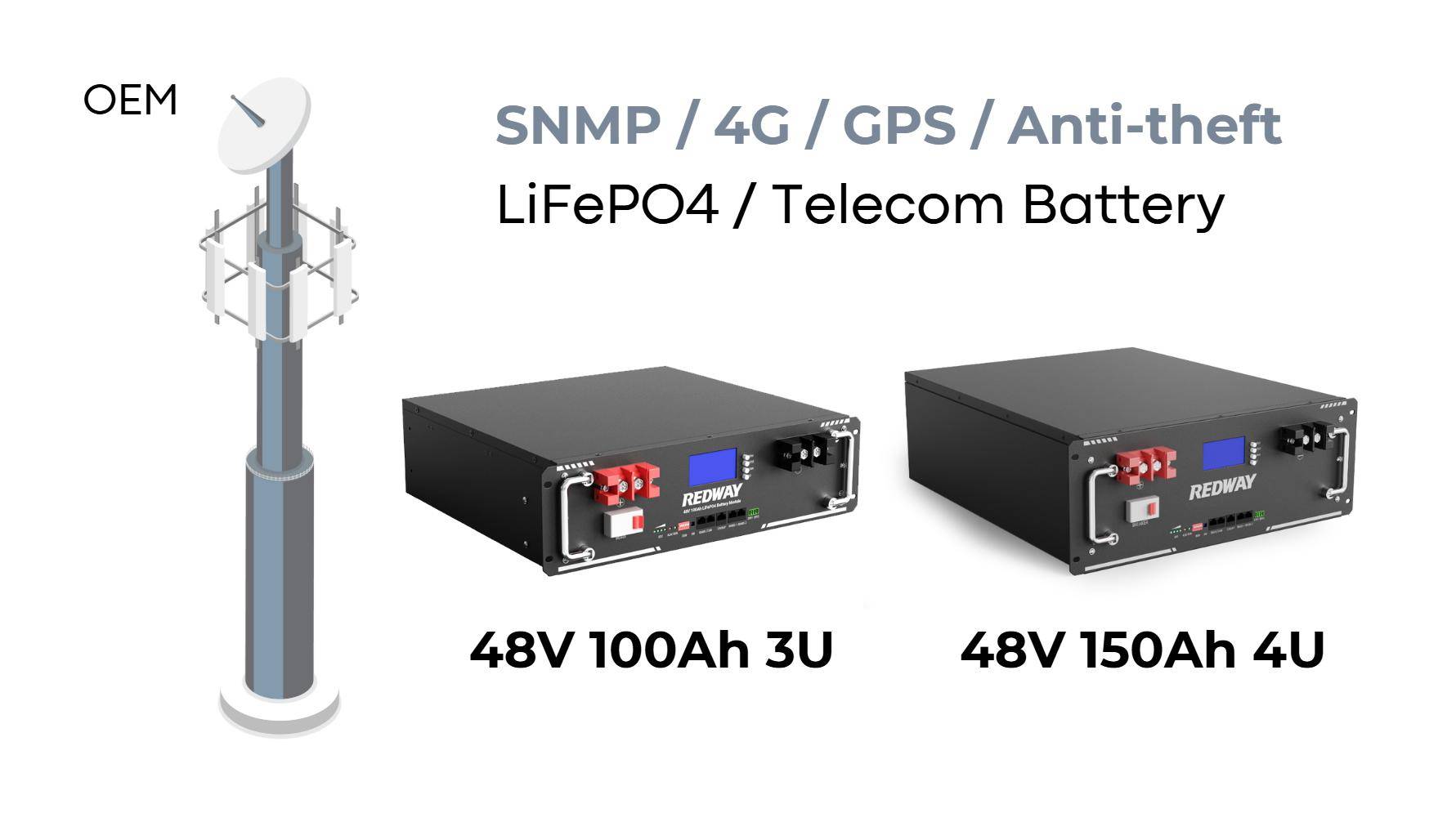
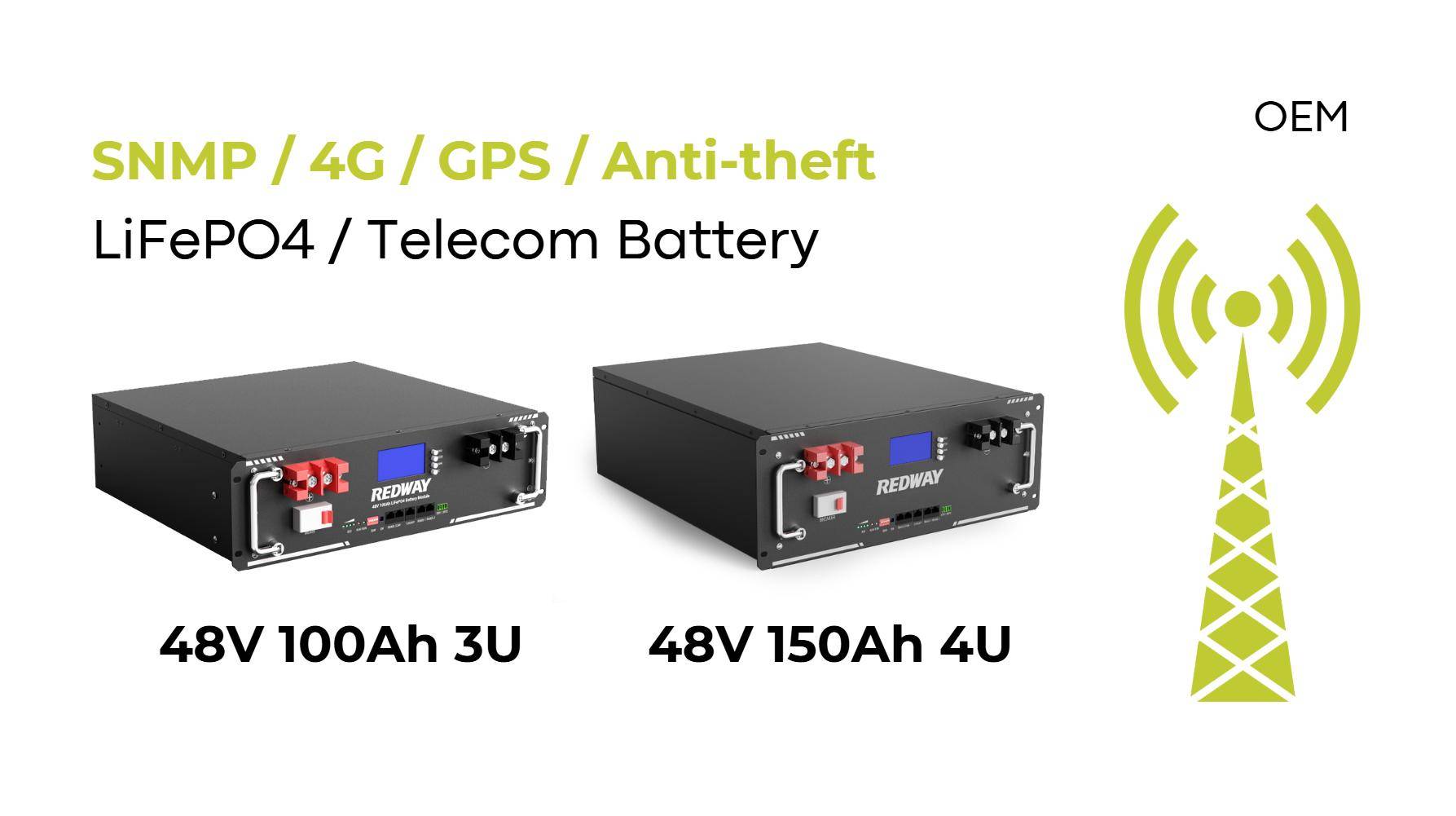
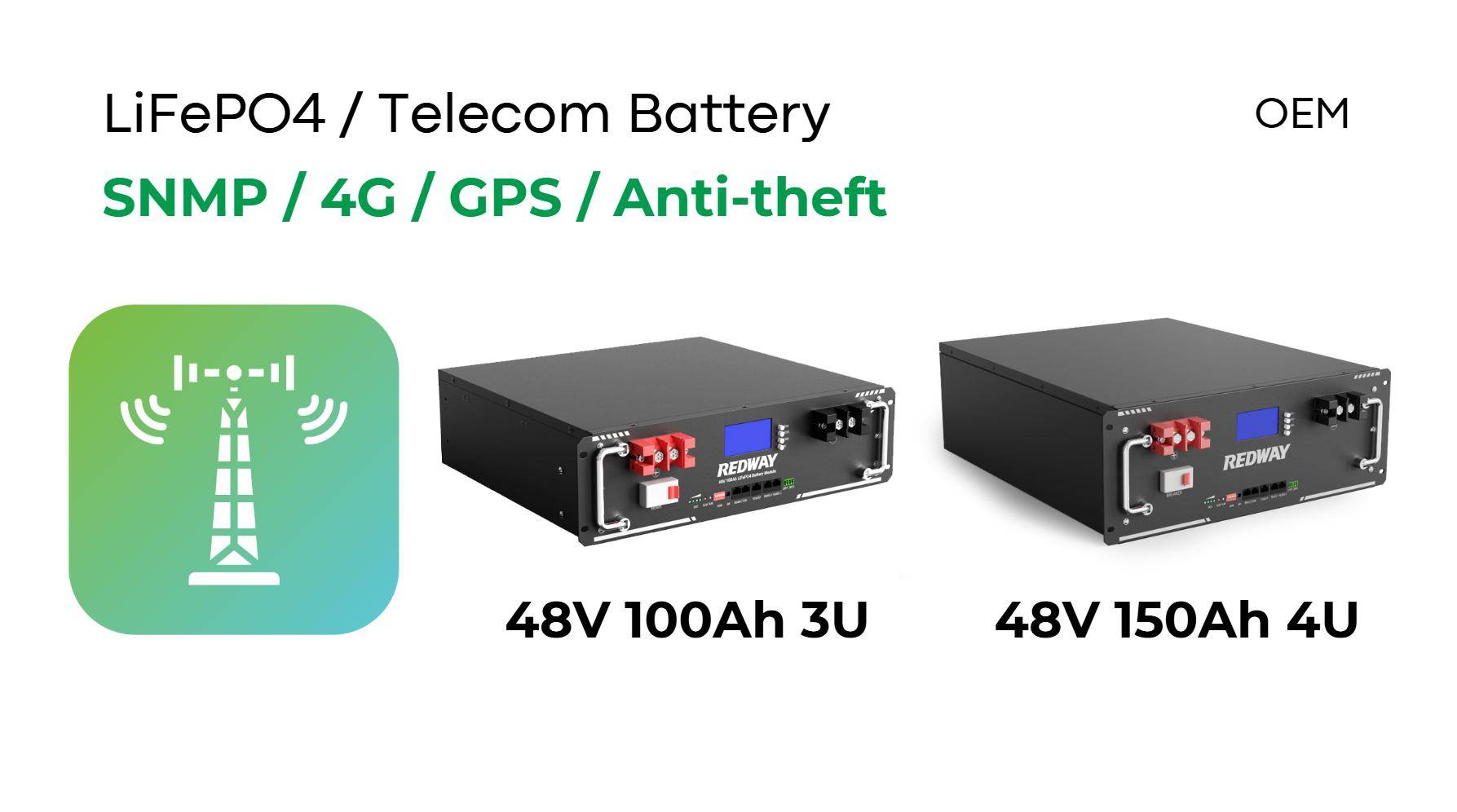
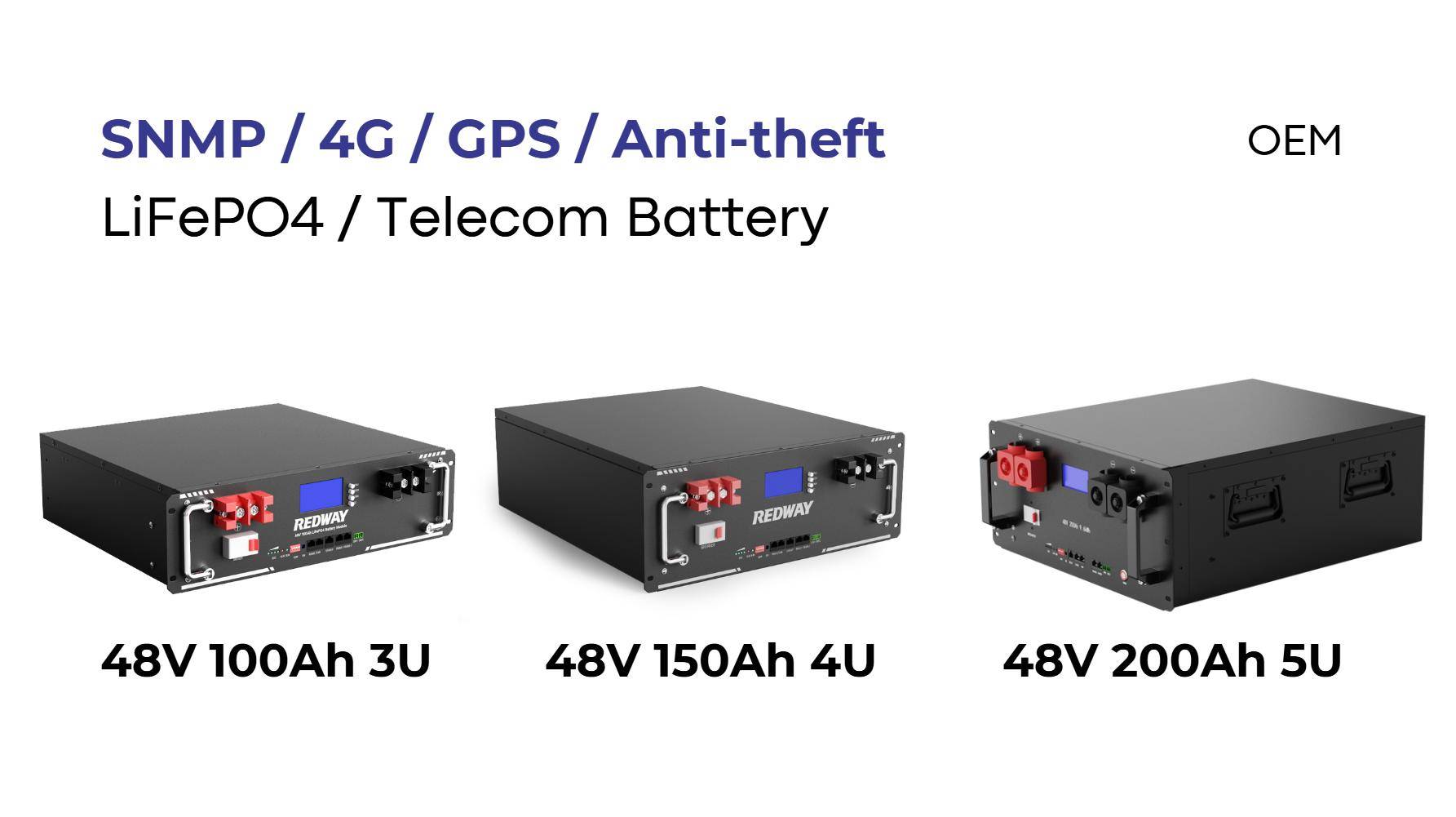
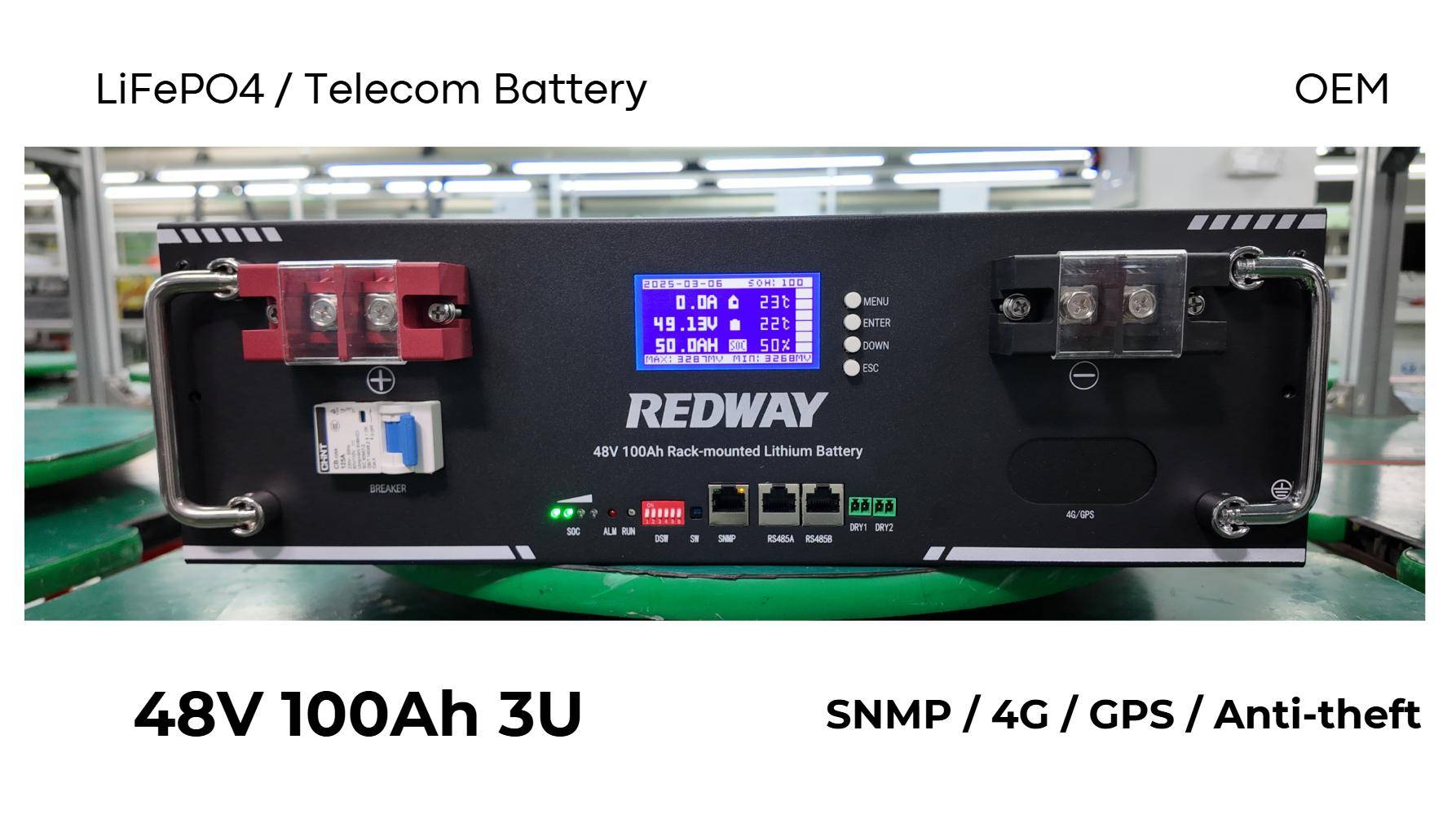
Telecom lithium batteries have evolved with breakthroughs in energy density, safety, and sustainability. Innovations like solid-state electrolytes, AI-driven monitoring, and recyclable designs are transforming telecom infrastructure. These advancements enhance reliability, reduce costs, and support renewable energy integration, making lithium batteries critical for 5G networks and off-grid telecom systems. Learn how these technologies address modern connectivity demands.
How Have Lithium Battery Chemistries Evolved for Telecom Use?
Recent advancements focus on lithium iron phosphate (LiFePO4) and nickel-manganese-cobalt (NMC) chemistries. LiFePO4 offers thermal stability and longevity, ideal for outdoor telecom sites. NMC provides higher energy density for compact installations. Hybrid designs combining graphene anodes and silicon cathodes further improve charge cycles. For example, CATL’s 2023 prototypes achieved 15% higher capacity while reducing degradation rates by 20%.
Emerging research explores lithium-sulfur (Li-S) batteries, which promise energy densities up to 500 Wh/kg. While still in experimental stages, early deployments in Canadian telecom towers showed 30% weight reduction compared to traditional systems. Manufacturers are also addressing charge rate limitations through cobalt-free cathodes, reducing dependency on scarce minerals. A 2024 industry report highlighted that 68% of telecom operators now prioritize batteries with at least 5,000 cycles, driving chemistry innovations focused on longevity.
| Chemistry | Energy Density | Cycle Life | Best Use Case |
|---|---|---|---|
| LiFePO4 | 120-160 Wh/kg | 4,000-6,000 | High-temperature sites |
| NMC | 200-250 Wh/kg | 2,000-3,500 | Urban micro-cells |
What Role Does AI Play in Predictive Maintenance of Telecom Batteries?
AI analyzes historical and real-time data to predict cell imbalance and capacity fade. Nokia’s AVA platform reduced battery replacement costs by 25% through proactive alerts. Machine learning models trained on 100,000+ charge cycles achieve 89% accuracy in lifespan forecasting.
Advanced neural networks now correlate weather patterns with battery performance, enabling operators to preemptively adjust charging strategies before extreme temperatures hit. Deutsche Telekom’s pilot project in Bavaria used AI to synchronize battery usage with local solar generation peaks, cutting grid dependency by 41%. The system cross-references cell voltage deviations with maintenance logs, identifying faulty connections 50% faster than manual inspections. These AI tools are increasingly integrated into SCADA systems, providing actionable insights through centralized dashboards.
How Do Smart Monitoring Systems Optimize Battery Performance?
IoT-enabled BMS (Battery Management Systems) track voltage, temperature, and impedance. Predictive algorithms forecast failures 72+ hours in advance. Ericsson’s Site Manager platform uses edge computing to adjust charging cycles based on grid availability. Field data shows a 30% reduction in unplanned downtime for operators using these systems.
Modern systems employ digital twin technology to simulate battery aging under different load scenarios. Vodafone’s UK network utilizes fiber-optic sensors embedded within battery racks to detect micron-level structural changes, improving fault detection precision by 63%. Cloud-based analytics platforms like Siemens’ MindSphere aggregate data from 10,000+ sites globally, identifying regional performance trends and optimizing firmware updates. Real-time alerts now include actionable recommendations, such as adjusting discharge rates during peak traffic hours to extend cell life.
“The shift to silicon-anode and lithium-metal chemistries will redefine energy storage benchmarks. Telecom operators must prioritize partnerships with battery innovators to leverage these technologies for edge computing and IoT expansion.” — Dr. Elena Torres, Energy Storage Solutions Lead at Huawei Technologies.
FAQs
- How Long Do Telecom Lithium Batteries Last?
- Modern LiFePO4 batteries last 8–12 years with 80% capacity retention, outperforming lead-acid’s 3–5-year lifespan.
- Are Lithium Batteries Cost-Effective for Rural Telecom Towers?
- Yes. Despite higher upfront costs, lithium’s longer lifespan and lower maintenance reduce TCO by 35–50% over a decade.
- Do Lithium Batteries Require Special Cooling Systems?
- Most telecom-grade batteries use passive cooling, but high-density systems (>200Ah) may need liquid cooling in extreme climates.
Know more:
Why Is Lithium the Future of Telecom Batteries
What Are the Latest Innovations in Telecom Lithium Battery Technology?
Why Are Telecom Lithium Batteries Experiencing Surging Demand?
What Are the Latest Regulatory Changes for Telecom Batteries
Why Are Telecom Companies Switching to Lithium Batteries?
What Are the Key Upcoming Events for Telecom Battery Technology