Blog
What Are the Key Benefits of Lithium Batteries in Telecom Infrastructure

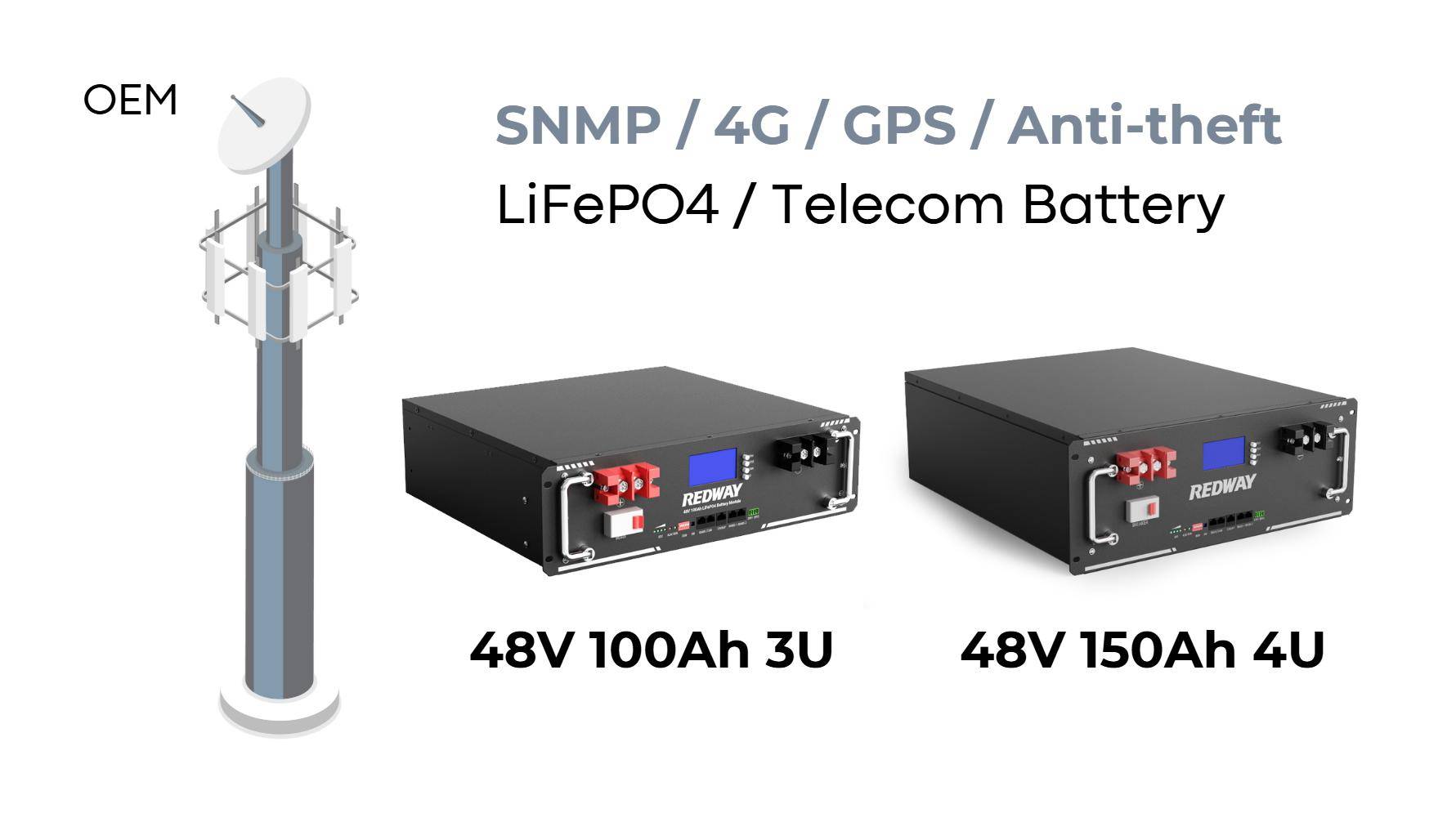
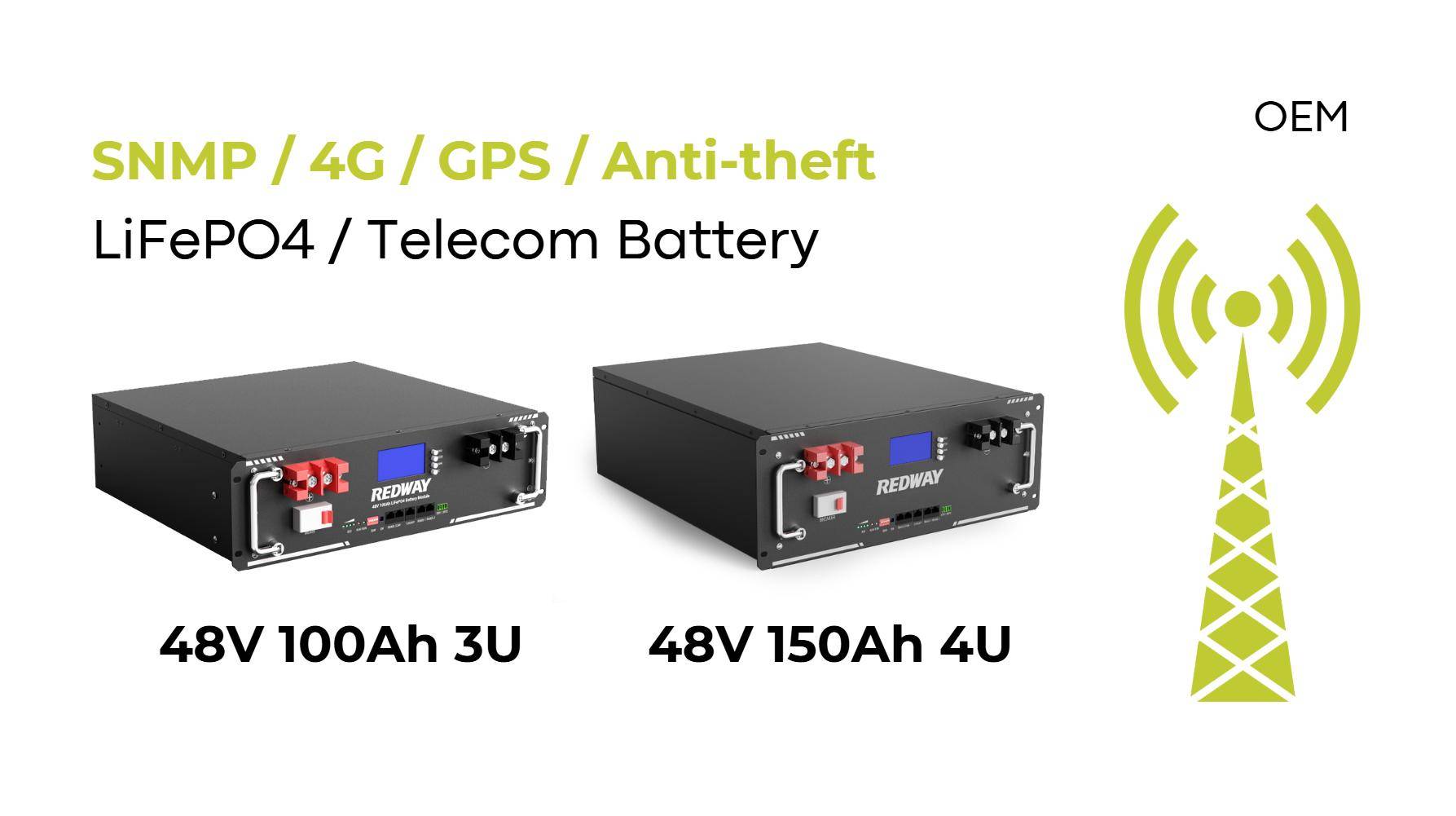
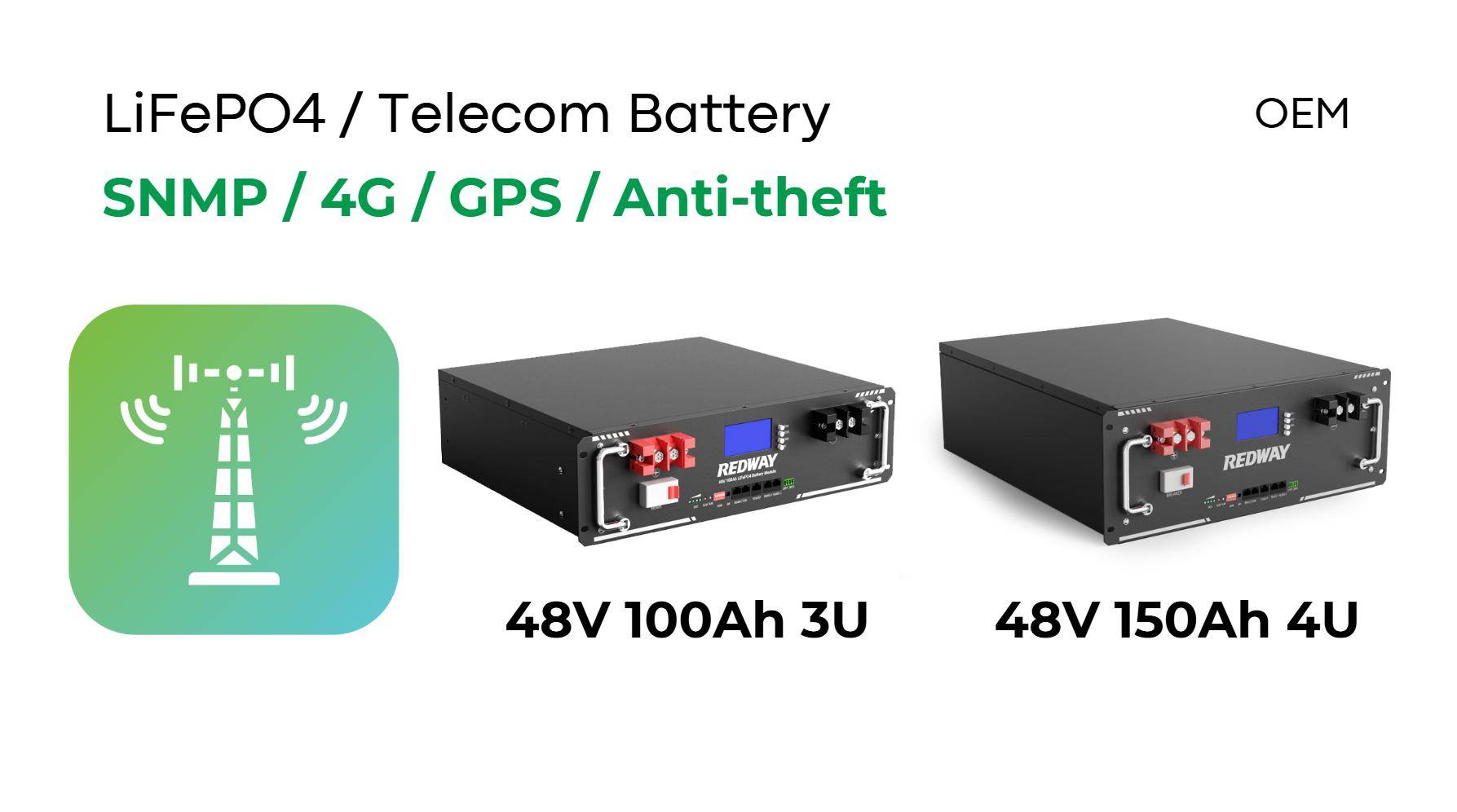
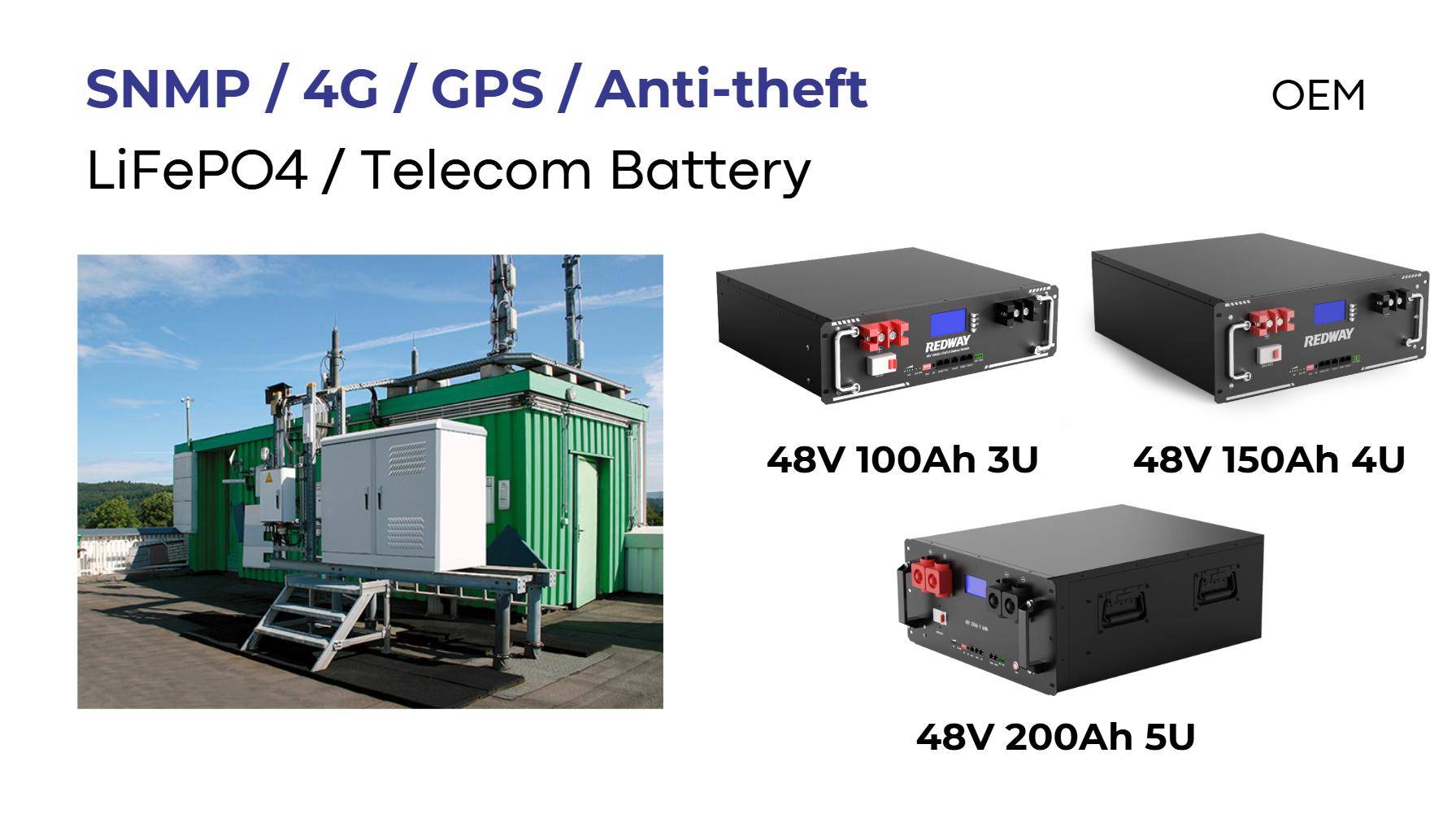
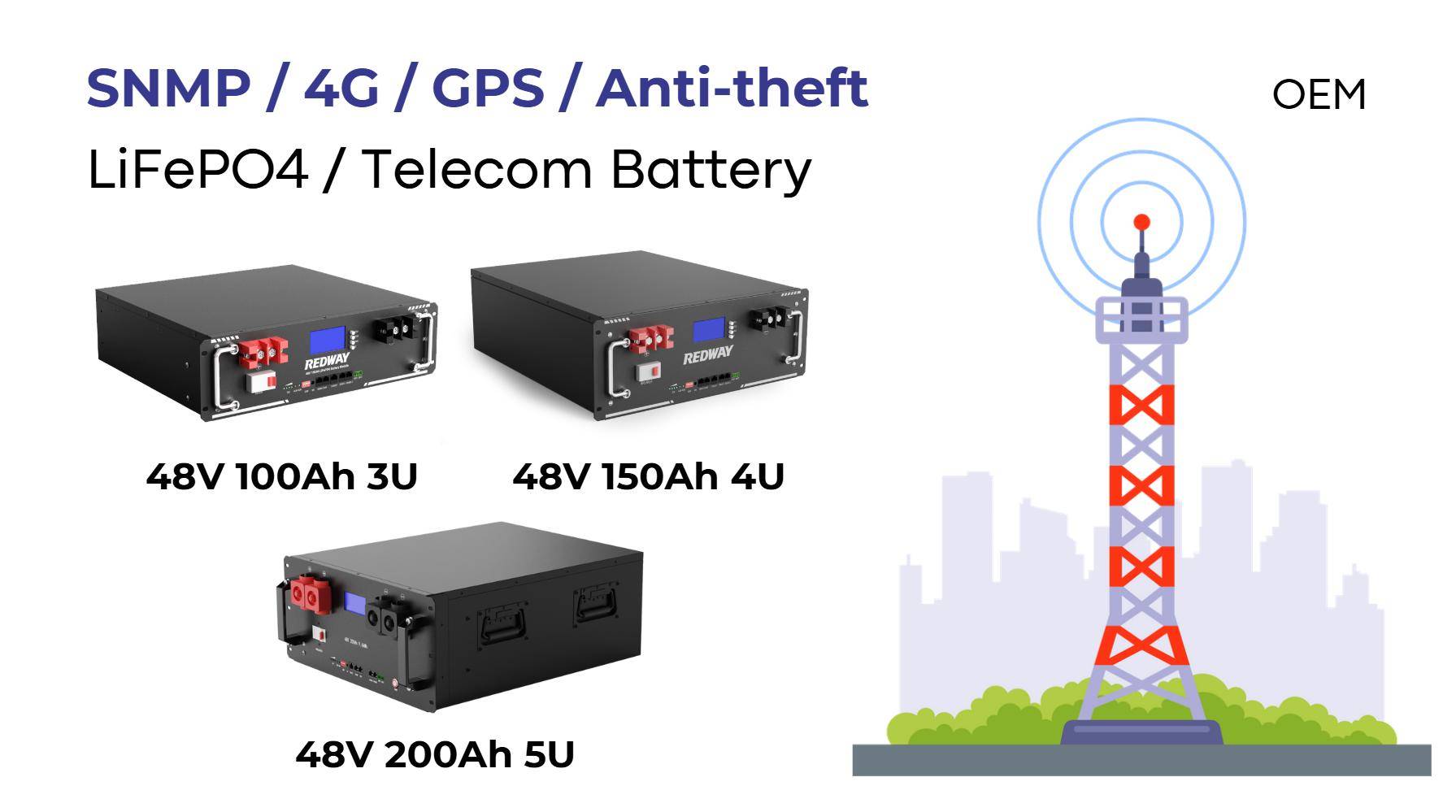
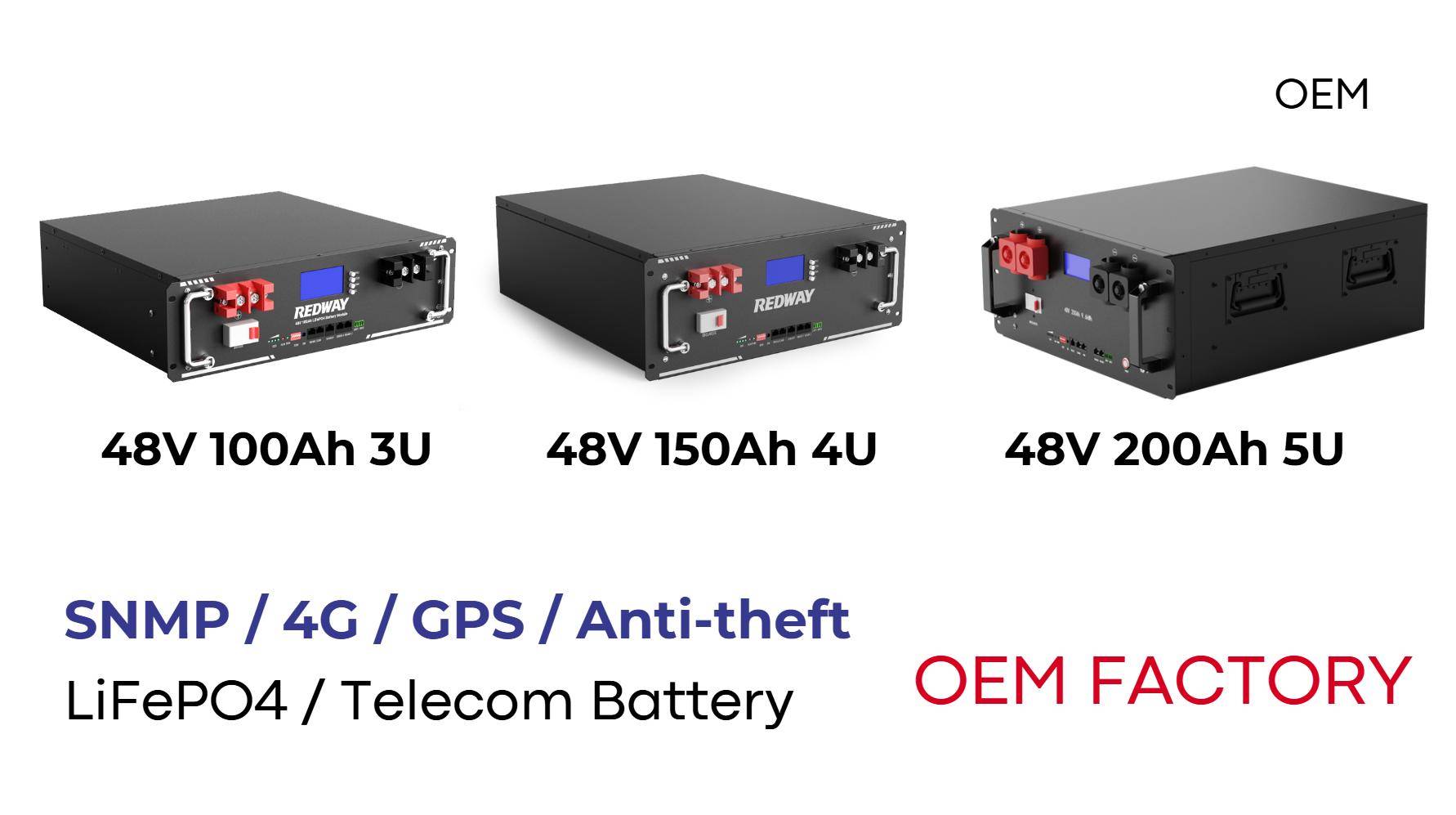
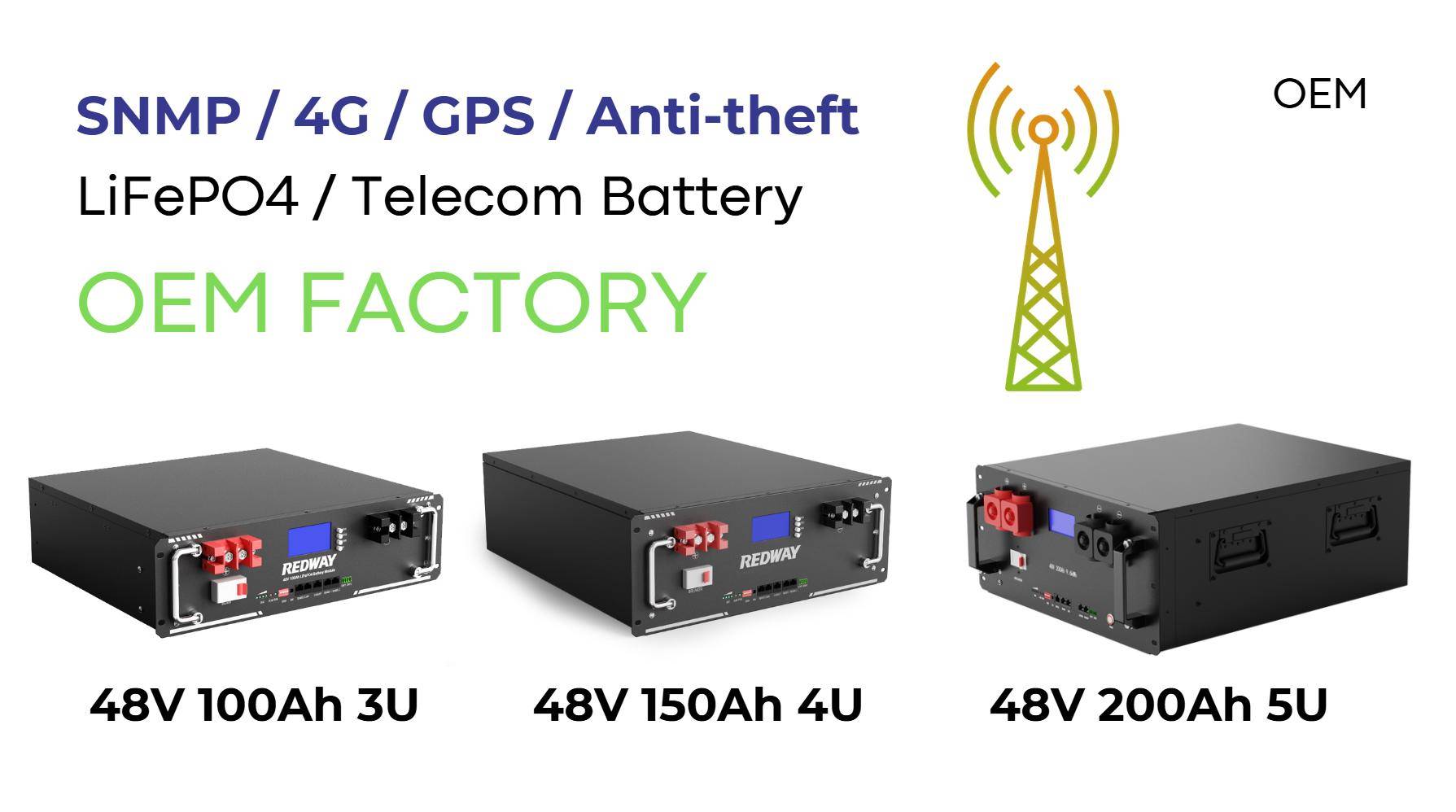
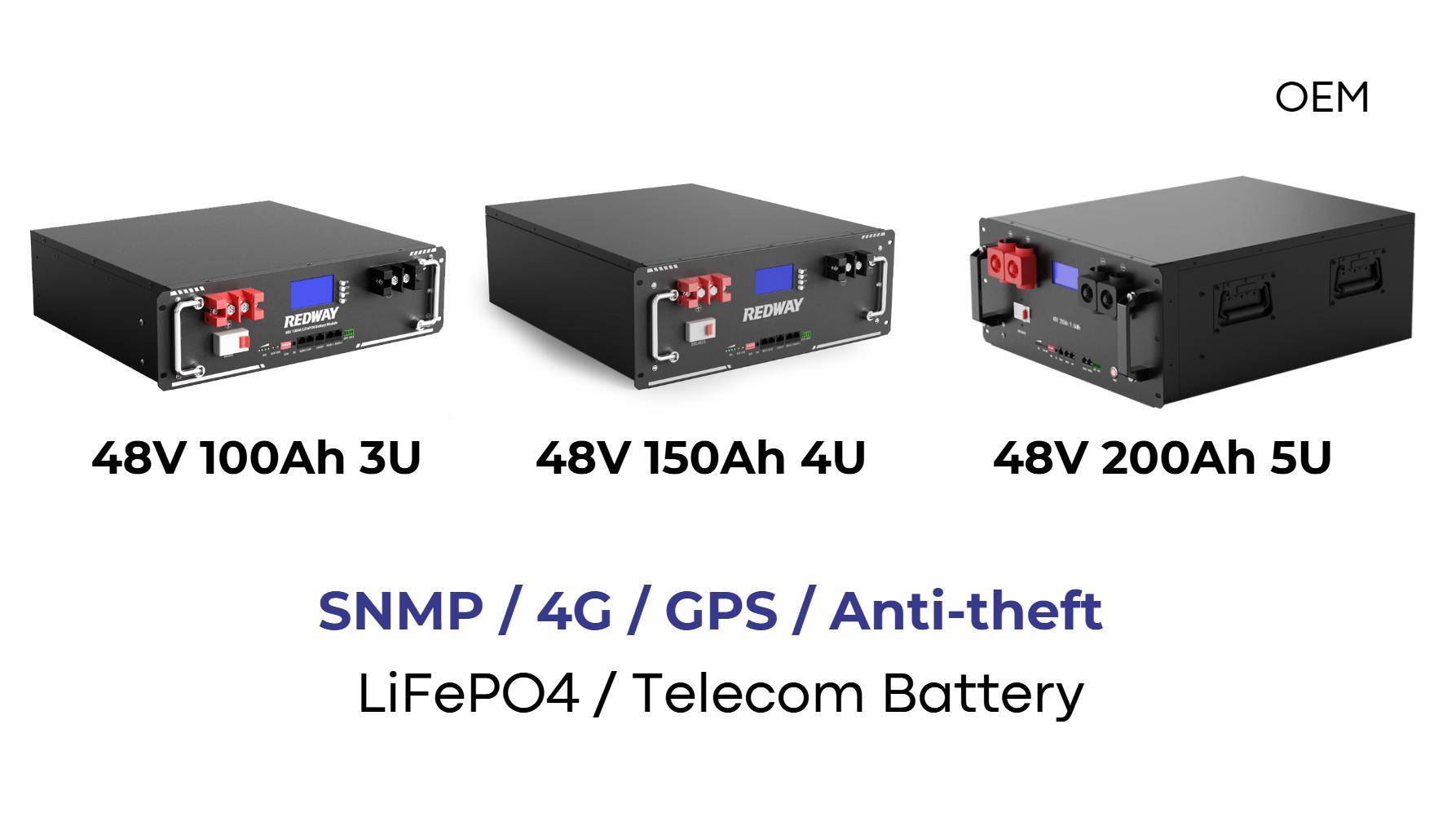
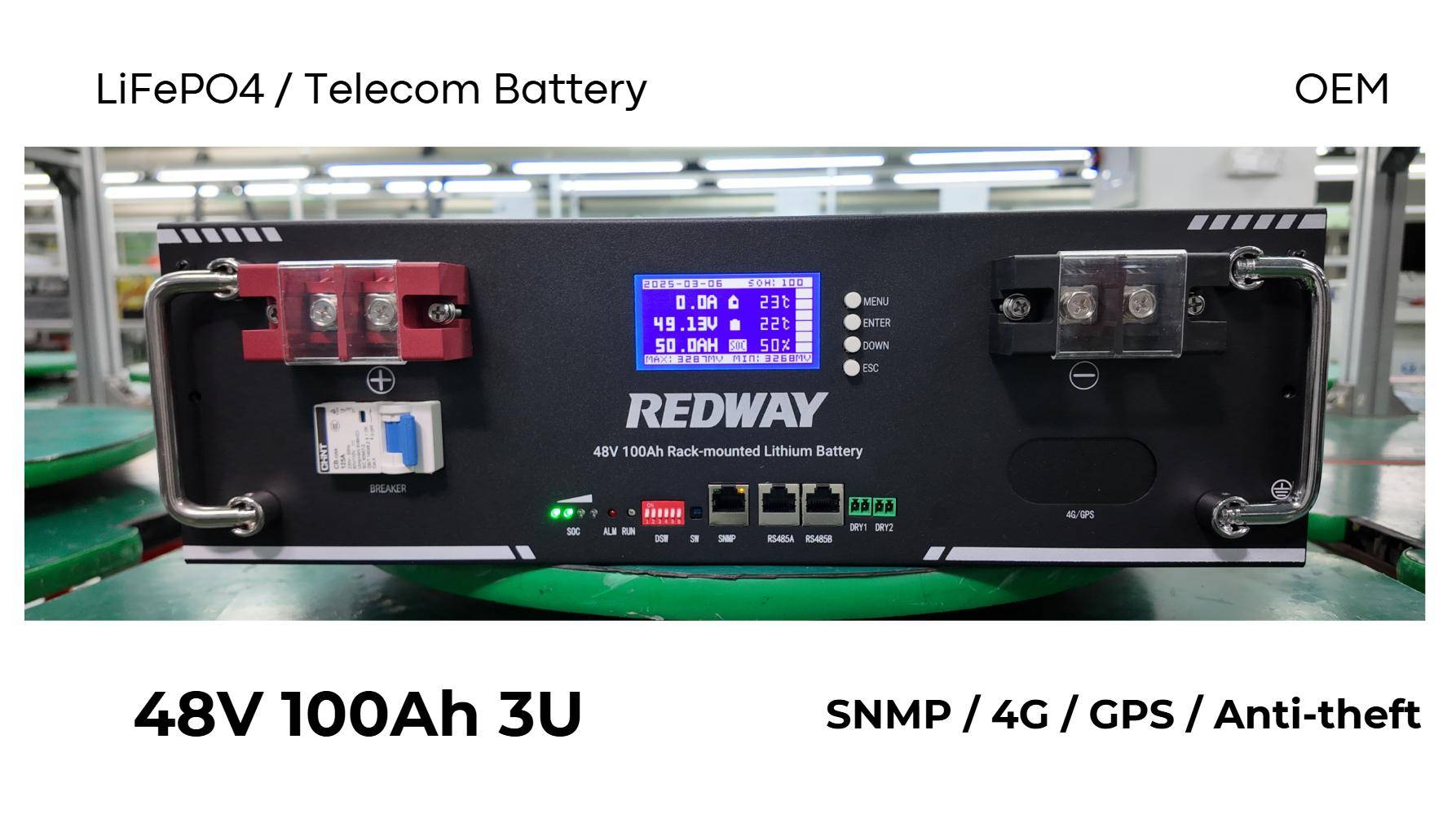
Lithium batteries revolutionize telecom infrastructure by offering higher energy density, longer lifespan, and reduced maintenance compared to traditional lead-acid batteries. They ensure reliable power backup in extreme conditions, lower operational costs, and support renewable energy integration. Their lightweight design and scalability make them ideal for remote telecom towers, enhancing network uptime and sustainability.
What Cost Savings Do Lithium Batteries Offer Telecom Operators?
Though 30% pricier upfront, lithium batteries save 40-60% in total ownership costs over 10 years. They eliminate frequent replacement (lasting 8-12 years vs. 3-5 for lead-acid) and reduce diesel generator runtime. A 500-site telecom network reported $2.7M annual savings using lithium, with ROI achieved within 4 years.
Operators benefit from lithium’s maintenance-free design, which reduces technician visits by 70%. Unlike lead-acid batteries requiring monthly equalization charges, lithium systems self-balance cells through integrated BMS. Fuel savings are particularly significant in off-grid sites—a Kenyan telecom provider cut diesel consumption from 18,000 liters to 7,500 liters annually per tower. Additional savings come from reduced cooling costs, as lithium batteries operate efficiently at higher ambient temperatures without requiring air-conditioned shelters.
| Cost Factor | Lead-Acid | Lithium |
|---|---|---|
| 10-Year Replacement Cycles | 3 | 1 |
| Annual Fuel Costs | $12,400 | $5,800 |
| Maintenance Labor | 120 hours/year | 20 hours/year |
How Do Lithium Batteries Support Renewable Energy Integration?
Lithium’s rapid charging accepts irregular solar/wind input without damage. Telecom towers using hybrid systems with lithium cut CO2 emissions by 80%. For example, a Nigerian solar-lithium tower operates 72 hours off-grid vs. 12 hours with lead-acid. Their depth-of-discharge (90% vs. 50% for lead-acid) maximizes renewable utilization.
The chemistry’s low self-discharge rate (2% monthly vs. 5% for lead-acid) makes lithium ideal for seasonal energy storage. In Himalayan telecom installations, lithium banks store surplus summer solar energy for winter use, maintaining 95% charge efficiency after six months. Advanced systems now incorporate predictive algorithms that sync battery charging patterns with weather forecasts, increasing renewable capture by 18%. This capability positions lithium as the backbone for telecom’s net-zero initiatives.
| Parameter | Lead-Acid | Lithium |
|---|---|---|
| Solar Utilization Rate | 61% | 89% |
| Charge Acceptance | 0.3C | 1C |
| Night Load Coverage | 9 hours | 27 hours |
Expert Views
“Lithium isn’t just a battery upgrade—it’s a grid architecture shift. Our deployments show 22% lower OPEX and 34% fewer site visits. With AI-driven predictive maintenance, lithium systems self-optimize for tower load patterns. The next leap? Solid-state lithium telecom batteries offering 15-year lifespans and 2x energy density by 2027.
— Dr. Elena Torres, CTO of GridEdge Solutions
FAQs
- How Long Do Telecom Lithium Batteries Last?
- 8-12 years vs. 3-5 for lead-acid, with 6,000+ cycles at 80% depth-of-discharge. Degradation is linear—after 10 years, capacity drops to 70%, still usable for lower-priority loads.
- Are Lithium Batteries Recyclable?
- Yes—98% of lithium components are recoverable. Programs like Redwood Materials repurpose cells for grid storage. EU regulations mandate 70% recycling efficiency by 2030.
- Do Lithium Batteries Require Air Conditioning?
- No—they operate at -20°C to 60°C ambient. Built-in heaters activate below -10°C. This eliminates AC costs, saving $1,200/site/year in tropical regions.