Blog
Why Is High Energy Density Vital for Telecom Lithium Batteries

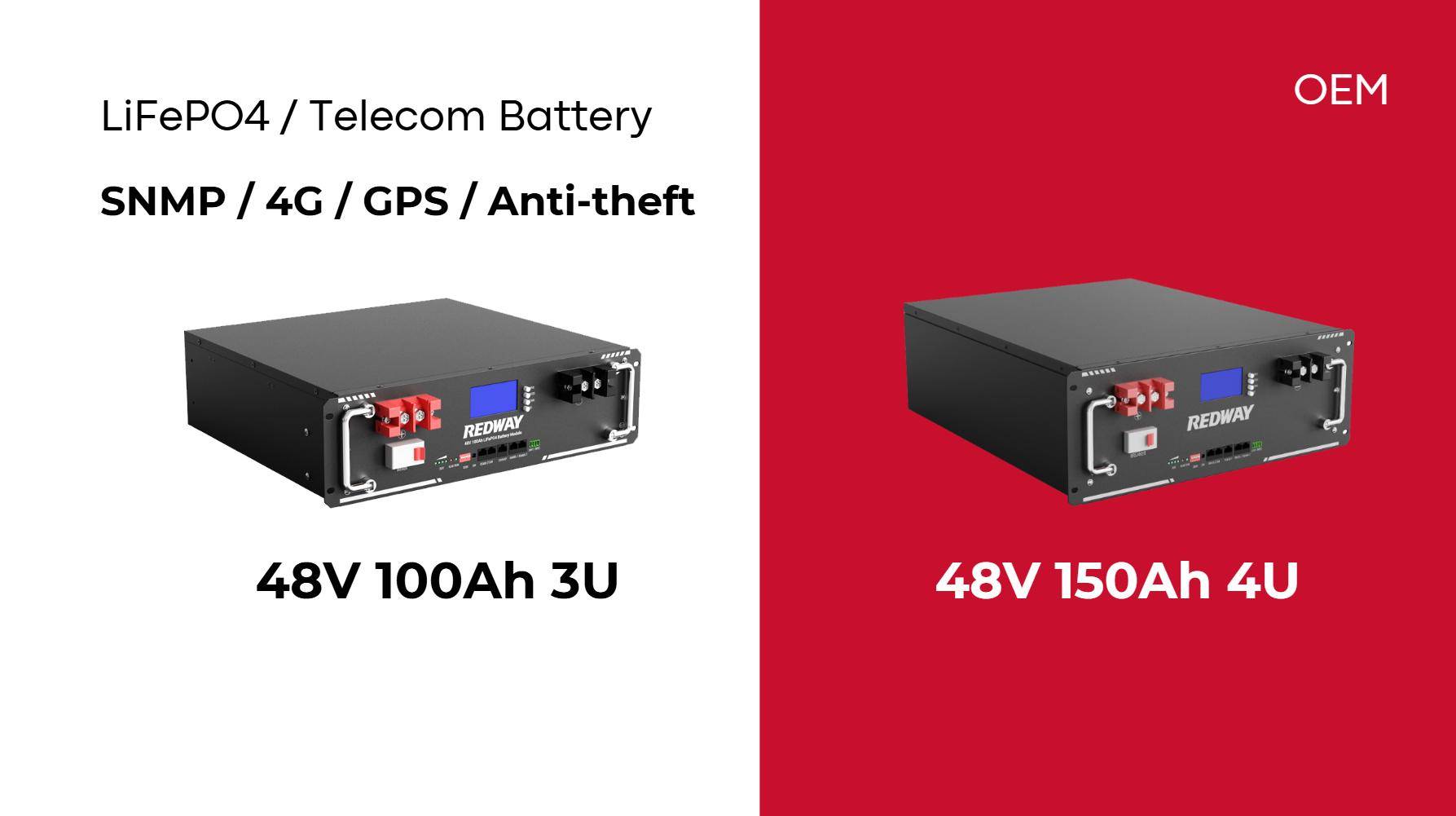
Telecom lithium batteries achieve high energy density through advanced lithium-ion chemistry, optimized cell design, and efficient thermal management. This allows more energy storage in compact spaces, critical for telecom towers requiring long runtime with minimal footprint. Their superior charge retention and discharge efficiency outperform traditional lead-acid batteries, ensuring reliable backup power for critical infrastructure.
How Does Lithium Battery Chemistry Enable High Energy Density?
Lithium-ion batteries use lightweight lithium compounds and graphite anodes, enabling higher electron mobility than lead-acid or nickel-based alternatives. This chemistry reduces internal resistance, allowing energy densities of 150-250 Wh/kg—triple that of lead-acid. Innovations like lithium iron phosphate (LiFePO4) enhance stability while maintaining energy density, making them ideal for telecom applications requiring compact, long-lasting power.
Why Is Energy Density Critical for Telecom Infrastructure?
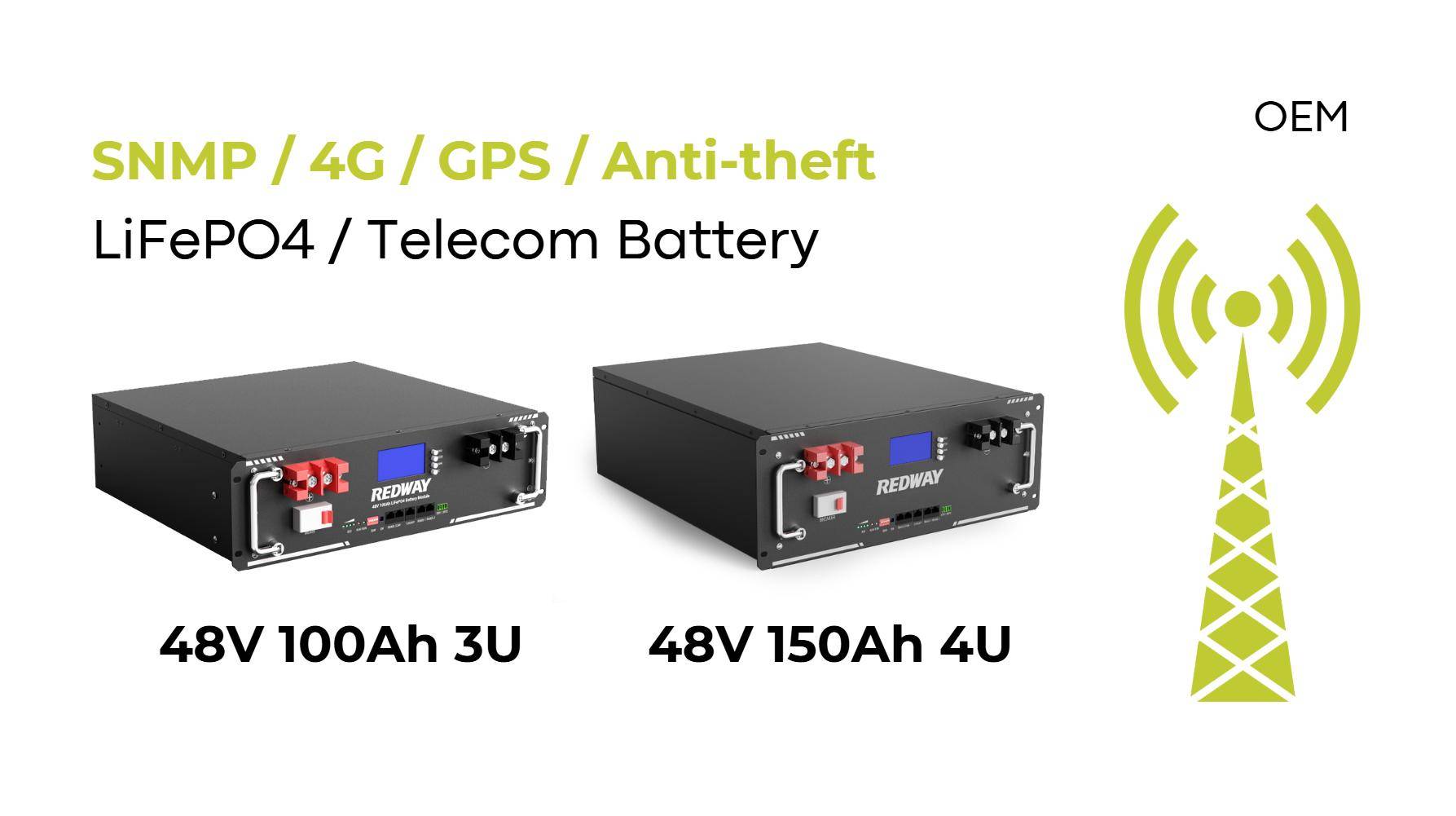
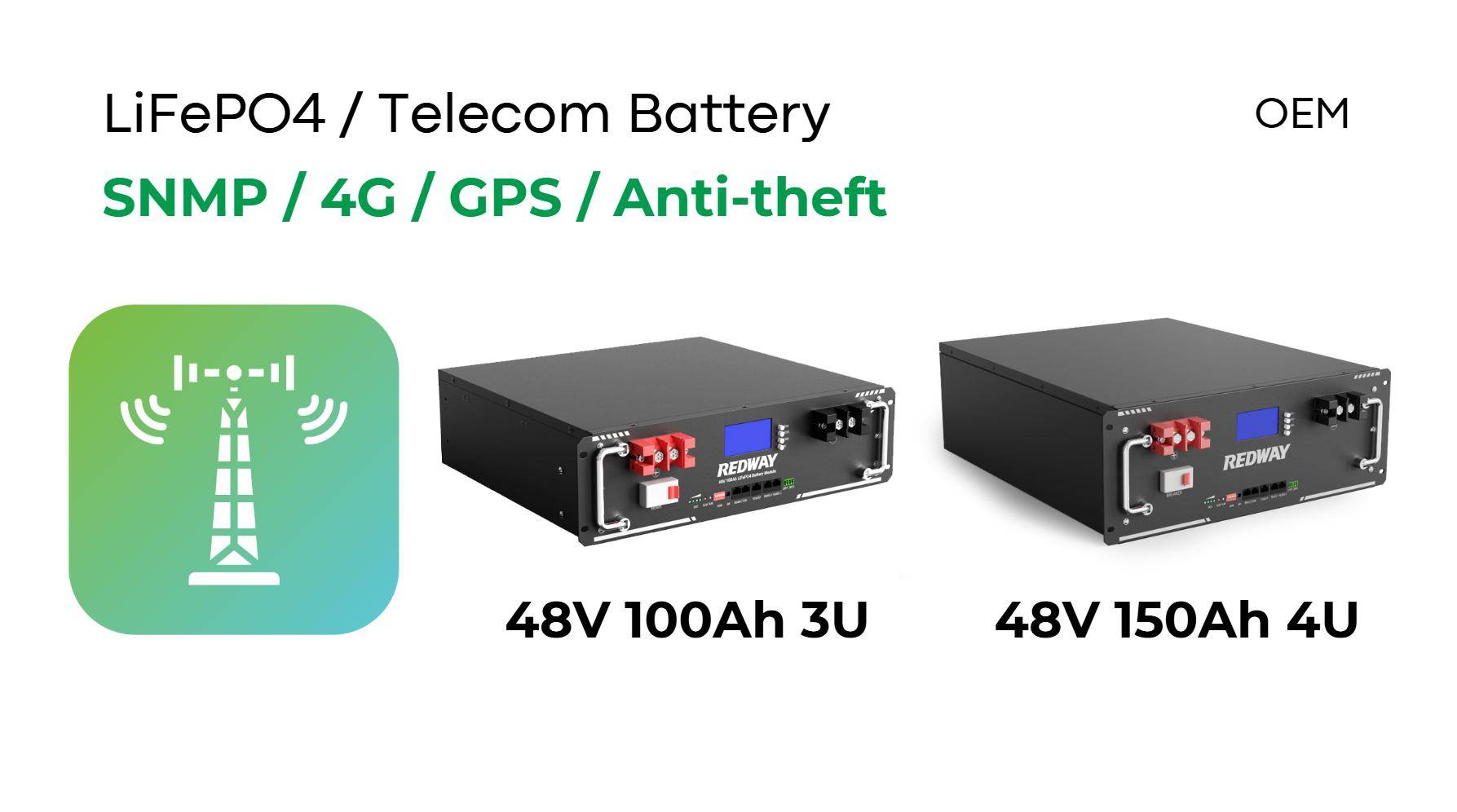
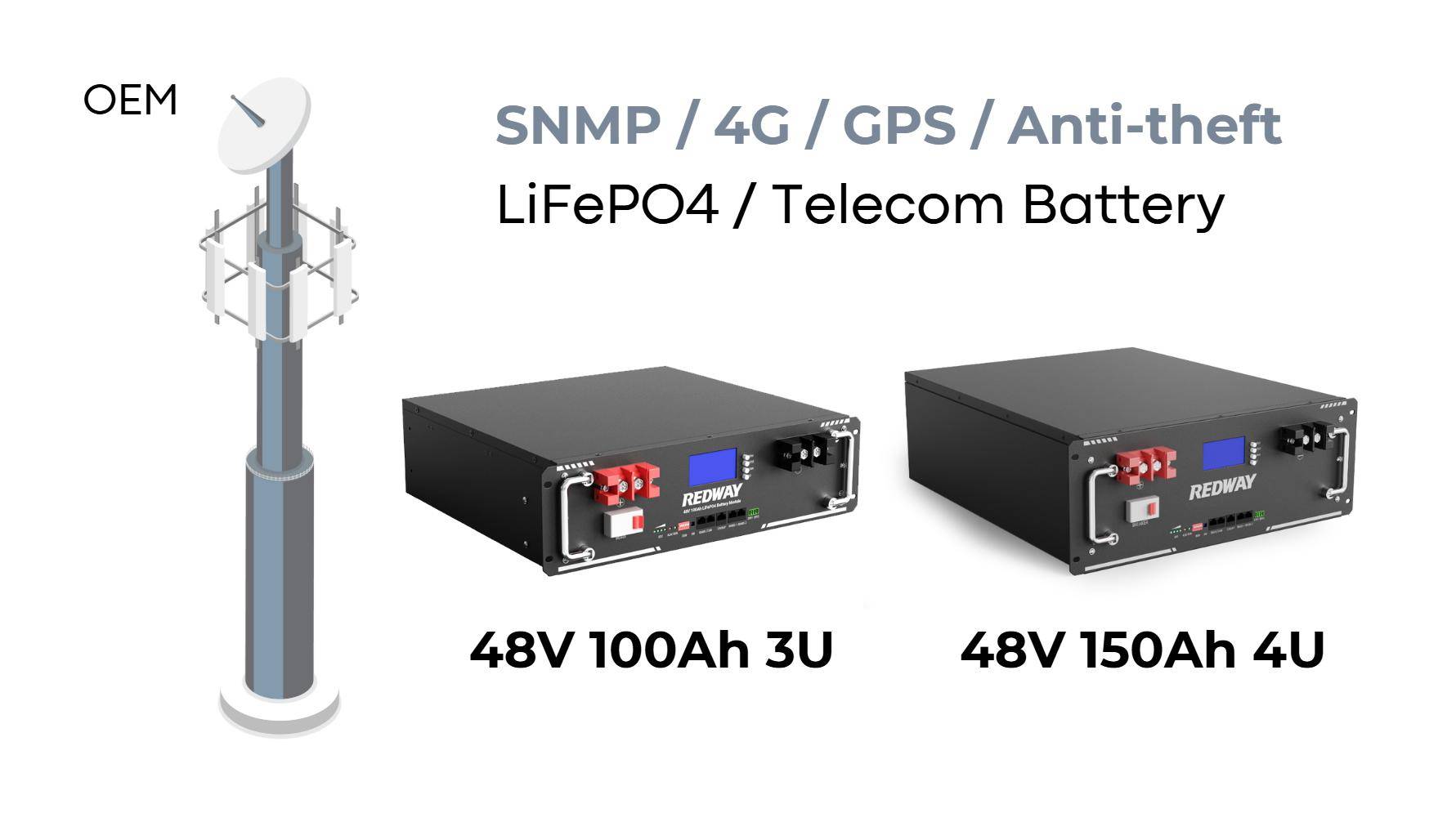
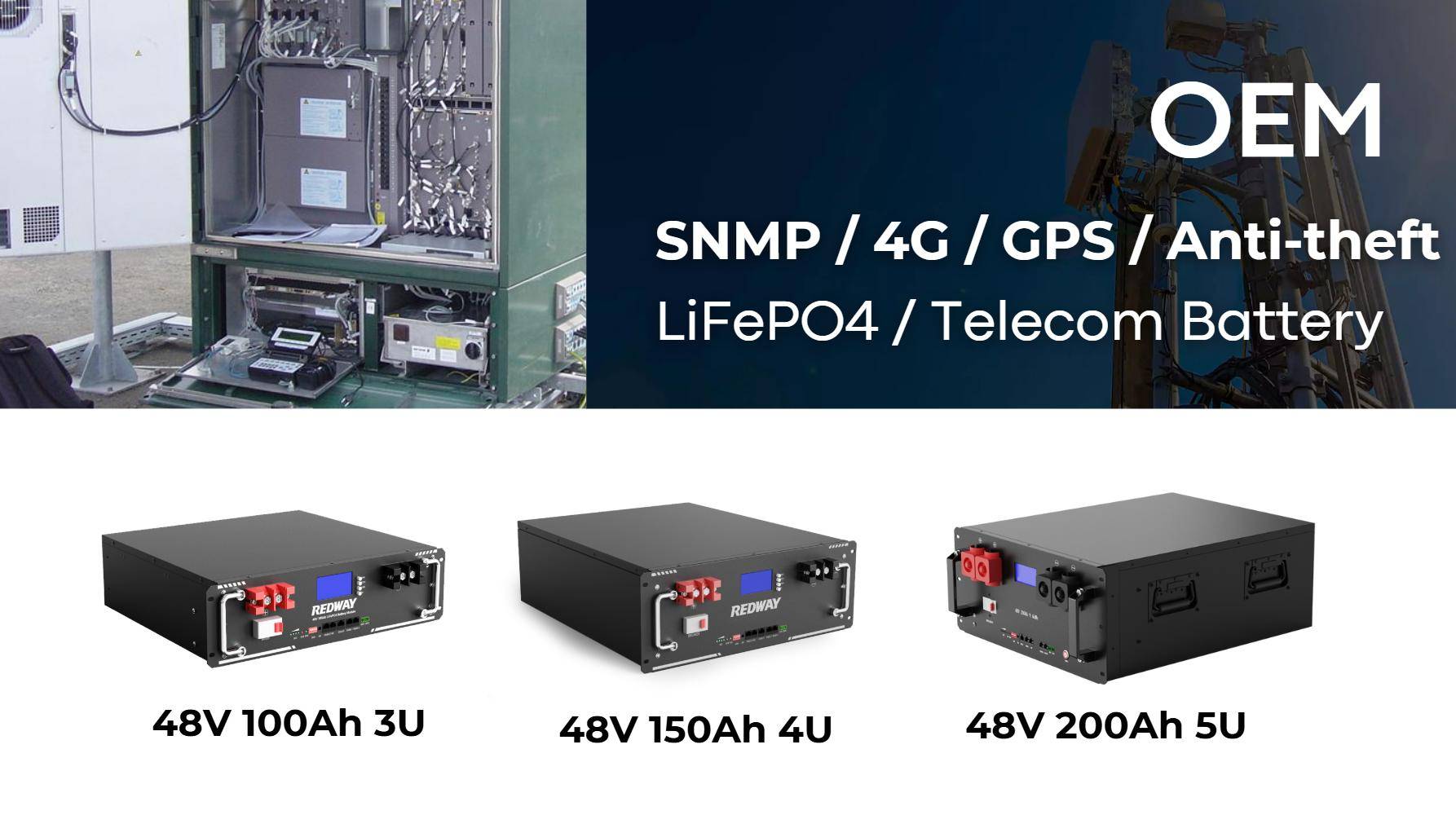
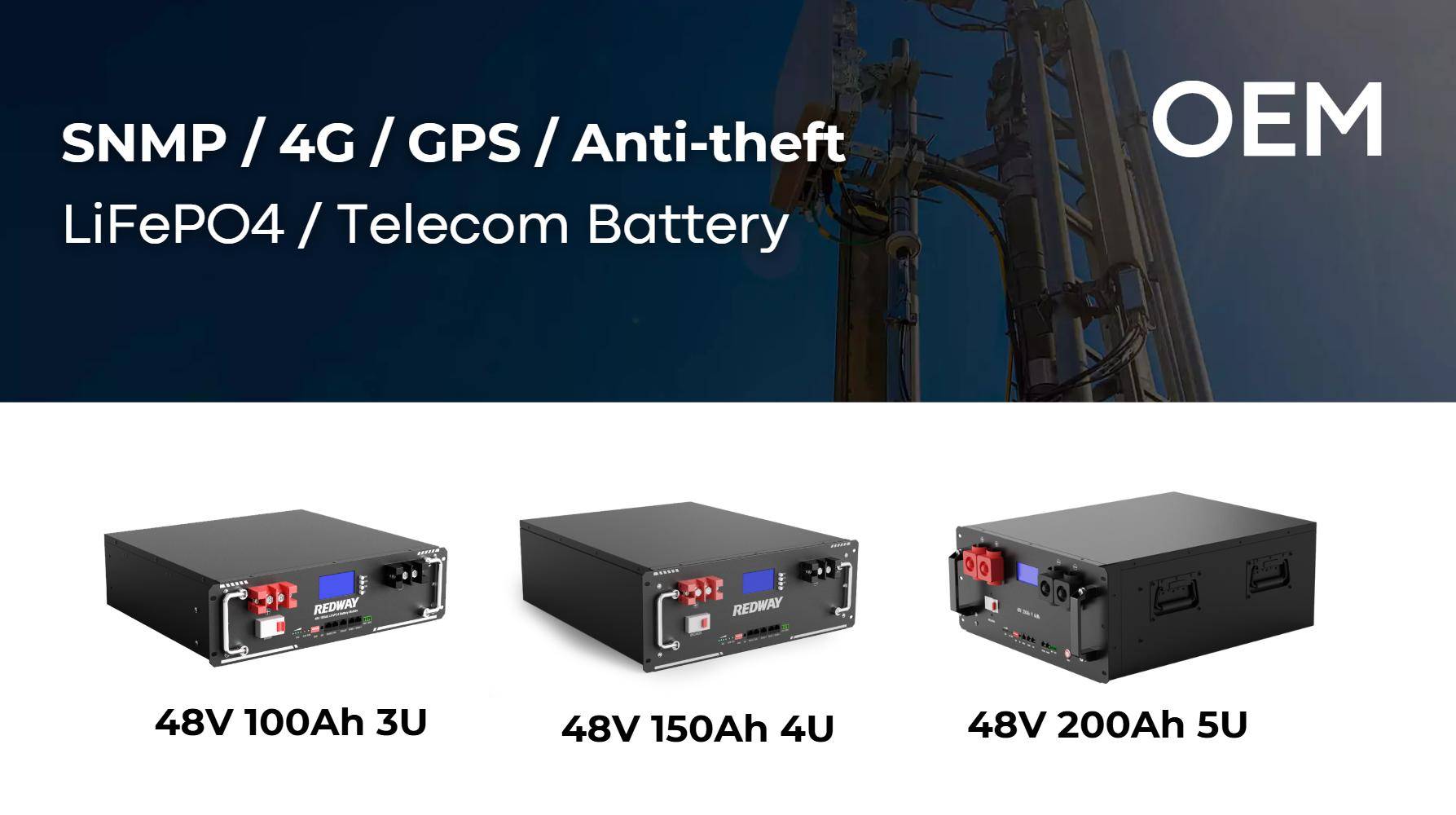
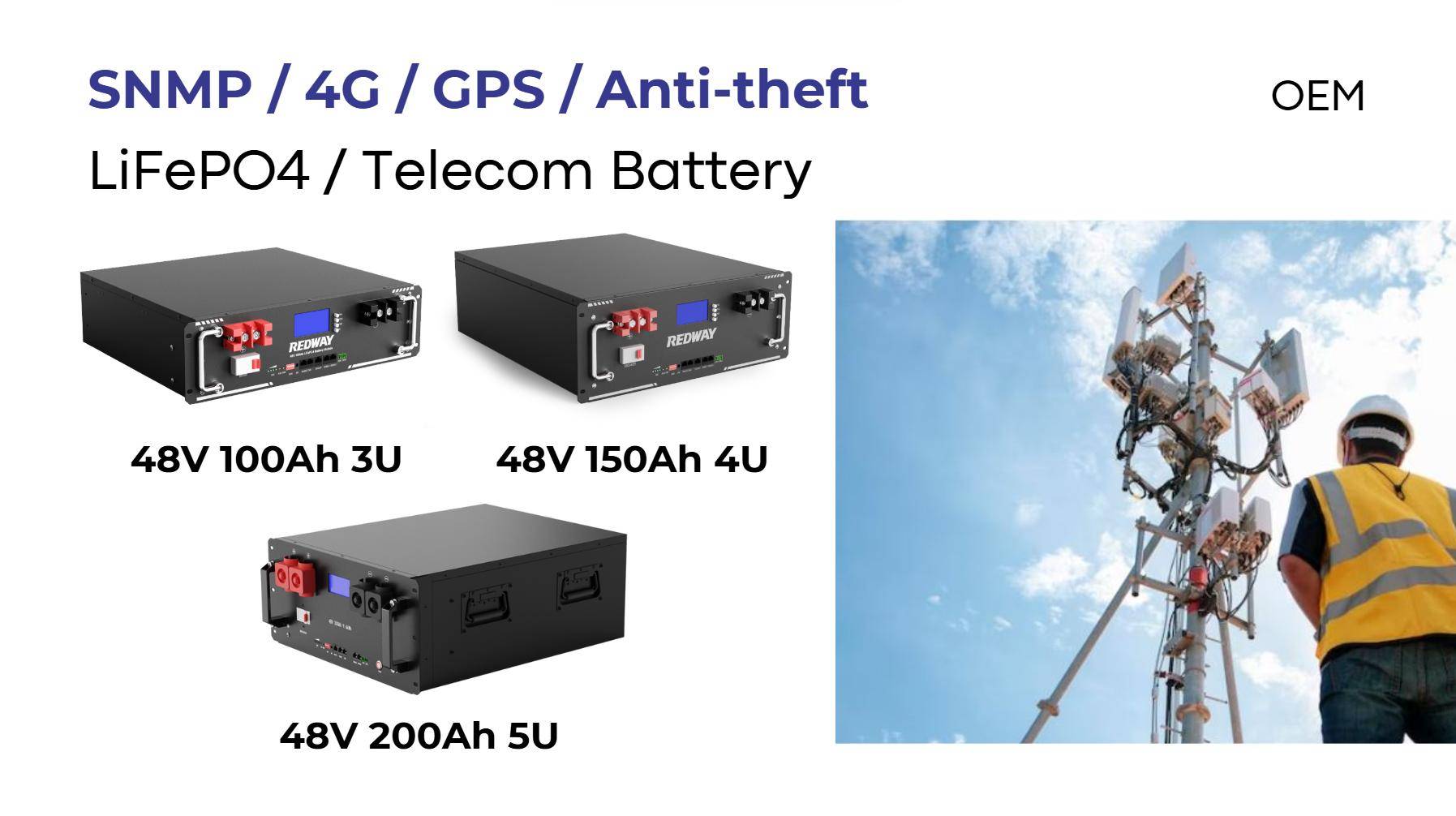
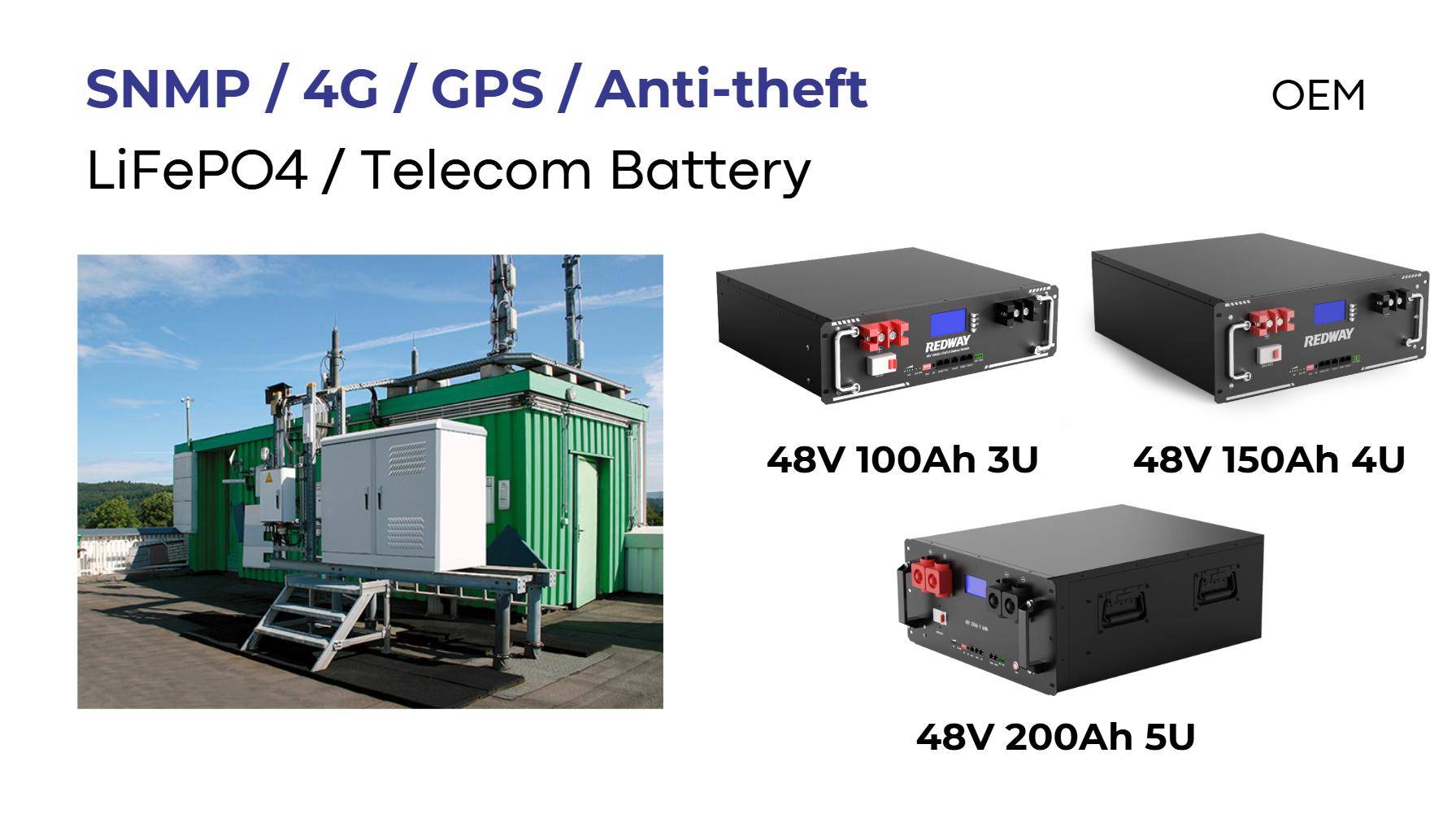
Telecom towers demand uninterrupted power in space-constrained environments. High energy density lithium batteries provide extended backup hours without bulky installations. For example, a 48V 100Ah lithium battery replaces 12 lead-acid units, saving 70% space. This efficiency supports 5G networks and remote sites where frequent maintenance isn’t feasible, ensuring consistent connectivity during grid outages.
Urban telecom installations often face strict zoning regulations limiting equipment footprint. A single lithium battery rack occupying 0.5m² can power a macro tower for 8 hours, whereas lead-acid systems requiring 2m² might violate municipal codes. In mountainous or offshore sites, helicopters transport batteries—lithium’s 60% weight reduction cuts logistics costs by $15,000 per deployment. Energy density also enables future-proofing: Operators can add capacity vertically in existing cabinets rather than expanding horizontally. Vodafone’s 2022 pilot in Barcelona demonstrated how lithium systems supported 40% more small cells per square kilometer for 5G densification compared to legacy power solutions.
What Factors Degrade Lithium Battery Performance in Telecom?
Key degradation factors include extreme temperatures (above 45°C accelerates capacity loss), deep discharges below 20% SOC, and improper charging voltages. Vibration in mobile towers and infrequent cycling also reduce lifespan. Modern BMS (Battery Management Systems) mitigate these by regulating temperature, charge cycles, and load distribution, extending operational life to 8-12 years.
How Do Telecom Lithium Batteries Outperform Lead-Acid Alternatives?
Lithium batteries offer 95% round-trip efficiency vs. 80% for lead-acid, reducing energy waste. They tolerate deeper discharges (80-90% DoD) without sulfation damage, providing 3x more usable capacity. Weight savings of 60% lower shipping and installation costs. A 10kWh lithium system lasts 3,000+ cycles, while lead-acid degrades after 500 cycles in similar telecom load conditions.
Can Thermal Management Extend Lithium Battery Lifespan?
Yes. Active cooling systems maintain optimal 15-35°C operating ranges, preventing thermal runaway. Phase-change materials and liquid cooling plates reduce hotspot formation. For instance, Huawei’s telecom batteries use AI-driven airflow control, cutting temperature spikes by 40%. Proper thermal regulation can boost cycle life by 200%, crucial for tropical regions where ambient temperatures exceed 30°C.
What Are the Sustainability Benefits of Telecom Lithium Batteries?
Lithium batteries have 50% lower carbon footprint than lead-acid over their lifecycle. They’re 98% recyclable—cobalt, nickel, and lithium are extracted for reuse. Telecom operators like Ericsson report 30% emissions reduction by switching to lithium. Solar-hybrid configurations further cut diesel generator use, aligning with UN SDG 7 (Affordable Clean Energy) for off-grid tower sites.
How Do Costs Compare Between Lithium and Traditional Telecom Batteries?
Though lithium has 2x higher upfront cost ($400/kWh vs. $200 for lead-acid), its TCO is 40% lower over 10 years. Reduced maintenance (no watering or equalization charges), longer lifespan, and energy savings offset initial investment. For a 500-tower network, this translates to $12M savings, per GSMA’s 2023 energy storage report.
| Cost Factor | Lithium | Lead-Acid |
|---|---|---|
| Upfront Cost per kWh | $400 | $200 |
| Cycle Life | 3,000+ | 500 |
| 10-Year TCO | $550/kWh | $920/kWh |
Indian operator Bharti Airtel achieved 18-month ROI after switching 8,000 towers to lithium, saving $2.8M annually in fuel and maintenance. The batteries’ compatibility with solar integration further reduces OPEX—each 1kW solar array paired with lithium cuts diesel consumption by 4,000 liters yearly. As raw material prices drop 8% annually, lithium is projected to reach cost parity with lead-acid by 2027 for telecom applications.
What Innovations Will Shape Future Telecom Battery Tech?
Solid-state lithium-metal batteries promise 500 Wh/kg densities by 2030. Graphene-enhanced anodes could enable 5-minute charging for hybrid solar systems. AI-powered predictive maintenance, like Nokia’s AVA platform, forecasts battery failures 3 months in advance. These advancements will support edge computing and IoT expansion in 6G networks requiring ultra-reliable power.
“Telecom’s shift to lithium isn’t optional—it’s existential. 5G’s 3x power demand makes energy density the linchpin. We’re developing modular lithium systems that scale with network growth while integrating bidirectional charging for grid stability. The next leap? Batteries that self-repair minor dendrite formations, potentially doubling service intervals.”
— Dr. Elena Voss, Energy Storage Lead, GSMA Innovation Group
Conclusion
High energy density lithium batteries revolutionize telecom infrastructure by merging compact design with unmatched reliability. As networks evolve toward Open RAN and smart grids, these power solutions enable sustainable, cost-effective operations. Operators adopting lithium tech today position themselves to lead in the era of AI-driven network management and zero-carbon connectivity.
FAQs
- How long do telecom lithium batteries last?
- 8-12 years with proper BMS, versus 3-5 years for lead-acid.
- Are lithium batteries safe in extreme weather?
- Yes, with IP55-rated enclosures and -20°C to 60°C operational ranges.
- Can existing towers retrofit lithium systems?
- Absolutely—modular designs allow phased upgrades without service disruption.
Know more:
Why Is High Energy Density Vital for Telecom Lithium Batteries?
How Do Telecom Lithium Batteries Reduce Total Cost of Ownership?
How Do Telecom Lithium Batteries Enable Fast Charging to Reduce Downtime?
How Do Telecom Lithium Batteries Support Environmental Sustainability?
How Do Telecom Lithium Batteries Reduce Maintenance Efforts?
How to Ensure Safety and Stability in Telecom Lithium Batteries?