Blog
How Do Telecom Lithium Batteries Enable Fast Charging to Reduce Downtime?

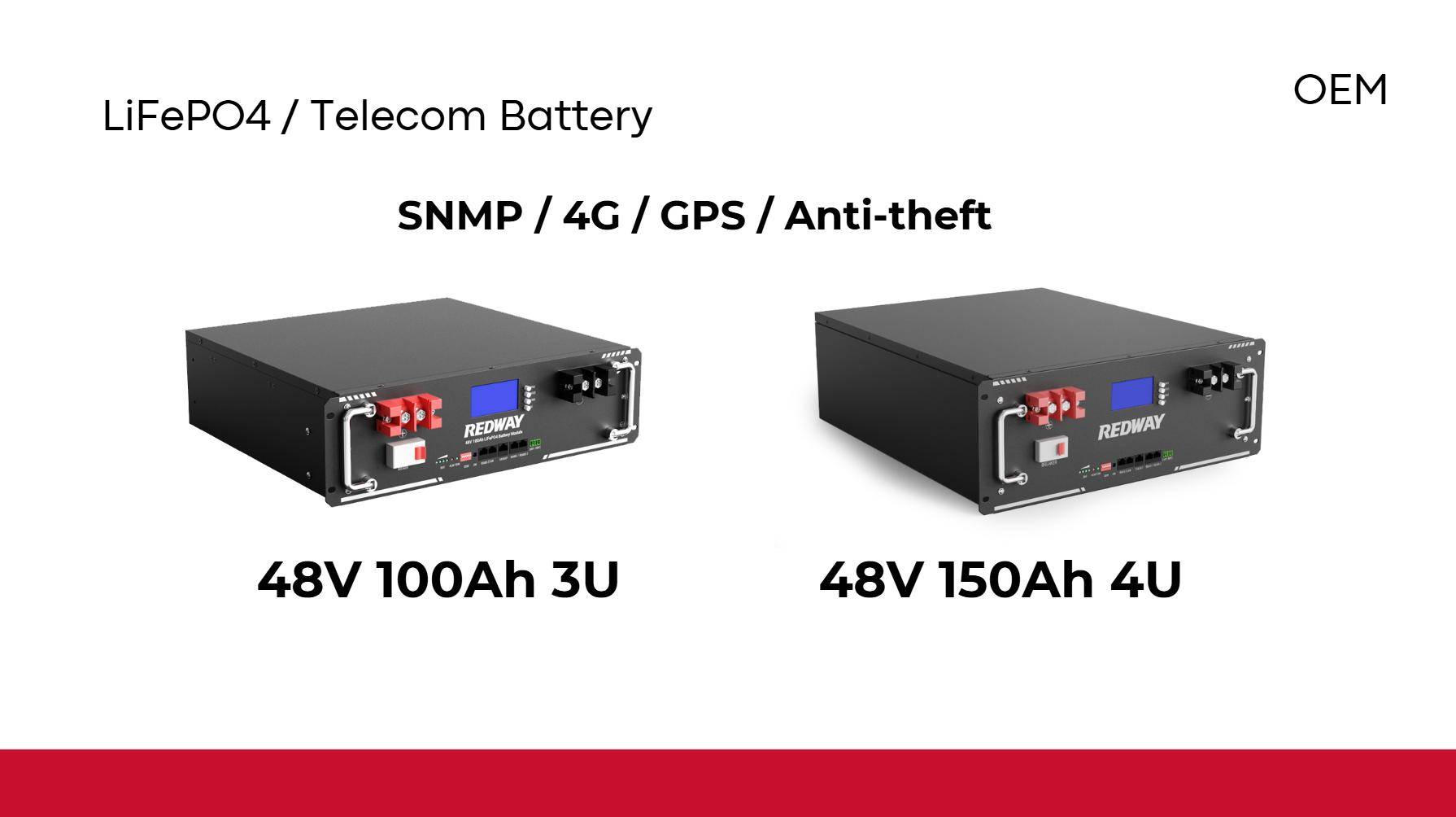
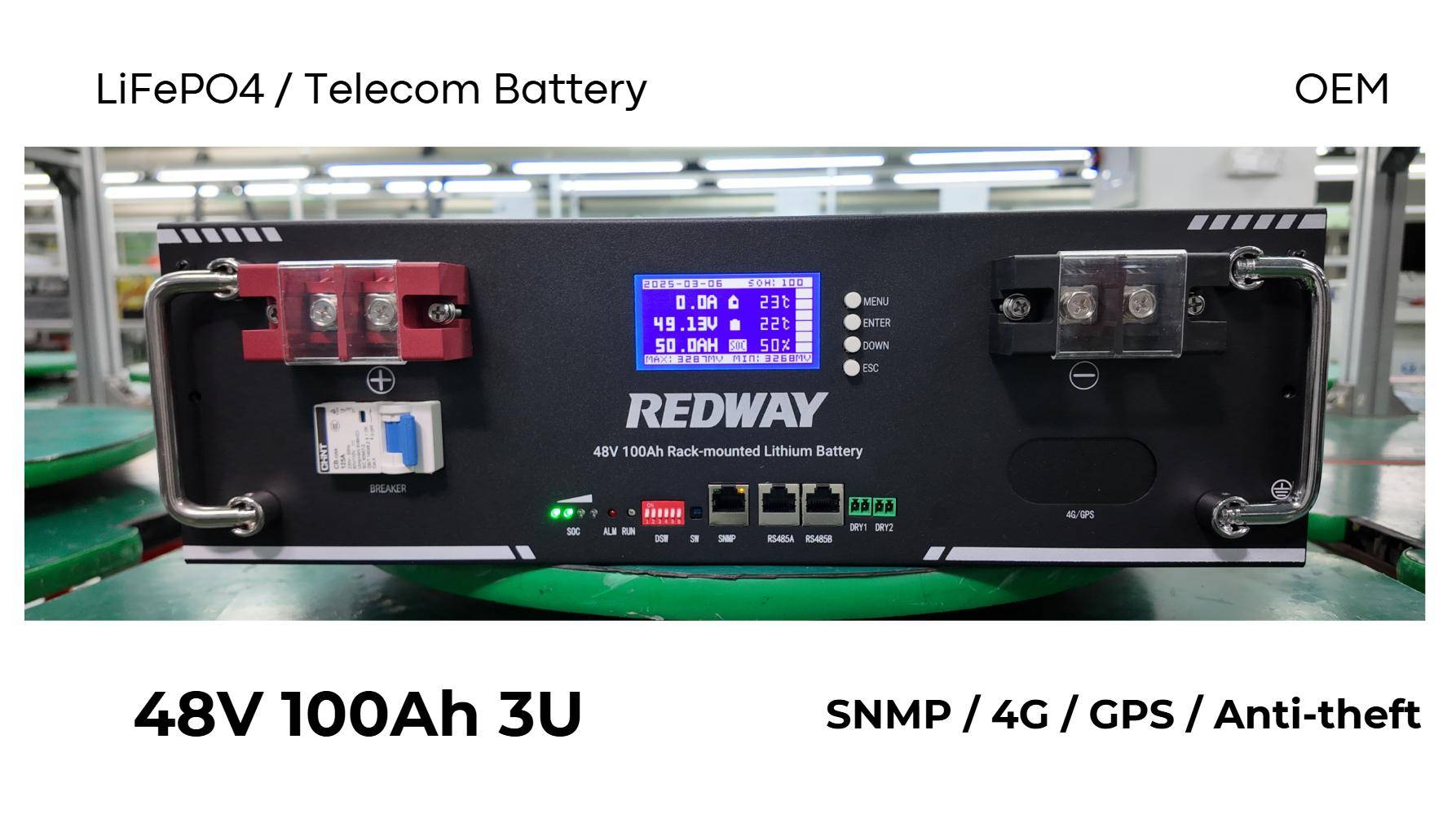
Telecom lithium batteries minimize downtime through advanced fast-charging technologies like high-rate charge acceptance, thermal management, and optimized electrode materials. These features allow rapid energy replenishment while maintaining battery health, ensuring uninterrupted power for critical communication infrastructure during grid outages or peak demand.
How Does Fast Charging Technology Work in Telecom Lithium Batteries?
Fast charging in telecom lithium batteries relies on low-resistance cell designs, nickel-rich cathodes, and intelligent battery management systems (BMS). The BMS monitors voltage, temperature, and state of charge to maximize charging speeds without triggering thermal runaway. Graphite-silicon composite anodes enable faster lithium-ion diffusion, reducing charging times by 40-50% compared to traditional lead-acid systems.
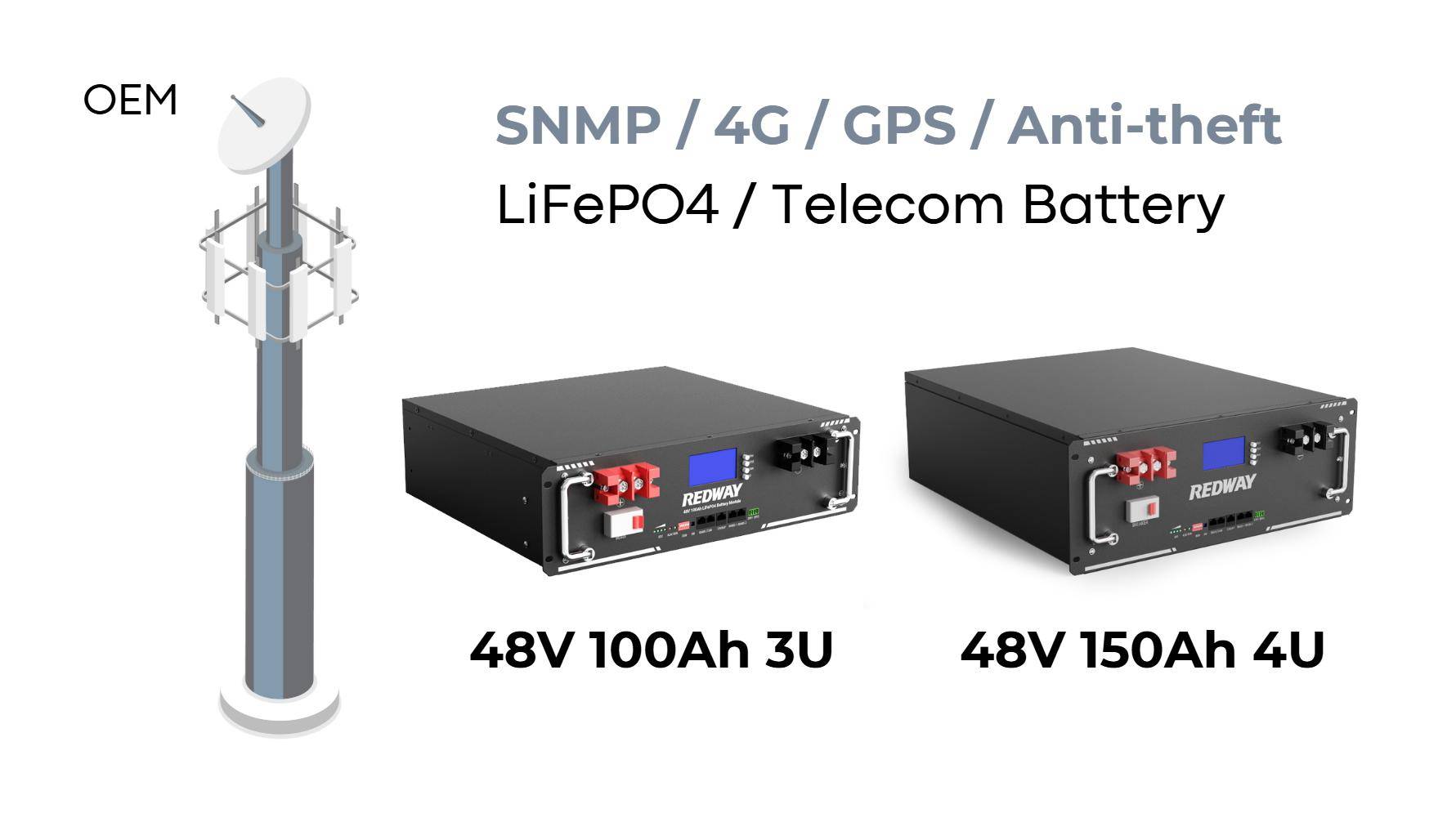
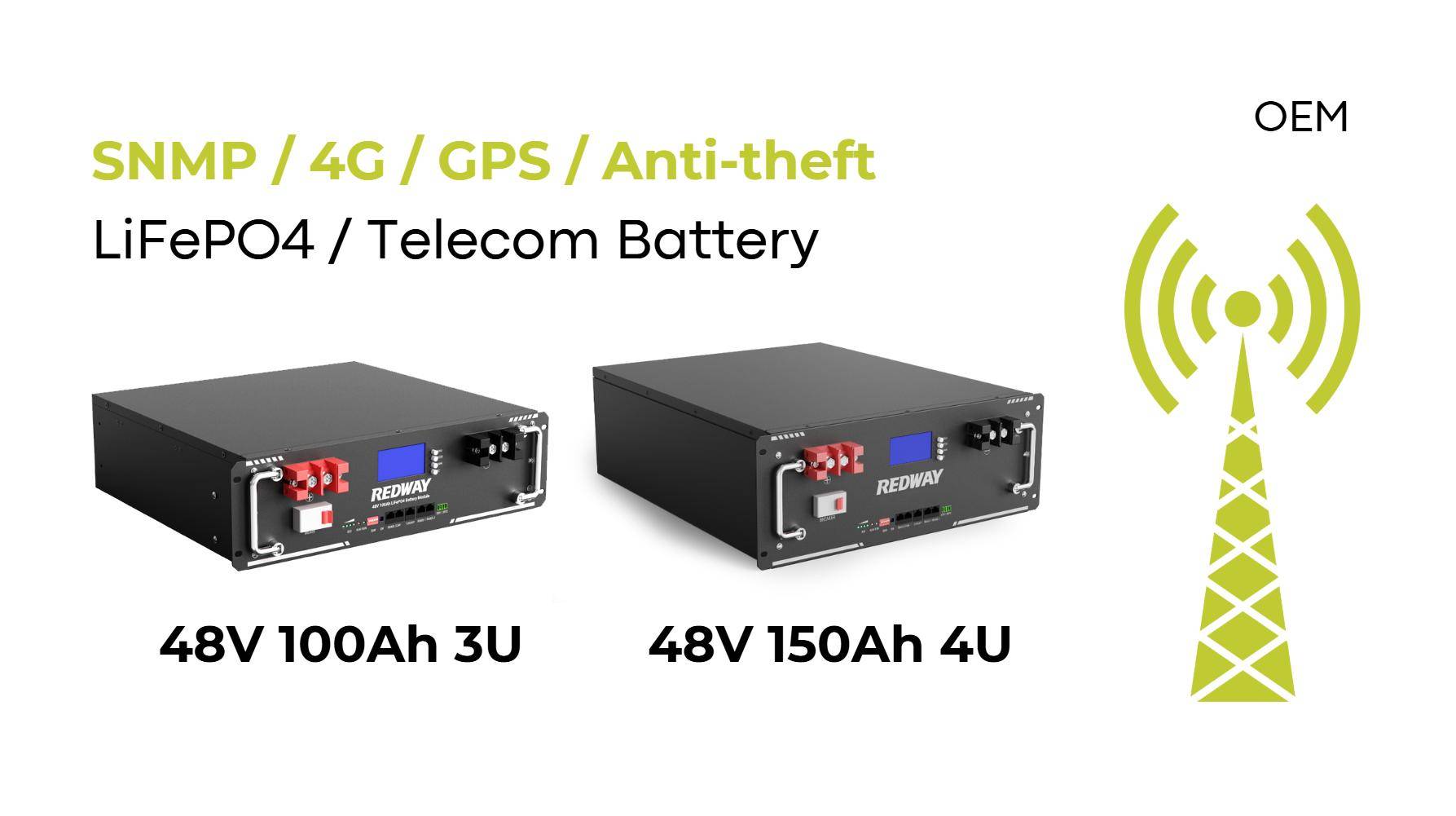
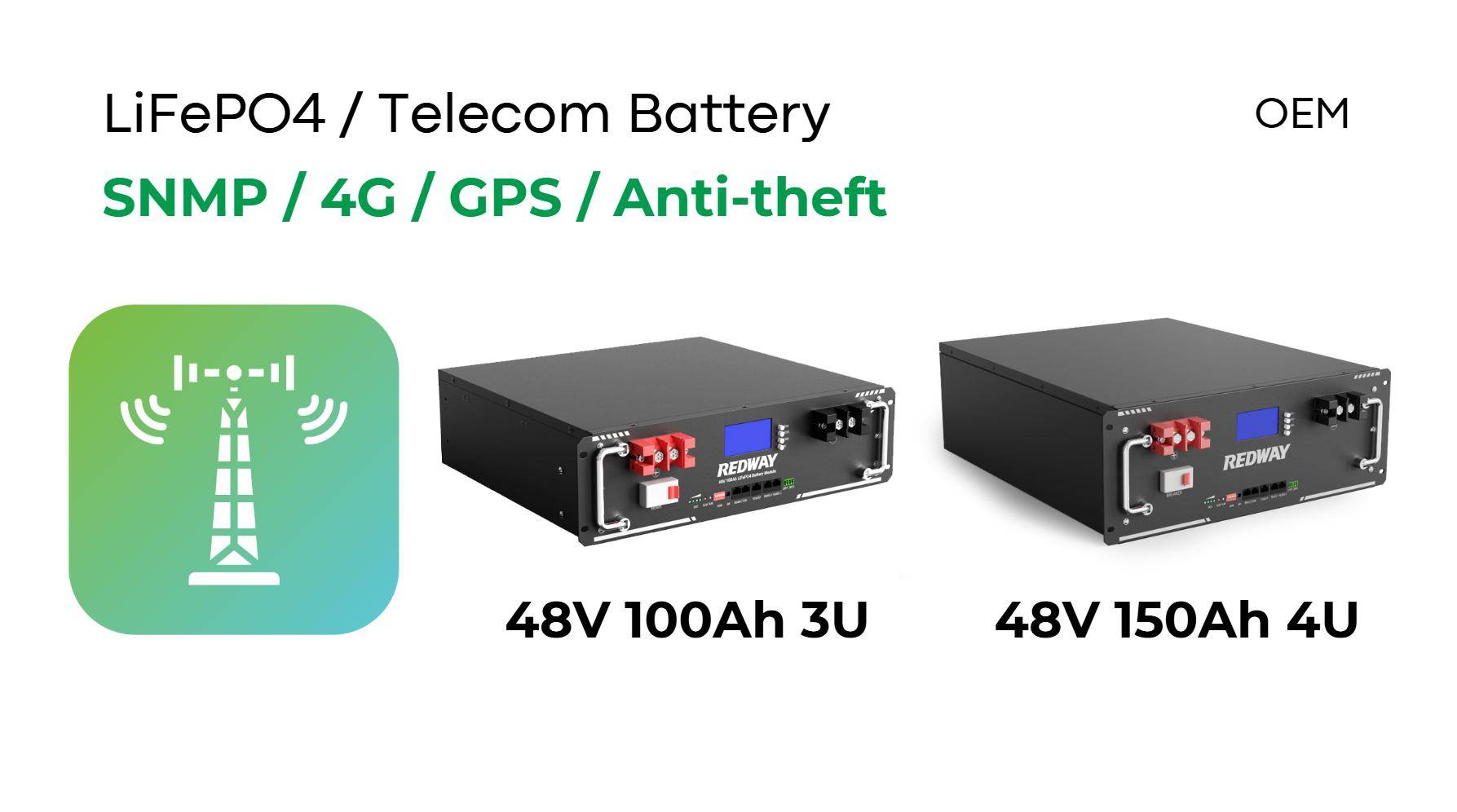
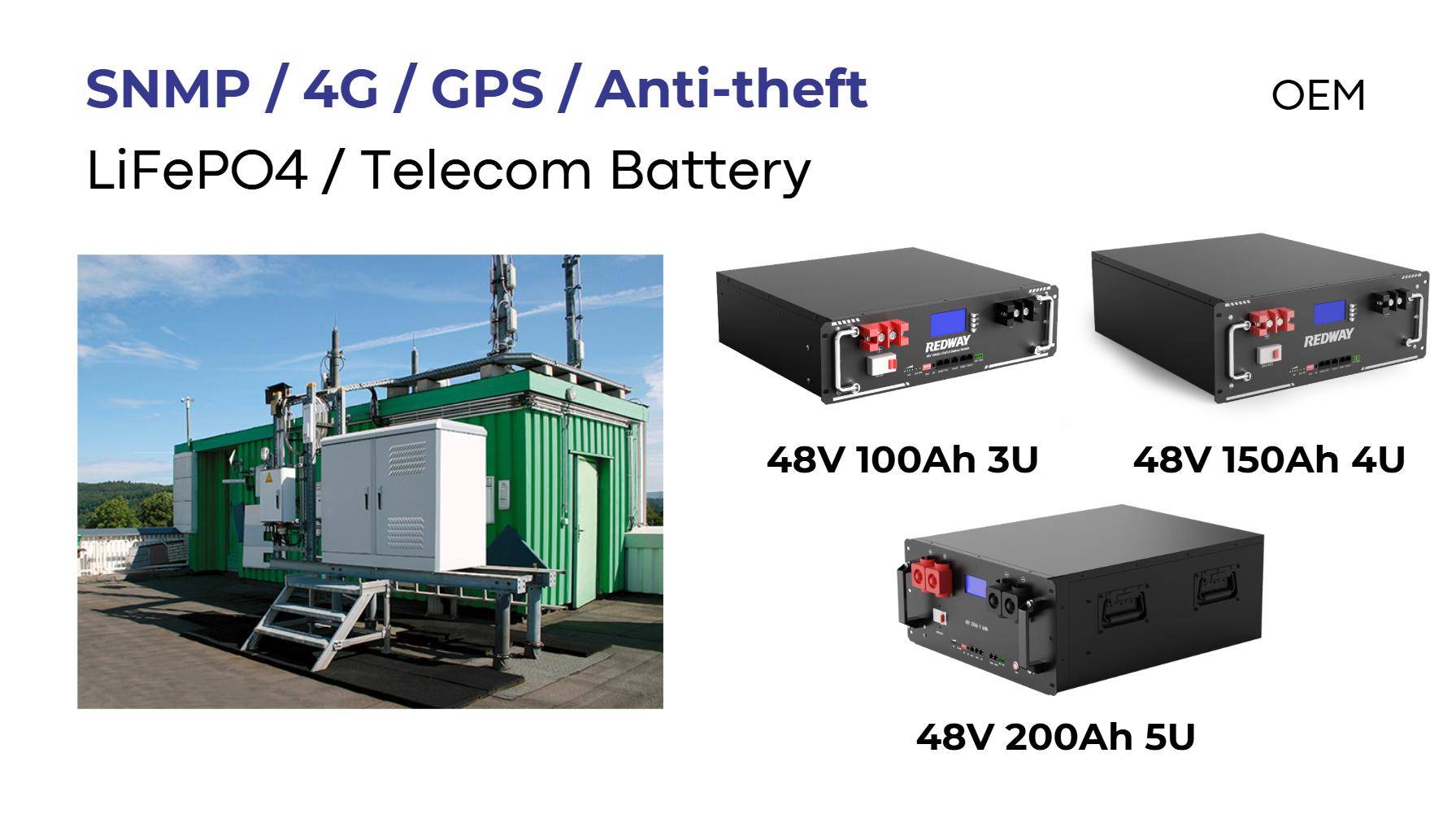
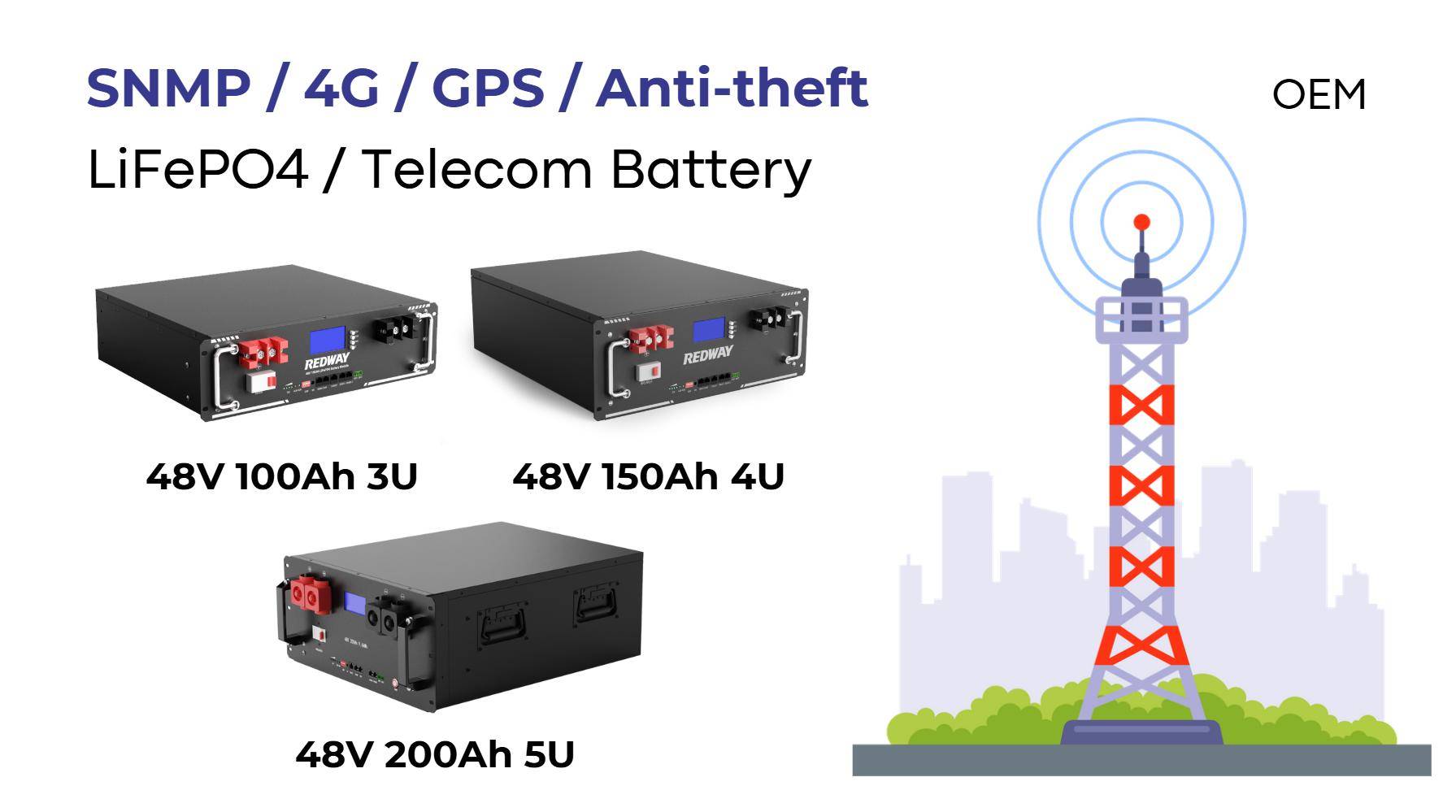
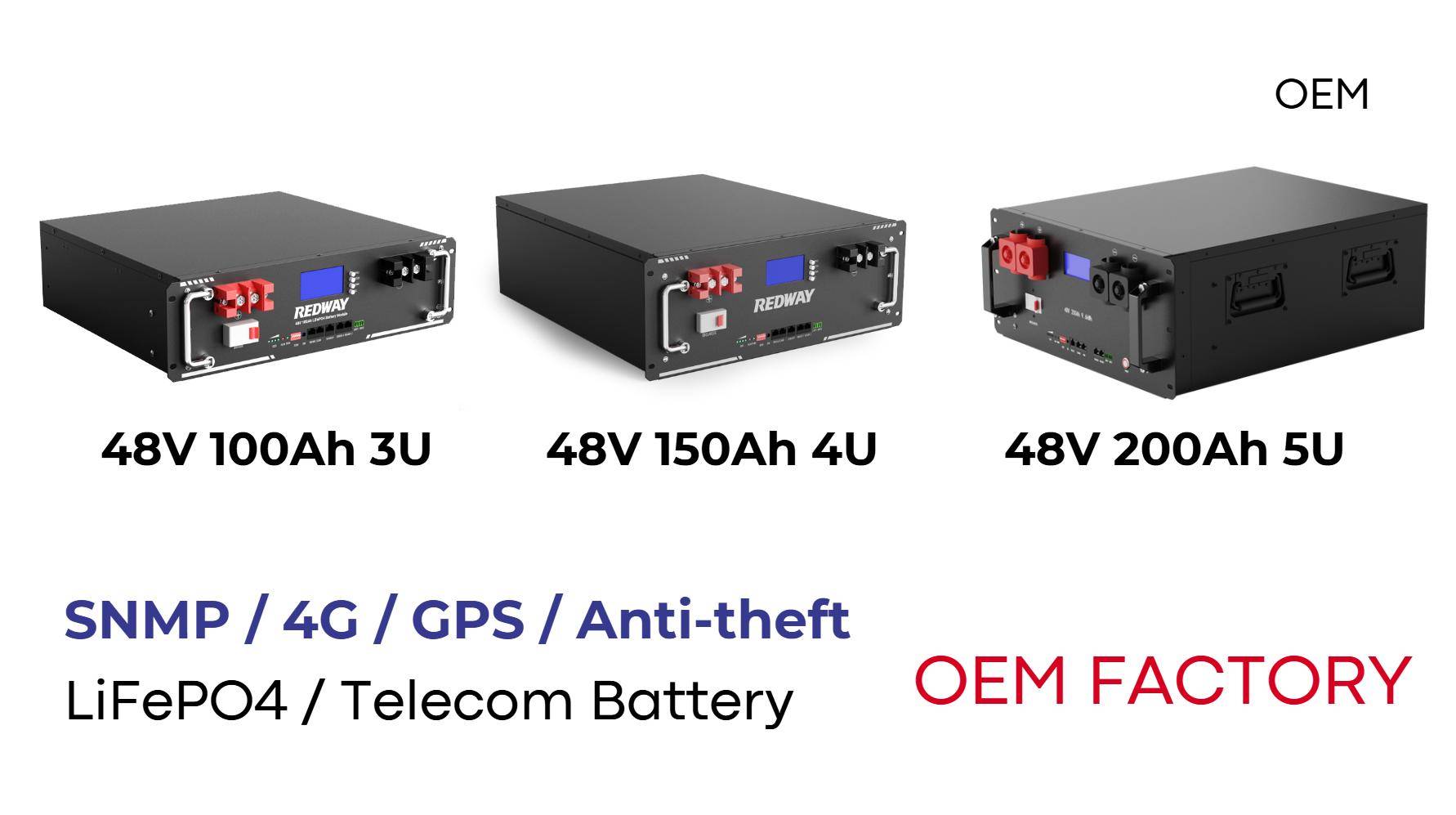
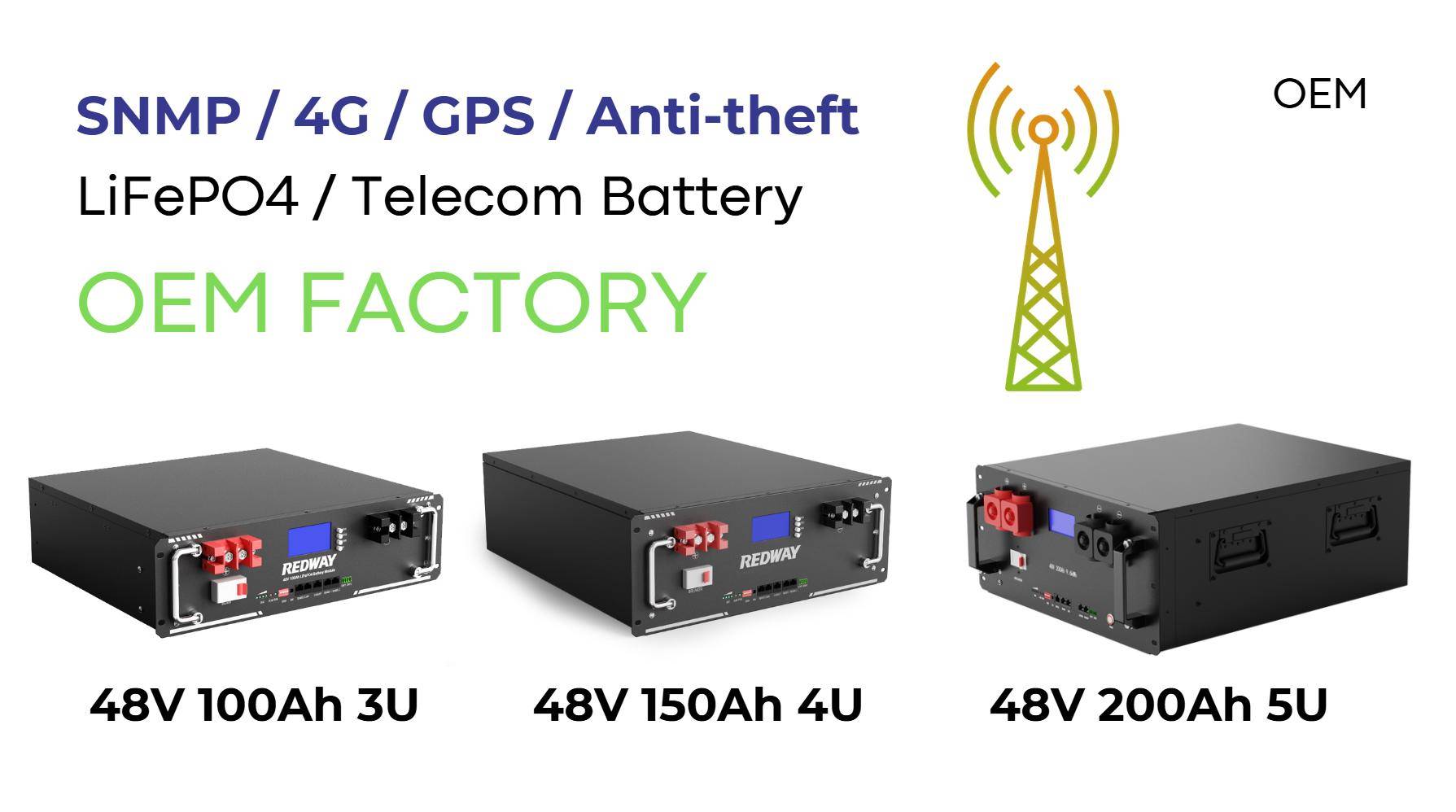
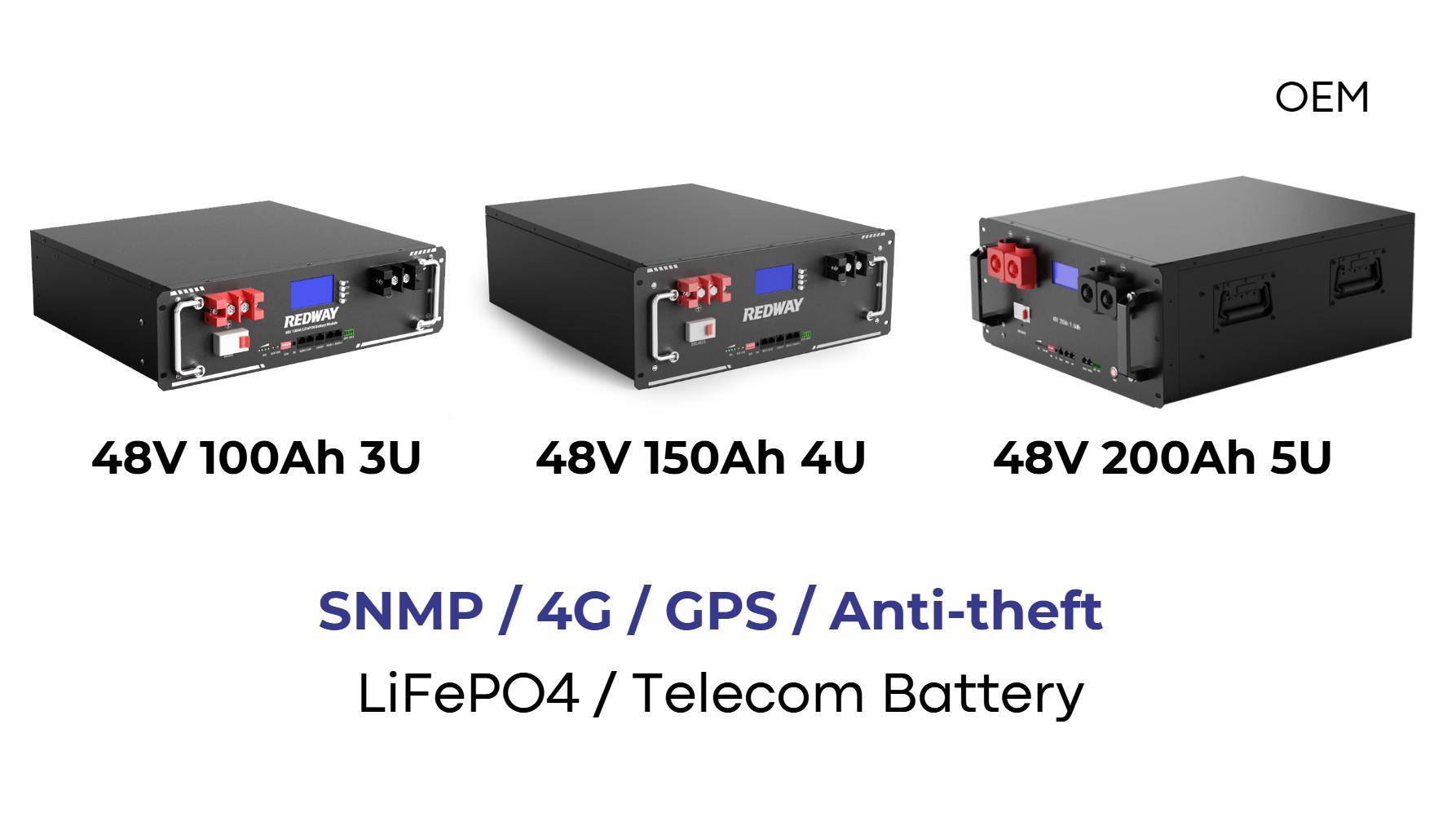
Recent advancements in cathode chemistry have enabled higher lithium-ion mobility rates. For instance, nickel-manganese-cobalt (NMC) cathodes with 80% nickel content demonstrate 25% faster ion intercalation than standard compositions. Paired with copper-foil current collectors that reduce internal resistance by 18%, these systems achieve 2C continuous charging without electrolyte decomposition. Field tests show 48V/100Ah telecom batteries reaching 80% SOC in 22 minutes when paired with 150A rectifiers.
| Charging Metric | Lithium Battery | Lead-Acid |
|---|---|---|
| 0-80% Charge Time | 25 mins | 120 mins |
| Energy Loss During Charge | 5% | 15-20% |
| Peak Charge Rate | 2C | 0.3C |
What Safety Mechanisms Protect Fast-Charging Lithium Batteries?
Multi-layered protection includes ceramic separators with shutdown functionality, pressure relief vents, and flame-retardant electrolytes. Advanced BMS algorithms implement dynamic current throttling when detecting abnormal voltage curves or temperature spikes. UL 1973-certified systems feature redundant fault detection circuits that isolate defective cells within 2 milliseconds of anomaly detection.
Modern safety systems employ three-tier thermal management. Phase-change materials in cell modules absorb heat during 2C charging, while liquid cooling plates maintain surface temperatures below 45°C. If temperatures exceed 60°C, pyro-fuse disconnects physically sever cell connections. Third-party testing reveals these systems contain thermal events within 2 adjacent cells, preventing cascading failures even during 150% overcharge scenarios.
| Safety Feature | Activation Threshold | Response Time |
|---|---|---|
| Voltage Cutoff | ±50mV cell imbalance | 500ms |
| Thermal Fuse | 75°C | 2ms |
| Pressure Venting | 15kPa | 10ms |
Which Telecom Applications Benefit Most From Fast Charging?
5G macro sites with high power demands (6-10kW per sector) utilize 48V lithium batteries with 2C charging rates for grid independence. Edge data centers deploy modular battery cabinets supporting 80% charge in 15 minutes. Disaster recovery systems prioritize fast recharge cycles between 95-98% state of charge (SOC) to maintain readiness for hurricane/earthquake response scenarios.
Know more:
Why Is High Energy Density Vital for Telecom Lithium Batteries?
How Do Telecom Lithium Batteries Reduce Total Cost of Ownership?
How Do Telecom Lithium Batteries Enable Fast Charging to Reduce Downtime?
How Do Telecom Lithium Batteries Support Environmental Sustainability?
How Do Telecom Lithium Batteries Reduce Maintenance Efforts?
How to Ensure Safety and Stability in Telecom Lithium Batteries?
How Does Fast Charging Impact Battery Cycle Life?
Properly engineered lithium ferrophosphate (LFP) batteries maintain 80% capacity after 4,000 cycles at 1C charging. Stress factors are mitigated through:
- Electrolyte additives reducing lithium plating
- Active balancing circuits (±1% cell voltage matching)
- Charge current tapering above 90% SOC
Cycle life testing shows <3% capacity loss per 500 cycles under telecom duty profiles.
What Future Innovations Will Enhance Fast Charging Performance?
Emerging technologies include:
- Graphene-coated current collectors reducing interfacial resistance
- Solid-state electrolytes enabling 4C+ charging rates
- AI-powered BMS predicting optimal charge curves based on historical usage
- Wireless fast charging pads for tower backup systems (98% efficiency in trials)
Expert Views
“The telecom industry’s shift to lithium-based fast charging isn’t optional – it’s existential. Our stress testing shows properly designed systems achieve 10-minute 80% charges without compromising the 15-year lifespan required for carrier-grade infrastructure. The real breakthrough is in adaptive charging algorithms that respond to grid quality variations in real-time.”
— Dr. Elena Voss, Power Systems Architect at NextGen Energy Labs
Conclusion
Fast-charging lithium batteries are revolutionizing telecom power reliability through cutting-edge electrochemistry and intelligent control systems. By balancing speed with longevity, these solutions reduce downtime costs by up to 62% while meeting stringent carrier uptime requirements. Ongoing material science breakthroughs promise even faster recharge capabilities without sacrificing safety margins.
FAQs
- Can existing telecom sites retrofit fast-charging lithium batteries?
- Yes, most 48V systems support drop-in replacements with compatible voltage ranges. However, sites must verify rectifier capacity (typically 100-150A per string) and implement updated charging profiles.
- What temperature ranges support optimal fast charging?
- Ideal operation occurs between 15°C to 35°C. Advanced systems use self-heating below 0°C and liquid cooling above 45°C to maintain charging efficiency ±5% of nominal rates.
- How do fast-charging lithium costs compare to VRLA systems?
- Upfront costs are 2-3× higher, but 10-year TCO is 40% lower due to reduced replacement frequency (1 vs 3-4 VRLA replacements) and 30% lower energy costs from higher round-trip efficiency.