Blog
What Determines LiFePO4 Forklift Battery Performance?

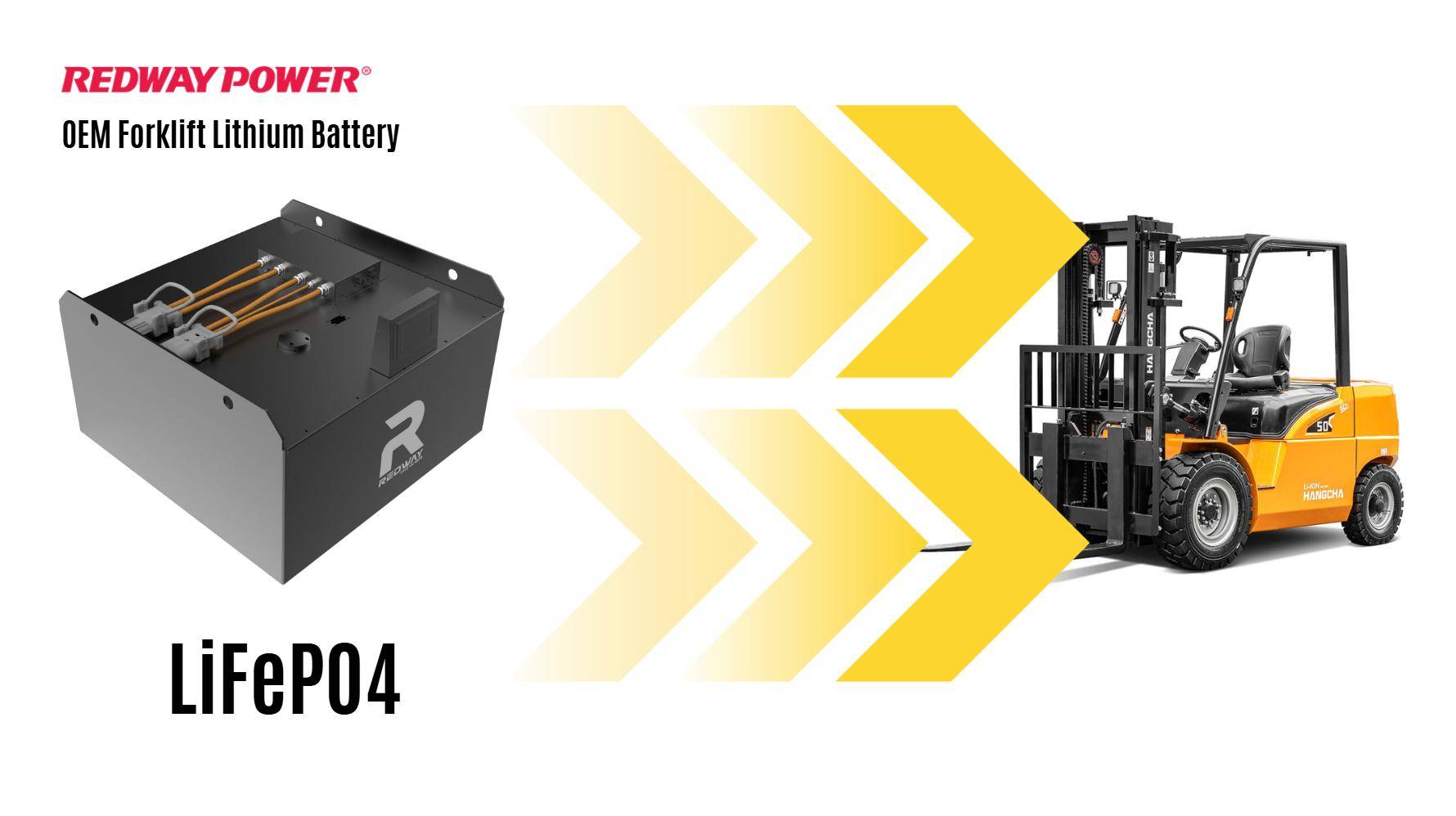
LiFePO4 (lithium iron phosphate) forklift batteries deliver superior performance due to their voltage stability, high energy density, and extended cycle life. These batteries typically operate at 24V, 48V, or 80V, with capacities ranging from 100Ah to 800Ah. Their lifespan exceeds 2,000 cycles, outperforming lead-acid alternatives. Key factors include thermal management, depth of discharge (DoD), and charging protocols.
How Do Voltage Specifications Impact LiFePO4 Forklift Battery Efficiency?
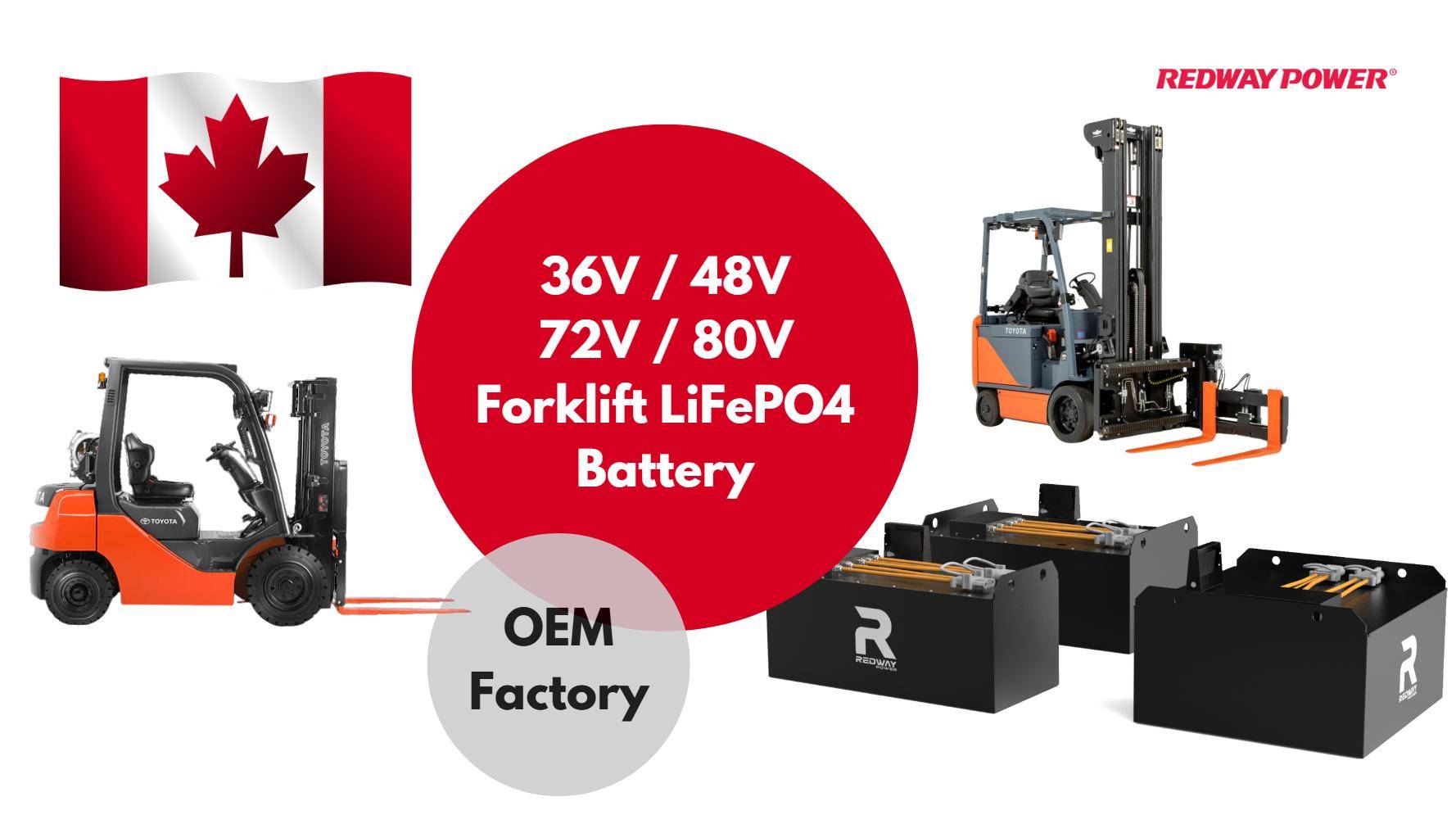
Voltage determines compatibility with forklift systems. LiFePO4 batteries maintain stable voltage levels even at low charge states, ensuring consistent power delivery. Common configurations include 24V (for light-duty lifts) and 48V/80V (for heavy machinery). Higher voltage reduces current draw, minimizing energy loss and heat generation. Always match battery voltage to the forklift’s motor requirements to avoid operational inefficiencies.
For example, 48V systems are standard for 3–5-ton forklifts, while 80V batteries power larger equipment like container handlers. Voltage mismatches can cause motor overheating or reduced torque. A 24V battery in a 48V system risks premature shutdowns, whereas an 80V battery in a 48V forklift may damage control circuits. Modern BMS technology automatically adjusts output to match load demands, optimizing energy use across voltage ranges.
| Voltage | Typical Use Case | Runtime (8-hr Shift) |
|---|---|---|
| 24V | Pallet jacks, stackers | 10–12 hours |
| 48V | Counterbalance forklifts | 8–10 hours |
| 80V | Heavy-duty container handlers | 6–8 hours |
Why Is LiFePO4 Battery Lifespan Longer Than Lead-Acid Alternatives?
LiFePO4 chemistry resists degradation from deep discharges, achieving 2,000–5,000 cycles versus 500–1,000 for lead-acid. Key factors include minimal sulfation, stable thermal properties, and adaptive BMS (Battery Management Systems). Partial charging doesn’t harm LiFePO4, enabling opportunity charging. Lifespan is further extended by avoiding full discharges and maintaining temperatures below 45°C (113°F).
The crystalline structure of lithium iron phosphate prevents cathode breakdown during charging, a common failure point in lead-acid batteries. BMS technology plays a critical role by preventing cell imbalance – a leading cause of premature aging. Case studies show warehouses using LiFePO4 batteries reduce replacement frequency by 70% compared to traditional options. For instance, a 2023 study by the Advanced Battery Consortium demonstrated LiFePO4 cells retaining 92% capacity after 3,000 cycles when discharged to 20% DoD.
Also Read:
What Safety Features Are Integrated into LiFePO4 Forklift Batteries?
LiFePO4 batteries include flame-retardant casings, pressure relief valves, and multi-layer separators to prevent thermal runaway. BMS monitors cell voltage, temperature, and current in real time, disconnecting during faults. Unlike lead-acid, they emit no hydrogen gas, eliminating explosion risks. UL, CE, and UN38.3 certifications ensure compliance with global safety standards.
“LiFePO4 batteries are revolutionizing material handling. Their ability to handle opportunity charging and partial state-of-charge cycling reduces fleet downtime by up to 40%. At Redway, we’ve seen clients cut energy costs by 60% compared to lead-acid, with ROI achieved in under two years.” – Senior Engineer, Redway Power Solutions
FAQ
- How Often Should LiFePO4 Forklift Batteries Be Replaced?
- Every 8–10 years, or 2,000–5,000 cycles, depending on usage. Regular maintenance (e.g., terminal cleaning) extends service life.
- Are LiFePO4 Batteries Compatible With Older Forklift Models?
- Yes, with voltage-matched chargers and adapter plates. Retrofitting may require BMS integration for optimal performance.
- Do LiFePO4 Batteries Require Watering or Equalization?
- No. They’re maintenance-free, unlike lead-acid. BMS auto-balances cells, eliminating manual interventions.