Blog
Why Are LiFePO4 Batteries Better Than Traditional Forklift Batteries

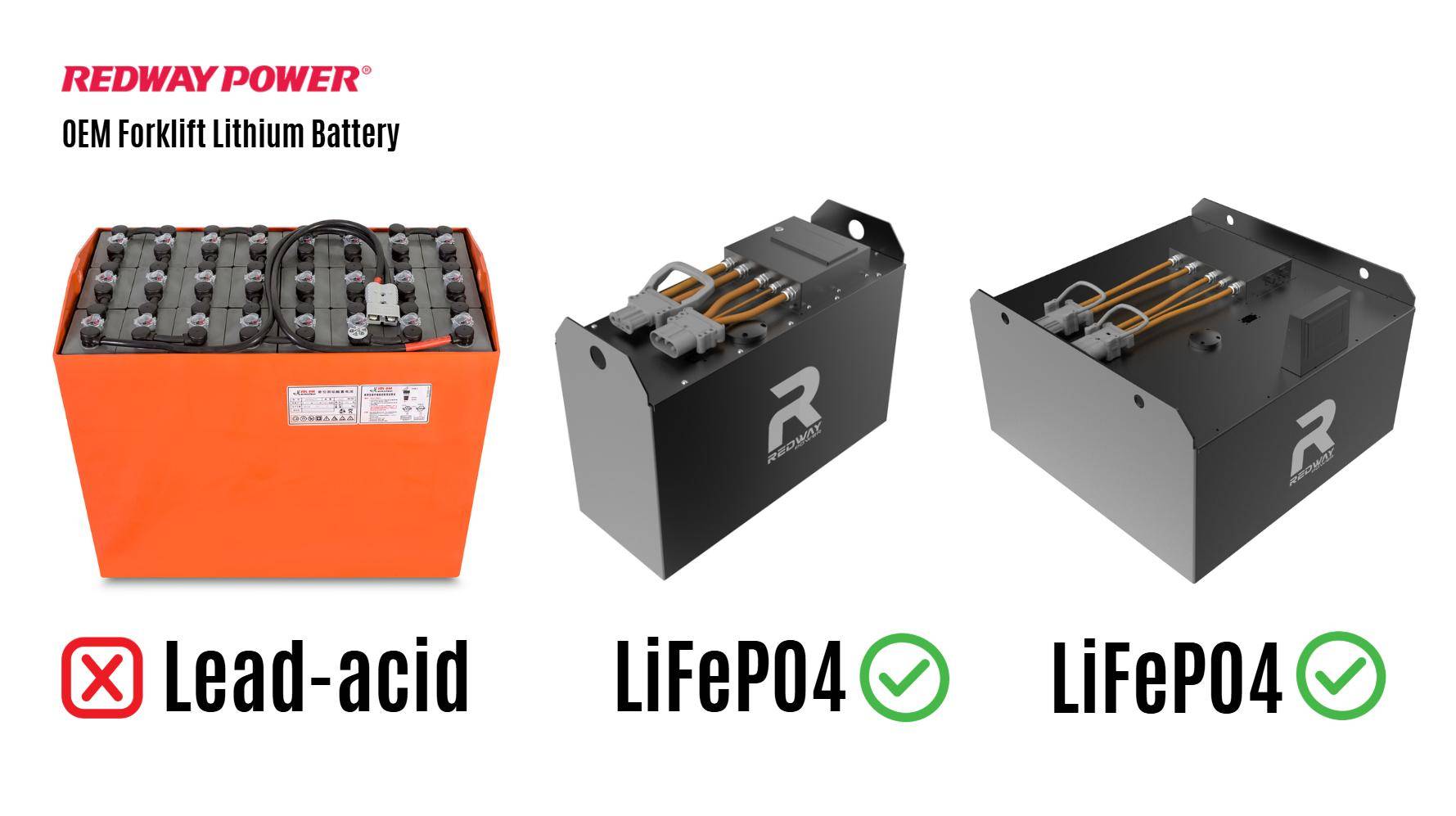
LiFePO4 (lithium iron phosphate) batteries outperform traditional lead-acid forklift batteries due to longer lifespan, faster charging, lower maintenance, and higher energy efficiency. They operate efficiently in extreme temperatures, reduce downtime, and have a smaller environmental footprint. These benefits make them ideal for warehouses, manufacturing, and logistics industries seeking cost-effective, sustainable power solutions.
How Do LiFePO4 Batteries Extend Lifespan Compared to Lead-Acid?
LiFePO4 batteries last 3-5 times longer than lead-acid batteries, with 2,000-5,000 cycles versus 500-1,500 cycles. They maintain consistent performance even with frequent partial charging, while lead-acid batteries degrade faster due to sulfation. Lithium chemistry also avoids capacity loss during deep discharges, ensuring reliable power throughout their lifespan.
What Makes LiFePO4 Batteries More Energy-Efficient?
LiFePO4 batteries achieve 95-98% energy efficiency, compared to 70-85% for lead-acid. They deliver stable voltage output until fully discharged, maximizing usable energy. Lead-acid batteries experience voltage drops during use, requiring frequent recharging. This efficiency reduces energy costs by 30-50% and allows longer operational periods between charges.
Why Do LiFePO4 Batteries Require Less Maintenance?
LiFePO4 batteries eliminate watering, equalization charges, and acid leaks common in lead-acid systems. Their sealed design and advanced battery management systems (BMS) automate cell balancing and temperature control. This reduces labor costs by up to 80% and prevents downtime caused by manual maintenance tasks.
Traditional lead-acid batteries require weekly water replenishment and monthly equalization charges to prevent stratification. In contrast, LiFePO4 batteries use smart BMS technology to monitor cell voltage and temperature in real time, automatically adjusting charging parameters. This eliminates the need for manual inspections and reduces the risk of human error. For example, a warehouse using 20 forklifts could save over 500 labor hours annually by switching to lithium batteries. Additionally, the absence of corrosive acid means no spill containment systems or protective gear are needed during maintenance.
| Maintenance Task | LiFePO4 | Lead-Acid |
|---|---|---|
| Water Refilling | Not Required | Weekly |
| Equalization Charges | Automatic | Monthly |
| Terminal Cleaning | Annual | Bi-Weekly |
How Do LiFePO4 Batteries Improve Workplace Safety?
LiFePO4 batteries are non-toxic, fire-resistant, and emit no hydrogen gas during charging. Lead-acid batteries risk acid spills, explosions, and require ventilated charging areas. Lithium’s stable chemistry minimizes thermal runaway risks, enhancing operator safety and reducing liability in industrial environments.
Can LiFePO4 Batteries Withstand Extreme Temperatures?
LiFePO4 batteries operate efficiently in -20°C to 60°C (-4°F to 140°F), whereas lead-acid batteries lose 50% capacity below 0°C. Built-in BMS protects against overheating, making them suitable for cold storage warehouses and high-temperature manufacturing facilities without performance compromises.
Also Read:
What Environmental Benefits Do LiFePO4 Batteries Offer?
LiFePO4 batteries are 99% recyclable, contain no hazardous lead or acid, and reduce carbon emissions by 40% compared to lead-acid. Their longevity decreases landfill waste, aligning with circular economy goals. Solar-compatible charging further supports sustainable energy integration in warehouses.
The manufacturing process for LiFePO4 batteries generates 34% fewer CO₂ emissions than lead-acid production. Unlike lead-acid systems that lose up to 50% of their lead content during recycling, lithium batteries recover 95% of critical materials like lithium, iron, and phosphate through closed-loop processes. Major manufacturers now partner with solar farms to create carbon-neutral charging stations, reducing reliance on grid electricity. For instance, a distribution center using 100 LiFePO4-powered forklifts can prevent 180 tons of lead waste and 620 tons of CO₂ emissions over a 10-year period compared to traditional alternatives.
Expert Views
“LiFePO4 technology is revolutionizing material handling. Unlike lead-acid, these batteries don’t lose capacity in partial-state-of-charge conditions, which is critical for 24/7 operations. At Redway, we’ve seen clients cut energy costs by 60% while boosting productivity through rapid charging during shift breaks.” — Senior Engineer, Redway Power Solutions
Conclusion
LiFePO4 batteries provide superior ROI through extended lifespan, reduced downtime, and lower operational costs. Their safety, environmental benefits, and adaptability to harsh conditions make them the future of industrial energy storage, outpacing outdated lead-acid technology.
FAQs
- Are LiFePO4 forklift batteries compatible with existing chargers?
- Most LiFePO4 batteries require specialized chargers to optimize cycle life, though some models include built-in voltage converters for legacy systems.
- How long does it take to charge a LiFePO4 forklift battery?
- Fast-charging LiFePO4 batteries reach 100% in 1-2 hours versus 8-10 hours for lead-acid. Opportunity charging during breaks can extend runtime without damaging cells.
- Do LiFePO4 batteries require special disposal methods?
- Yes, but most manufacturers offer take-back programs. Recycling recovers 95% of lithium, iron, and phosphate for reuse in new batteries, unlike lead-acid’s toxic recycling process.
Why are LiFePO4 forklift batteries better than traditional batteries?
LiFePO4 forklift batteries outperform traditional lead-acid batteries by offering higher energy efficiency, faster charging, longer lifespan, and lower maintenance needs. They charge 3-5 times faster, last 2-4 times longer, and require no watering or equalizing, reducing downtime and operational costs for businesses.
What are the charging advantages of LiFePO4 batteries over lead-acid?
LiFePO4 batteries charge significantly faster than lead-acid batteries, typically taking 1-3 hours for a full charge, compared to 8-12 hours for lead-acid batteries. This allows for opportunity charging, reducing downtime and making operations more efficient without needing extra batteries or dedicated charging rooms.
How do LiFePO4 batteries enhance forklift performance?
LiFePO4 batteries maintain consistent power output throughout the charge cycle, unlike lead-acid batteries, which lose voltage as they discharge. This ensures stable forklift performance and prevents power dips, leading to more reliable and efficient operations with less risk of sudden battery failures.
What is the lifespan of LiFePO4 batteries compared to lead-acid batteries?
LiFePO4 batteries have a much longer lifespan, typically lasting 3,000 or more charge cycles, compared to 1,000-1,500 cycles for lead-acid batteries. This extended lifespan reduces the need for frequent replacements and decreases the total cost of ownership over time.
How do LiFePO4 batteries reduce maintenance costs?
LiFePO4 batteries require minimal maintenance as they eliminate the need for tasks such as watering, equalizing, and terminal cleaning, which are necessary for lead-acid batteries. This reduces labor costs and maintenance downtime, allowing for more efficient use of resources.
Are LiFePO4 forklift batteries more environmentally friendly?
Yes, LiFePO4 batteries are more environmentally friendly than traditional lead-acid batteries. They do not contain toxic heavy metals like lead, making them easier to recycle. Their longer lifespan also reduces waste, aligning with sustainability goals and promoting greener operations.