Blog
How Can Retrofitting Telecom Systems with Lithium Batteries Save Costs

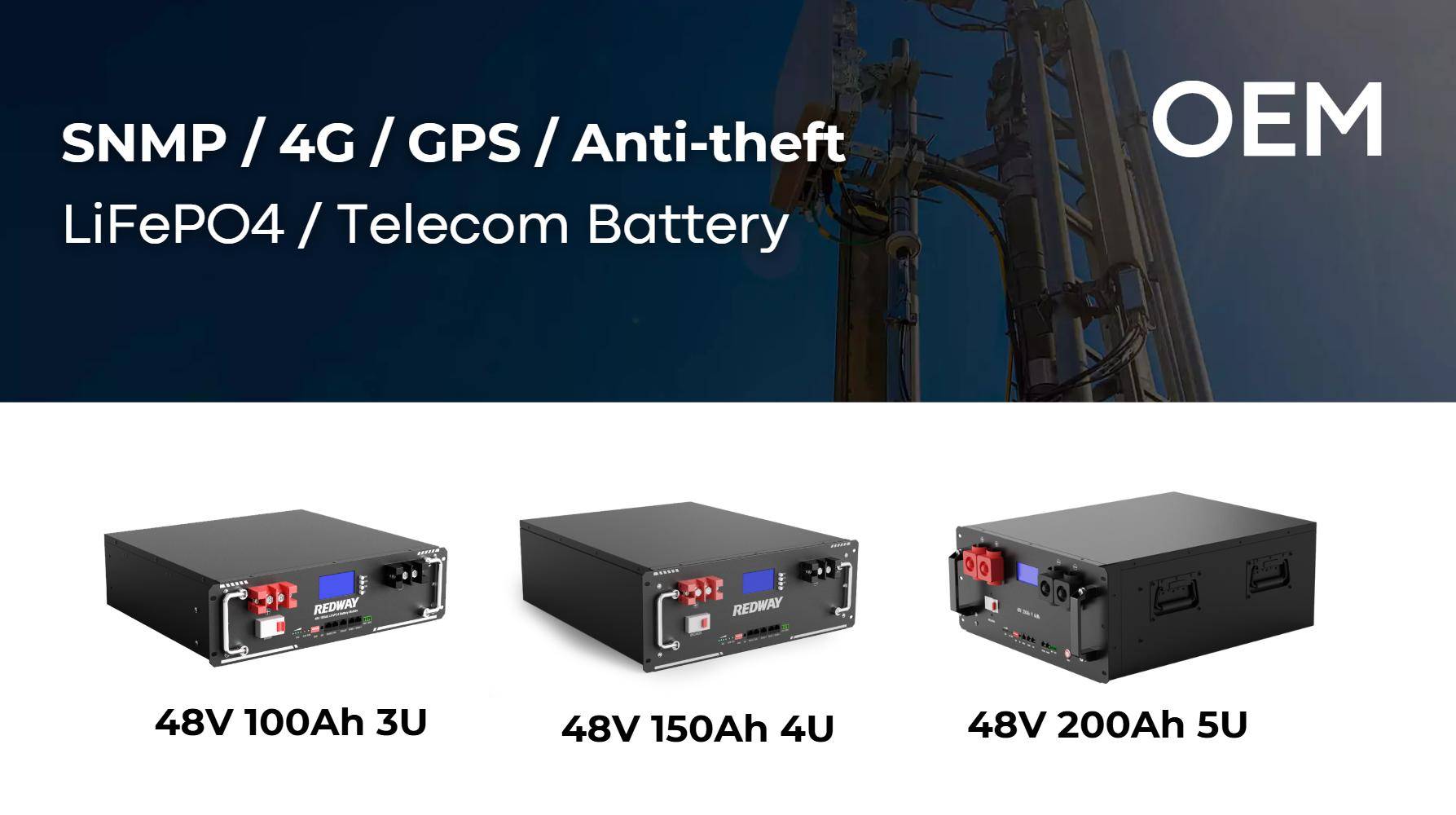
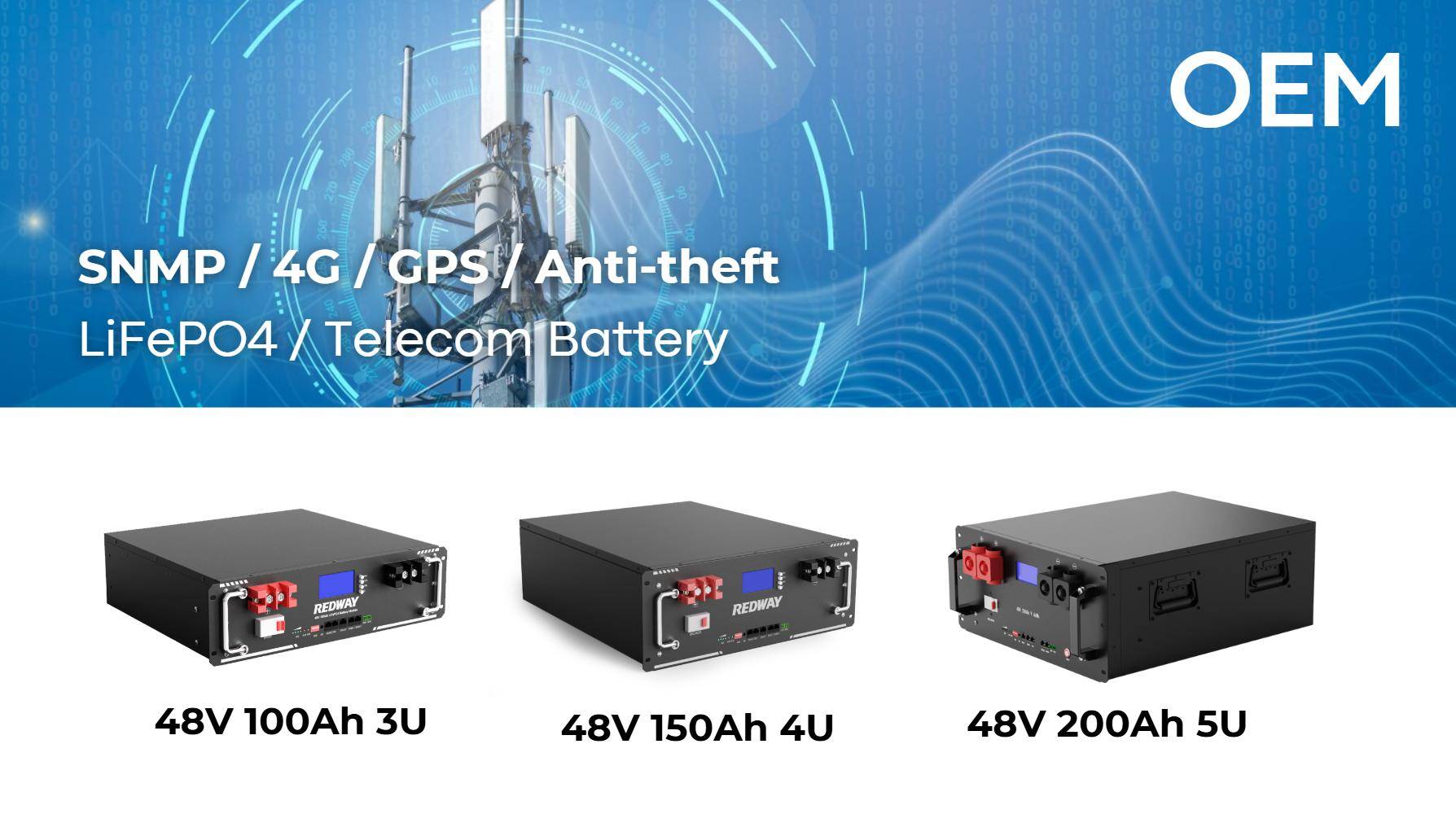
Retrofitting traditional telecom systems with lithium batteries reduces energy costs, extends lifespan, and enhances efficiency. Lithium batteries offer 50-70% lower maintenance costs, 2-3x longer cycle life, and better energy density than lead-acid alternatives. They also support renewable integration and reduce downtime, making them a cost-effective upgrade for telecom infrastructure.
What Are the Key Benefits of Lithium Batteries in Telecom Systems?
Lithium batteries provide higher energy density, faster charging, and longer lifespan (10-15 years) compared to lead-acid batteries. They operate efficiently in extreme temperatures, reduce space requirements by 60%, and lower total ownership costs by 40%. Their lightweight design simplifies installation and reduces structural reinforcement needs.
How Do Lithium Batteries Compare to Lead-Acid in Total Cost of Ownership?
While lithium batteries have a higher upfront cost (1.5-2x lead-acid), they save 30-50% in long-term expenses. Reduced maintenance, longer lifespan, and higher efficiency offset initial investments within 3-5 years. Case studies show telecom operators achieving ROI in 4 years with lithium retrofits, avoiding frequent lead-acid replacements and downtime costs.
For example, a telecom tower operator in Southeast Asia reported a 45% reduction in energy expenditures after switching to lithium batteries. Unlike lead-acid batteries, which require replacement every 3-4 years, lithium units maintain 80% capacity after 10 years. Additionally, the reduced weight of lithium systems cuts transportation and installation costs by up to 30%. Operators also save on cooling infrastructure since lithium batteries operate efficiently at higher temperatures, unlike lead-acid alternatives that require climate-controlled environments.
| Cost Factor | Lead-Acid | Lithium |
|---|---|---|
| Lifespan | 3-5 years | 10-15 years |
| Maintenance Cost/Year | $500 | $150 |
| Energy Loss | 15-20% | 5-8% |
What Challenges Arise When Retrofitting Legacy Telecom Infrastructure?
Compatibility with existing voltage systems and thermal management are primary challenges. Lithium batteries require Battery Management Systems (BMS) to prevent overcharging. Retrofits may need updated charging equipment and software integration. Structural modifications are minimal due to lithium’s lightweight nature, but electrical safety protocols must align with new battery chemistry.
Are Lithium Batteries Compatible with Renewable Energy Integration?
Yes. Lithium batteries efficiently store solar/wind energy, enabling hybrid power systems. Their high charge/discharge efficiency (95-98%) maximizes renewable utilization, reducing diesel generator dependency by 70%. Telecom towers using lithium + solar report 80% lower energy costs and 90% reduced carbon emissions.
Know more:
What Are OEM Telecom Lithium Battery Solutions and How Do They Benefit Your Network?
What Are the Key Components of Telecom Battery Systems?
What Makes Telecom Lithium Battery Packs Compatible and High-Performing?
How Can Smart Charging Optimize Telecom Lithium Battery Efficiency?
How Can Retrofitting Telecom Systems with Lithium Batteries Save Costs?
How to Install and Maintain Telecom Lithium Battery Systems Effectively?
What Are the Environmental Impacts of Switching to Lithium?
Lithium batteries reduce CO2 emissions by 50% over their lifecycle compared to lead-acid. They are 95% recyclable, with closed-loop recycling recovering 80% of materials. However, responsible mining and disposal practices are critical to mitigate resource depletion and pollution risks.
How Does Retrofitting Future-Proof Telecom Networks?
Lithium batteries support 5G and IoT expansion with scalable energy storage. Their modular design allows capacity upgrades without system overhauls. Advanced BMS enables remote monitoring, aligning with smart grid demands and reducing manual inspections by 75%.
Can Lithium Batteries Withstand Harsh Environmental Conditions?
Lithium batteries operate reliably in -20°C to 60°C ranges, ideal for remote telecom sites. Lead-acid efficiency drops below 0°C, but lithium retains 85% capacity. Sealed designs protect against humidity, dust, and corrosion, ensuring consistent performance in deserts, mountains, or coastal areas.
In a 2023 field test across Saudi Arabian deserts, lithium-powered telecom stations maintained 92% uptime during sandstorms and 50°C heatwaves. By contrast, lead-acid systems failed within 72 hours under similar conditions. Lithium’s chemical stability also prevents sulfation—a common issue in lead-acid batteries during prolonged inactivity—making them ideal for low-usage sites. Manufacturers now offer IP67-rated lithium battery enclosures to withstand submersion in 1 meter of water for 30 minutes, further enhancing durability.
“Lithium retrofits are revolutionizing telecom energy management. Operators report 40% lower OPEX and 30% fewer site visits. The shift isn’t just economic—it’s strategic. As networks evolve, lithium’s adaptability and sustainability will define industry resilience.”
— Dr. Elena Torres, Energy Systems Analyst at GreenTech Communications
FAQs
- How Long Do Lithium Batteries Last in Telecom Applications?
- Lithium batteries last 10-15 years, 3x longer than lead-acid. Cycle life exceeds 4,000 charges at 80% depth of discharge, ensuring minimal degradation.
- Are Lithium Retrofits Suitable for Off-Grid Telecom Towers?
- Yes. Lithium’s high efficiency and renewable compatibility make it ideal for off-grid sites. Hybrid systems cut diesel use by 70%, slashing fuel costs and emissions.
- What Safety Measures Are Needed for Lithium Telecom Batteries?
- BMS integration prevents overcharging/overheating. Fire-resistant enclosures and thermal sensors are mandatory. Compliance with IEC 62619 and UL 1973 standards ensures safety.