Blog
How Do Telecom Lithium Batteries Ensure Reliable Power in Remote Locations

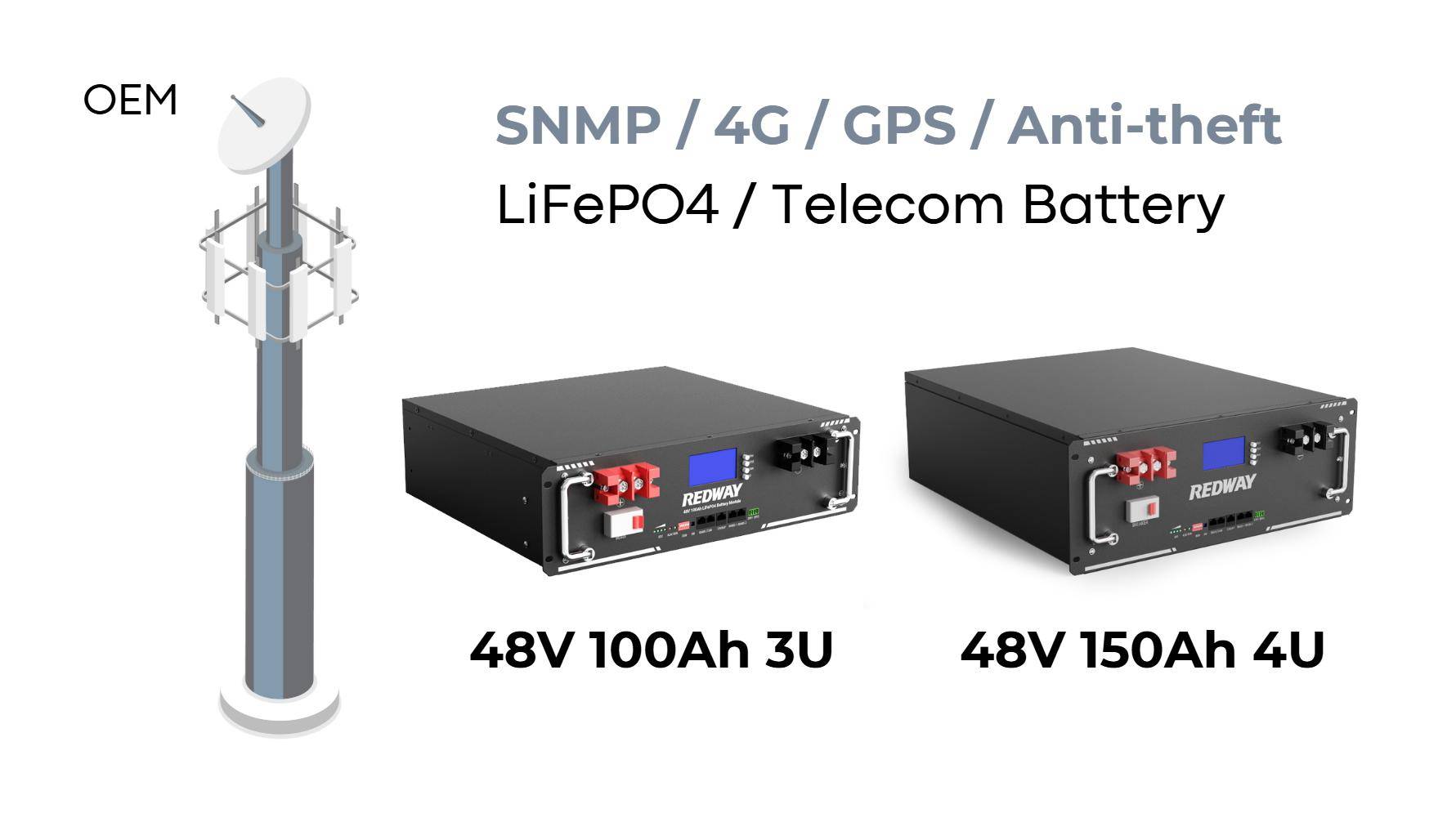
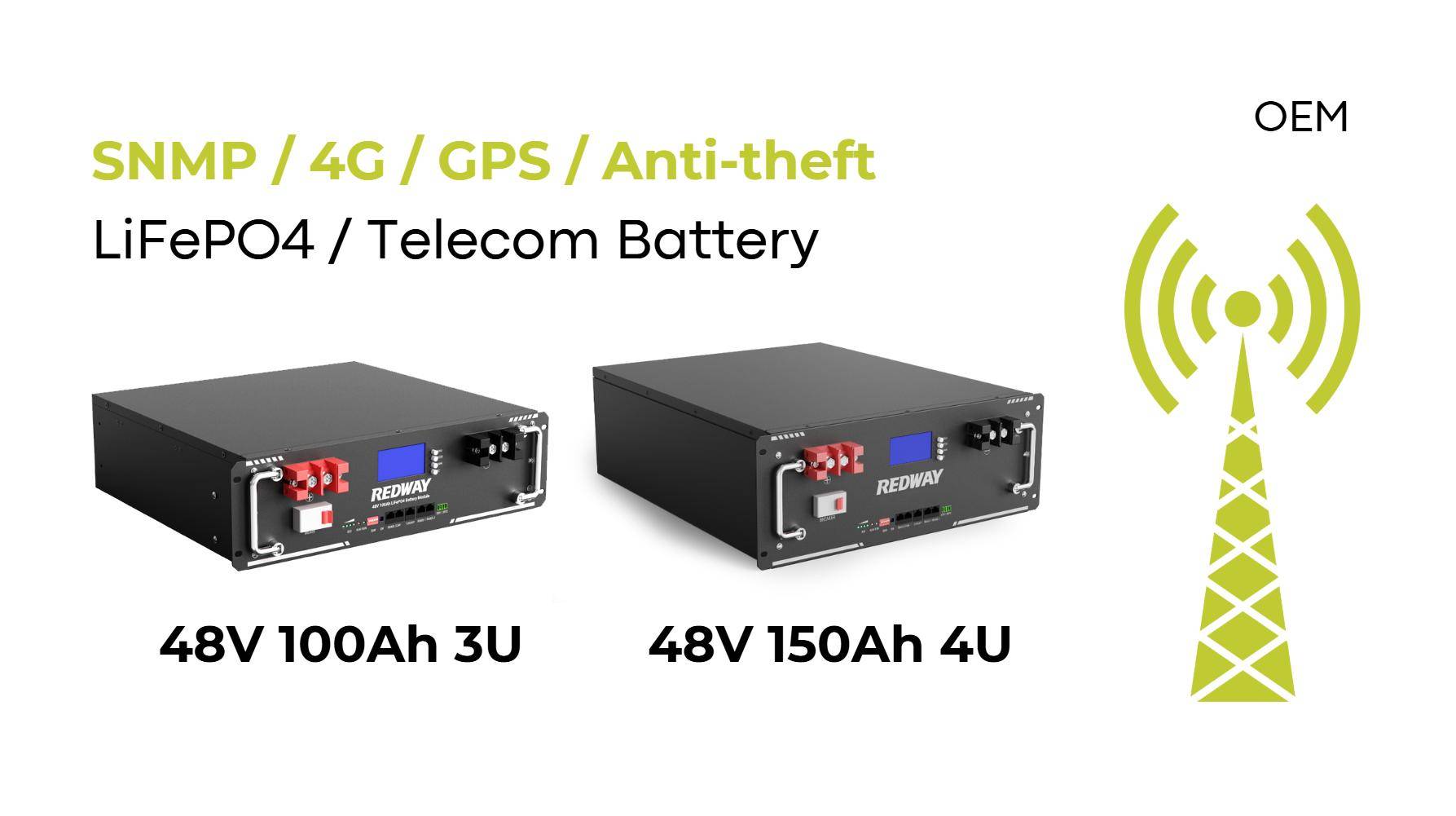
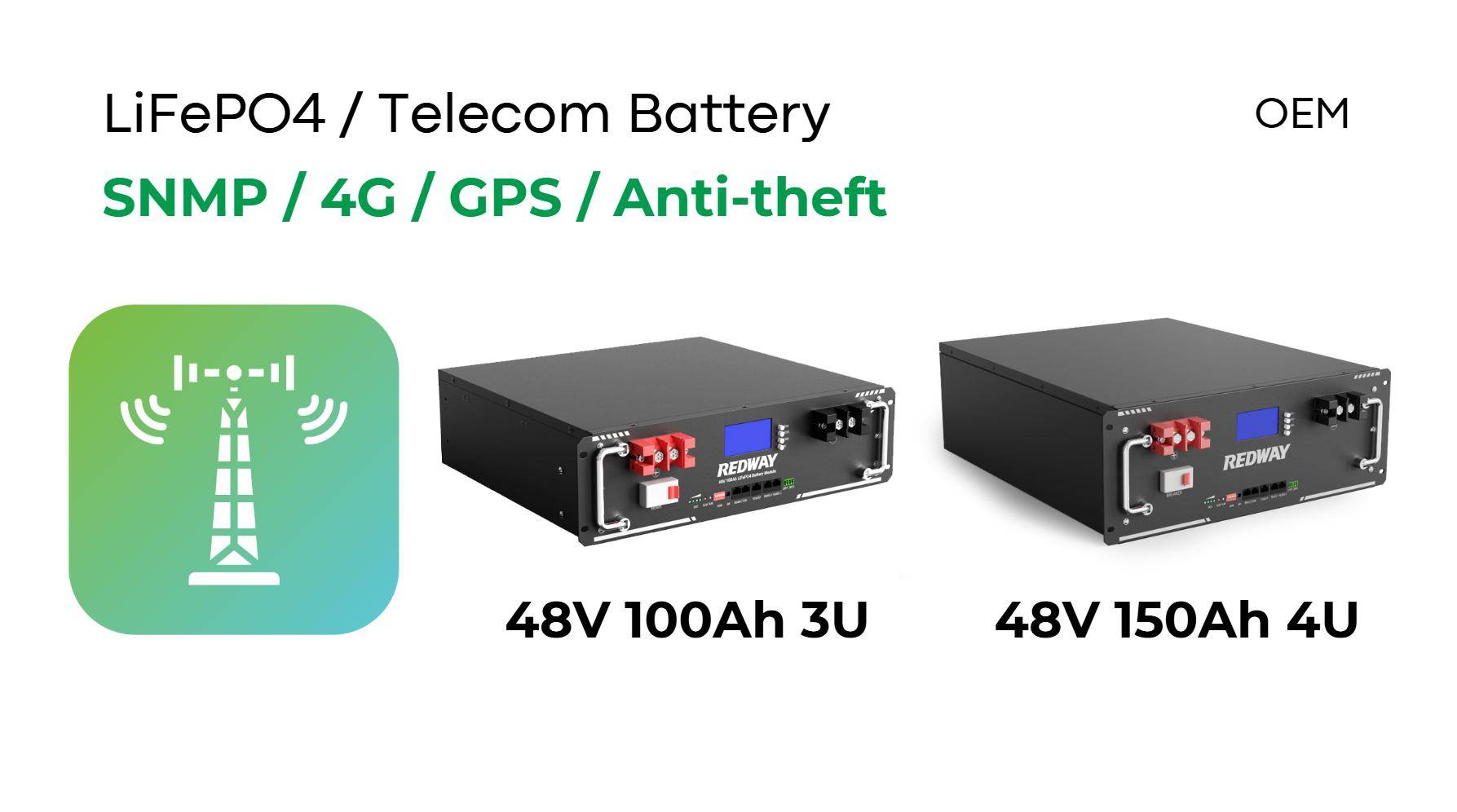
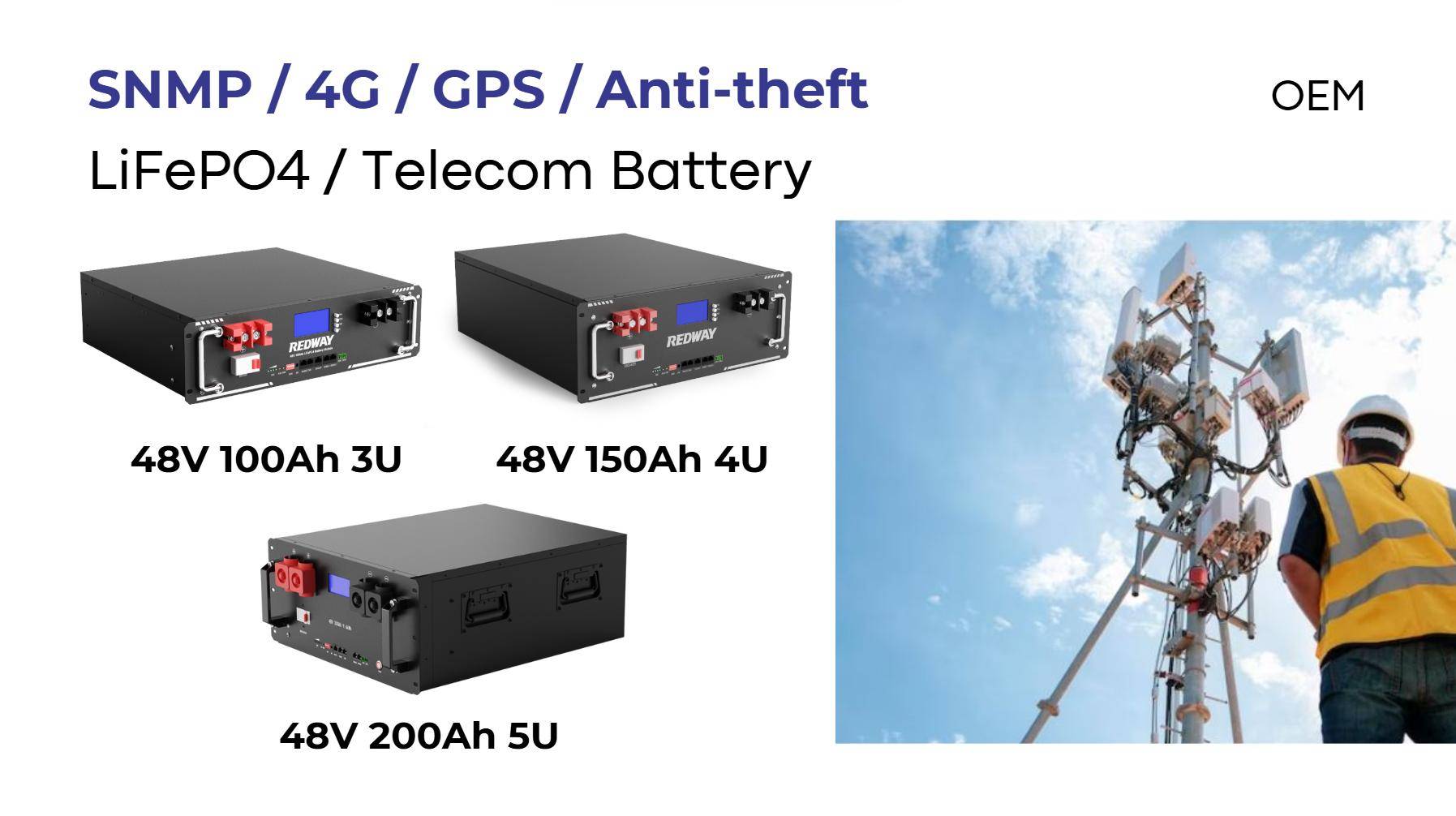
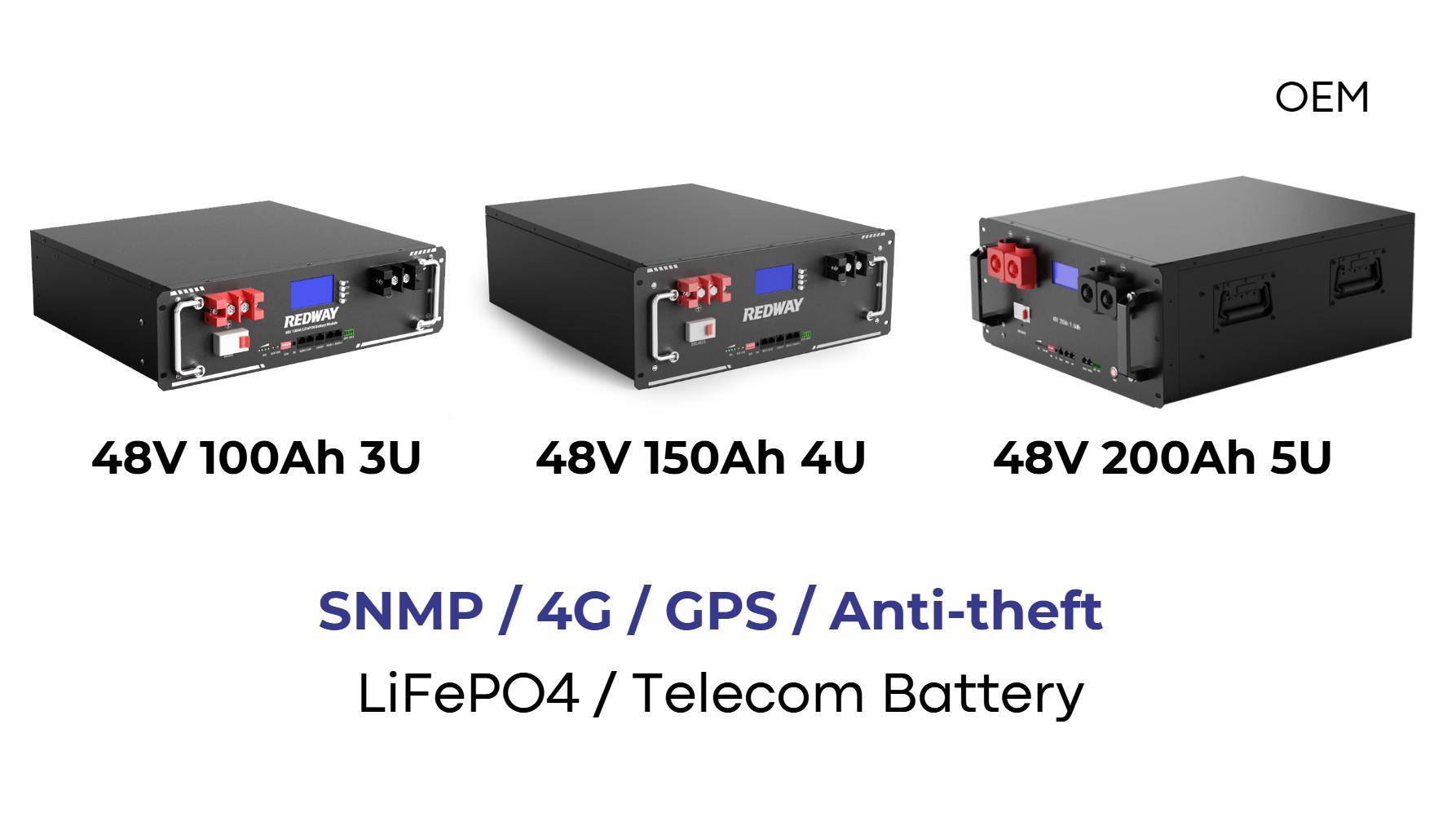
Telecom lithium batteries provide reliable off-grid power through high energy density, extended lifespan, and resilience in extreme conditions. They outperform traditional lead-acid batteries with faster charging, lower maintenance, and superior temperature tolerance. These features make them ideal for remote telecom sites requiring uninterrupted connectivity without grid access.
What Makes Lithium Batteries Ideal for Remote Telecom Sites?
Lithium batteries excel in remote telecom installations due to their lightweight design, 95%+ efficiency, and ability to operate in temperatures from -20°C to 60°C. Their modular architecture allows scalable energy storage, while built-in battery management systems (BMS) prevent overcharging and thermal runaway. Unlike lead-acid alternatives, they maintain 80% capacity after 2,000+ cycles in harsh environments.
Recent field studies in the Sahara Desert demonstrate lithium batteries powering telecom towers for 72+ hours during sandstorms, maintaining 92% charge efficiency despite particulate infiltration. The modular design enables operators to add capacity in 5kWh increments without downtime, a critical feature for expanding networks in developing regions. Manufacturers now incorporate anti-vibration mounts that withstand 7.0-magnitude earthquakes, addressing seismic risks in Pacific Rim territories.
How Do Lithium-Ion Batteries Compare to Traditional Lead-Acid in Off-Grid Scenarios?
| Feature | Lithium-Ion | Lead-Acid |
|---|---|---|
| Energy Density | 150-200 Wh/kg | 30-50 Wh/kg |
| Cycle Life | 2,000-5,000 cycles | 300-500 cycles |
| Charge Efficiency | 95-99% | 70-85% |
| Temperature Range | -30°C to 60°C | -20°C to 40°C |
What Safety Features Do Modern Telecom Lithium Batteries Include?
Advanced telecom lithium batteries feature multi-layer protection: cell-level fusing, flame-retardant enclosures, and AI-driven thermal monitoring. Their BMS continuously tracks voltage/temperature differentials, automatically isolating faulty cells. UL1973-certified models include explosion vents and short-circuit prevention, achieving 99.99% failure-free operation in telco deployments per IEC 62619 standards.
Newer systems employ quantum tunneling composite sensors that detect pressure changes at the nanoscale, identifying potential thermal events 47% faster than conventional sensors. Fire suppression systems using aerosol-based suppressants can extinguish battery fires within 2 seconds without damaging adjacent equipment. Third-party testing by TÜV Rheinland shows these systems reduce thermal runaway risks by 98.7% compared to first-generation lithium batteries.
Can Lithium Batteries Integrate With Renewable Energy Systems?
Yes, lithium batteries enable hybrid renewable systems through dynamic voltage compatibility (12V-58V range) and 95% round-trip efficiency. They store excess solar/wind energy during peak production, discharging during low-generation periods. Smart controllers optimize charging based on weather forecasts, extending battery life by 30% compared to standalone renewable setups.
What Innovations Are Shaping Lithium Battery Technology for Telecom?
Emerging developments include solid-state electrolytes eliminating fire risks, graphene-enhanced anodes boosting cycle life to 10,000+ cycles, and self-healing cathodes. Satellite-connected BMS now enable remote diagnostics across 150+ parameters. New modular designs allow hot-swapping cells without system downtime, critical for 24/7 telecom operations.
How Does Temperature Extremes Impact Lithium Battery Performance?
While lithium batteries outperform alternatives in thermal extremes, sustained 55°C+ environments accelerate capacity fade by 0.5%/cycle. Advanced models now incorporate phase-change materials absorbing excess heat, maintaining optimal 25°C-35°C internal temperatures. Arctic-grade versions use self-warming electrolytes that activate at -30°C, ensuring 90% capacity retention versus standard batteries’ 65% at -20°C.
Expert Views
“The shift to lithium in telecom isn’t just about energy density. We’re seeing game-changing integrations – batteries that predict grid outages using AI, self-optimize for local weather patterns, and even harvest ambient RF energy. Next-gen systems will autonomously negotiate power contracts with microgrids, fundamentally redefining off-grid power management.”
– Dr. Elena Voss, Telecom Energy Systems Architect
Conclusion
Telecom lithium batteries have revolutionized off-grid power through technological leaps in efficiency, durability, and smart management. As 5G expands into extreme environments, these energy solutions will continue evolving with AI integration and renewable synergy, ensuring reliable global connectivity regardless of geographic or climatic challenges.
FAQs
- How long do lithium batteries last in telecom towers?
- Properly maintained lithium batteries in telecom applications typically last 8-12 years, providing 5,000-7,000 full charge cycles at 80% depth of discharge. This lifespan is 3x longer than VRLA batteries in similar conditions.
- Do lithium batteries require special disposal methods?
- Yes, lithium batteries require certified recycling to recover valuable metals like cobalt and lithium. Many manufacturers offer take-back programs, with 95%+ materials being reusable. Improper disposal may violate RCRA hazardous waste regulations.
- Can existing telecom sites retrofit lead-acid systems with lithium?
- Retrofitting is possible but requires voltage compatibility checks and BMS integration. Most modern lithium systems include adapter kits, enabling swap-outs in 6-8 hours per tower. Energy audits typically show 18-24 month ROI through reduced generator fuel costs and maintenance.
Know more:
How Do Telecom Lithium Batteries Enhance Mobile Network Connectivity?
What Powers Telecom Base Stations During Outages?
How Do Telecom Lithium Batteries Ensure Reliable Power in Remote Locations?
How Do Telecom Batteries Ensure Uninterrupted Communication During Emergencies?
How Are Telecom Lithium Batteries Customized for Unique Needs?
How Are Telecom Lithium Batteries Revolutionizing Global Connectivity?