Blog
How Are Telecom Lithium Batteries Customized for Unique Needs?

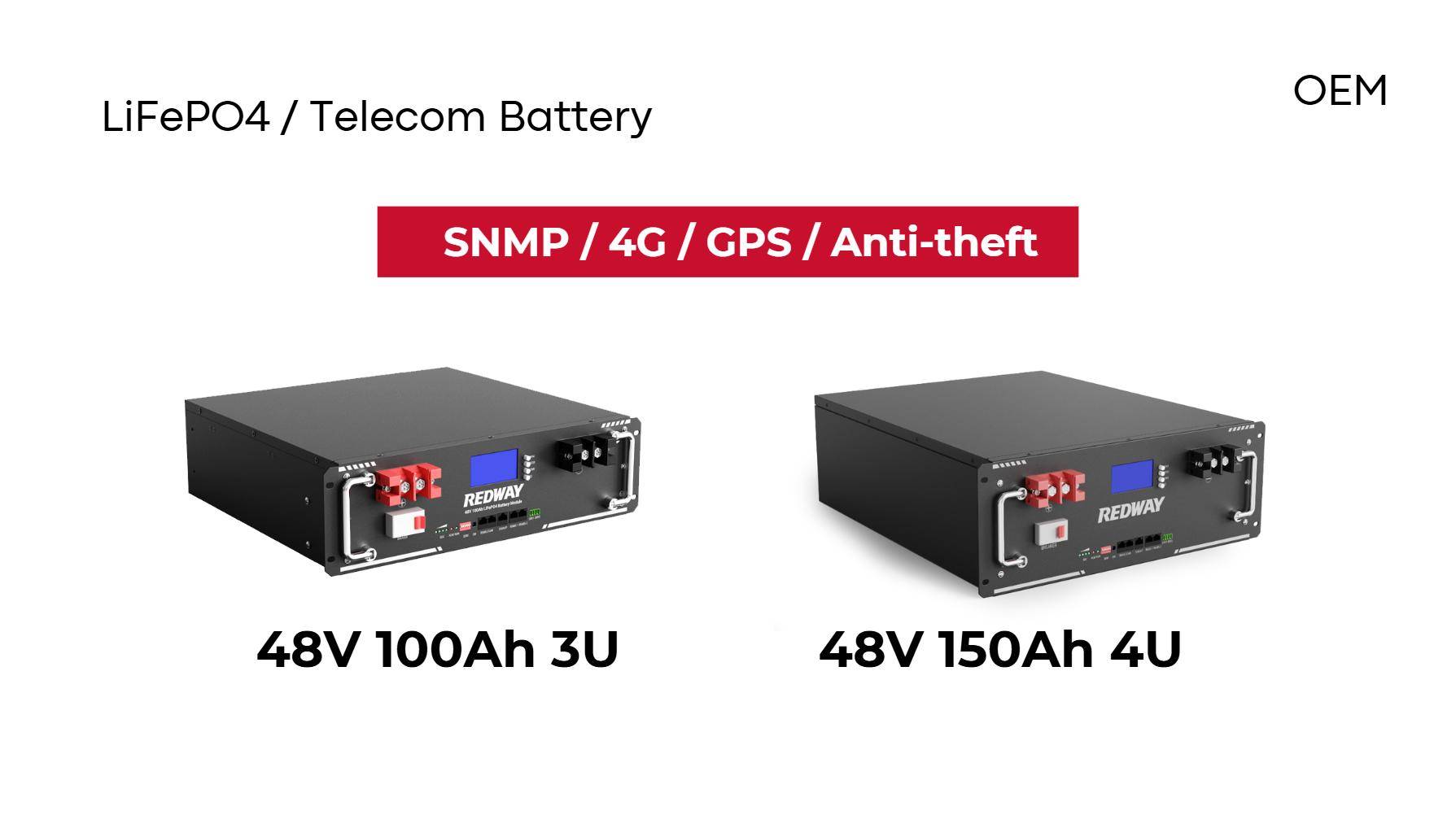
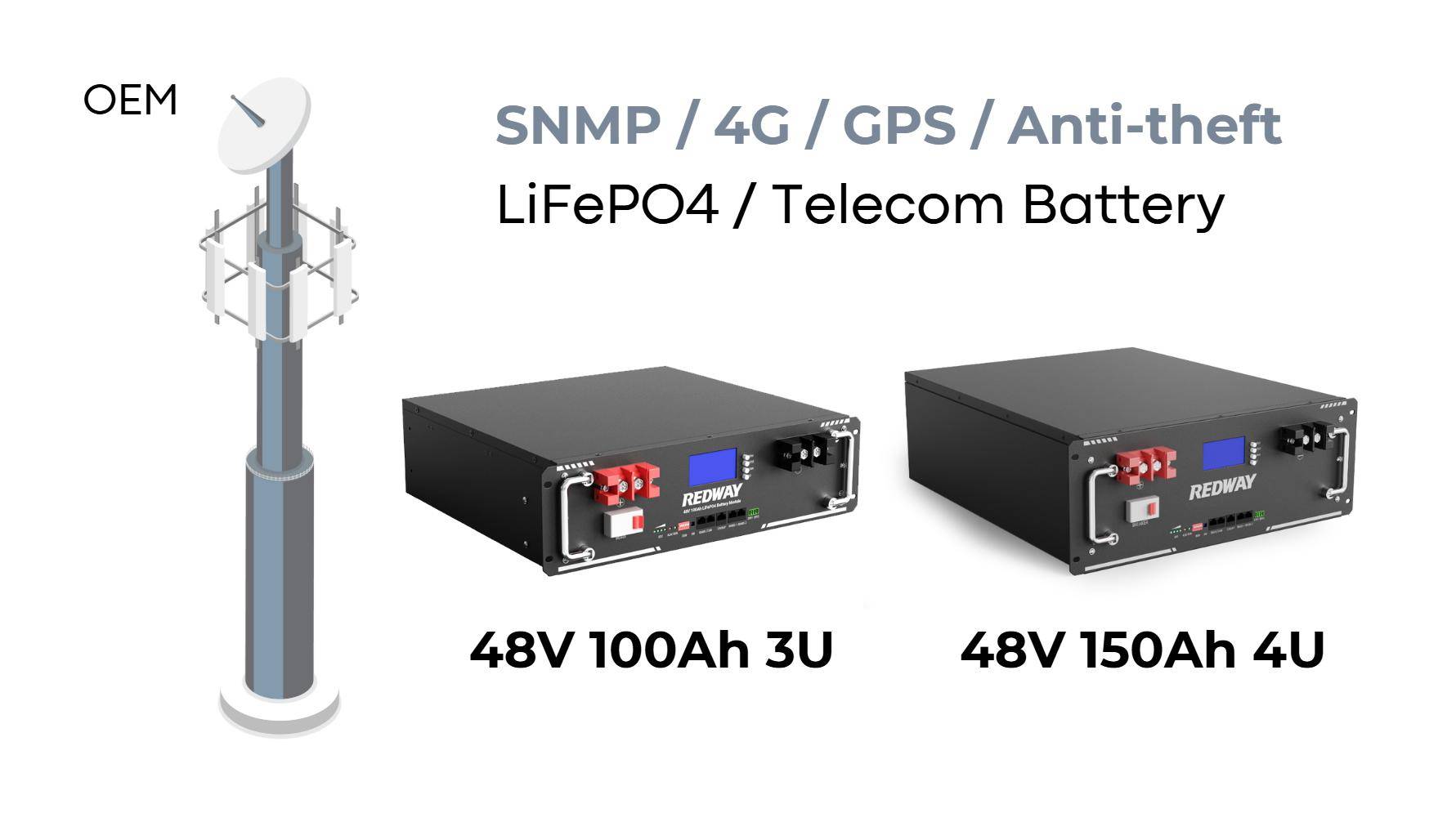
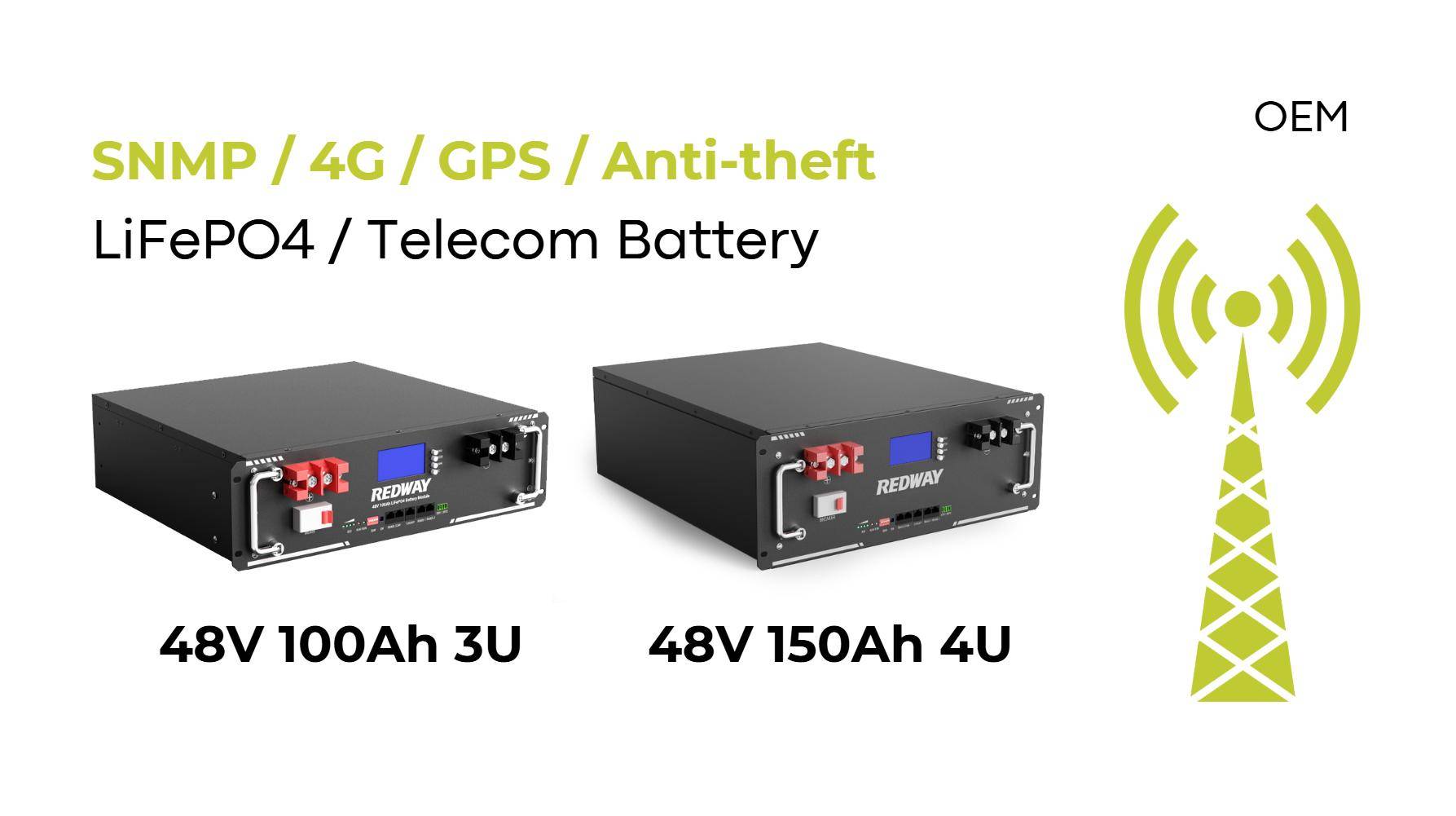
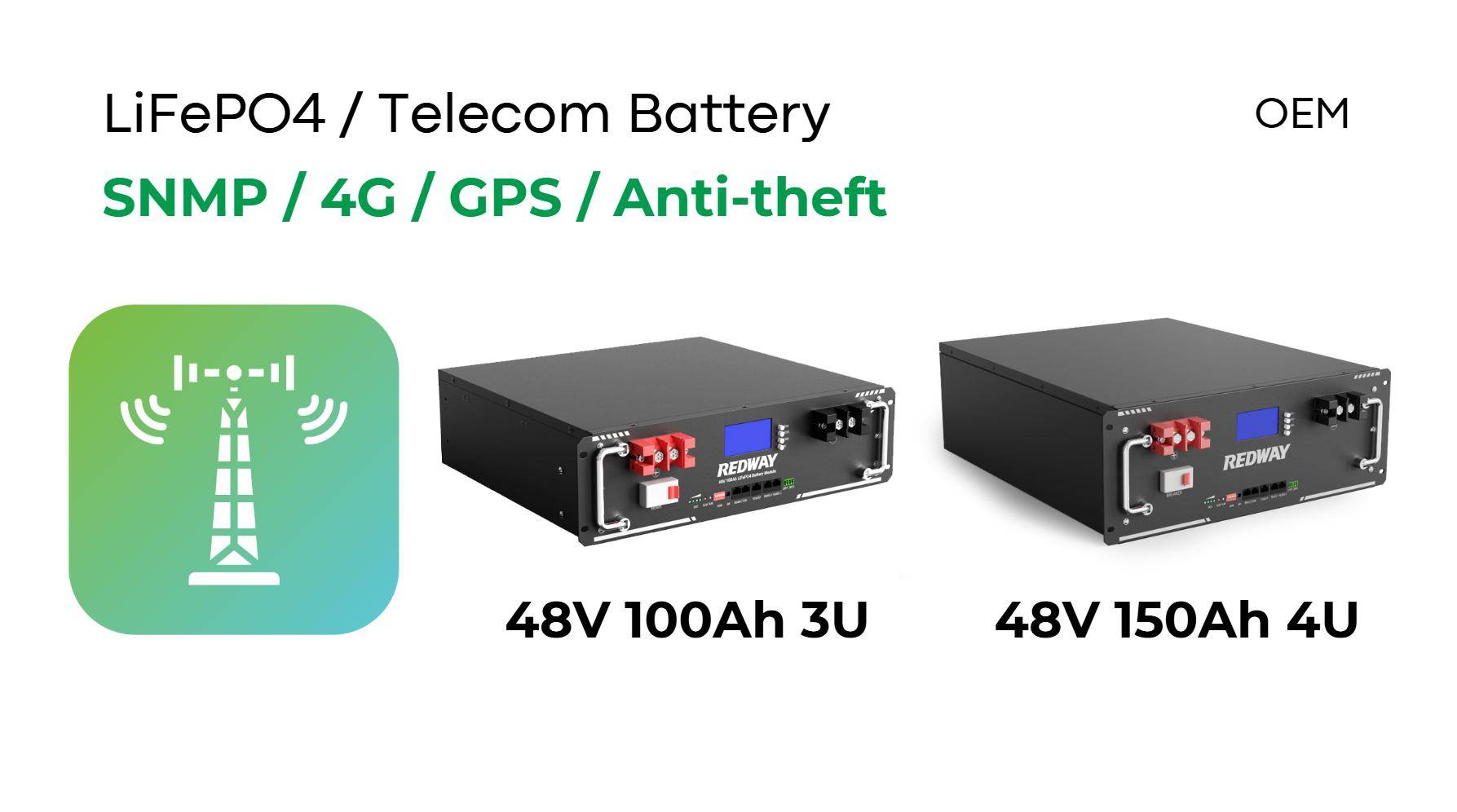
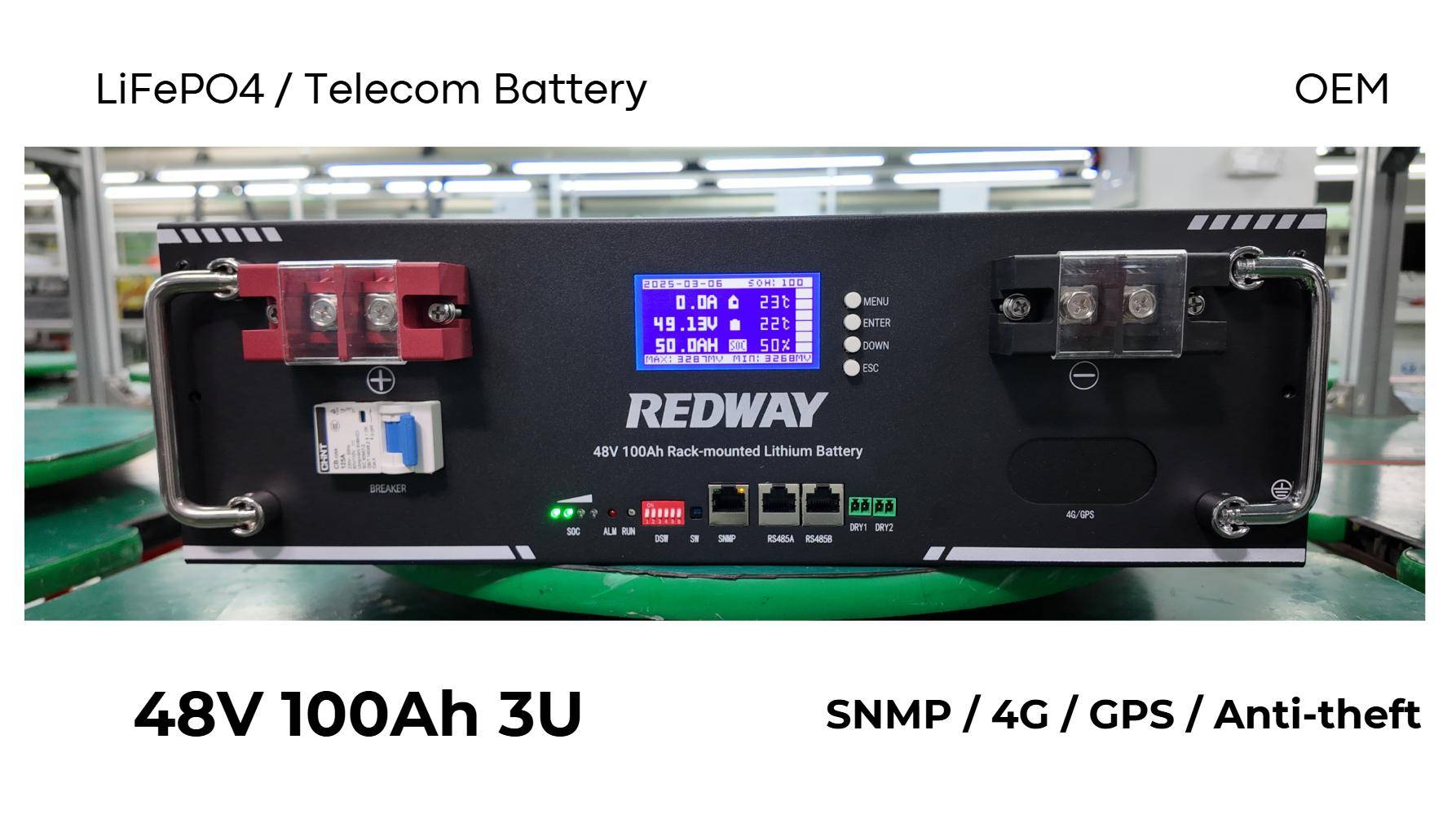
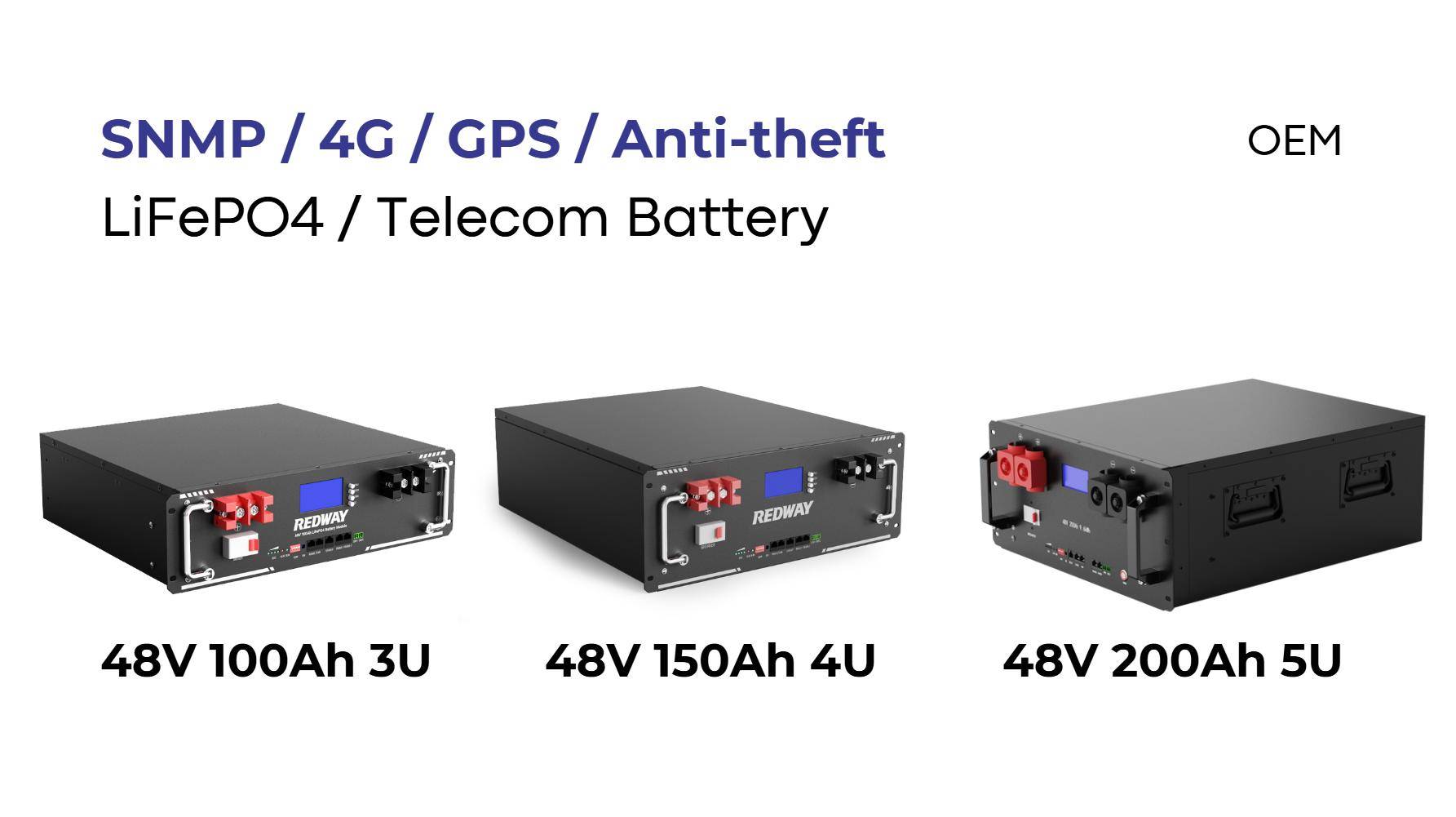
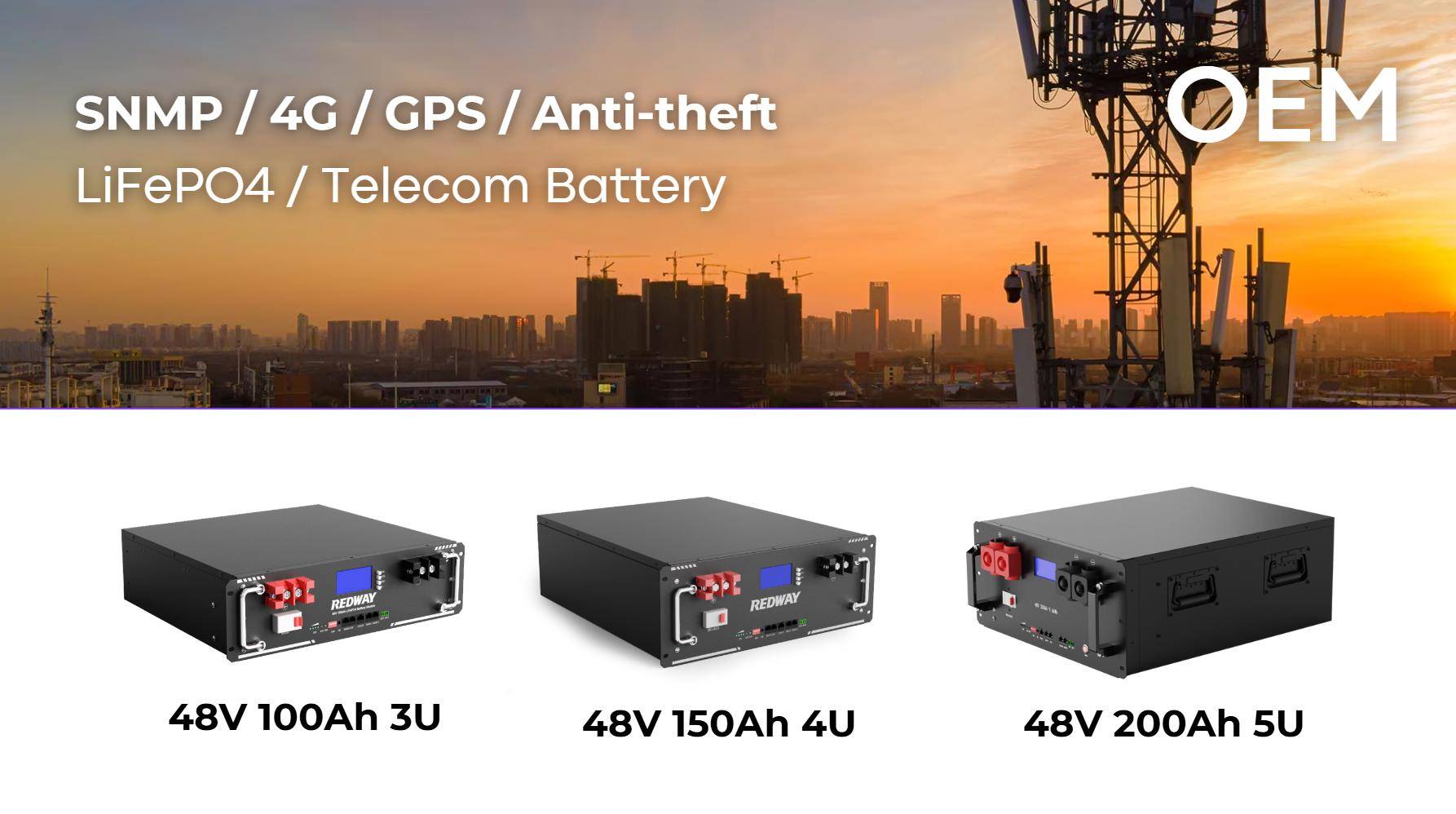
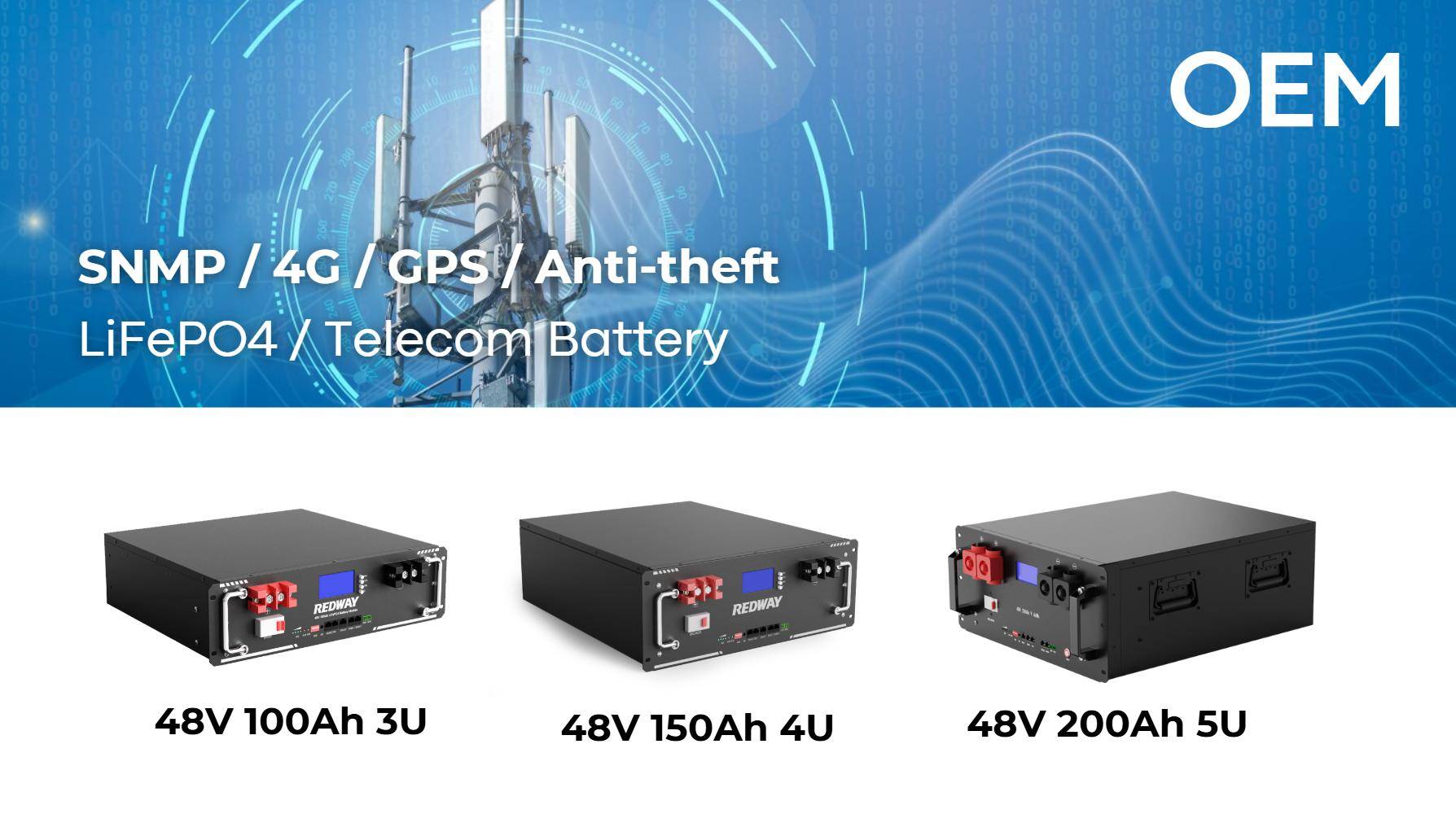
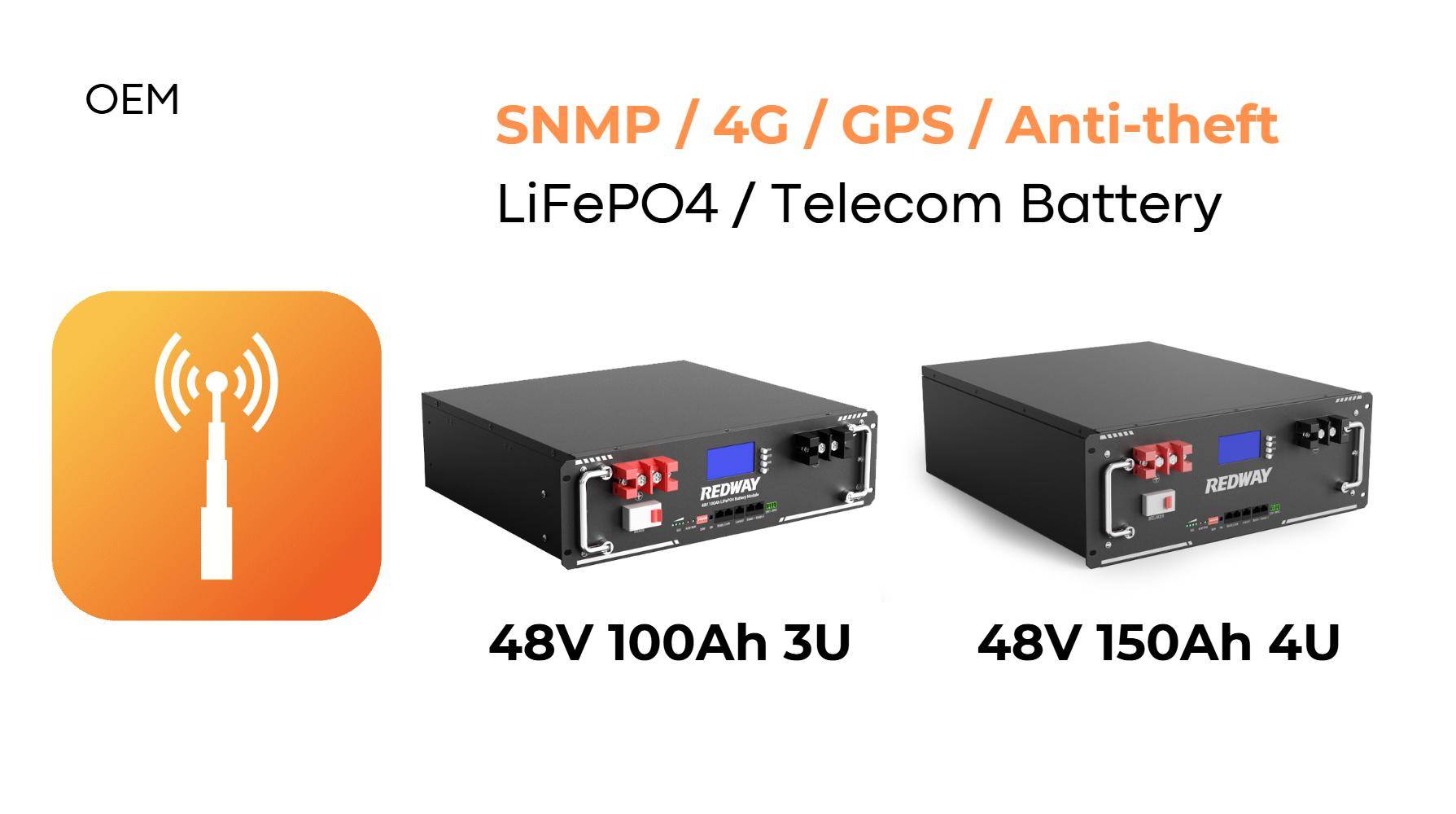
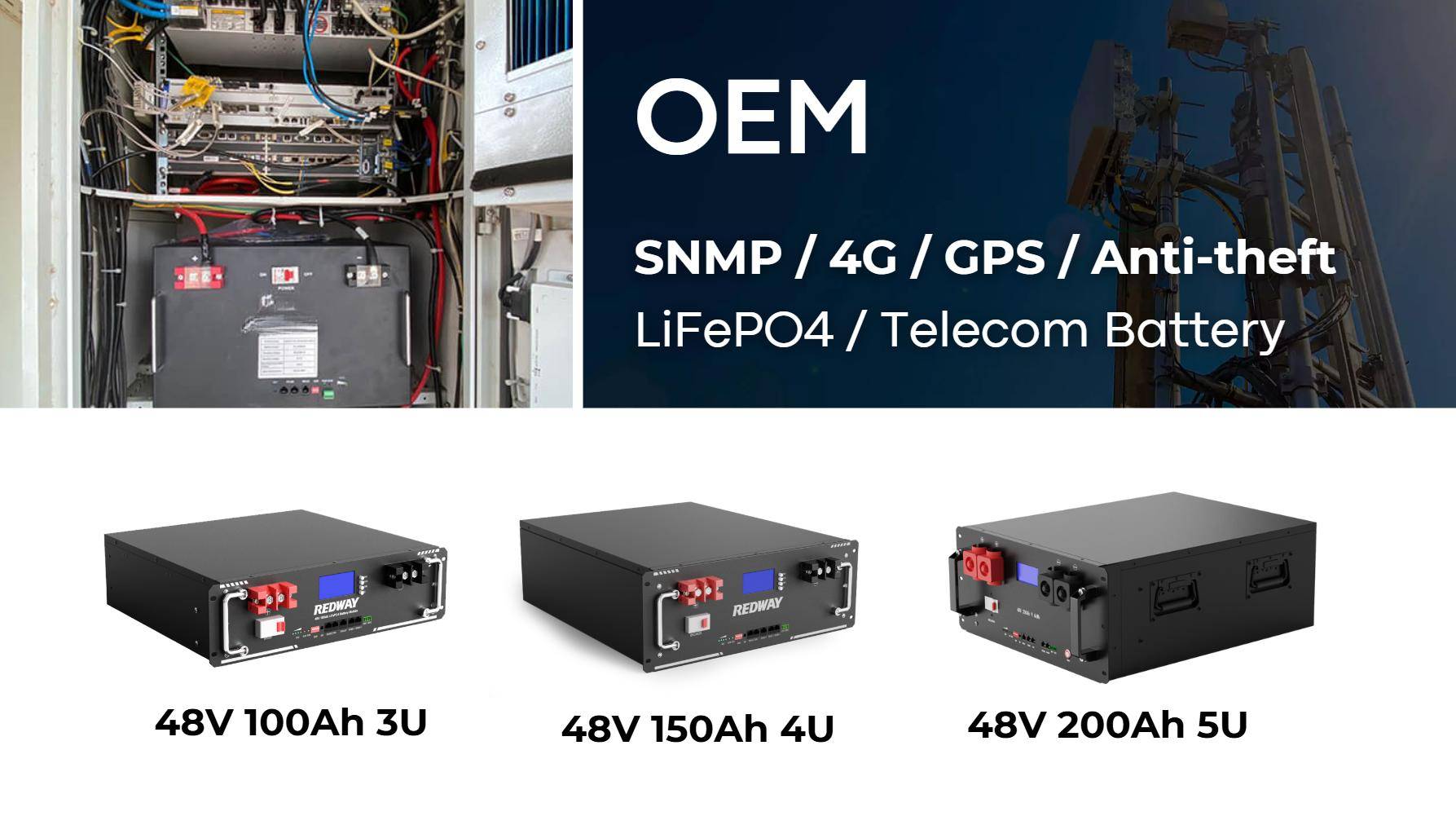
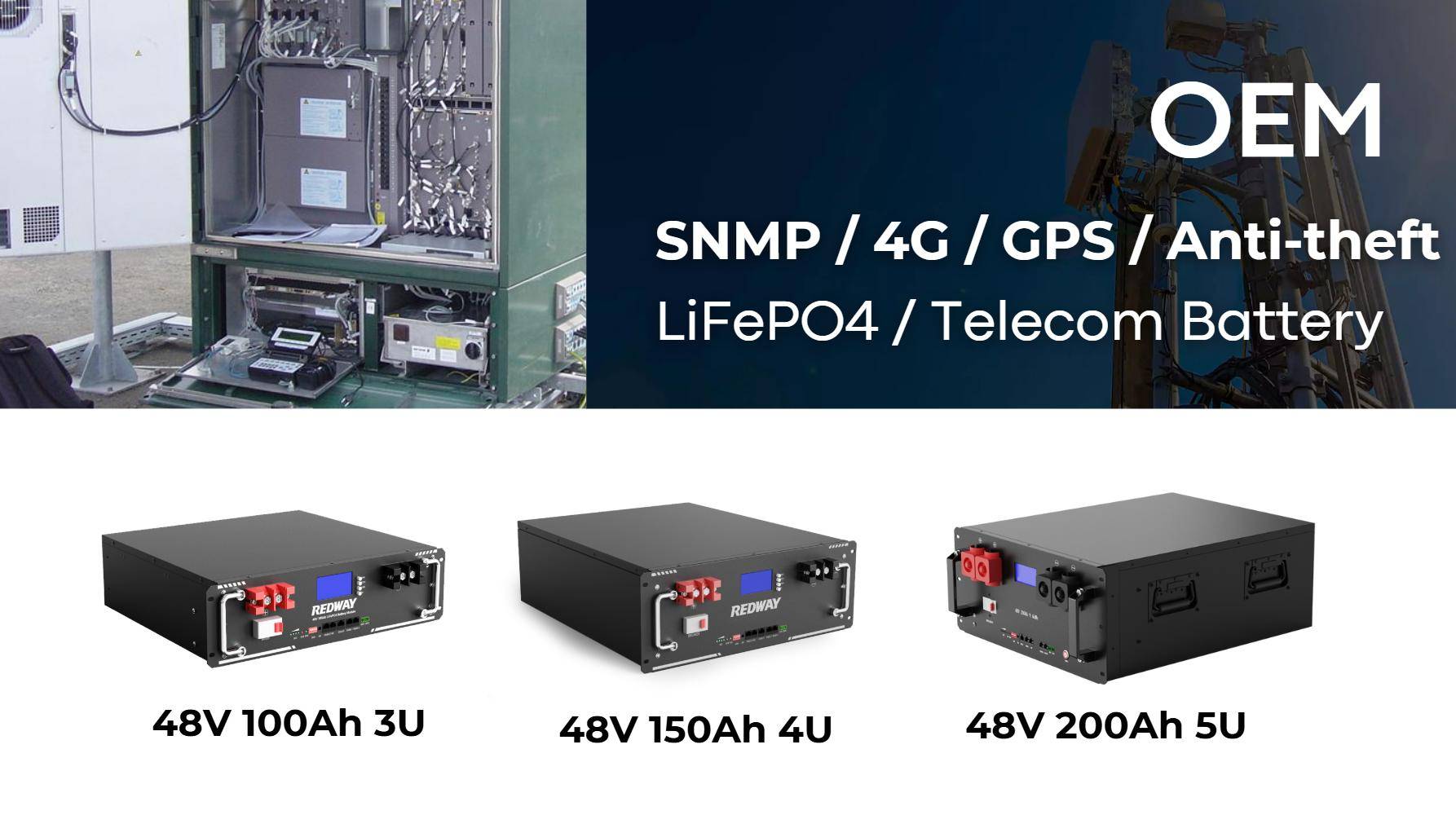
Telecom lithium batteries are tailored to address specific energy demands, environmental conditions, and infrastructure constraints. Customization involves optimizing capacity, voltage, temperature tolerance, and physical design. Solutions include modular configurations for scalability, ruggedized casings for harsh climates, and smart BMS integration for remote monitoring. These adaptations ensure reliable power backup, reduced downtime, and longevity in diverse telecom applications.
What Are the Key Advantages of Lithium Batteries in Telecom?
Lithium batteries offer higher energy density, faster charging, and longer lifespan compared to lead-acid alternatives. They operate efficiently in extreme temperatures (-20°C to 60°C) and require minimal maintenance. Their lightweight design reduces logistical costs, while modularity allows seamless integration into existing telecom towers, small cells, or edge computing nodes.
Modern lithium batteries achieve energy densities of 150-200 Wh/kg, nearly triple the capacity of lead-acid systems. This allows telecom operators to reduce footprint by 60% in space-constrained urban sites. For example, a 48V/100Ah lithium battery weighs just 28 kg versus 180 kg for a comparable lead-acid setup, enabling rooftop deployments where structural load limits exist. Fast charging at 1C rates ensures 80% capacity in under an hour, critical during grid outages. Cycle life improvements are equally significant – LFP batteries maintain 80% capacity after 5,000 cycles at 25°C, versus 800 cycles for VRLA batteries.
| Parameter | Lithium (LFP) | Lead-Acid (VRLA) |
|---|---|---|
| Energy Density | 150 Wh/kg | 50 Wh/kg |
| Cycle Life | 5,000+ | 800 |
| Charge Efficiency | 98% | 85% |
Which Lithium Battery Chemistries Dominate Telecom Applications?
Lithium Iron Phosphate (LFP) is the most common chemistry due to its thermal stability and 8,000+ cycle life. Lithium Nickel Manganese Cobalt Oxide (NMC) balances energy density and cost for urban deployments. Emerging options like Lithium Titanate (LTO) excel in ultra-fast charging for 5G microcells. Hybrid systems combine chemistries to optimize performance for site-specific needs.
How Do Custom Lithium Batteries Support Remote Telecom Infrastructure?
Customized solutions for remote sites feature solar compatibility, low self-discharge rates (≤3% monthly), and anti-corrosion coatings. Example: Arctic deployments use heated enclosures and grid-independent BMS systems. Desert installations prioritize dust-proofing and high-temperature throttling. These adaptations reduce generator dependency, enabling 99.999% uptime in off-grid or unstable grid regions.
What Role Does Battery Management Systems (BMS) Play in Customization?
Advanced BMS enables real-time monitoring of voltage, temperature, and state-of-charge via IoT platforms. Custom BMS algorithms prevent over-discharge in high-usage scenarios and balance cells during partial charging. Predictive analytics modules forecast battery health, scheduling maintenance before failures occur. This is critical for unmanned telecom sites requiring 10-15 years of autonomous operation.
What Environmental Factors Influence Lithium Battery Customization?
Design adjustments combat humidity (IP65-rated seals), altitude (pressure-equalized vents), and seismic activity (flexible busbars). Coastal sites use salt-resistant coatings, while earthquake-prone areas employ shock-absorbing mounts. Temperature-compensated charging profiles extend cycle life in fluctuating climates. These modifications ensure compliance with IEC 62619 and Telcordia GR-3158 standards.
Know more:
How Do Telecom Lithium Batteries Enhance Mobile Network Connectivity?
What Powers Telecom Base Stations During Outages?
How Do Telecom Lithium Batteries Ensure Reliable Power in Remote Locations?
How Do Telecom Batteries Ensure Uninterrupted Communication During Emergencies?
How Are Telecom Lithium Batteries Customized for Unique Needs?
How Are Telecom Lithium Batteries Revolutionizing Global Connectivity?
How Does Scalability Define Custom Telecom Battery Solutions?
Modular racks allow capacity expansion from 5kWh to 1MWh without redesign. Plug-and-play modules support incremental 48V/96V upgrades as network load grows. Containerized systems scale horizontally for macro towers, while vertical stacking suits urban small cells. This flexibility future-proofs investments against evolving 5G and IoT bandwidth demands.
Scalability isn’t just about capacity – it extends to voltage compatibility and form factor. For instance, Ericsson’s Power Stack solution uses 19-inch rack modules that integrate with both 48V DC plants and 240V AC systems. Each 5kWh module can be paralleled up to 30 units, enabling 150kWh storage per rack. In Malaysia, a tier-1 operator reduced tower opex by 40% using scalable lithium systems that matched traffic growth patterns. Future-ready designs also incorporate cross-chemistry compatibility, allowing operators to mix LFP and NMC batteries within the same BMS framework as needs evolve.
| Scalability Type | Configuration | Typical Use Case |
|---|---|---|
| Vertical | Stackable 2U modules | Urban small cells |
| Horizontal | Containerized 40ft units | Macro tower farms |
| Hybrid | Mix of LFP/NMC | Transitional grid sites |
Expert Views
“Custom lithium systems now account for 37% of telecom energy storage,” notes Dr. Elena Voss, CTO of PowerGrid Innovations. “We’re seeing demand for AI-driven BMS that auto-adapts to load patterns. A recent project in Indonesia combined LFP batteries with hydrogen fuel cells, cutting diesel use by 89%. The next frontier is swarm intelligence across distributed battery networks.”
Conclusion
Telecom lithium batteries evolve beyond one-size-fits-all through chemistry blends, smart controls, and environment-specific hardening. As networks densify with 5G/6G, customization will focus on energy-as-a-service models and grid-forming capabilities. Partnerships between battery OEMs and telecom operators are crucial to balance performance, sustainability, and TCO in next-gen deployments.
FAQs
- Q: Can lithium batteries replace diesel generators entirely?
- A: In hybrid setups, yes. Lithium systems handle base load with generators as backup, reducing runtime by 70-90%.
- Q: How long do custom telecom lithium batteries last?
- A: 10-15 years with proper BMS, versus 3-7 years for lead-acid. LFP chemistries often exceed 8,000 cycles at 80% DoD.
- Q: Are customized solutions cost-effective for small telecom operators?
- A: Yes. Pay-as-you-grow modular designs lower upfront costs. OPEX savings from reduced maintenance and fuel offset higher CAPEX in 2-3 years.