Blog
How Do Telecom Batteries Ensure Uninterrupted Communication During Emergencies?

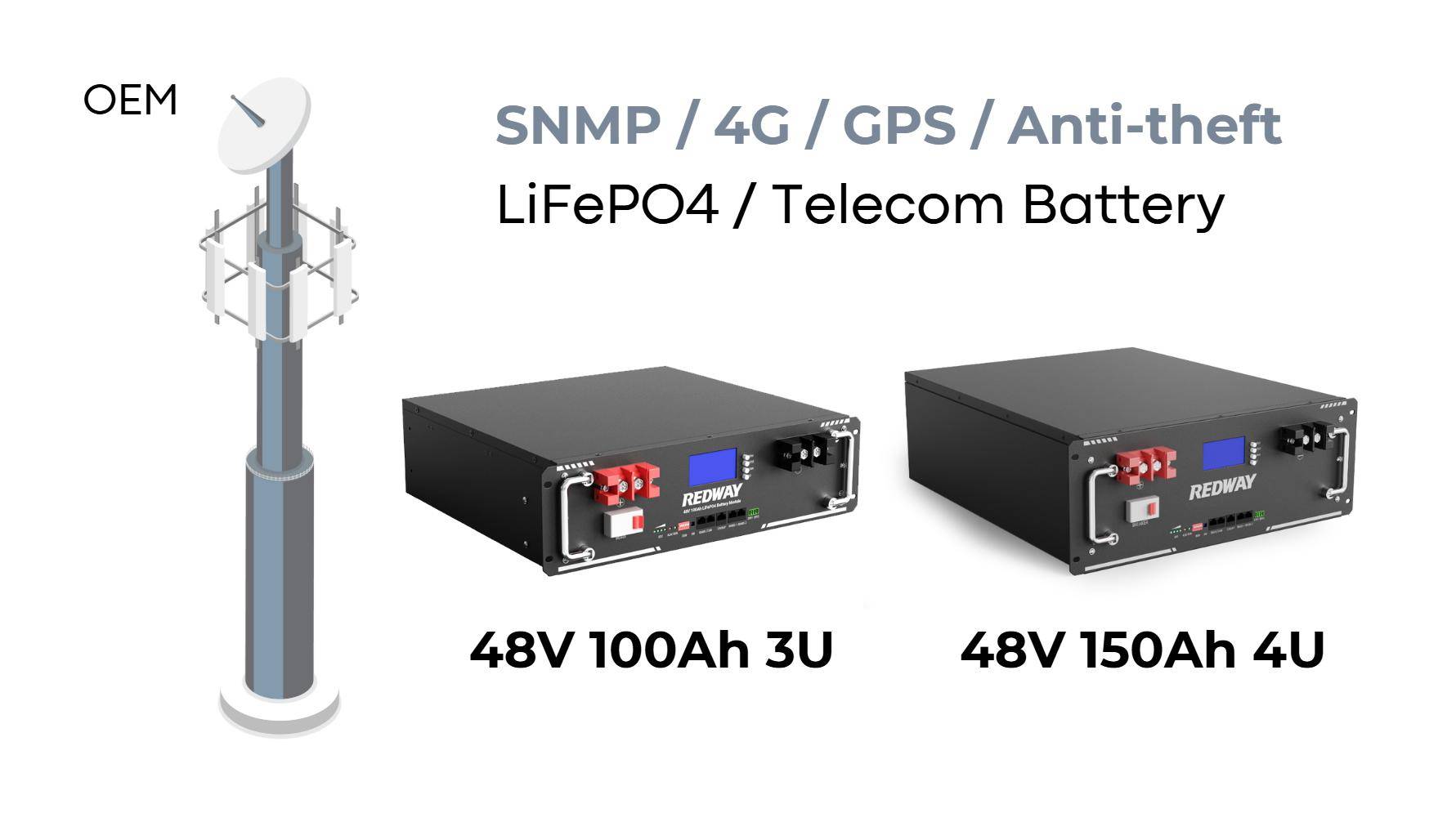
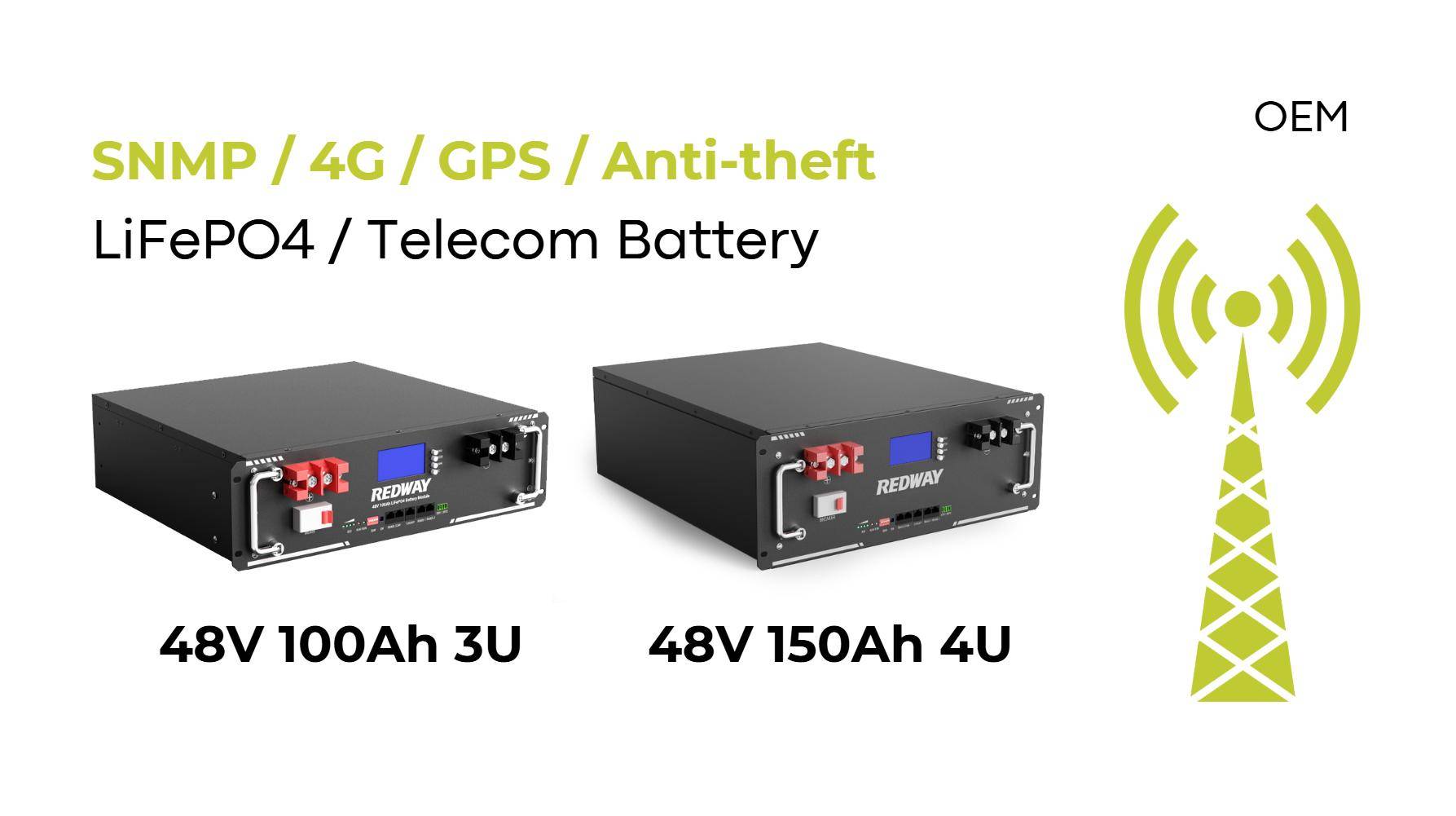
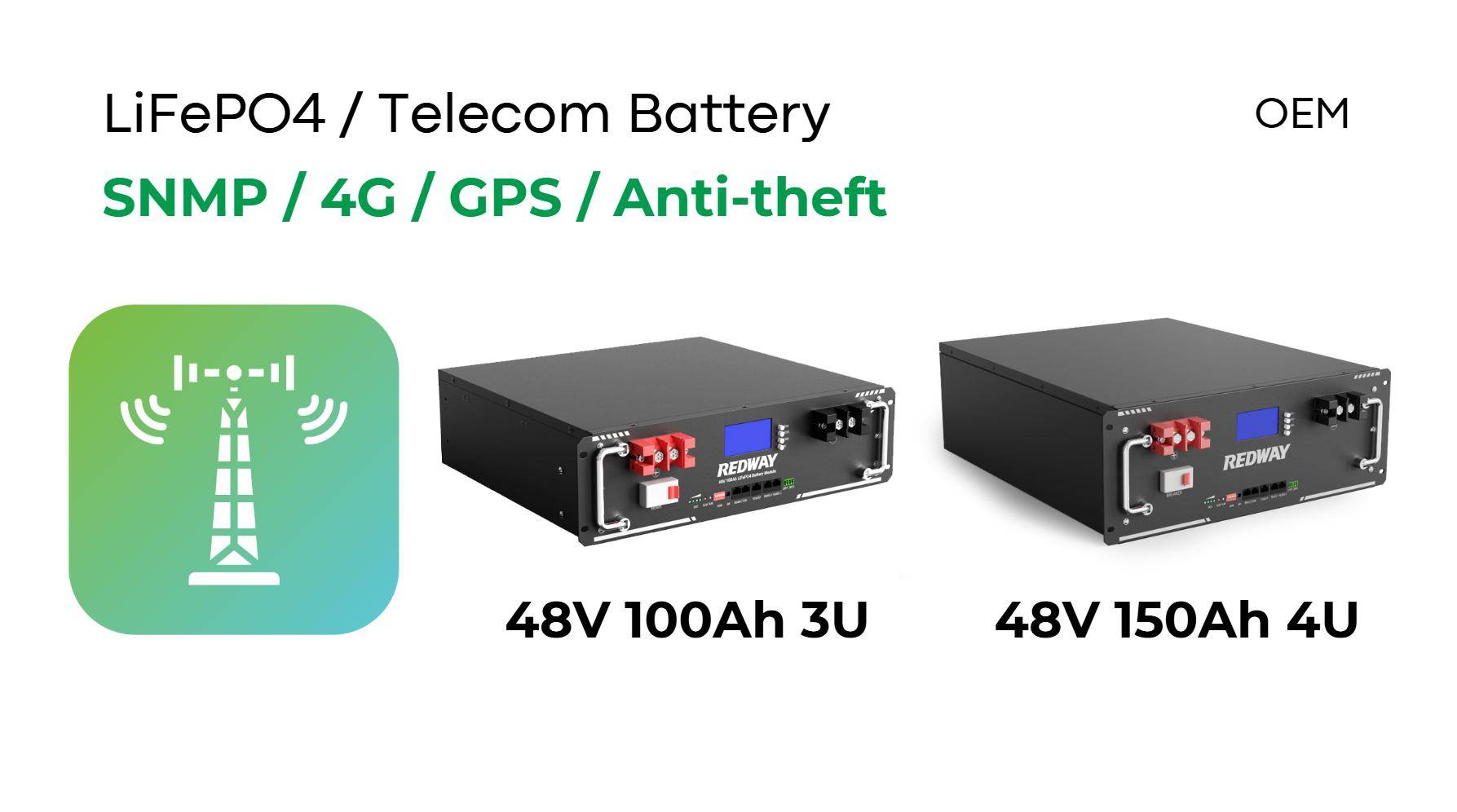
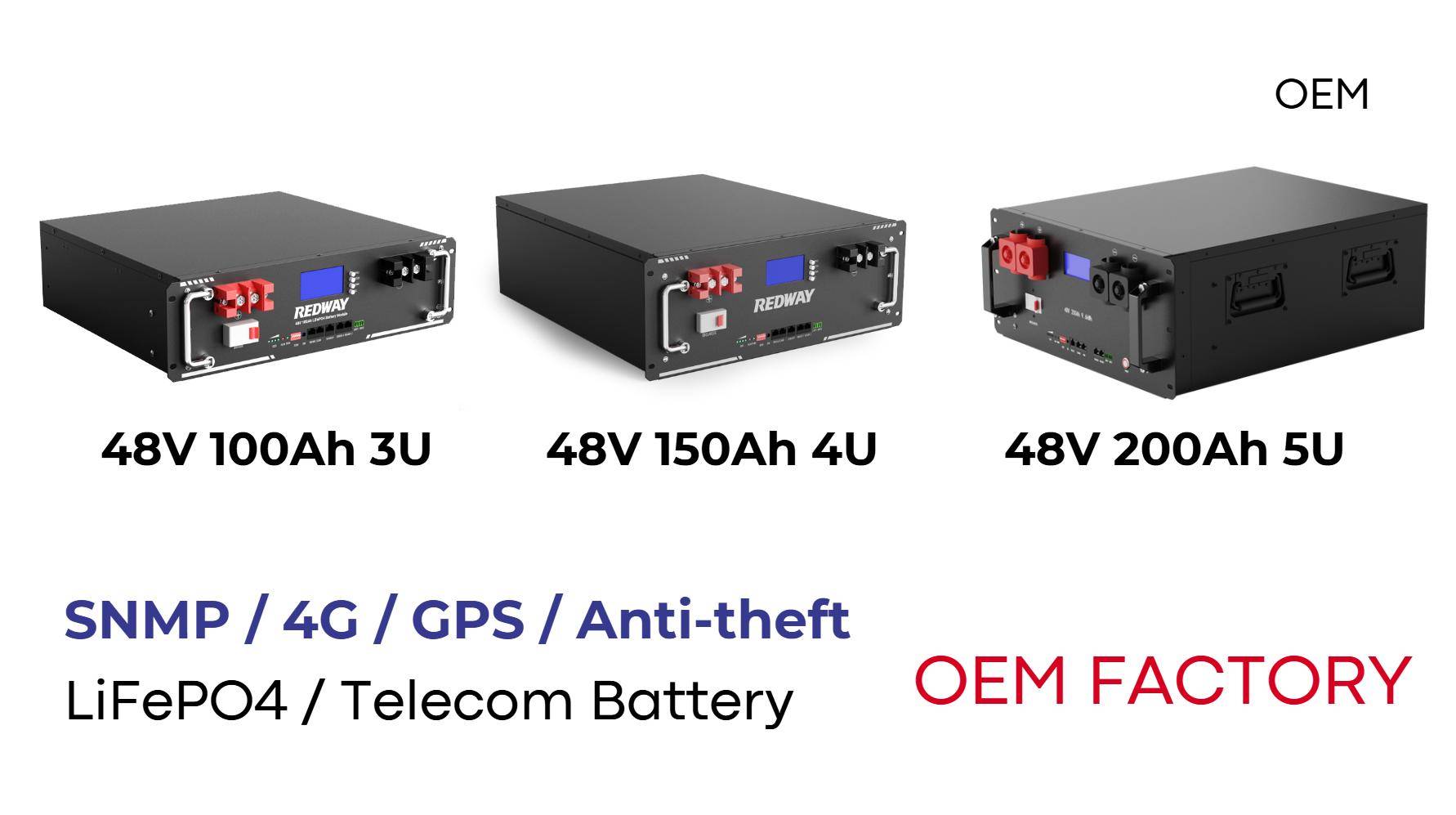
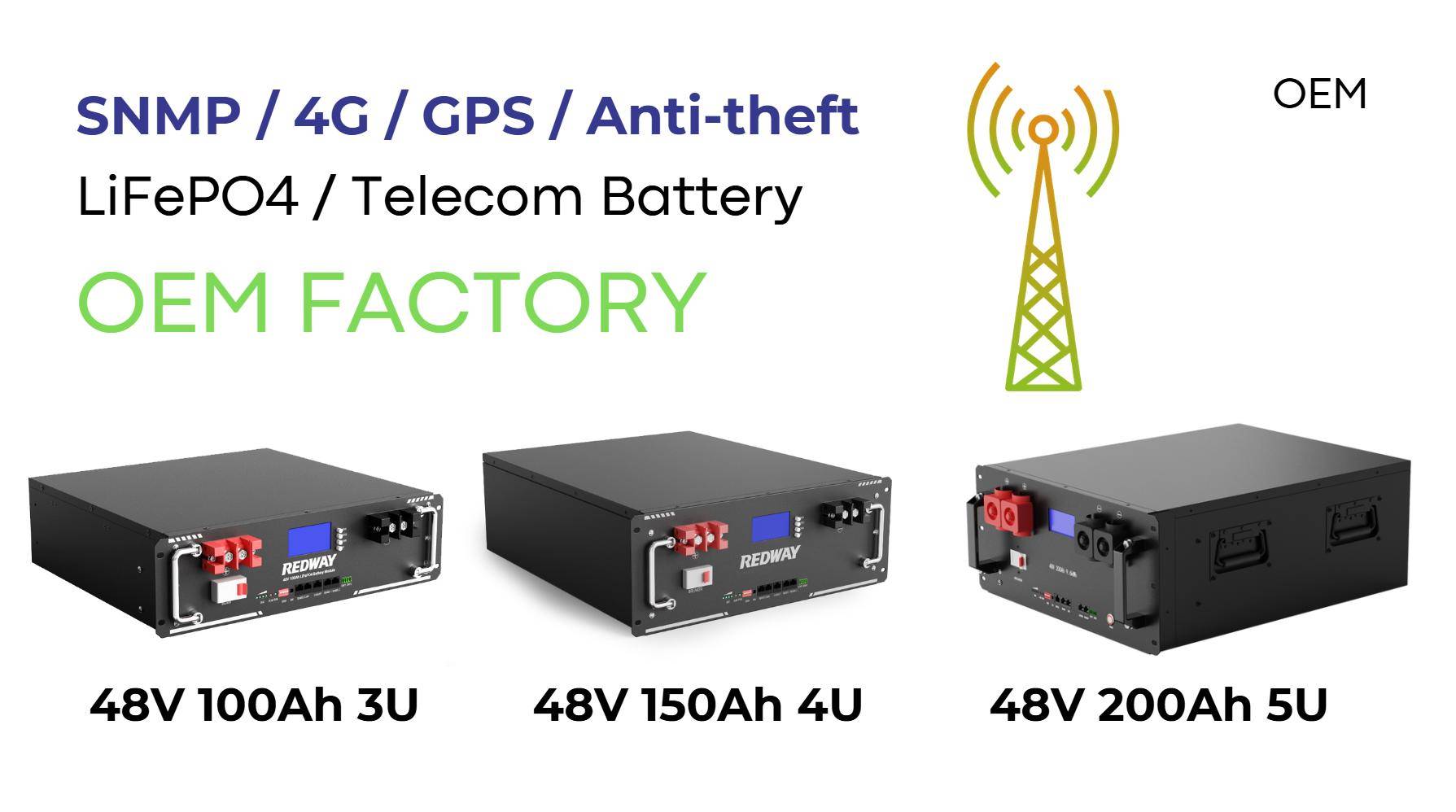
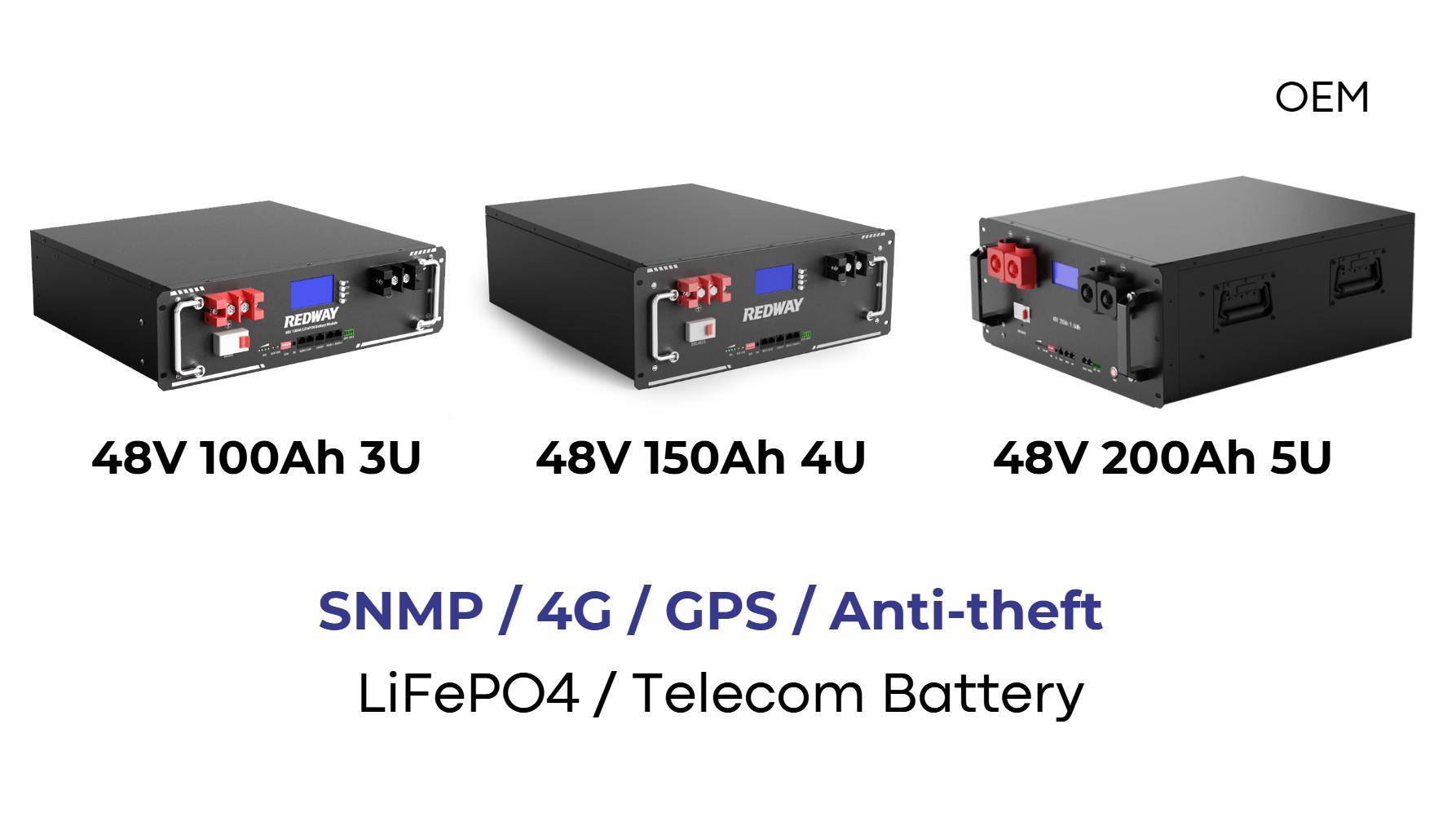
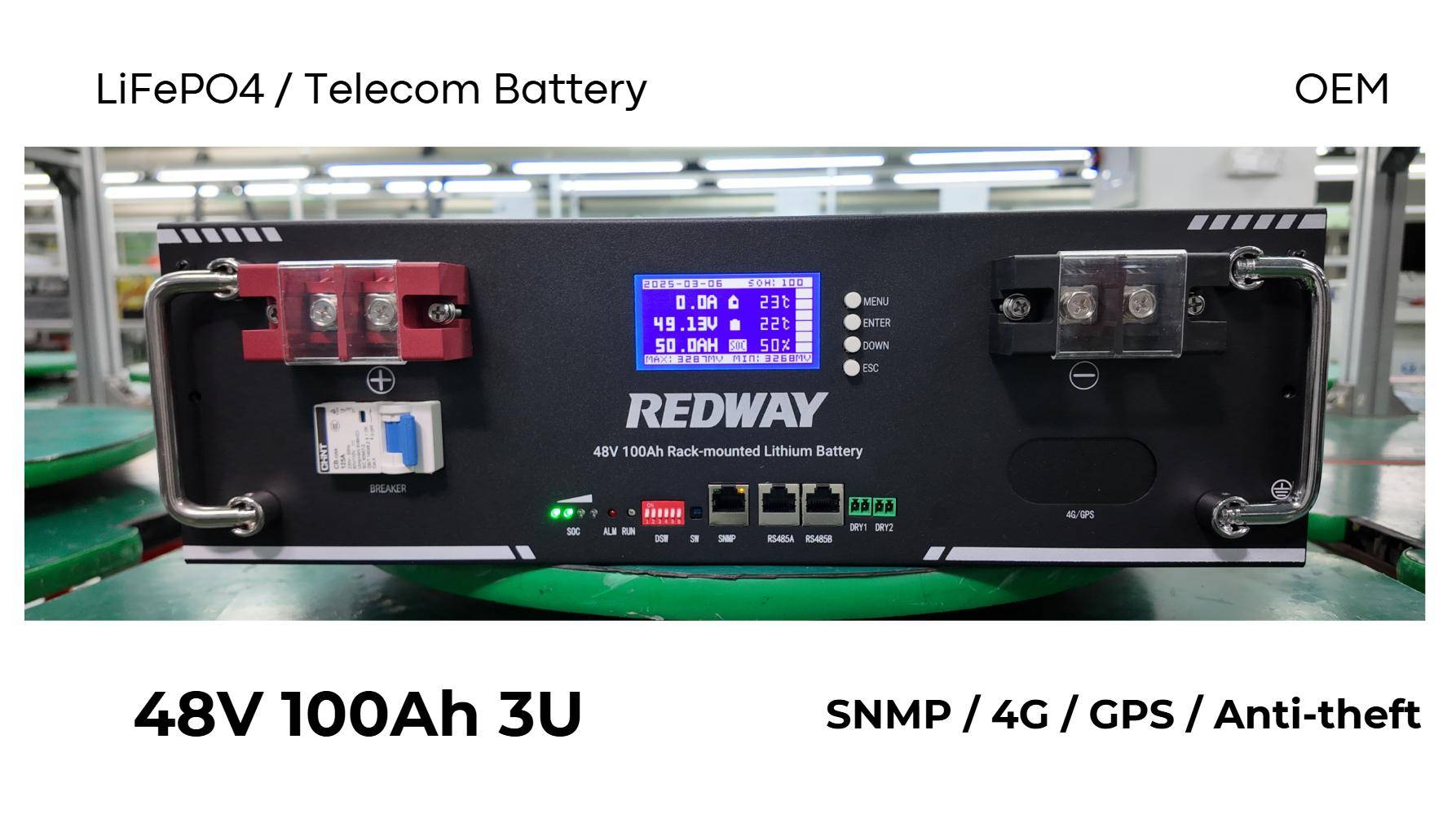
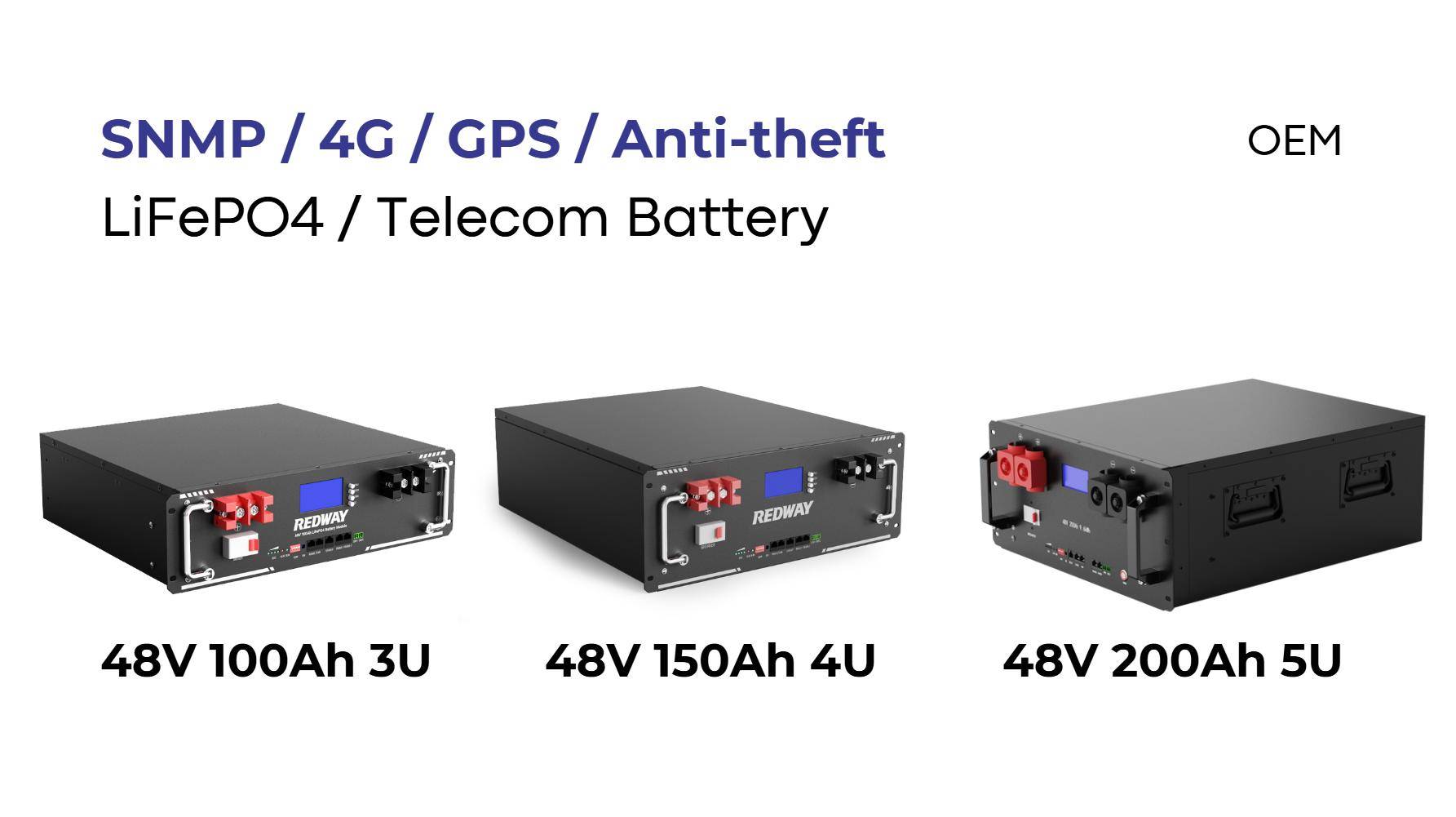
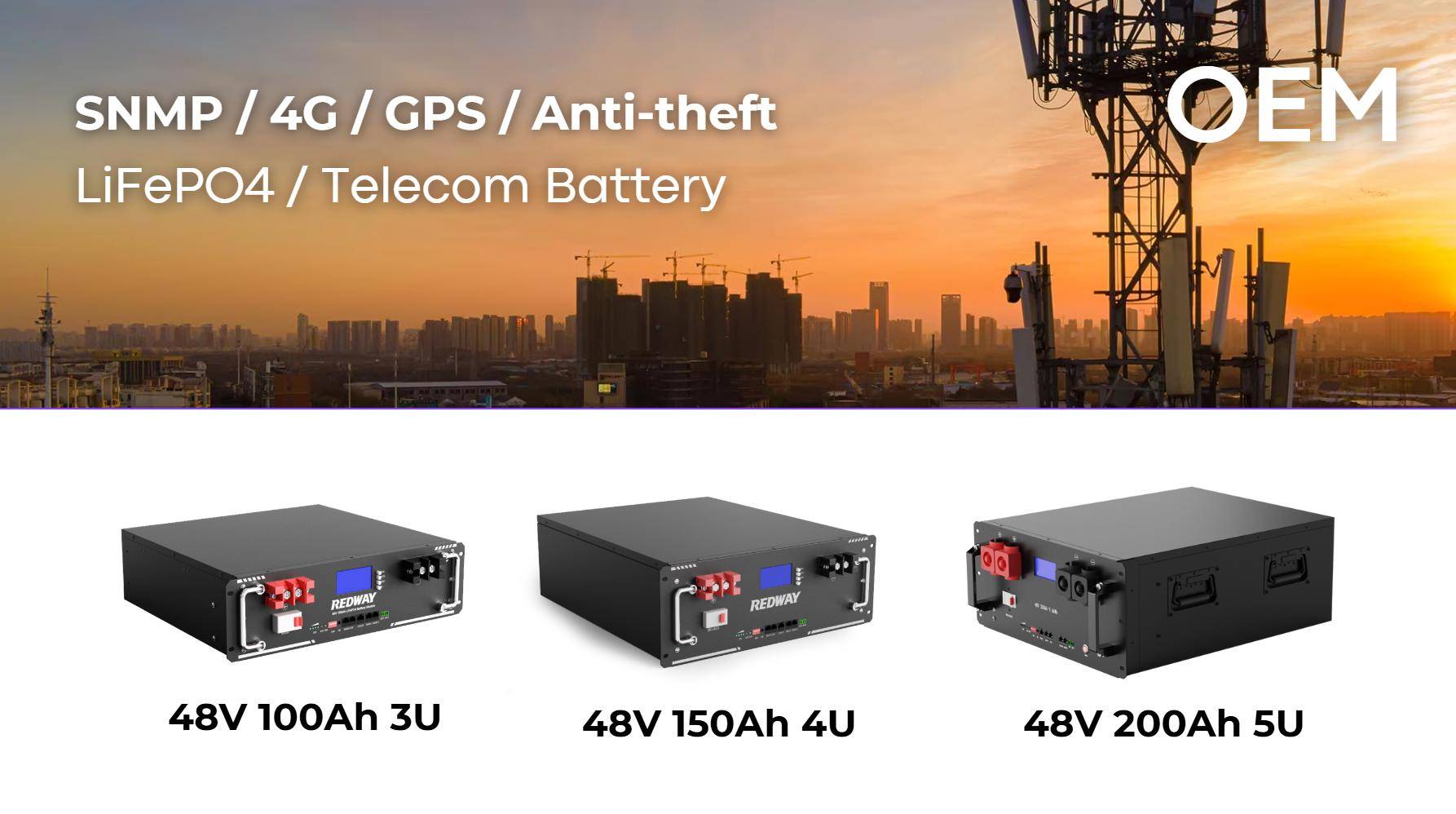
Telecom batteries provide critical backup power to communication networks during outages, ensuring connectivity for emergency services and public safety. These batteries, typically valve-regulated lead-acid (VRLA) or lithium-ion, maintain cellular towers, data centers, and critical infrastructure operational. Their reliability depends on capacity, maintenance, and integration with renewable energy sources, making them indispensable in disaster response scenarios.
What Role Do Telecom Batteries Play in Emergency Communication Systems?
Telecom batteries act as the backbone of emergency communication by powering cell towers and network hubs during grid failures. They enable uninterrupted transmission of data and voice signals, ensuring first responders and civilians stay connected. Without these batteries, natural disasters or grid issues could cripple 911 services, weather alerts, and disaster recovery coordination.
During Hurricane Ian in 2022, Florida’s telecom batteries provided 72 hours of continuous service to 85% of affected areas despite widespread power outages. New smart battery systems now automatically reroute power to high-priority sites like hospitals and emergency command centers. The Federal Communications Commission (FCC) mandates minimum 24-hour backup for all Tier 1 communication hubs, a standard achieved through precisely calibrated battery arrays.
Which Types of Batteries Are Most Reliable for Telecom Backup?
VRLA and lithium-ion batteries dominate telecom backup systems. VRLA batteries are cost-effective and maintenance-free, ideal for short-term outages. Lithium-ion batteries offer higher energy density, longer lifespans (10–15 years), and faster charging, making them suitable for prolonged emergencies. Hybrid systems combining both types are increasingly popular for balancing reliability and cost.
| Battery Type | Energy Density | Lifespan | Charge Time |
|---|---|---|---|
| VRLA | 30-50 Wh/kg | 5-8 years | 8-12 hours |
| Lithium-Ion | 100-265 Wh/kg | 10-15 years | 2-4 hours |
How Do Lithium-Ion Batteries Outperform Traditional Options?
Lithium-ion batteries provide 50% higher energy density than VRLA, reducing physical footprint. They operate efficiently in extreme temperatures (-20°C to 60°C) and charge 3x faster, critical during rapid succession outages. Their modular design allows scalability, while built-in battery management systems (BMS) monitor health, preventing thermal runaway—a key advantage over lead-acid alternatives.
Recent advancements include phase-change materials that absorb excess heat during operation. For example, AT&T’s Arizona sites using liquid-cooled lithium batteries maintained full functionality during 49°C heatwaves in 2023. The batteries’ ability to handle partial state-of-charge (PSOC) cycling makes them ideal for solar hybrid systems, where daily charge/discharge patterns would degrade VRLA units within months.
Why Is Regular Maintenance Crucial for Telecom Battery Longevity?
Monthly voltage checks, quarterly load testing, and annual thermal imaging prevent sulfation (lead-acid) or dendrite growth (lithium-ion). Maintenance ensures capacity stays above 80% of rated specs. Neglect can reduce lifespan by 40%—VRLA batteries last 5–7 years instead of 8–10, while lithium-ion may degrade from 15 to 9 years.
Verizon’s 2024 maintenance protocols reduced battery failures by 62% through AI-powered predictive analytics. Sensors now track internal resistance and electrolyte levels in real time, automatically dispatching technicians when parameters deviate. This proactive approach proved vital during Texas’ 2023 ice storms, where monitored batteries had 97% reliability versus 74% in unmonitored systems.
“The shift to lithium-ion in telecom isn’t just about energy density—it’s about enabling edge computing and 5G rollouts. A single site now supports 10,000+ connected devices, which demands batteries that handle microsecond load fluctuations. Legacy systems can’t keep up.”
— Dr. Elena Torres, Power Systems Architect, IEEE Senior Member
FAQs
- How Long Can Telecom Batteries Power a Cell Tower During an Outage?
- Most towers require 8–72 hours of backup. A 48V 500Ah lithium battery bank supports a 5G macro site for 24 hours at 50% load. Extended outages use diesel generators, but solar-hybrid systems can sustain sites indefinitely.
- Are There Fire Risks With Lithium-Ion Telecom Batteries?
- Modern lithium batteries include ceramic separators and flame-retardant electrolytes, reducing fire risk to 0.001%. UL 1973 certification mandates rigorous abuse testing—overcharge, crush, and short-circuit scenarios—to ensure safety.
- Can Old Telecom Batteries Be Repurposed?
- Yes. Retired lithium batteries with 70–80% capacity still serve energy storage for solar farms. Nissan’s 4R Energy repurposes EV batteries into telecom backups, extending usability by 5–7 years before recycling.
Know more:
How Do Telecom Lithium Batteries Enhance Mobile Network Connectivity?
What Powers Telecom Base Stations During Outages?
How Do Telecom Lithium Batteries Ensure Reliable Power in Remote Locations?
How Do Telecom Batteries Ensure Uninterrupted Communication During Emergencies?
How Are Telecom Lithium Batteries Customized for Unique Needs?
How Are Telecom Lithium Batteries Revolutionizing Global Connectivity?