Blog
What Powers Telecom Base Stations During Outages?

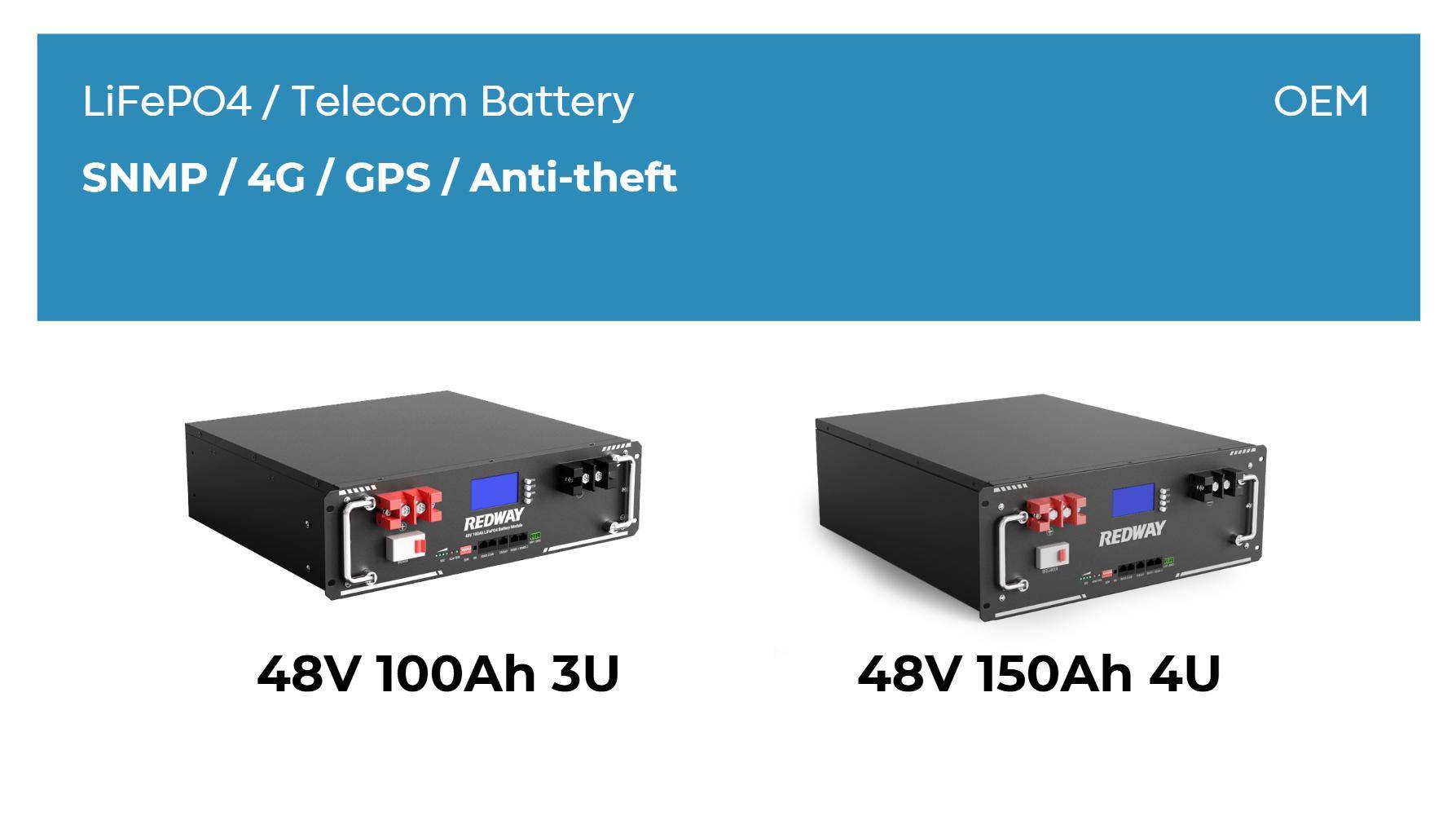
Telecom batteries for base stations are backup power systems using valve-regulated lead-acid (VRLA) or lithium-ion batteries. They ensure uninterrupted connectivity during grid failures by storing energy and discharging it when needed. These batteries support critical communication infrastructure, prioritizing reliability and scalability. Modern variants integrate renewable energy sources and smart monitoring to optimize performance in cellular networks.
How Do Telecom Batteries Ensure Network Reliability?
Telecom batteries provide instantaneous power during grid outages via electrochemical energy storage. VRLA batteries use absorbed glass mat (AGM) technology for spill-proof operation, while lithium-ion variants offer higher energy density. They maintain voltage stability through rectifiers and DC plants, enabling base stations to function for 4-48 hours during blackouts. Redundant battery banks and load-shedding protocols prevent dropped calls and data interruptions.
Why Are VRLA Batteries Dominant in Telecom Infrastructure?
VRLA batteries dominate due to their maintenance-free design, lower upfront costs ($80-$150/kWh), and tolerance to partial state-of-charge cycling. Their recombinant technology minimizes water loss, enabling deployment in sealed cabinets. AGM variants withstand vibrations in outdoor enclosures, while gel-types perform better in high-temperature environments. However, their 5-8-year lifespan trails lithium-ion alternatives, which last 10-15 years despite higher initial costs.
The widespread adoption of VRLA batteries is further reinforced by their compatibility with existing 48V DC power systems in telecom shelters. Their ability to operate in passive thermal environments reduces cooling costs compared to lithium-ion solutions requiring active temperature management. Recent field studies show VRLA systems maintain 92% capacity retention after 500 cycles in tower-mounted radio applications. Operators in developing markets particularly favor these batteries due to simplified recycling processes and established supply chains for lead-acid components.
| Battery Type | Cycle Life | Cost per kWh | Operating Temp Range |
|---|---|---|---|
| VRLA (AGM) | 500-800 cycles | $80-$150 | -20°C to 50°C |
| Lithium-Ion (LFP) | 3,000-4,000 cycles | $300-$500 | -40°C to 60°C |
What Innovations Are Reshaping Lithium-Ion Telecom Batteries?
Lithium iron phosphate (LFP) batteries now feature embedded battery management systems (BMS) for real-time voltage/temperature tracking. Phase-change materials cool cells during high-load events, extending cycle life beyond 4,000 cycles. Hybrid systems combine lithium-ion with supercapacitors for instantaneous load transfers. Manufacturers like Eaton and Vertiv offer modular racks enabling 48V to 400V DC scalability, reducing footprint by 60% versus lead-acid setups.
When Should Operators Transition to Lithium-Based Systems?
Operators should transition when facing space constraints, frequent power fluctuations, or >30% energy cost savings opportunities. Lithium-ion becomes cost-effective at >8 discharge cycles weekly. Sites using solar/wind hybrids benefit from lithium’s faster charging and wider temperature range (-40°C to 60°C). Total cost of ownership breaks even within 3-5 years despite 2x higher upfront costs versus VRLA.
Which Cybersecurity Risks Affect Smart Telecom Batteries?
IoT-enabled batteries face risks like BMS firmware tampering, false state-of-charge reporting, and remote shutdown exploits. Unencrypted MODBUS protocols in legacy systems allow man-in-the-middle attacks. Mitigation includes hardware security modules (HSM) for data signing, zero-trust architecture for network access, and blockchain-based charge/discharge logging. The NIST IR 8401 framework mandates quarterly penetration testing for grid-connected storage systems.
Recent vulnerabilities discovered in cellular-connected battery monitoring systems highlight the need for encrypted communication channels. Attack vectors exploiting battery API endpoints could potentially manipulate load-shedding schedules during peak demand periods. Leading manufacturers now implement TLS 1.3 encryption for all remote diagnostics and require multi-factor authentication for firmware updates. The 2023 GSMA security guidelines recommend physical security seals on battery compartments and real-time anomaly detection through machine learning algorithms analyzing power draw patterns.
“The shift toward lithium-ion and hydrogen fuel cell hybrids will accelerate as 5G densification strains existing power infrastructure. Smart batteries now act as grid assets—participating in demand response programs during peak loads. Future systems will self-heal through AI-driven anomaly detection, cutting OPEX by 40%.” — Telecom Energy Storage Council, 2024 Industry Whitepaper
Conclusion
Telecom batteries remain the linchpin of network resilience, evolving from passive backups to active grid participants. Operators must balance longevity, TCO, and emerging cybersecurity demands while adopting adaptive technologies like liquid-cooled lithium packs and hydrogen fuel cells. Strategic upgrades ensure compliance with ETSI 300 132-2 standards while future-proofing against escalating energy demands from 5G/6G deployments.
FAQs
- How Often Should Telecom Batteries Be Tested?
- VRLA batteries require quarterly impedance testing and annual capacity checks. Lithium-ion systems need BMS firmware updates every 6 months and thermal imaging scans biannually. IEEE 1188-2022 standards mandate full discharge testing every 2 years for critical sites.
- Can Solar Panels Charge Telecom Batteries Directly?
- Yes, via maximum power point tracking (MPPT) charge controllers. Solar arrays offset 20-60% of grid consumption but require voltage matching (typically 48V DC). Hybrid inverters enable dual-input charging from solar and generators, prioritized by intelligent energy management software.
- What Disposal Regulations Apply to Telecom Batteries?
- The Basel Convention mandates hazardous waste labeling for lead-acid batteries. EU Battery Directive 2023 requires 90% lithium recovery rates. U.S. operators follow EPA RCRA Subtitle C for transportation and recycling. Fines for improper disposal exceed $10,000 per incident in most jurisdictions.
Know more:
How Do Telecom Lithium Batteries Enhance Mobile Network Connectivity?
What Powers Telecom Base Stations During Outages?
How Do Telecom Lithium Batteries Ensure Reliable Power in Remote Locations?
How Do Telecom Batteries Ensure Uninterrupted Communication During Emergencies?
How Are Telecom Lithium Batteries Customized for Unique Needs?
How Are Telecom Lithium Batteries Revolutionizing Global Connectivity?