Blog
How Do Telecom Lithium Batteries Work? Technology and Principles Explained

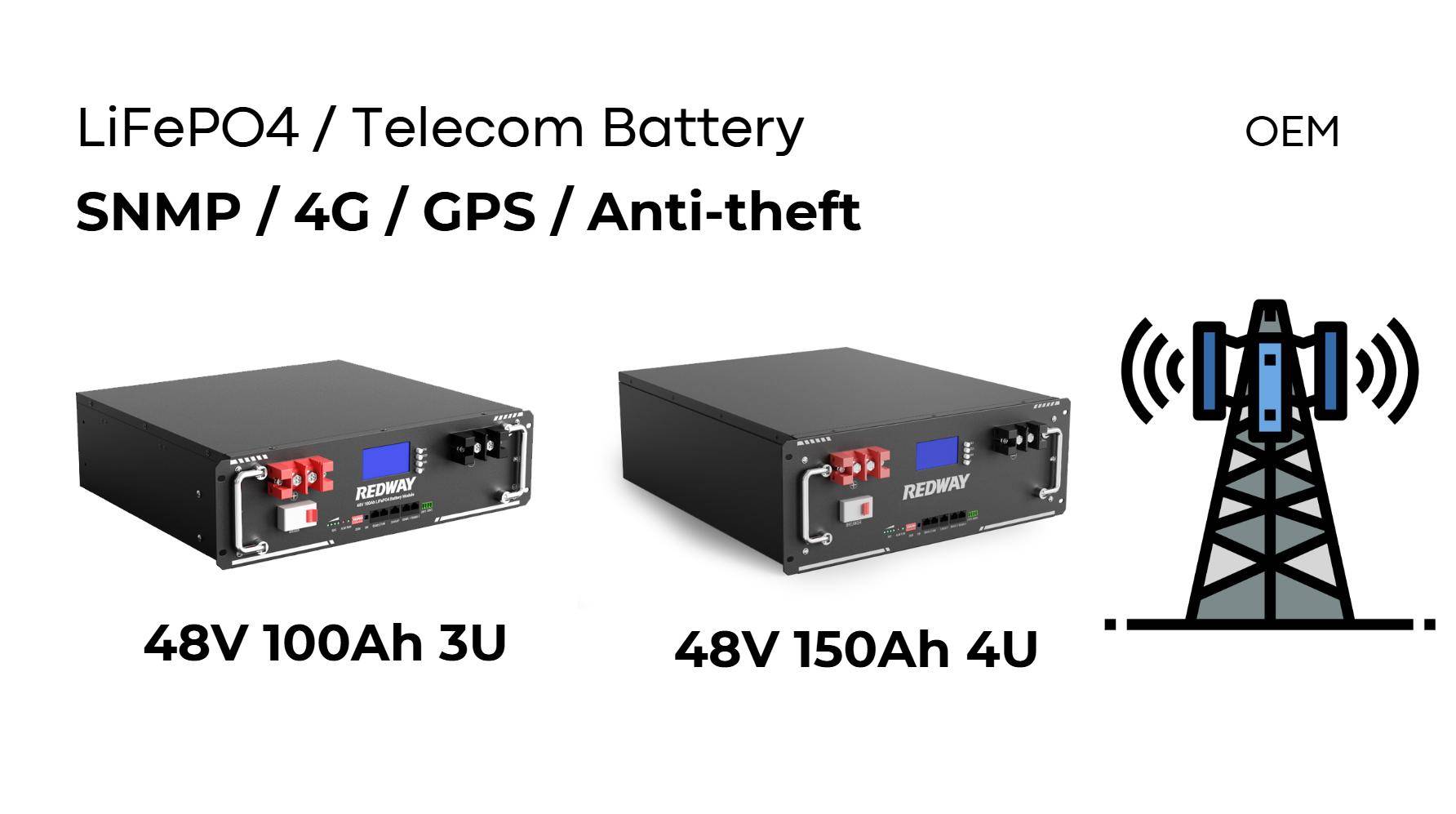
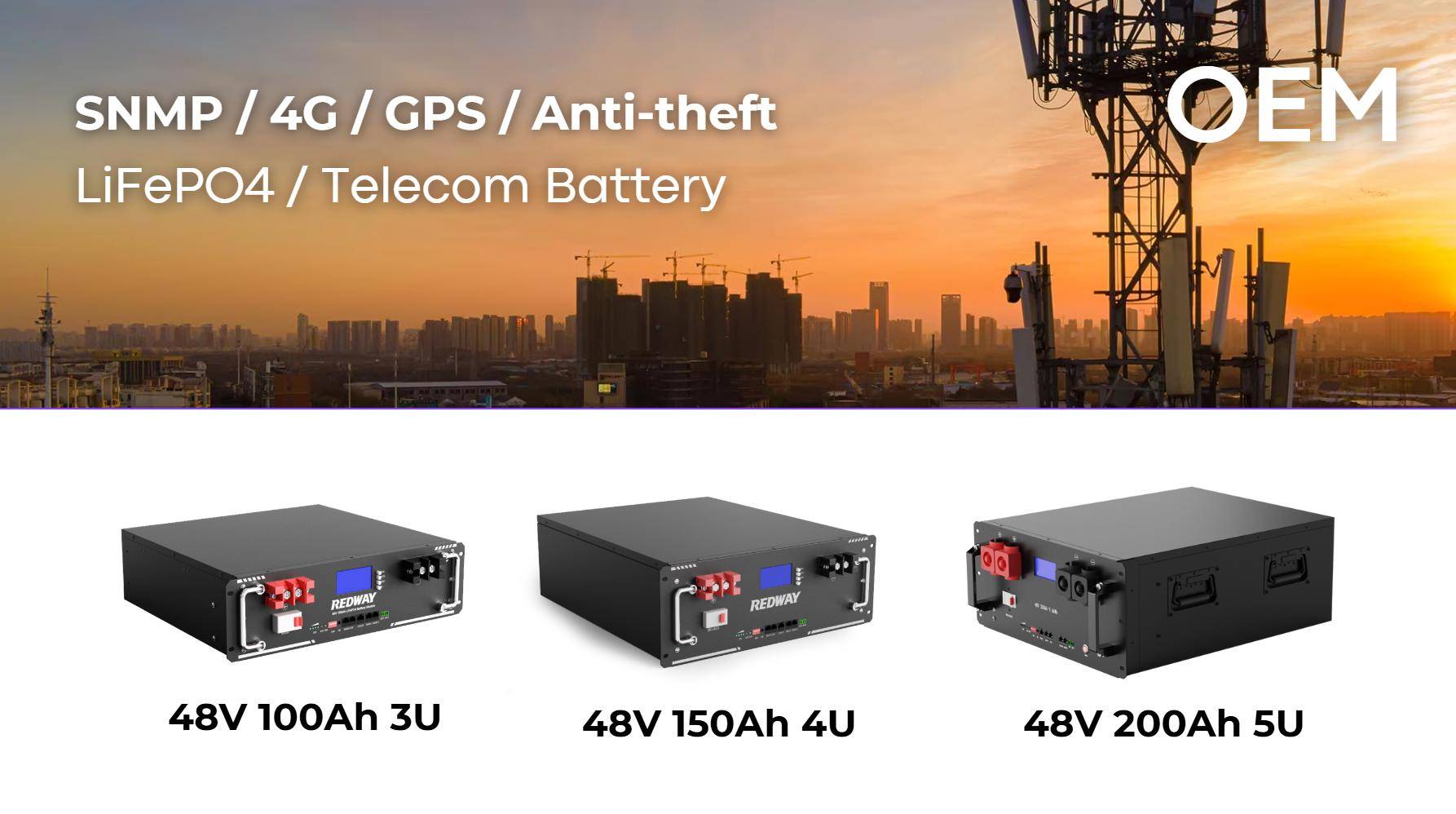
Telecom lithium batteries store and deliver energy through electrochemical reactions. Lithium ions move between cathode (typically lithium iron phosphate) and anode (graphite) via an electrolyte, generating electricity. These batteries offer high energy density, longer lifespan, and stable performance in extreme temperatures, making them ideal for backup power in telecommunications infrastructure.
What Are the Key Components of Telecom Lithium Batteries?
Telecom lithium batteries consist of four core components: cathode (lithium metal oxide), anode (carbon-based material), electrolyte (lithium salt solution), and separator. Advanced models include Battery Management Systems (BMS) for temperature control, voltage regulation, and safety monitoring. These components work synergistically to enable efficient energy transfer and prevent thermal runaway.
How Do Lithium-Ion Cells Store and Release Energy?
During charging, lithium ions migrate from cathode to anode through the electrolyte, storing energy. Discharge reverses this flow, releasing electrons through external circuits. This “rocking chair” mechanism (lithium shuttling) achieves 90-95% round-trip efficiency. Telecom batteries use deep-cycle designs optimized for prolonged, low-current discharge rather than short bursts of high power.
Why Are Lithium Batteries Preferred Over Lead-Acid in Telecom?
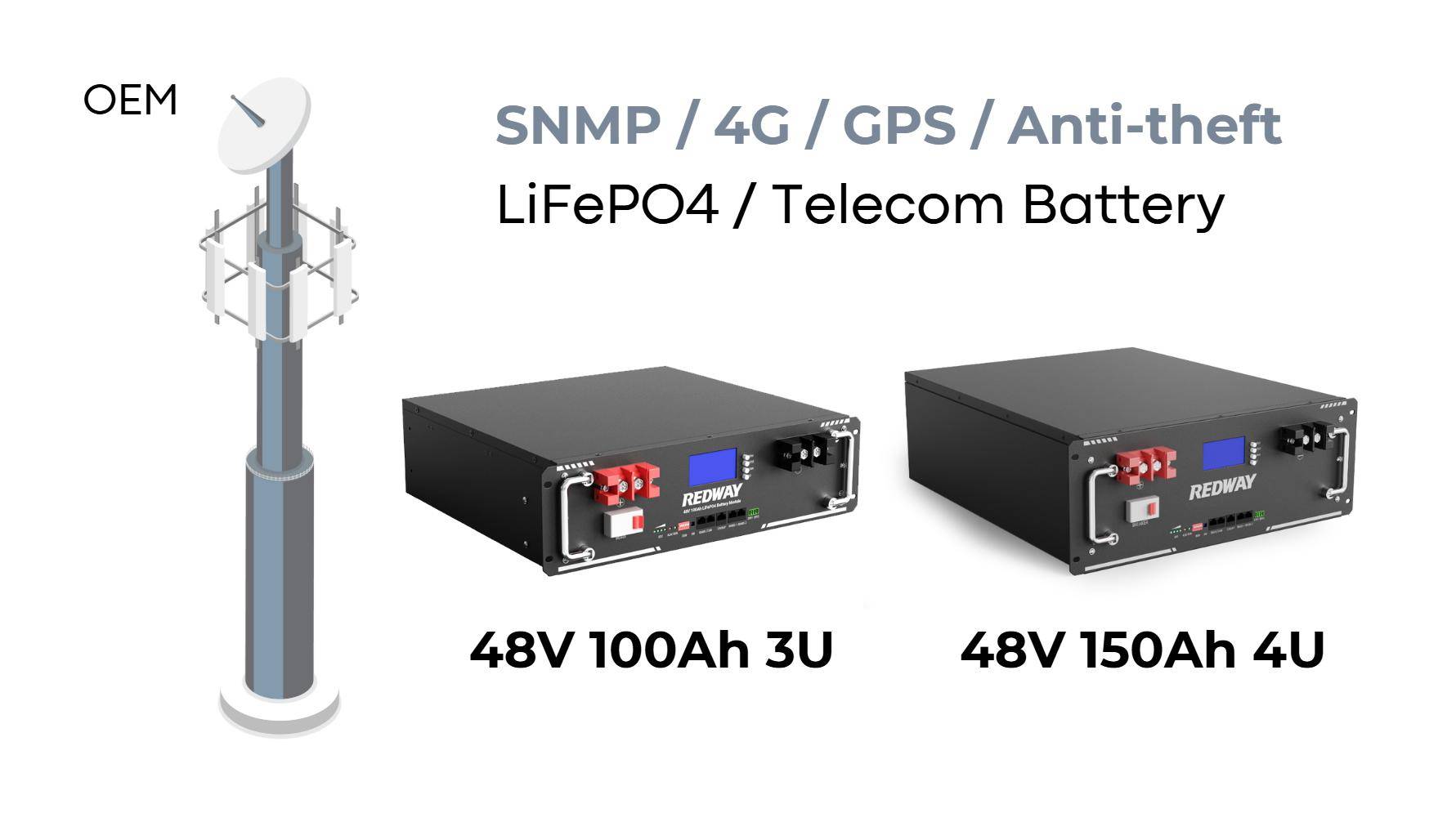
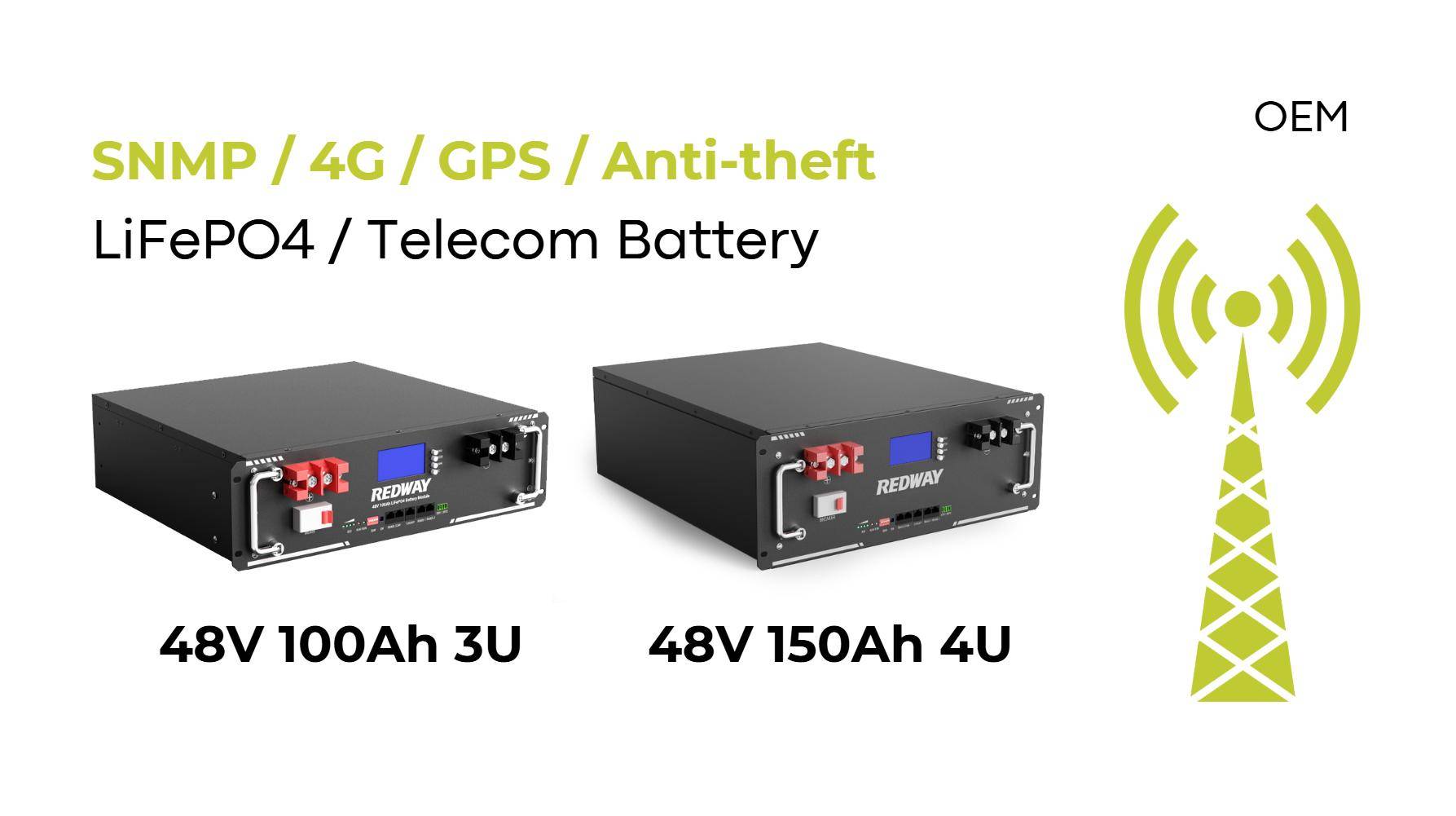
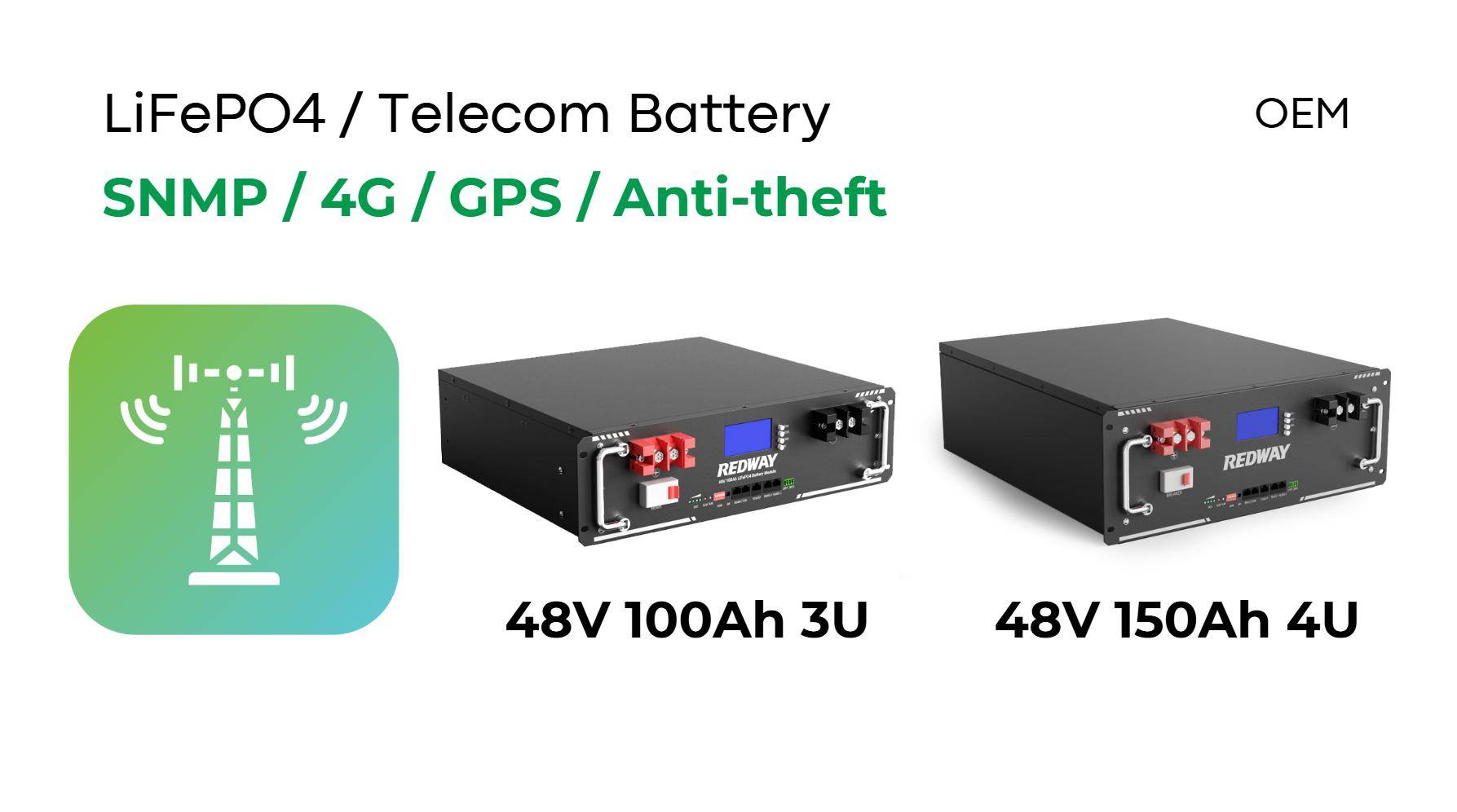
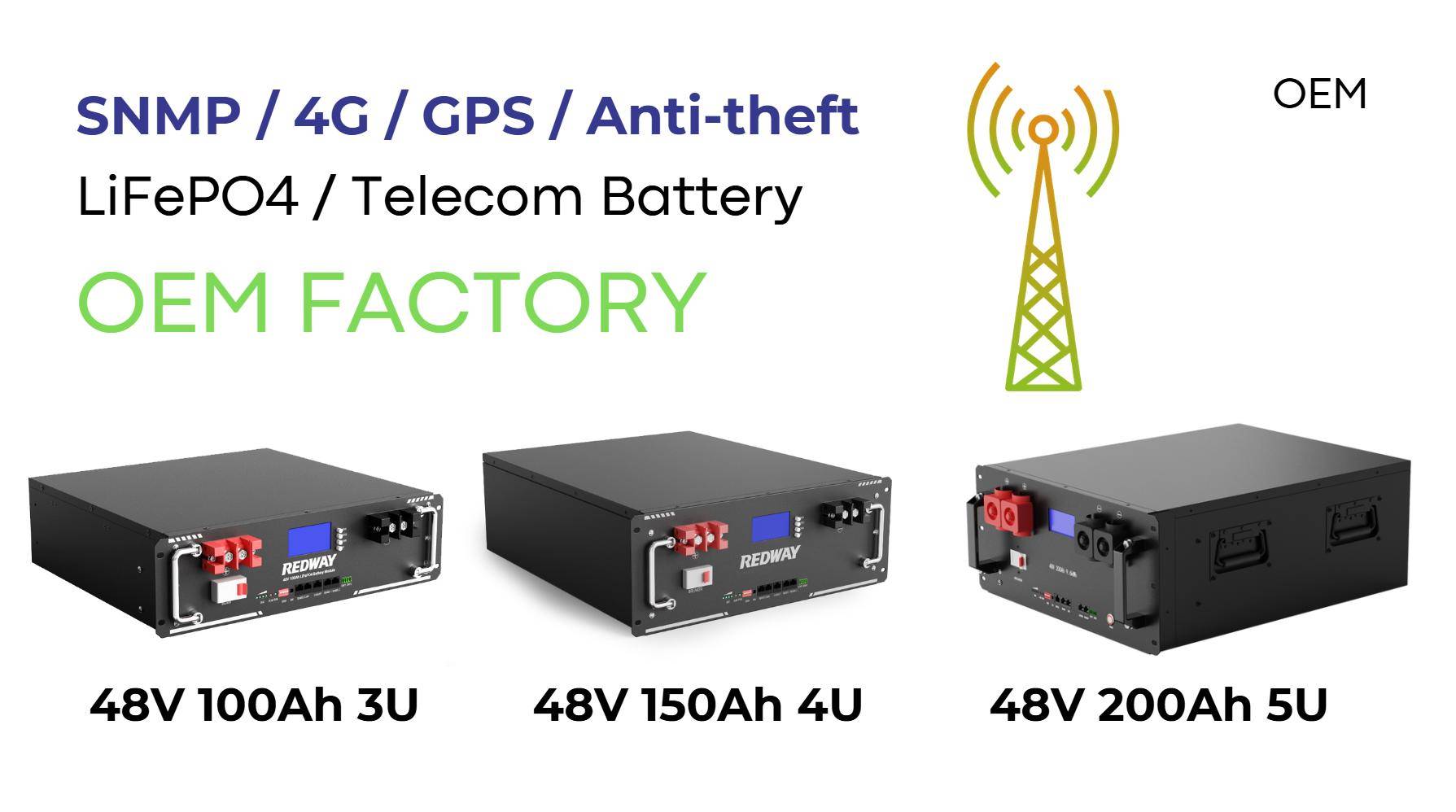
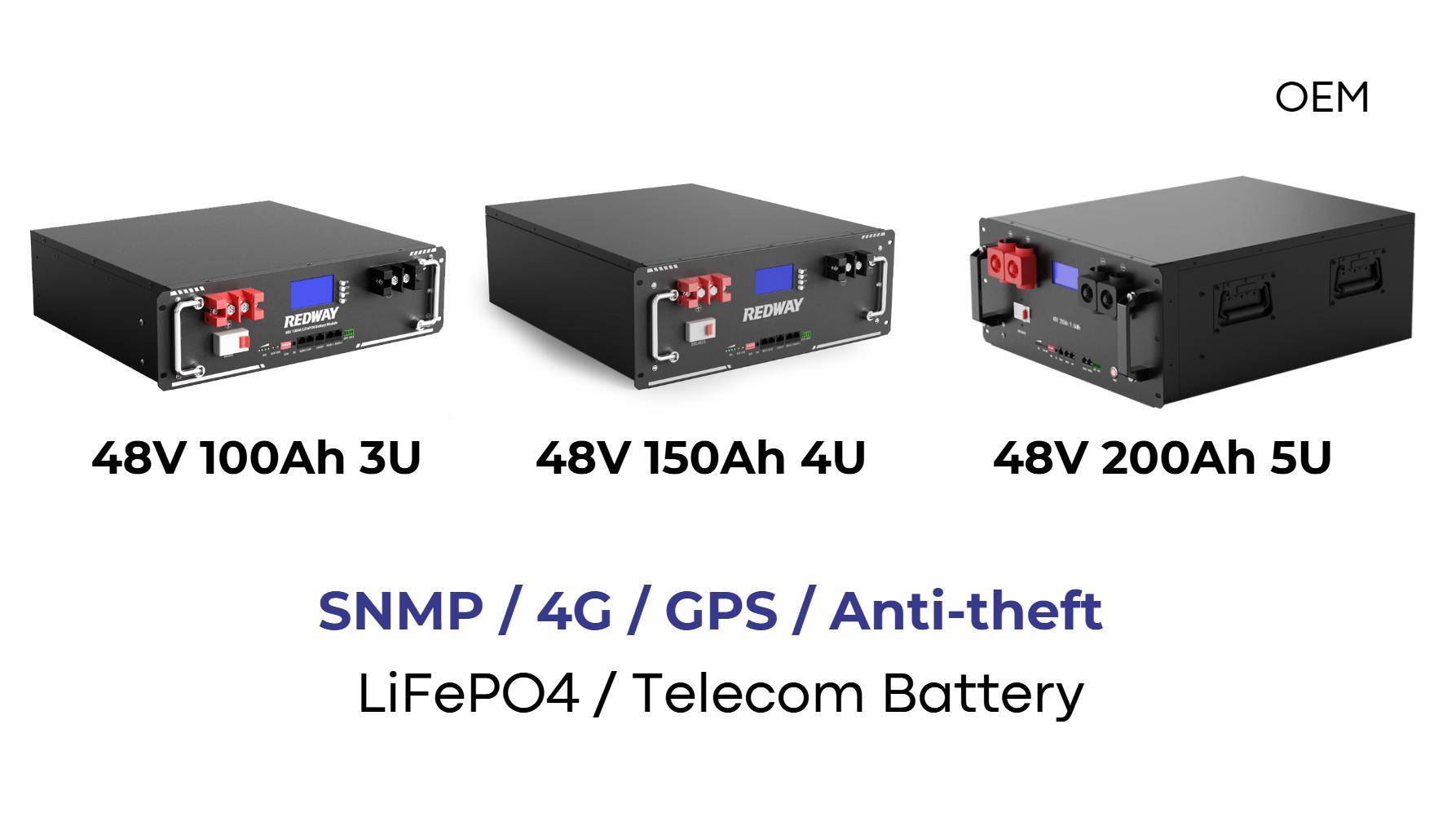
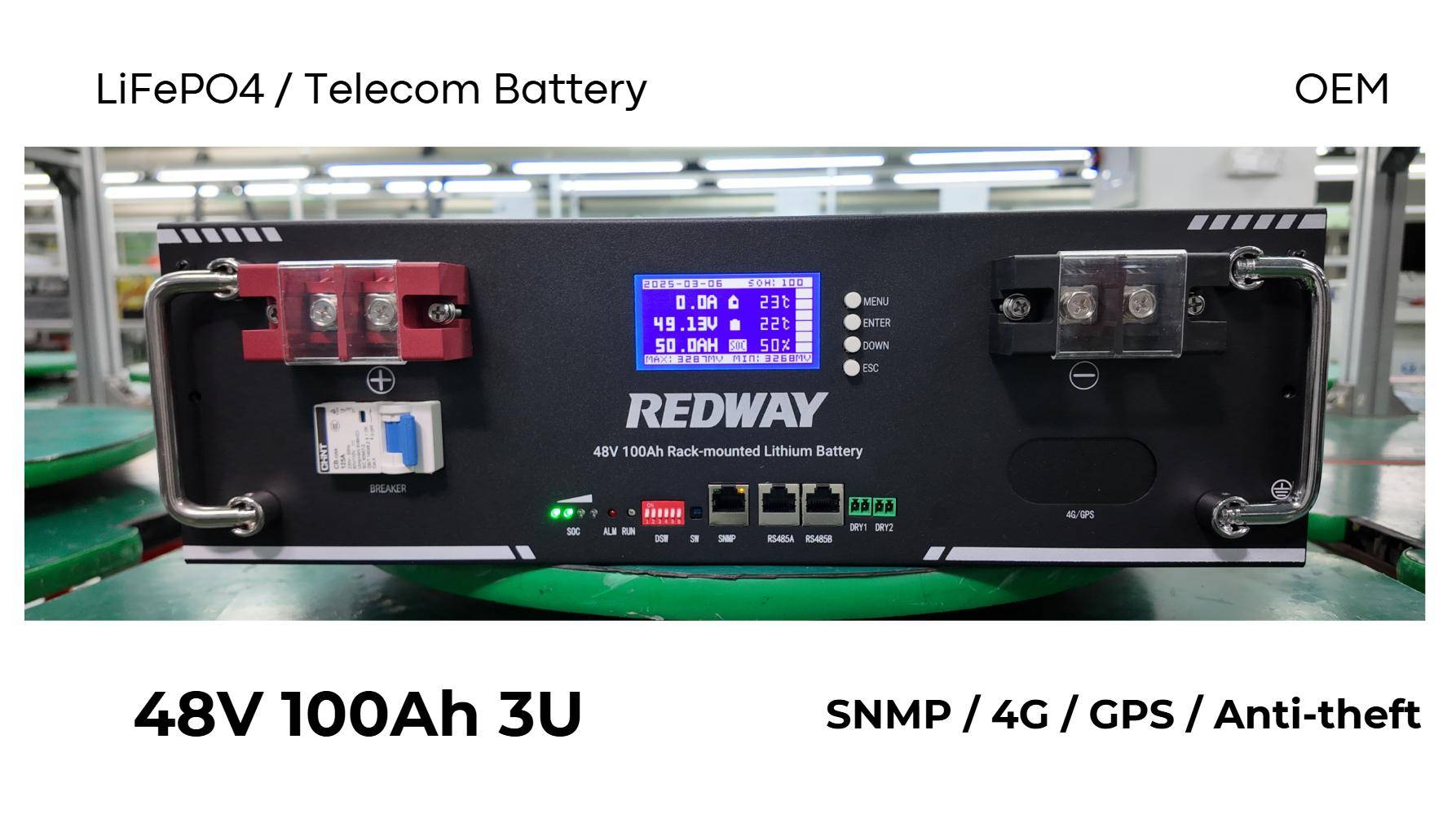
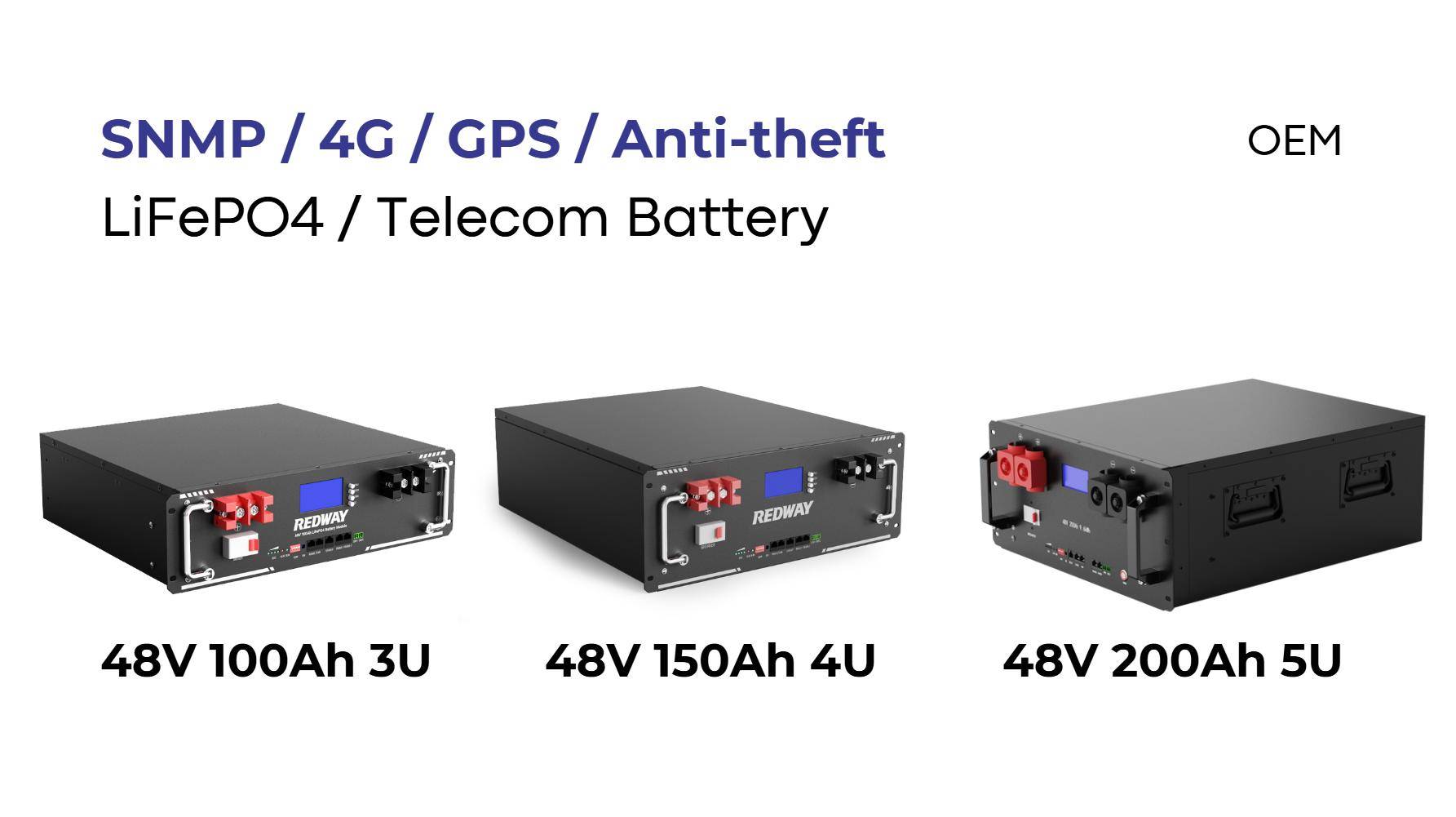
Lithium batteries outperform lead-acid in three key metrics: energy density (150-200 Wh/kg vs 30-50 Wh/kg), cycle life (2,000-5,000 cycles vs 300-500 cycles), and temperature tolerance (-20°C to 60°C operational range). A 48V 100Ah lithium telecom battery weighs 55kg versus 150kg for equivalent lead-acid, crucial for rooftop tower installations with weight restrictions.
The weight advantage becomes critical in urban deployments where tower loading capacity is limited. For instance, a cluster of three 5G small cells using lithium batteries saves 285kg compared to lead-acid equivalents, enabling installation on existing structures without reinforcement. Cycle life superiority translates to 10-15 years of service versus 3-5 years for VRLA batteries, dramatically reducing maintenance interventions. Temperature resilience allows lithium systems to maintain 95% capacity at -20°C, while lead-acid batteries lose 50% efficiency below 0°C.
| Parameter | Lithium | Lead-Acid |
|---|---|---|
| Energy Density | 180 Wh/kg | 40 Wh/kg |
| Cycle Life | 3,000 cycles | 400 cycles |
| Operating Temp | -20°C to 60°C | 0°C to 40°C |
What Safety Mechanisms Prevent Thermal Runaway?
Multi-layer safeguards include ceramic-coated separators that withstand 200°C+, pressure relief vents, flame-retardant electrolytes, and BMS-controlled current interrupt devices. Smart batteries incorporate real-time gas sensors and cascade shutdown protocols. UL 1973-certified telecom batteries demonstrate zero thermal propagation in standardized nail penetration tests.
Recent advancements include phase-change materials that absorb excess heat during overcharge scenarios. For example, some Huawei batteries integrate paraffin-based PCMs that melt at 80°C, absorbing 260kJ/kg of thermal energy. Dual-axis accelerometers detect physical impacts, triggering emergency discharge circuits within 50ms. Third-party testing by TÜV Rheinland shows these systems contain thermal events to single cells 98% of the time, preventing catastrophic failures.
How Do Telecom Batteries Integrate With Renewable Energy Systems?
Modern lithium telecom batteries feature hybrid input compatibility, accepting both grid AC and solar DC power. Advanced models integrate Maximum Power Point Tracking (MPPT) to optimize solar harvesting. A 2023 Ericsson study showed lithium-powered towers with solar integration reduced diesel generator use by 89%, cutting CO2 emissions by 14 tons annually per site.
Know more:
What Are Telecom Lithium Batteries and Why Are They Essential
Why Are Lithium Batteries Better Than Traditional Telecom Batteries?
How Do Telecom Lithium Batteries Work? Technology and Principles Explained
What Are the Key Specifications of Telecom Lithium Batteries
How Have Telecom Batteries Evolved From Lead-Acid to Lithium
What Safety Features Ensure Reliability in Telecom Lithium Batteries?
What Is the Total Cost of Ownership Over 10 Years?
While lithium batteries have 2-3x higher upfront costs than VRLA, their 10-year TCO is 40% lower. A 2024 industry analysis showed $8,500 savings per site from reduced replacement frequency (1 vs 4 battery swaps), lower maintenance (no watering), and 30% higher energy efficiency. Lithium’s residual value at 80% capacity after telecom use further enhances ROI.
How Are End-of-Life Telecom Batteries Recycled?
Leading manufacturers like CATL and Tesla employ hydrometallurgical processes recovering 95% lithium, 99% cobalt, and 100% steel. The EU-mandated Battery Passport system tracks each telecom battery’s chemistry for optimized recycling. Recycled materials require 60% less energy to reprocess than virgin mining, creating a circular economy with 82% lower environmental impact versus landfill disposal.
Expert Views
“The telecom sector’s shift to lithium is irreversible. Our 5G densification requires batteries that handle 500W/m² heat loads – something only advanced LiFePO4 with liquid cooling can deliver. The next frontier is AI-driven predictive maintenance, where batteries self-report dendrite formation months before failure.”
– Dr. Elena Voss, Head of Energy Systems, GSMA
Conclusion
Telecom lithium batteries represent a convergence of electrochemistry and digital innovation. Their ability to provide reliable backup power while integrating with smart grids and renewable sources positions them as critical infrastructure components. As 5G networks expand and energy costs rise, lithium’s technical superiority and lifecycle economics will drive near-universal adoption by 2030.
FAQs
- Can lithium telecom batteries operate in desert conditions?
- Yes, premium LiFePO4 batteries function at 60°C ambient temperature with internal cooling systems. Sand-proof IP65 enclosures prevent particulate ingress.
- How long do telecom lithium batteries last during outages?
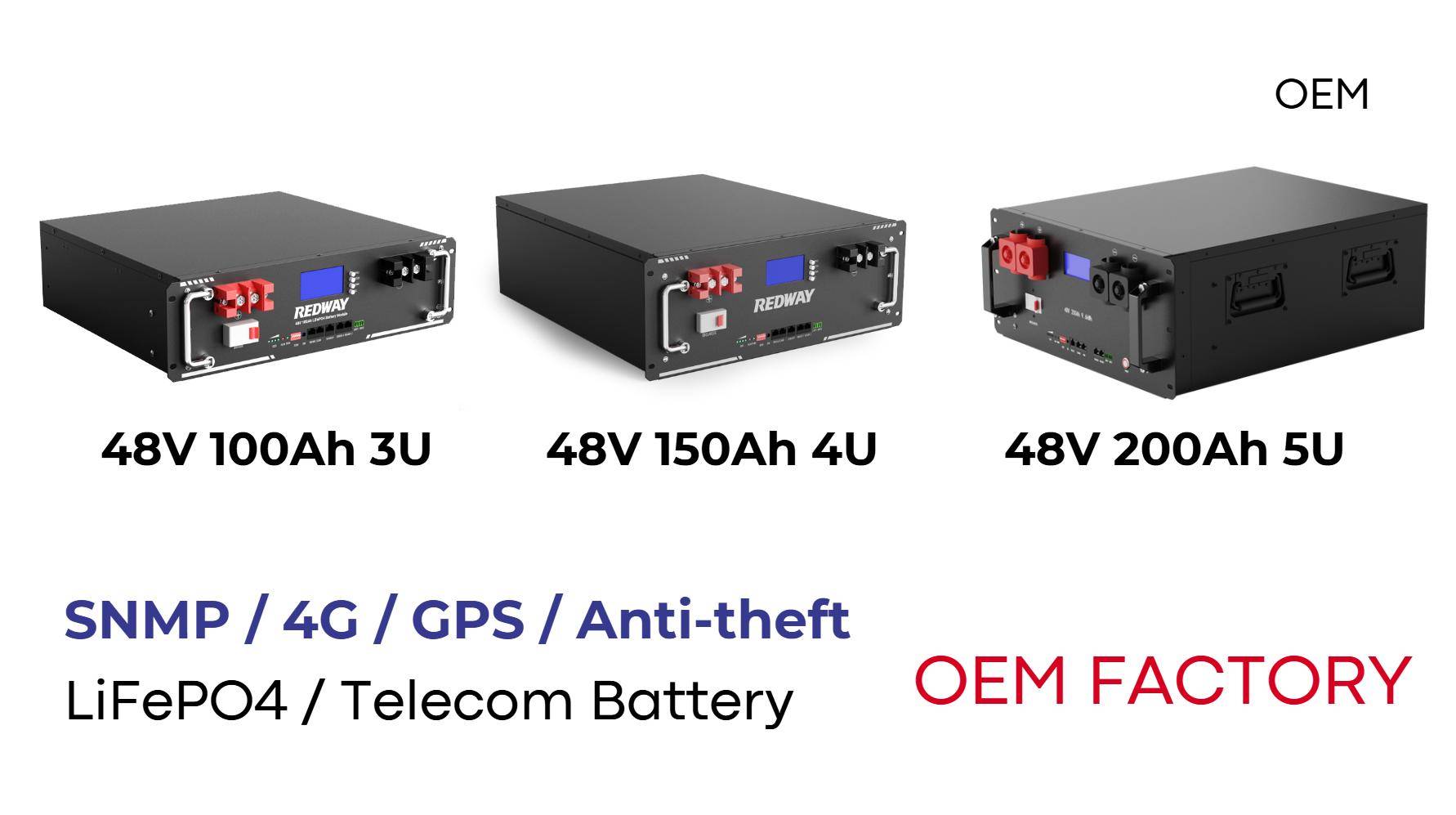
- A standard 48V 200Ah system provides 9.6kWh – sufficient for 8-12 hours of 5G macro base station operation. Hybrid sites with solar extend this indefinitely.
- Are lithium batteries compatible with existing telecom racks?
- Most 19″ rack-mount lithium models match lead-acid dimensions (600mm depth). Adapters are available for legacy 23″ racks, with <5% space penalty.