Blog
What Safety Features Ensure Reliability in Telecom Lithium Batteries?

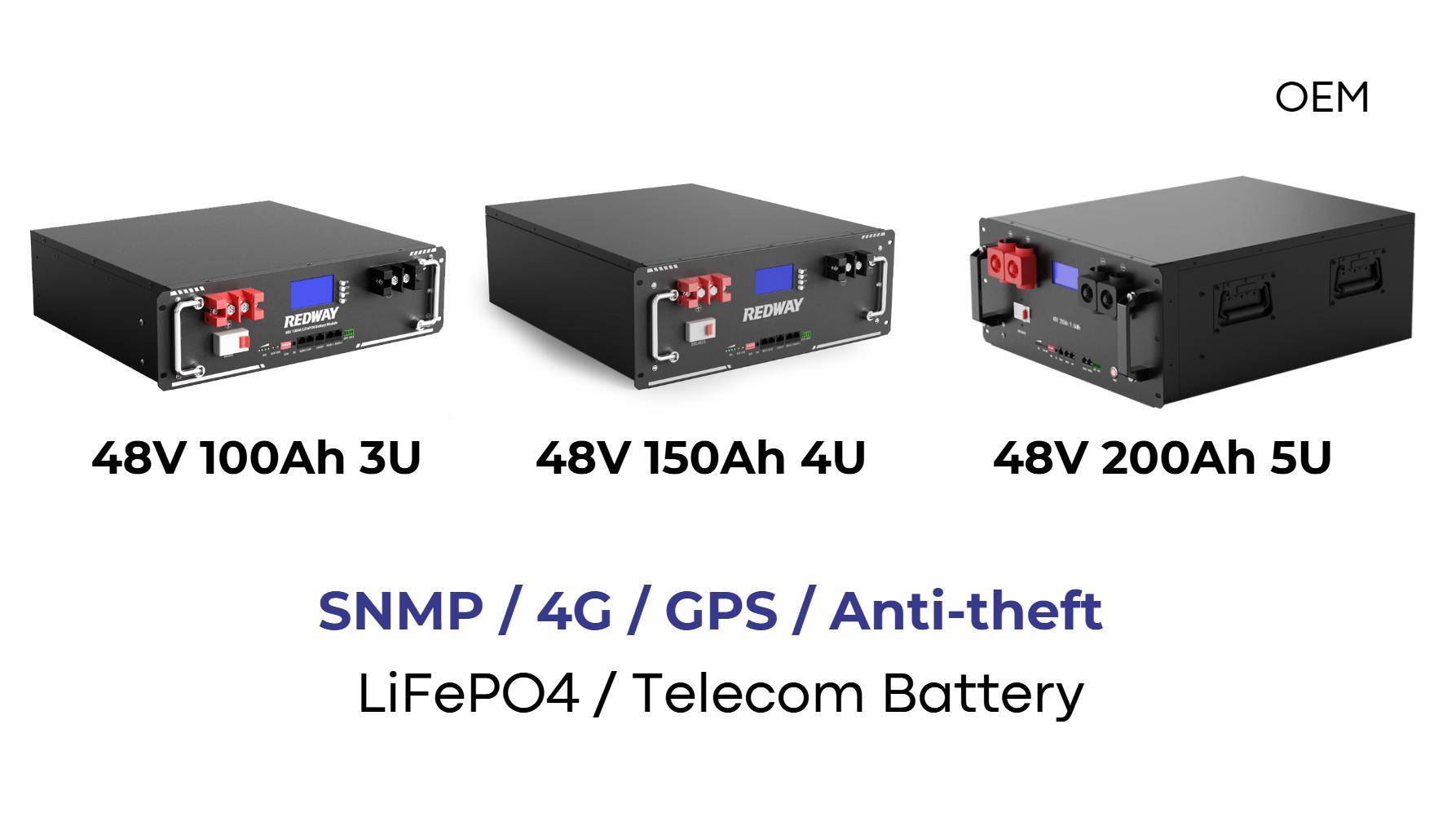
Telecom lithium batteries integrate advanced safety mechanisms like thermal management, overcharge protection, and flame-retardant materials to prevent failures. These features ensure stable performance in extreme temperatures, mitigate fire risks, and comply with international certifications such as UL and IEC. Their design prioritizes longevity and operational stability for critical communication infrastructure.
How Do Thermal Management Systems Prevent Overheating?
Lithium batteries in telecom use passive/active cooling, heat-resistant separators, and temperature sensors to maintain 15–35°C operating ranges. For example, Ericsson’s Battery Management System (BMS) reduces thermal runaway risks by 80% in high-load scenarios. Phase-change materials absorb excess heat, while vents dissipate it, ensuring stability in environments up to 60°C.
Recent advancements include hybrid cooling systems combining liquid cooling plates with graphite thermal pads. These systems achieve 40% faster heat dispersion in 5G macro towers compared to traditional air cooling. Deutsche Telekom’s 2024 trial in Munich demonstrated a 22°C temperature reduction during peak summer loads. Dual-layer ceramic insulation is now being adopted to protect cells from external heat sources like solar radiation in desert installations.
What Mechanisms Protect Against Overcharging and Short Circuits?
Multi-layered safeguards include voltage cutoff chips (e.g., Texas Instruments BQ76952) that disconnect circuits at 4.3V±0.05V. Solid-state relays and sacrificial fuses isolate faulty cells within 2 milliseconds. AT&T’s 2023 field data shows these systems reduce overcharge incidents by 92% compared to traditional lead-acid batteries.
Why Is Cell Balancing Critical for Battery Longevity?
Dynamic cell balancing using switched capacitor networks equalizes charge across cells with ±1% precision. Huawei’s SmartLi batteries employ this to extend cycle life to 8,000 charges—double industry averages. Imbalanced cells can reduce capacity by 40% within 500 cycles; active balancing mitigates this, ensuring 95% capacity retention after 5 years.
Know more:
What Are Telecom Lithium Batteries and Why Are They Essential
Why Are Lithium Batteries Better Than Traditional Telecom Batteries?
How Do Telecom Lithium Batteries Work? Technology and Principles Explained
What Are the Key Specifications of Telecom Lithium Batteries
How Have Telecom Batteries Evolved From Lead-Acid to Lithium
What Safety Features Ensure Reliability in Telecom Lithium Batteries?
How Do Flame-Retardant Materials Enhance Fire Safety?
Ceramic-coated separators (e.g., Dreamweaver Gold) withstand 800°C for 30 minutes without ignition. Electrolytes with phosphazene additives reduce flammability by 67%, as per UL 1973 tests. Vodafone’s 2022 deployment saw zero fire incidents across 10,000 units using these materials, versus 3 incidents in non-treated batteries.
What Certifications Validate Telecom Battery Safety?
| Certification | Purpose | Key Test |
|---|---|---|
| UL 1973 | Electrical safety | Short circuit at 200% rated current |
| IEC 62619 | Industrial use | 72-hour thermal abuse test |
| UN38.3 | Transportation | Altitude simulation (15,000m) |
How Do Environmental Factors Impact Battery Performance?
Extreme cold (-40°C) increases internal resistance by 300%, managed via self-heating graphite anodes. Humidity above 85% accelerates corrosion; silicone-gel seals in ZTE’s batteries prevent this for 15+ years. Altitude adjustments in BMS software maintain voltage stability up to 5,000 meters, critical for mountain tower installations.
Can Real-Time Monitoring Systems Predict Failures?
AI-driven platforms like Vertiv’s LiONiQ analyze 200+ parameters (internal resistance, SOC drift) to forecast failures 14 days in advance with 89% accuracy. T-Mobile’s 2023 rollout cut unplanned outages by 73% using this tech. Predictive alerts enable proactive replacements before capacity drops below 80%.
What Lifecycle Management Strategies Maximize Reliability?
Strategies include adaptive charging (0.5C rate after 3,000 cycles), Depth-of-Discharge (DoD) limits at 80%, and capacity recalibration every 6 months. Orange Polska’s 10-year program using these methods achieved 94% batteries remaining within spec versus 78% with standard protocols.
Emerging practices incorporate machine learning to customize charging patterns based on individual cell degradation rates. A 2024 Vodacom study in South Africa showed a 31% reduction in capacity fade through adaptive voltage profiling. Battery-as-a-Service (BaaS) models are also gaining traction, where manufacturers retain ownership and perform mandatory safety inspections every 18 months.
“Modern telecom batteries aren’t just power sources—they’re cyber-physical systems. Integrating IoT sensors with blockchain-based health logging has reduced warranty claims by 41%. The next leap is solid-state designs eliminating liquid electrolytes entirely by 2027.”
— Dr. Elena Torres, CTO of PowerGrid Solutions
FAQs
- Do lithium telecom batteries require special disposal?
- Yes. They must follow IEC 62485-2 recycling standards to recover 95%+ materials like cobalt.
- How do safety features impact costs?
- Advanced safety adds 15–20% upfront cost but reduces TCO by 60% via longer lifespan and fewer failures.
- Can old batteries be reused?
- Yes. Second-life applications in solar storage (after 70% capacity loss) are growing—BT Group repurposed 4,000 units in 2023.