Blog
What Are Telecom Lithium Batteries and Why Are They Essential

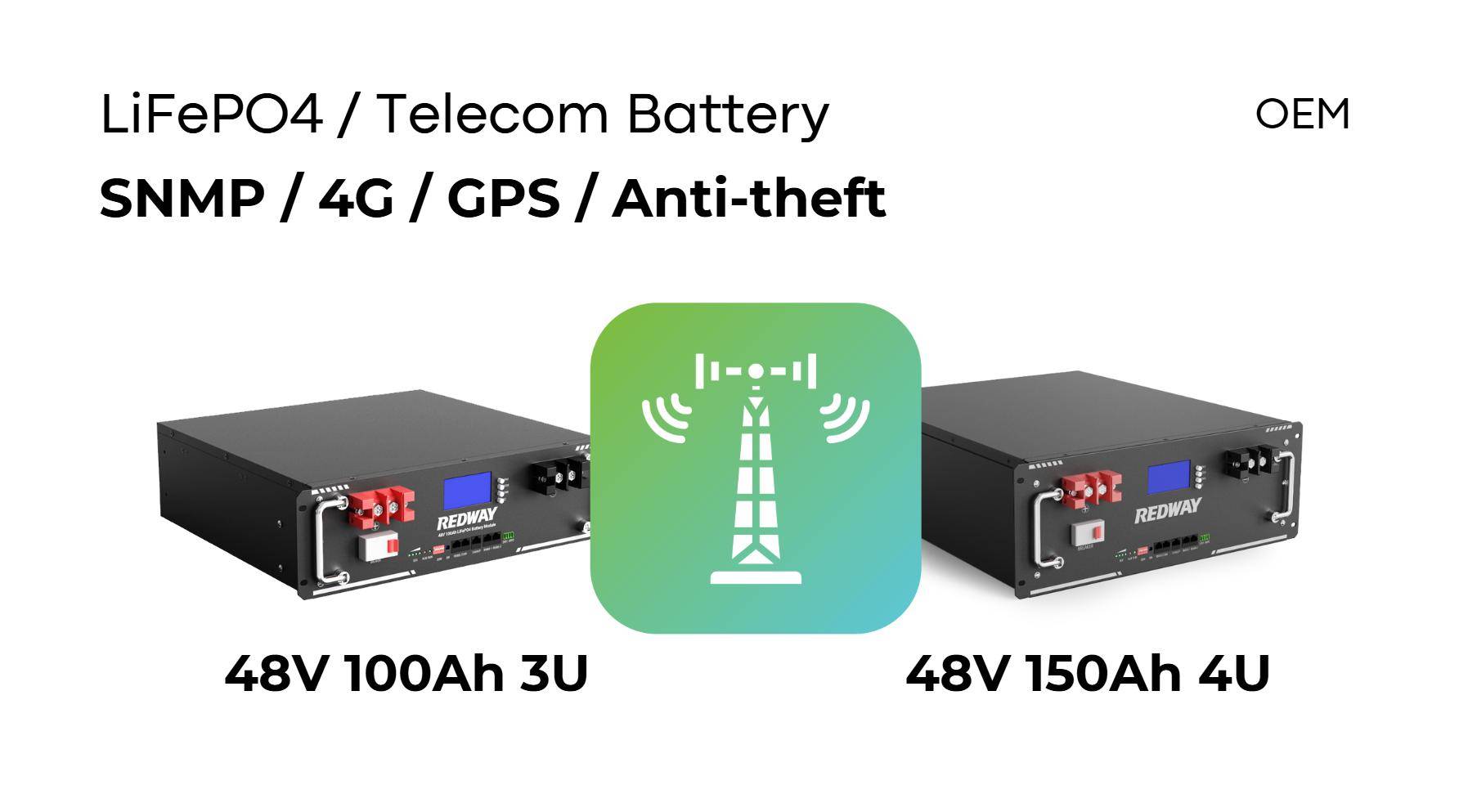
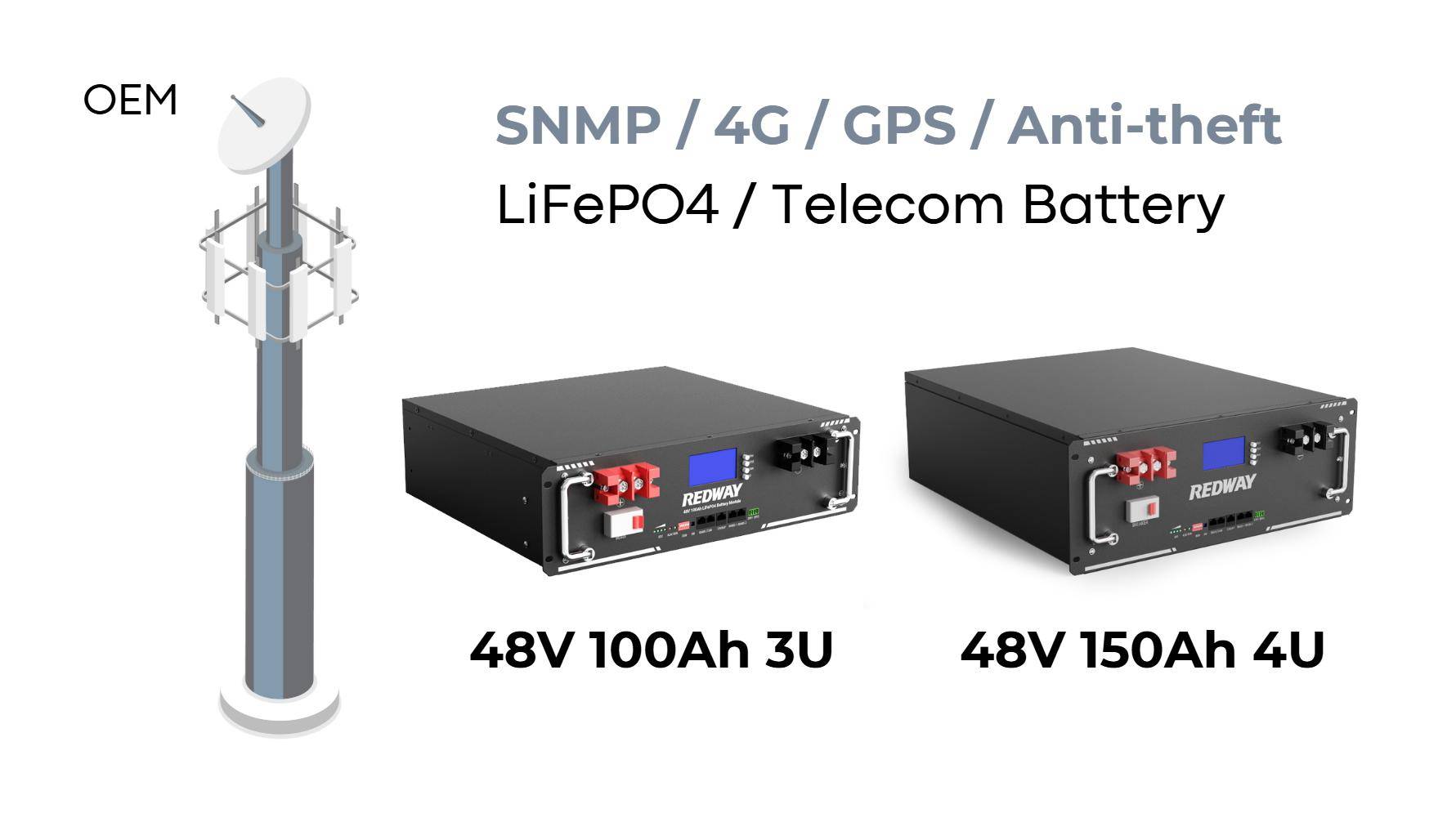
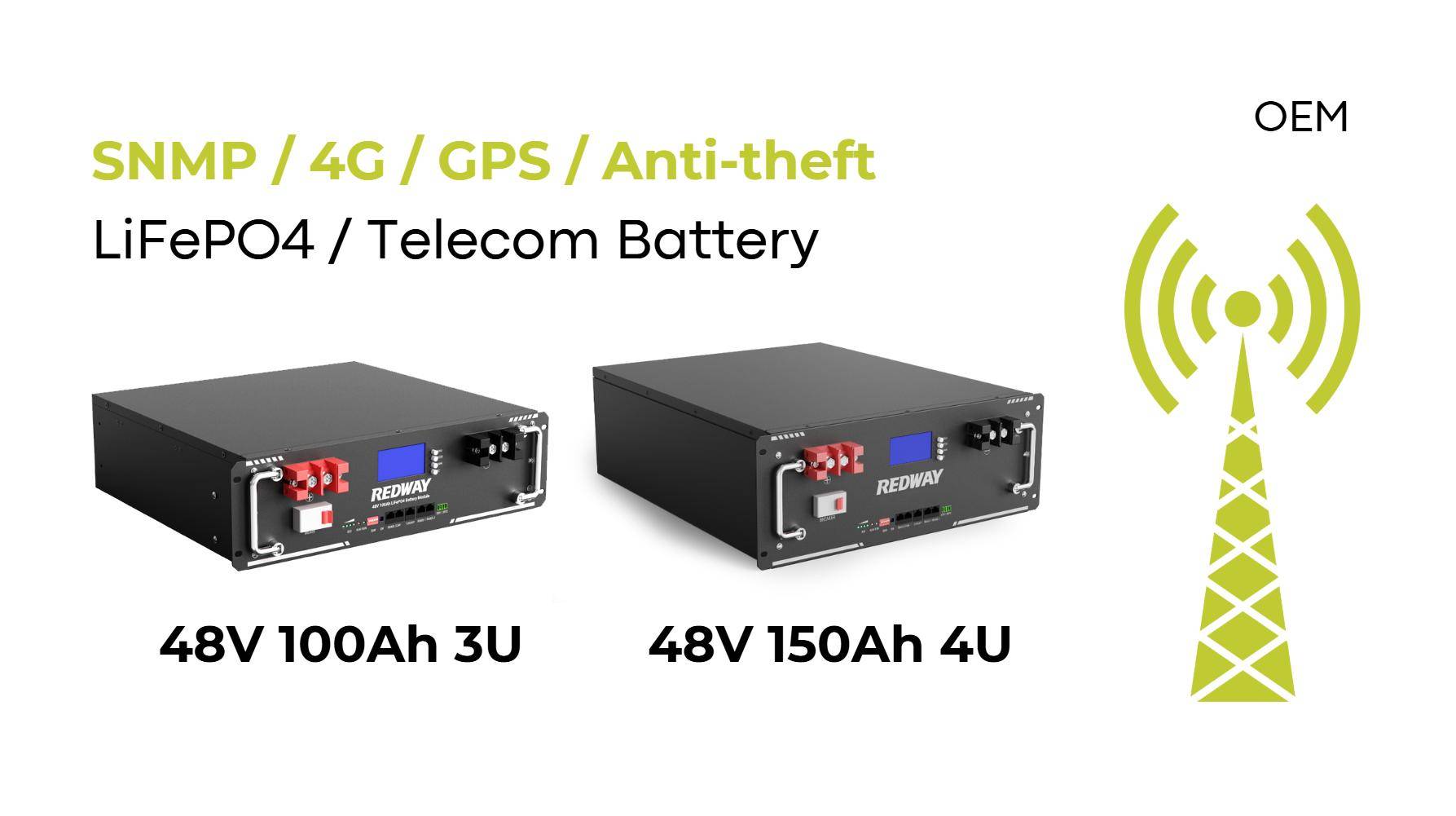
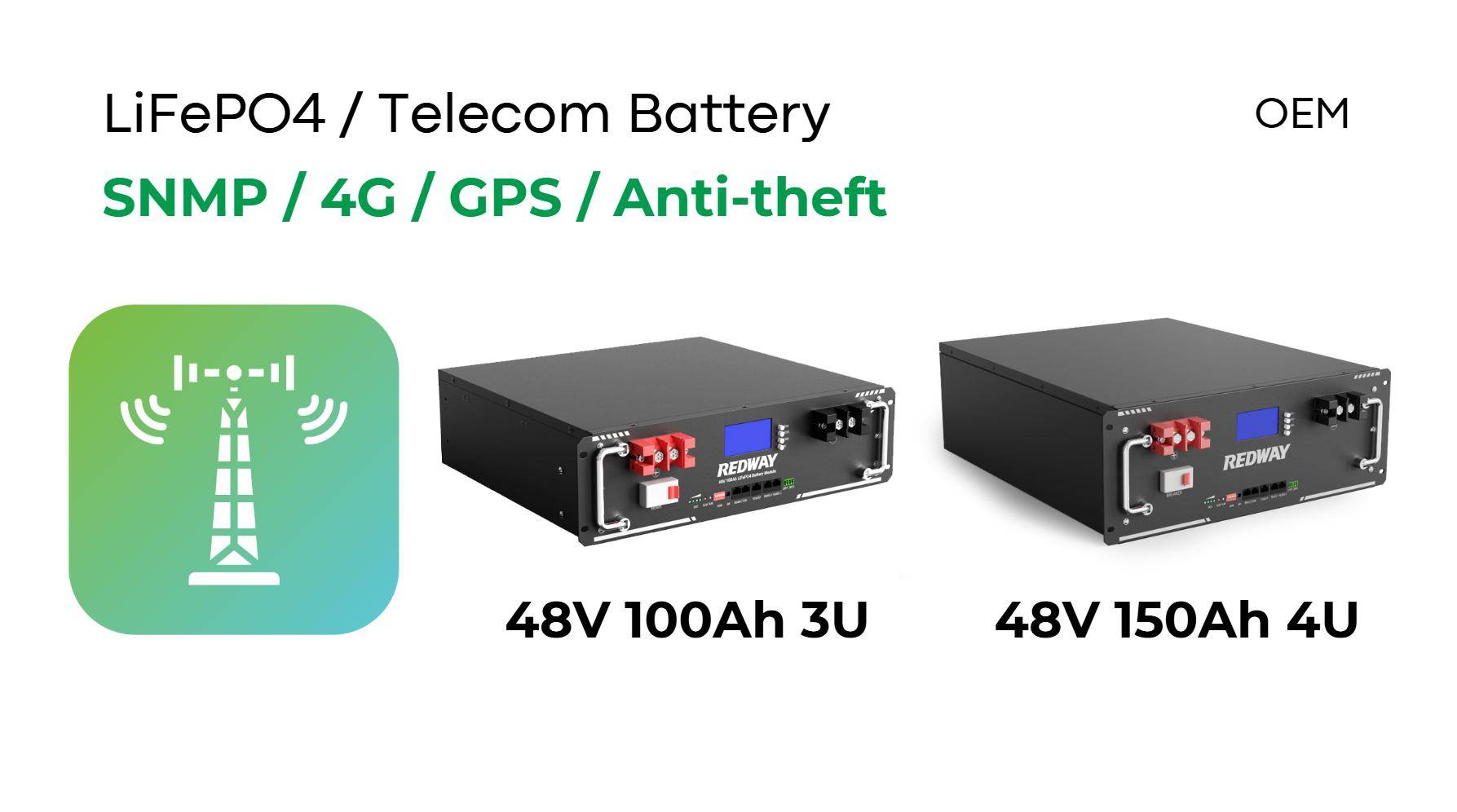
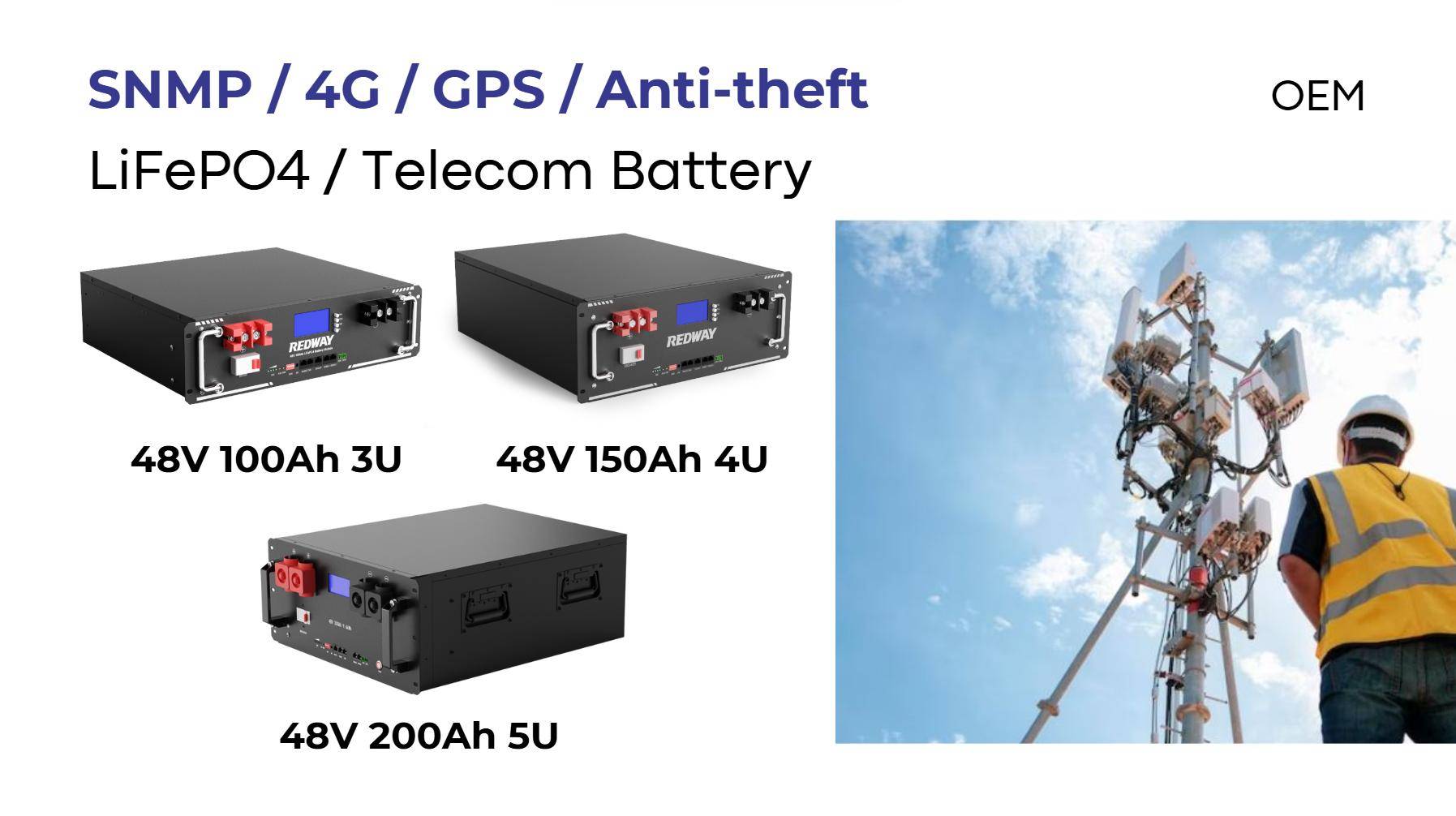
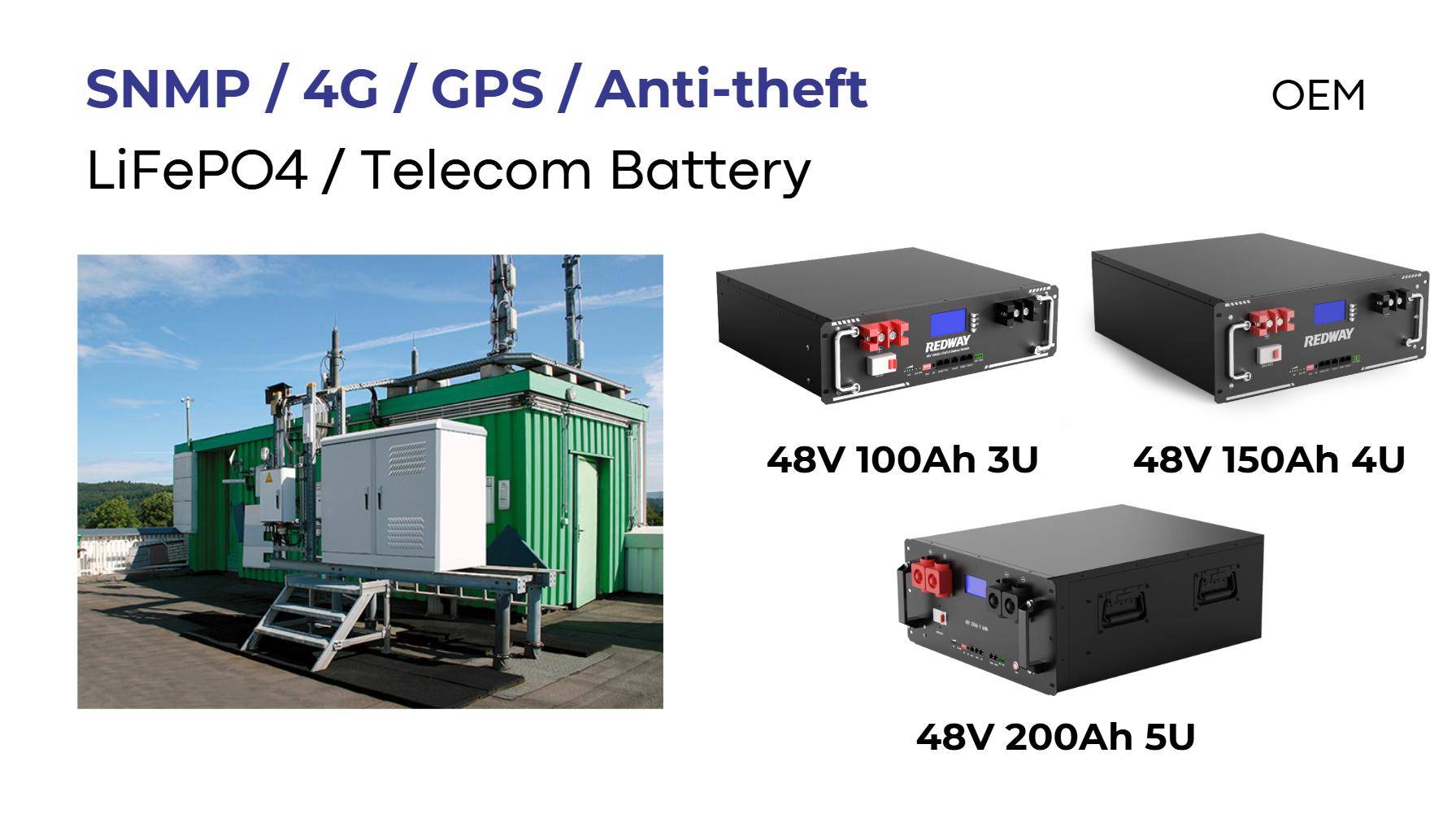
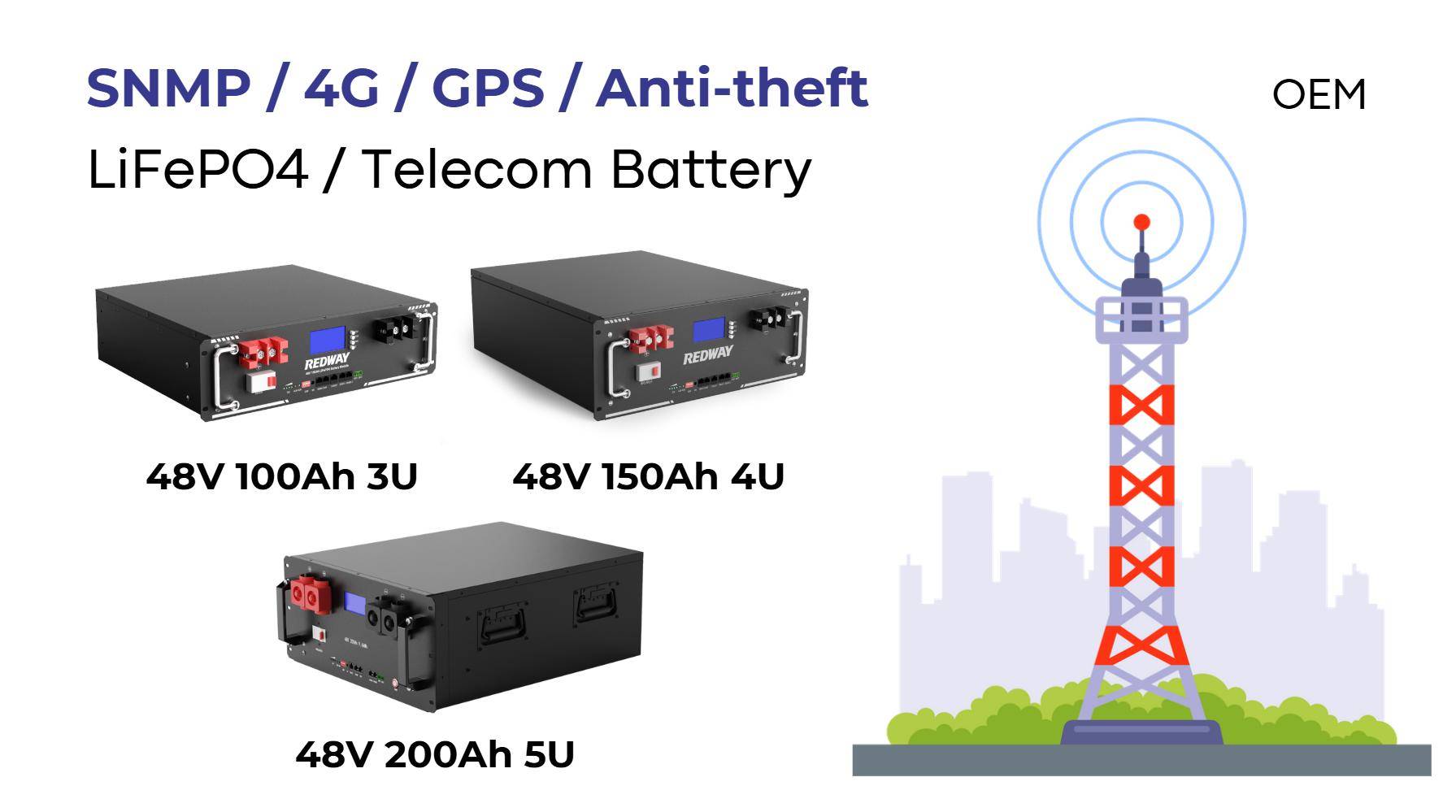
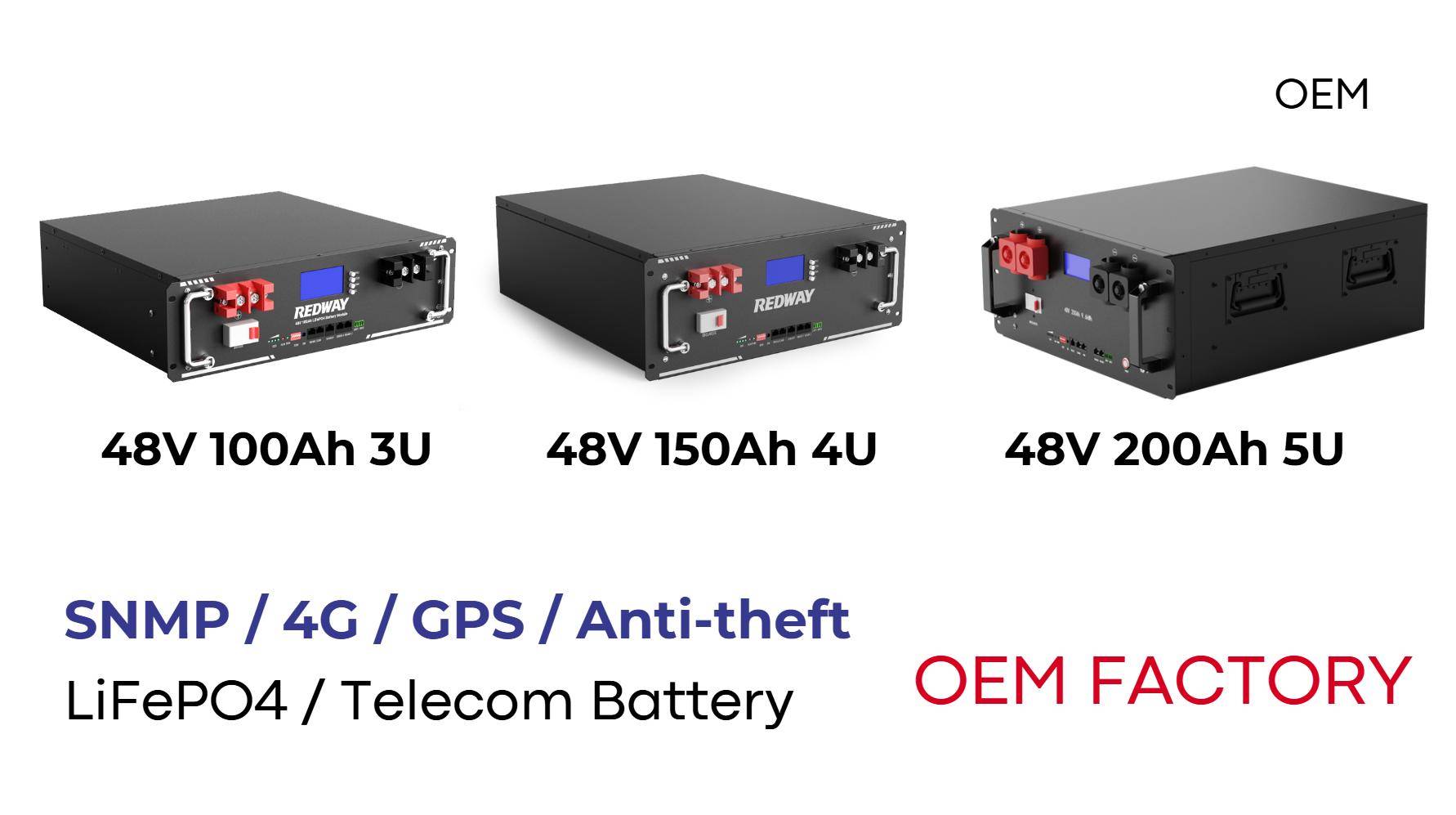
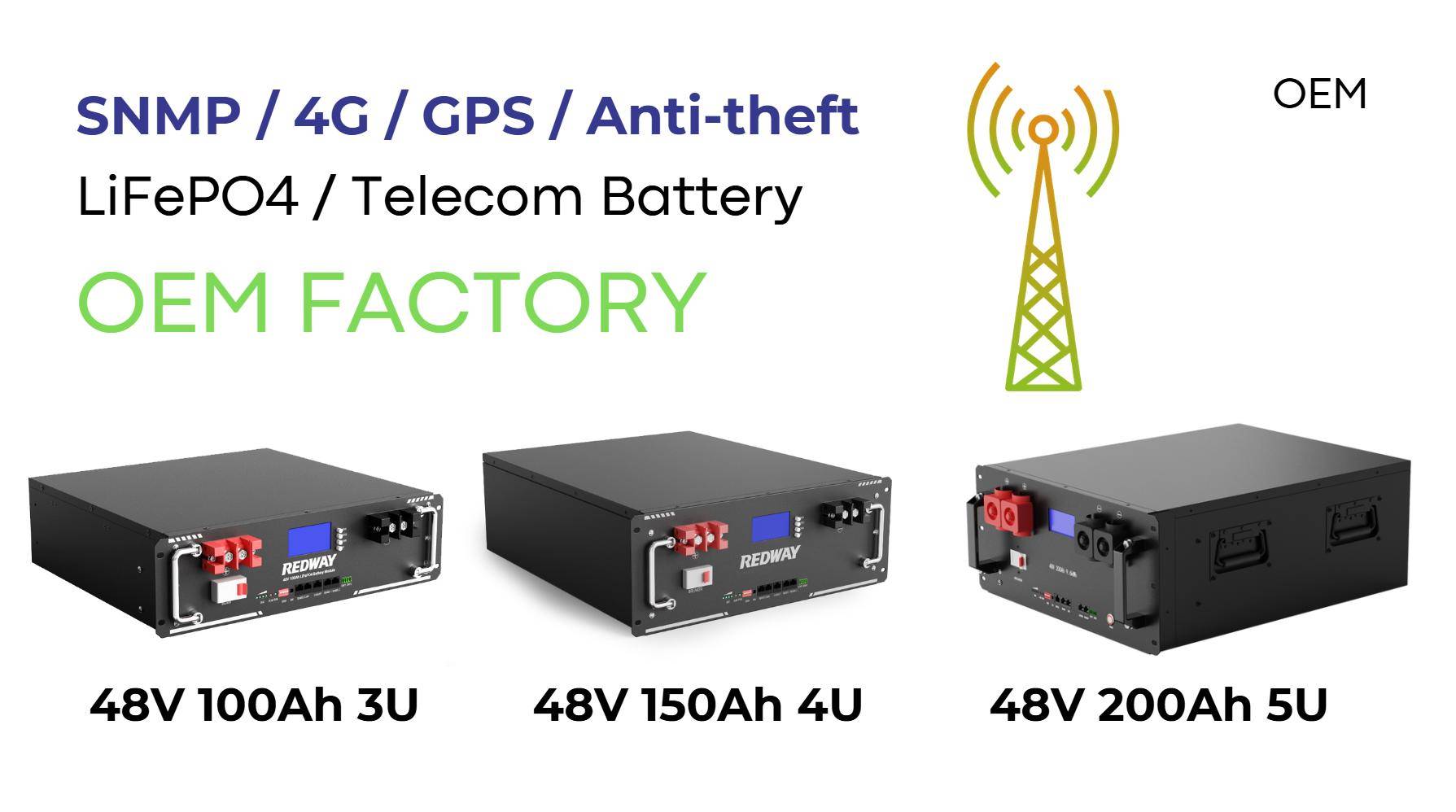
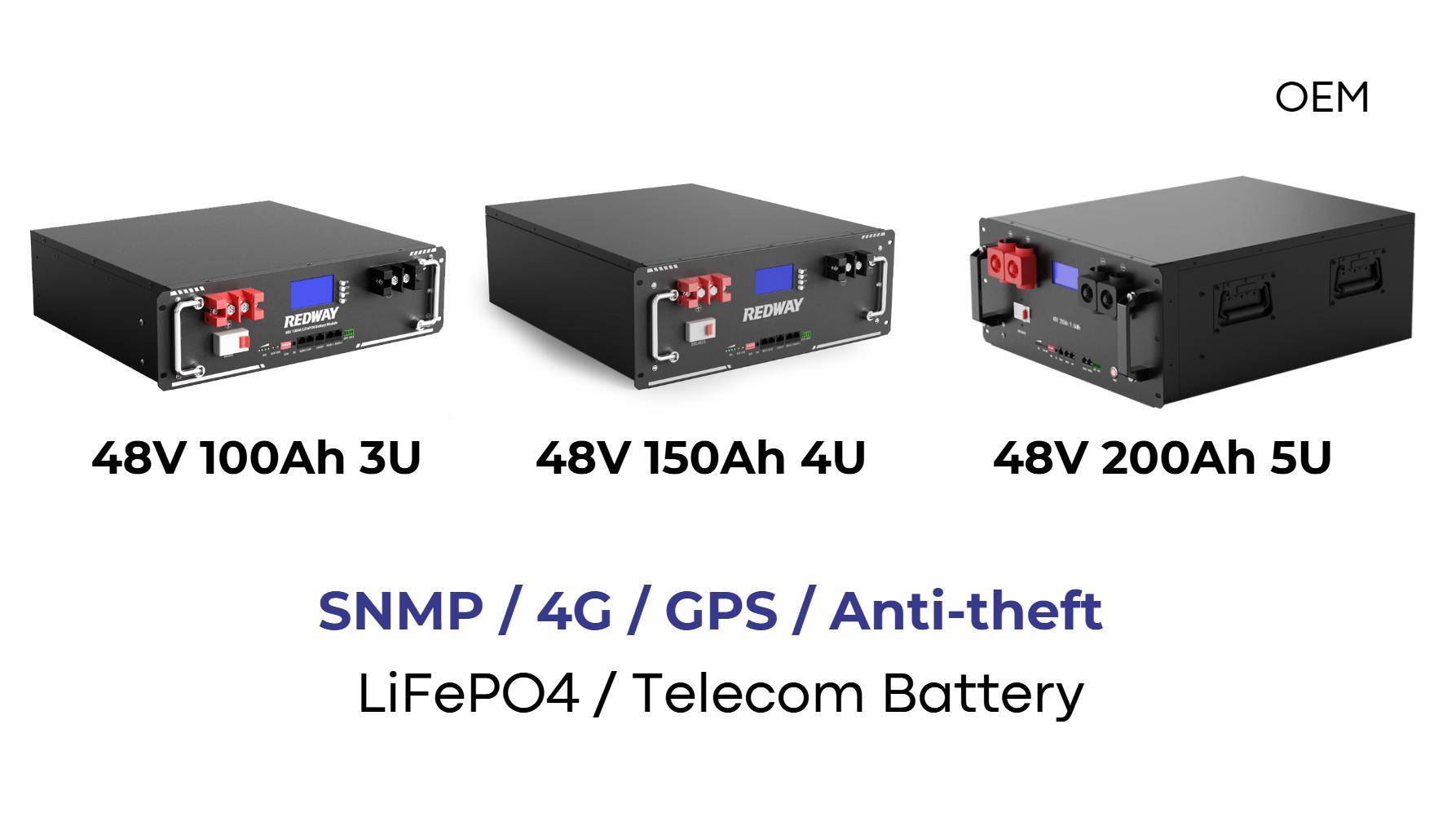
Telecom lithium batteries are advanced energy storage solutions powering modern telecommunications infrastructure. They provide high energy density, extended lifespan, and reliable performance for 5G networks, remote towers, and backup systems. Unlike traditional lead-acid batteries, they charge faster, require minimal maintenance, and operate efficiently in extreme temperatures. Their compact design and scalability make them critical for ensuring uninterrupted connectivity in our hyper-connected world.
How Do Telecom Lithium Batteries Differ From Traditional Options?
Lithium batteries outperform lead-acid and nickel-based alternatives with 3x higher energy density, 50% faster charging, and 10-year lifespans. They maintain 95% capacity after 2,000 cycles versus 500-800 cycles for lead-acid. Their lightweight design (70% lighter) simplifies installation in space-constrained telecom towers. Built-in Battery Management Systems (BMS) enable real-time monitoring, preventing overcharging and thermal runaway risks.
The operational advantages become particularly evident in cold climates where lithium batteries maintain 85% efficiency at -20°C compared to lead-acid’s 50% performance drop. Modern units feature adaptive charging profiles that automatically adjust to temperature fluctuations and load demands. Field tests by AT&T showed lithium systems reduced energy waste by 22% through intelligent charge/discharge cycling compared to VRLA batteries.
| Parameter | Lithium | Lead-Acid |
|---|---|---|
| Energy Density | 150-200 Wh/kg | 30-50 Wh/kg |
| Cycle Life | 2,000-5,000 | 500-800 |
| Charge Efficiency | 95-99% | 70-85% |
What Safety Mechanisms Protect Telecom Lithium Batteries?
Multi-layered safeguards include:
- Grade 8 fire-resistant enclosures (UL 9540A certified)
- Gas venting systems for thermal runaway containment
- AI-powered anomaly detection (0.2-second response)
- Earthquake-resistant mounting (Zone 4 seismic compliance)
Advanced protection systems now incorporate multi-sensor arrays that monitor 15+ parameters simultaneously, including cell voltage differentials as small as 5mV. New fire suppression systems using aerosol-based agents can extinguish battery fires within 0.8 seconds. Recent UL certifications require passing 7 different abuse tests including nail penetration and overcharge at 150% capacity. Manufacturers like Vertiv have implemented dual-channel CAN bus communications that maintain safety monitoring even during primary system failures.
What Types of Lithium Batteries Dominate Telecom Infrastructure?
Three lithium variants lead telecom deployments:
- Lithium Iron Phosphate (LiFePO4): 2,000-5,000 cycle life, stable thermal performance (-20°C to 60°C)
- Lithium Nickel Manganese Cobalt (NMC): 150-200 Wh/kg energy density, ideal for compact urban sites
- Lithium Titanate (LTO): 15,000+ cycles, rapid charging (-30°C capability)
Where Are Lithium Batteries Deployed in Telecom Networks?
Key applications include:
- 5G small cell backup (90-second switchover)
- Solar/wind-powered off-grid towers
- Edge data centers requiring 99.999% uptime
- Disaster recovery systems with 72+ hour runtime
Can Lithium Batteries Integrate With Renewable Energy Systems?
Modern lithium systems achieve 98% round-trip efficiency when paired with solar/wind installations. Smart controllers enable hybrid operation, reducing diesel generator use by 80% in remote sites. Tesla’s Powerpack deployments at Verizon facilities demonstrate 30% energy cost reductions through peak shaving and renewable time-shifting.
How Are End-of-Life Lithium Telecom Batteries Recycled?
Specialized facilities recover 95% of battery materials through:
- Hydrometallurgical processes (98% lithium extraction)
- Closed-loop cathode reclamation
- EU Battery Directive-compliant treatment
What Regulations Govern Telecom Lithium Battery Deployment?
Key standards include:
- IEC 62619 (safety requirements)
- UN 38.3 (transport certification)
- FCC Part 15 (EMI compliance)
- Local fire codes (NFPA 855 spacing rules)
Expert Views
“The telecom sector’s lithium transition mirrors the automotive EV shift. By 2025, 65% of tower backups will use lithium chemistries. The real innovation lies in grid-interactive systems where batteries provide frequency regulation during peak demand,” notes Dr. Elena Voss, Energy Storage Lead at GSMA. “New solid-state prototypes promise 400 Wh/kg densities – a game-changer for urban small cell deployments.”
Conclusion
Telecom lithium batteries represent the backbone of next-gen connectivity infrastructure. With their unmatched efficiency, adaptability to renewables, and decreasing costs (now $137/kWh), they enable telecom providers to meet escalating data demands while achieving sustainability targets. As 6G and satellite internet emerge, these power systems will increasingly dictate network reliability and operational economics.
FAQs
- How long do telecom lithium batteries last?
- Typical lifespan ranges 10-15 years with proper BMS management, outperforming lead-acid’s 3-5 year average.
- Are lithium batteries safe for indoor telecom installations?
- Yes, when using UL 1973-certified systems with proper ventilation. New ceramic separators reduce combustion risks by 90%.
- What’s the ROI for switching to lithium telecom batteries?
- Most operators achieve 18-24 month payback through reduced maintenance, longer lifespan, and energy arbitrage capabilities.
Know more:
What Are Telecom Lithium Batteries and Why Are They Essential
Why Are Lithium Batteries Better Than Traditional Telecom Batteries?
How Do Telecom Lithium Batteries Work? Technology and Principles Explained
What Are the Key Specifications of Telecom Lithium Batteries
How Have Telecom Batteries Evolved From Lead-Acid to Lithium
What Safety Features Ensure Reliability in Telecom Lithium Batteries?