Blog
Why Are Lithium Batteries Better Than Traditional Telecom Batteries?

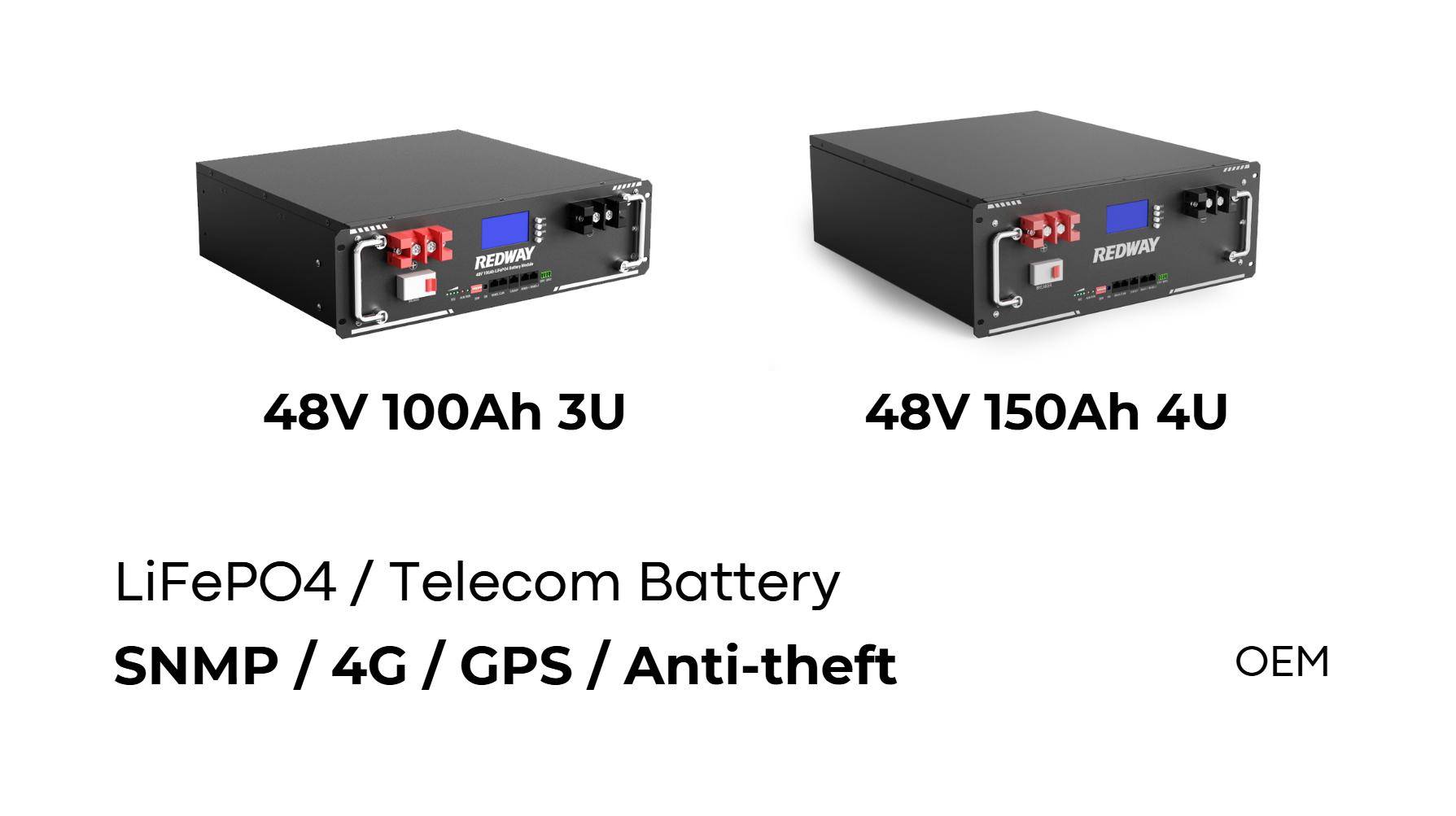
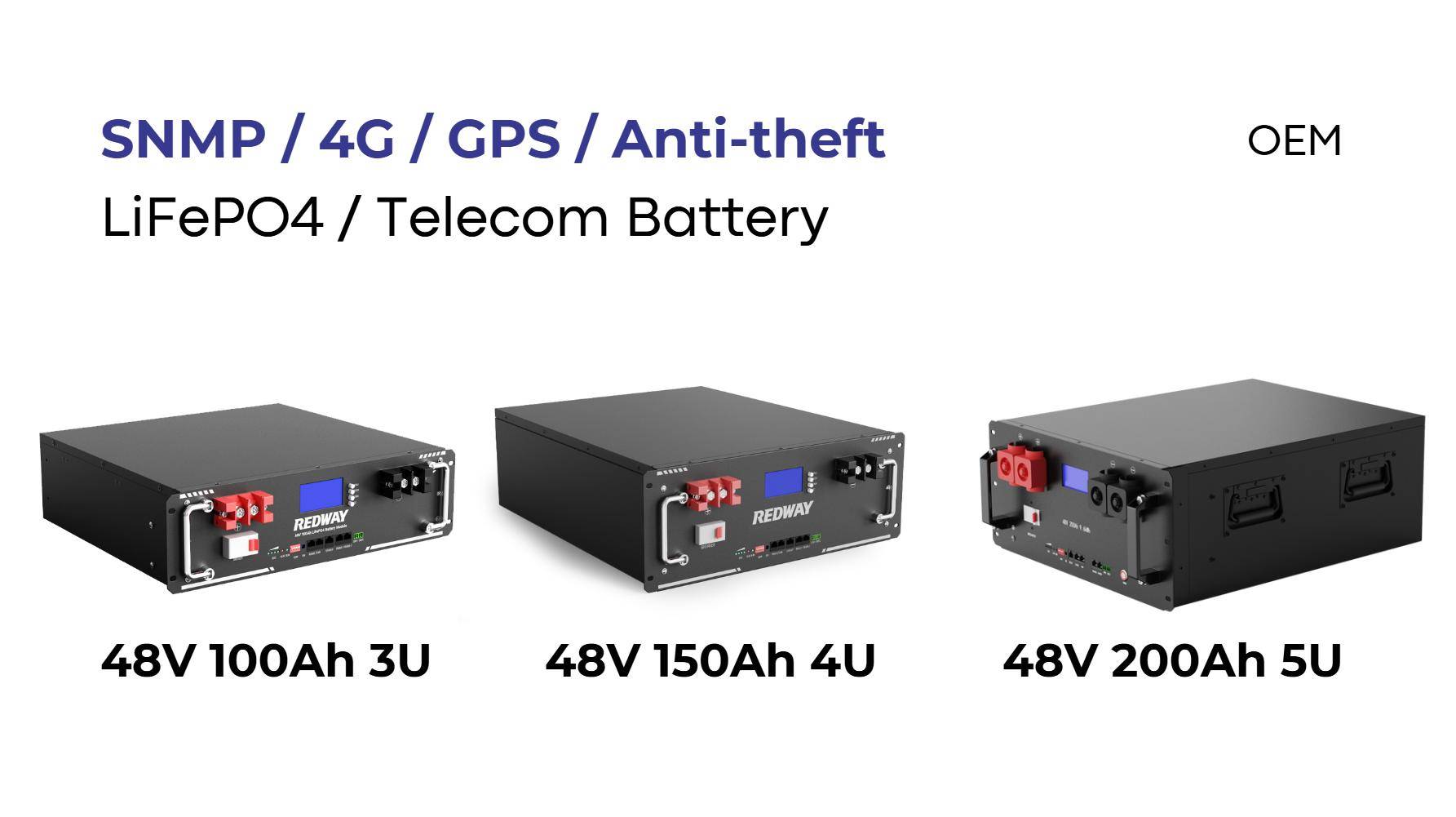
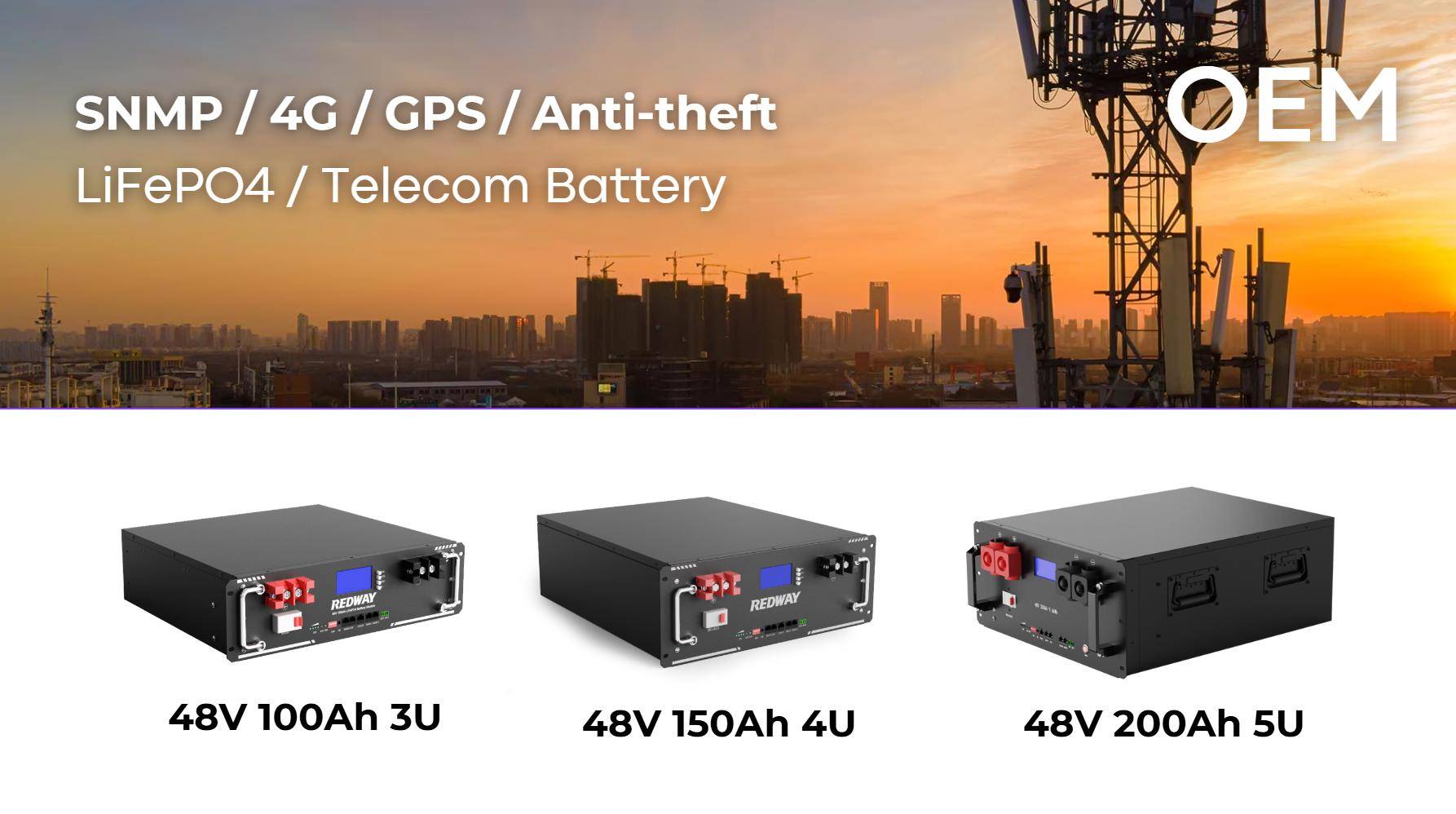
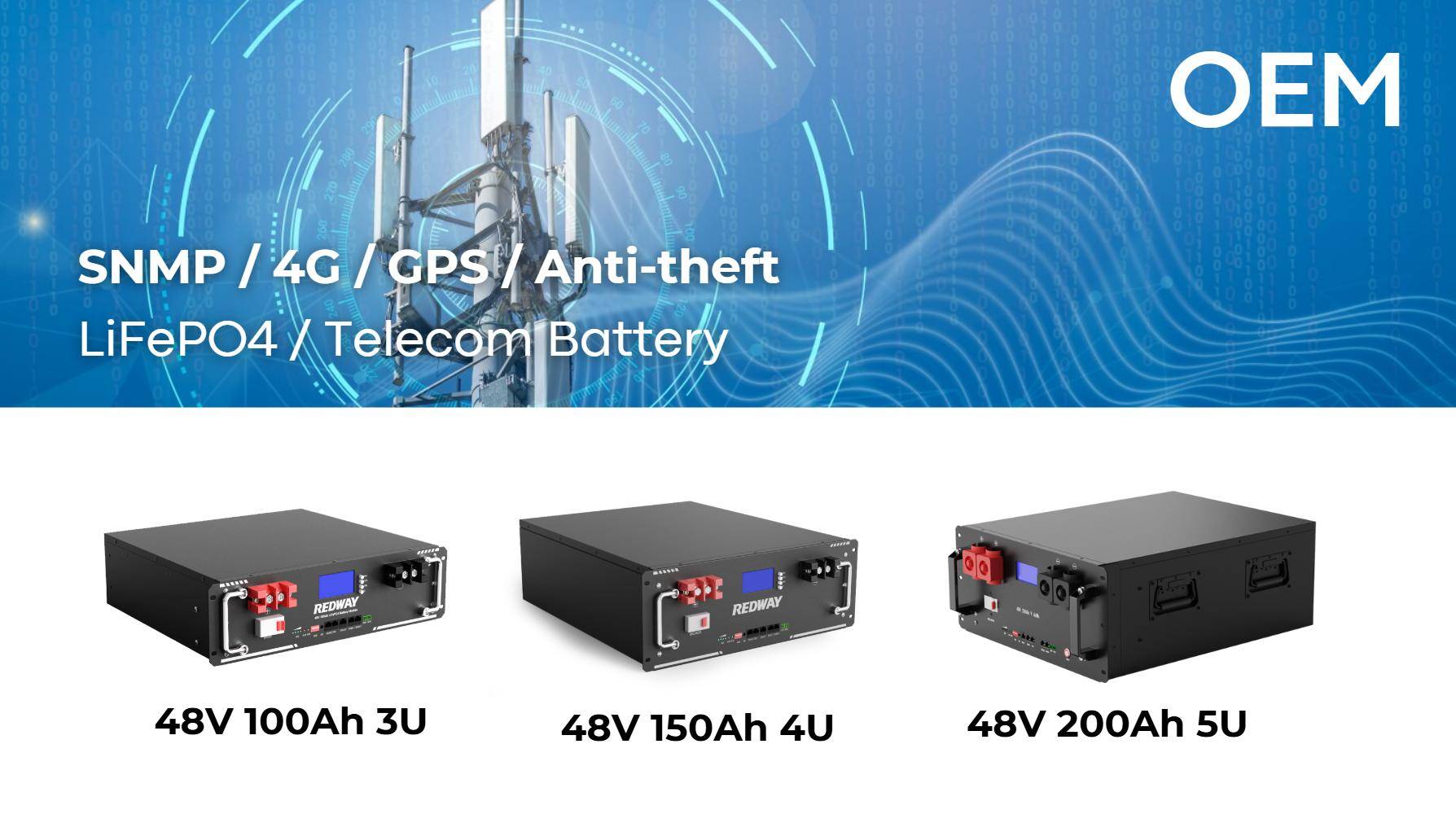
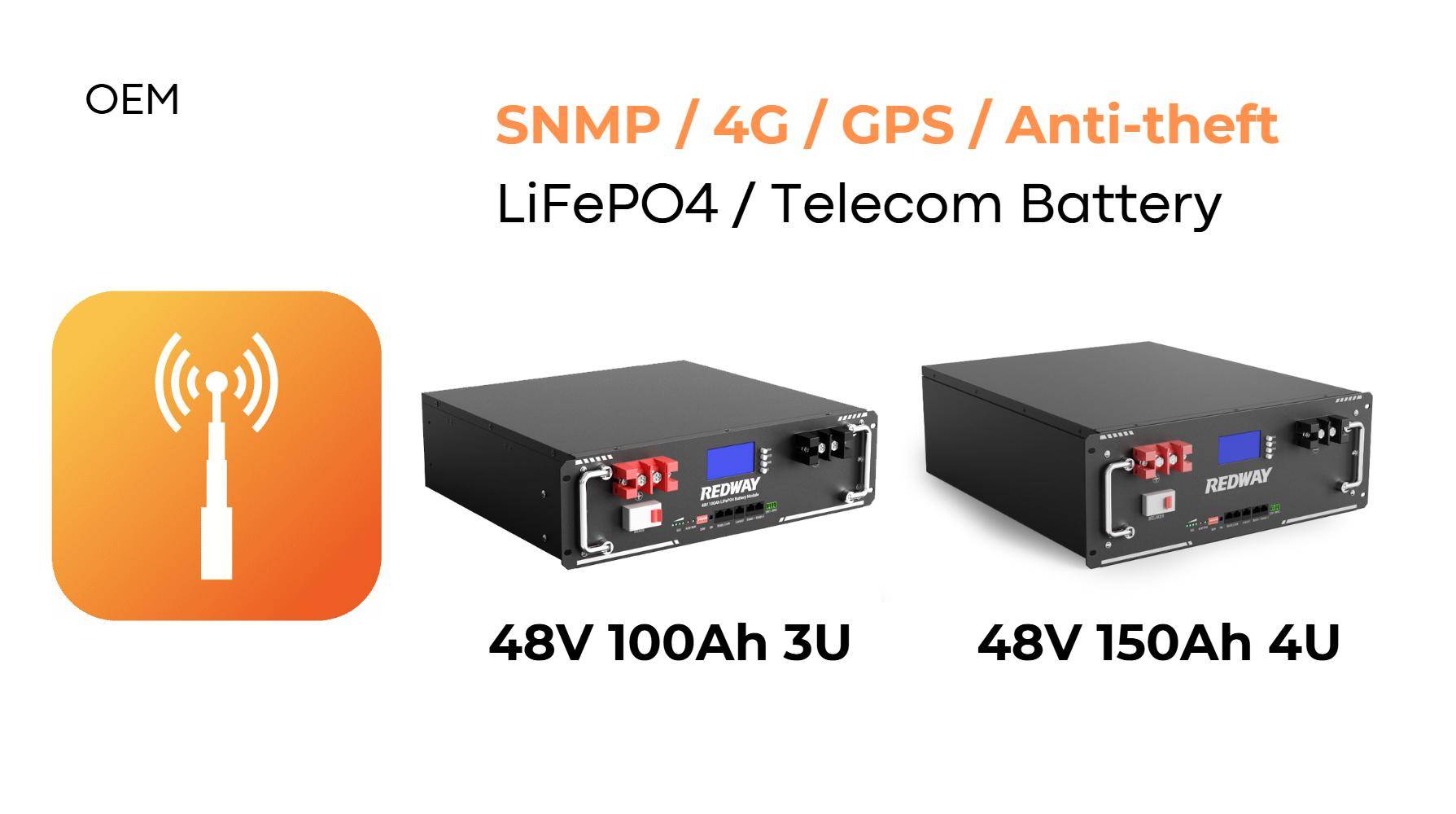
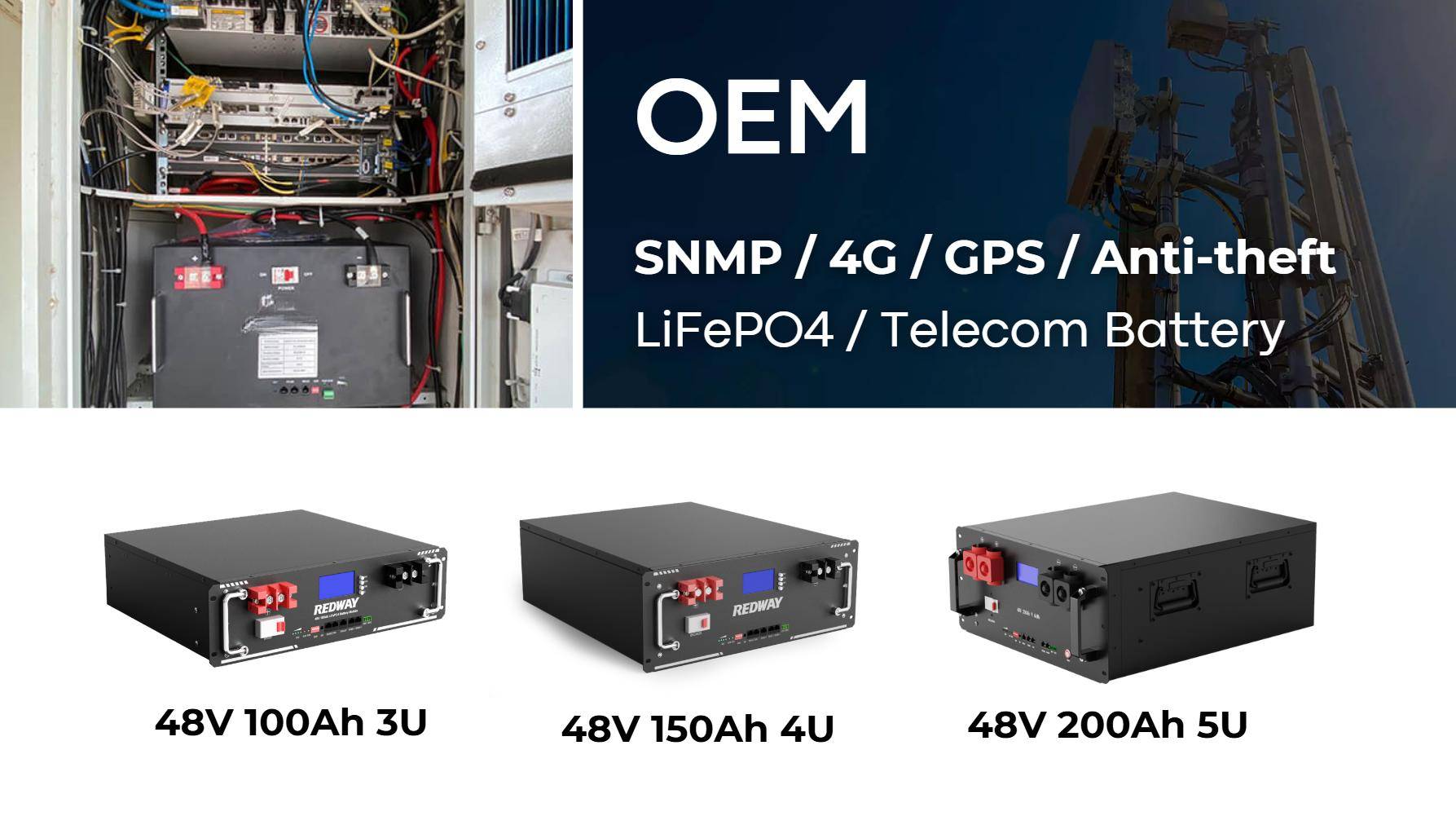
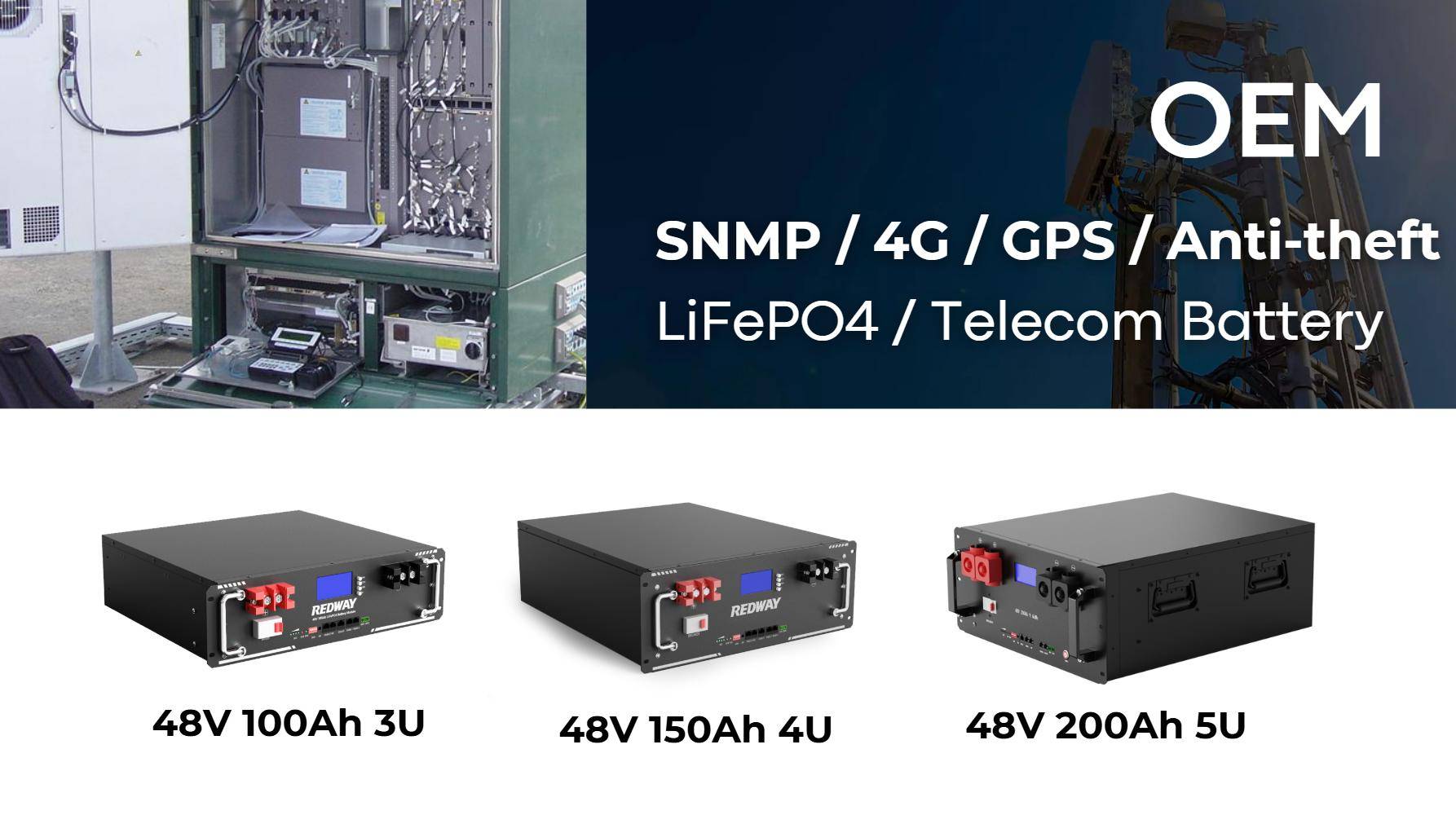
Lithium batteries outperform traditional telecom batteries (like lead-acid) by offering higher energy density, longer lifespan, reduced maintenance, and faster charging. They are lighter, more efficient in extreme temperatures, and environmentally friendlier due to recyclability. These advantages make them ideal for modern telecom infrastructure needing reliability, scalability, and cost-effectiveness over time.
How Do Lithium Batteries Offer Higher Energy Density?
Lithium batteries store more energy per unit weight than lead-acid batteries, enabling compact designs without compromising capacity. This high energy density ensures telecom towers can operate longer during outages and reduces space requirements, critical for urban deployments. Lithium-ion cells also maintain voltage stability, ensuring consistent performance throughout discharge cycles.
What Makes Lithium Batteries More Cost-Effective Long-Term?
Though lithium batteries have higher upfront costs, their extended lifespan (10–15 years vs. 3–7 years for lead-acid) and minimal maintenance reduce total ownership costs. They avoid frequent replacements, acid leaks, and watering, saving labor and downtime expenses. Lower energy waste during charging further cuts operational costs, especially in off-grid solar-powered telecom sites.
To quantify the cost advantage, consider a typical telecom site requiring 48V/500Ah battery capacity. A lead-acid system might cost $5,000 initially but require three replacements over 15 years, totaling $20,000. A lithium solution priced at $12,000 upfront often lasts the full 15 years with zero replacements. Additional savings come from reduced fuel consumption for charging—lithium’s 95% round-trip efficiency versus lead-acid’s 70–80% efficiency translates to 15–20% lower energy costs annually. Maintenance expenses also diverge sharply: lead-acid demands monthly inspections for water levels and terminal corrosion, while lithium’s sealed design eliminates these tasks. Some operators report 40% lower OPEX within five years of switching to lithium.
| Cost Factor | Lead-Acid | Lithium |
|---|---|---|
| 15-Year Replacement Costs | $15,000 | $0 |
| Annual Maintenance | $800 | $150 |
| Energy Loss per Cycle | 20-30% | 5-10% |
Why Do Lithium Batteries Last Longer Than Lead-Acid?
Lithium batteries endure 3,000–5,000 cycles compared to 500–1,000 for lead-acid. Their chemistry resists sulfation and degradation, even under partial charging. Advanced battery management systems (BMS) prevent overcharging, deep discharges, and temperature extremes, prolonging life. This durability ensures telecom networks remain operational with fewer disruptions.
Are Lithium Batteries Safer for Telecom Applications?
Modern lithium batteries incorporate flame-retardant materials, thermal runaway prevention, and robust BMS for safety. Sealed designs eliminate acid leaks, and their stable chemistry reduces explosion risks. Lead-acid batteries, conversely, emit hydrogen gas during charging and require ventilation. Lithium’s lightweight nature also minimizes structural stress on telecom towers.
How Do Lithium Batteries Perform in Extreme Temperatures?
Lithium batteries operate efficiently in -20°C to 60°C ranges, whereas lead-acid batteries lose 50% capacity below 0°C. High-temperature resilience prevents overheating in solar-exposed telecom sites. Built-in thermal management systems adjust performance dynamically, ensuring reliability in harsh climates—critical for remote or disaster-prone areas.
In Arctic deployments, lithium batteries maintain 85% capacity at -30°C by using self-heating mechanisms that activate below freezing points. Comparatively, lead-acid batteries suffer irreversible capacity loss under similar conditions. For desert installations, lithium’s ability to operate at 60°C without derating is invaluable—lead-acid systems would require expensive cooling infrastructure. A 2023 field study in Saudi Arabia showed lithium-powered telecom sites achieved 99.98% uptime during summer peaks, while lead-acid sites needed twice as many maintenance visits due to thermal stress. This temperature adaptability future-proofs networks against climate change impacts.
| Temperature Range | Lithium Efficiency | Lead-Acid Efficiency |
|---|---|---|
| -20°C to 0°C | 80-90% | 40-50% |
| 20°C to 40°C | 95-100% | 75-85% |
| 40°C to 60°C | 85-90% | 50-60% |
What Environmental Benefits Do Lithium Batteries Provide?
Lithium batteries are 95% recyclable, reducing landfill waste. They lack toxic lead and sulfuric acid, minimizing soil and water contamination. Longer lifespans also decrease resource consumption. In contrast, lead-acid recycling rates lag, and improper disposal poses significant environmental hazards.
Can Lithium Batteries Integrate with Renewable Energy Systems?
Yes. Lithium batteries pair seamlessly with solar/wind systems, storing excess energy for nighttime or low-wind periods. Their high charge acceptance and low self-discharge maximize renewable utilization. Lead-acid batteries struggle with partial charging and slower recharge rates, making lithium ideal for green telecom infrastructure.
What Future Trends Will Enhance Lithium Telecom Batteries?
Solid-state lithium batteries, with higher safety and energy density, are emerging. AI-driven BMS will optimize performance and predict failures. Second-life applications, like repurposing retired EV batteries for telecom, will reduce costs. These innovations will solidify lithium’s dominance in 5G and IoT-driven networks.
How Do Regulations Impact Lithium Battery Adoption?
Stricter environmental regulations on lead disposal and carbon emissions favor lithium adoption. Incentives for renewable energy integration and grid stability mandates further drive telecom operators toward lithium solutions. Compliance with international standards (e.g., UN38.3, IEC 62619) ensures safety and interoperability.
“Lithium batteries are revolutionizing telecom energy systems. Their ability to handle rapid charge-discharge cycles and extreme conditions aligns perfectly with 5G’s demands. As costs decline, we’ll see near-universal adoption in the next decade,” notes Dr. Elena Torres, a renewable energy strategist.
- Q: Can lithium batteries replace lead-acid in existing telecom setups?
- A: Yes, with minimal retrofitting due to modular designs and voltage compatibility.
- Q: Do lithium batteries require special cooling systems?
- A: No—built-in thermal management eliminates the need for external cooling in most cases.
- Q: Are lithium batteries prone to catching fire?
- A: Modern designs include multiple safety layers, making fires extremely rare compared to early models.
Know more:
What Are Telecom Lithium Batteries and Why Are They Essential
Why Are Lithium Batteries Better Than Traditional Telecom Batteries?
How Do Telecom Lithium Batteries Work? Technology and Principles Explained
What Are the Key Specifications of Telecom Lithium Batteries
How Have Telecom Batteries Evolved From Lead-Acid to Lithium
What Safety Features Ensure Reliability in Telecom Lithium Batteries?