Blog
What Are the Key Specifications of Telecom Lithium Batteries

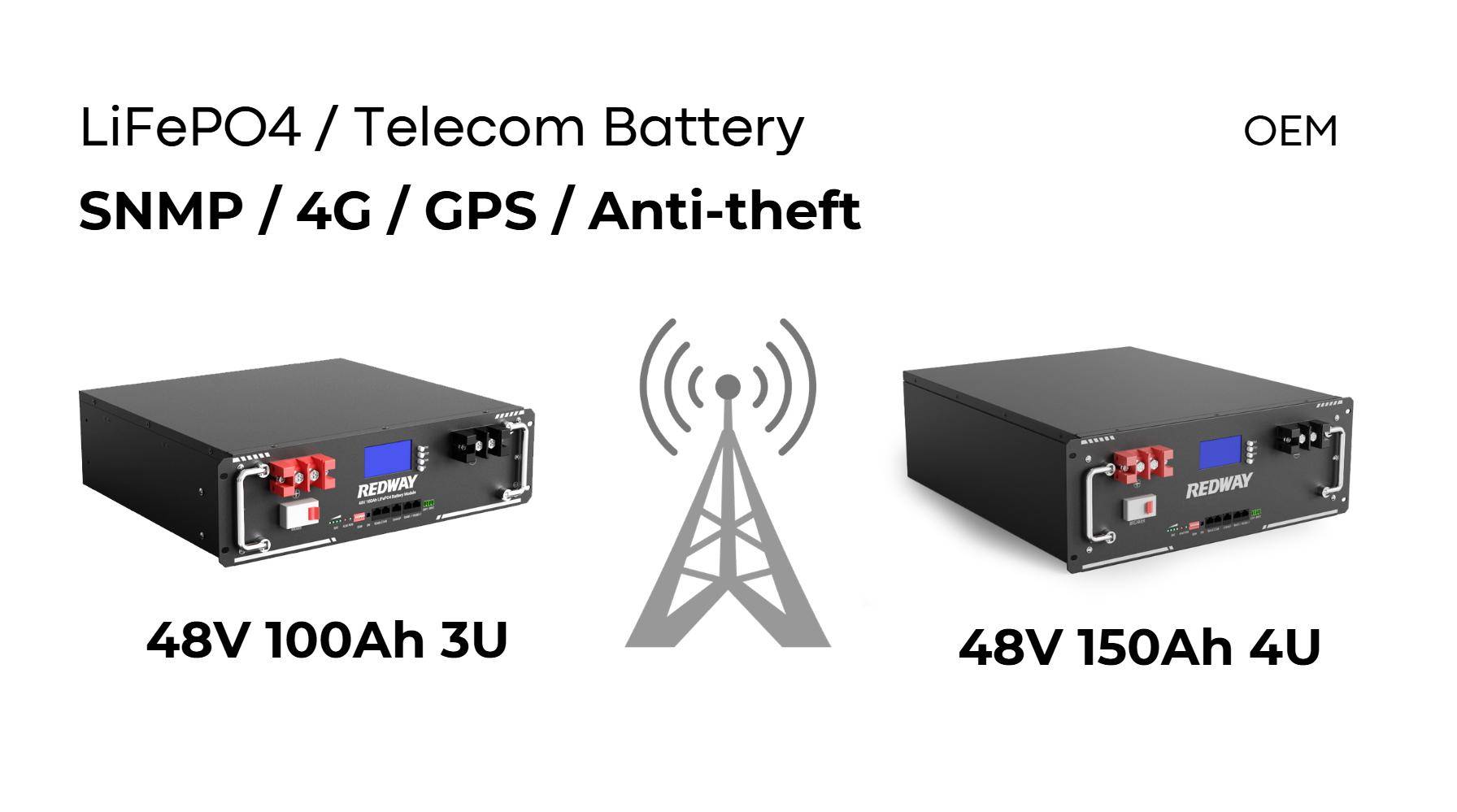
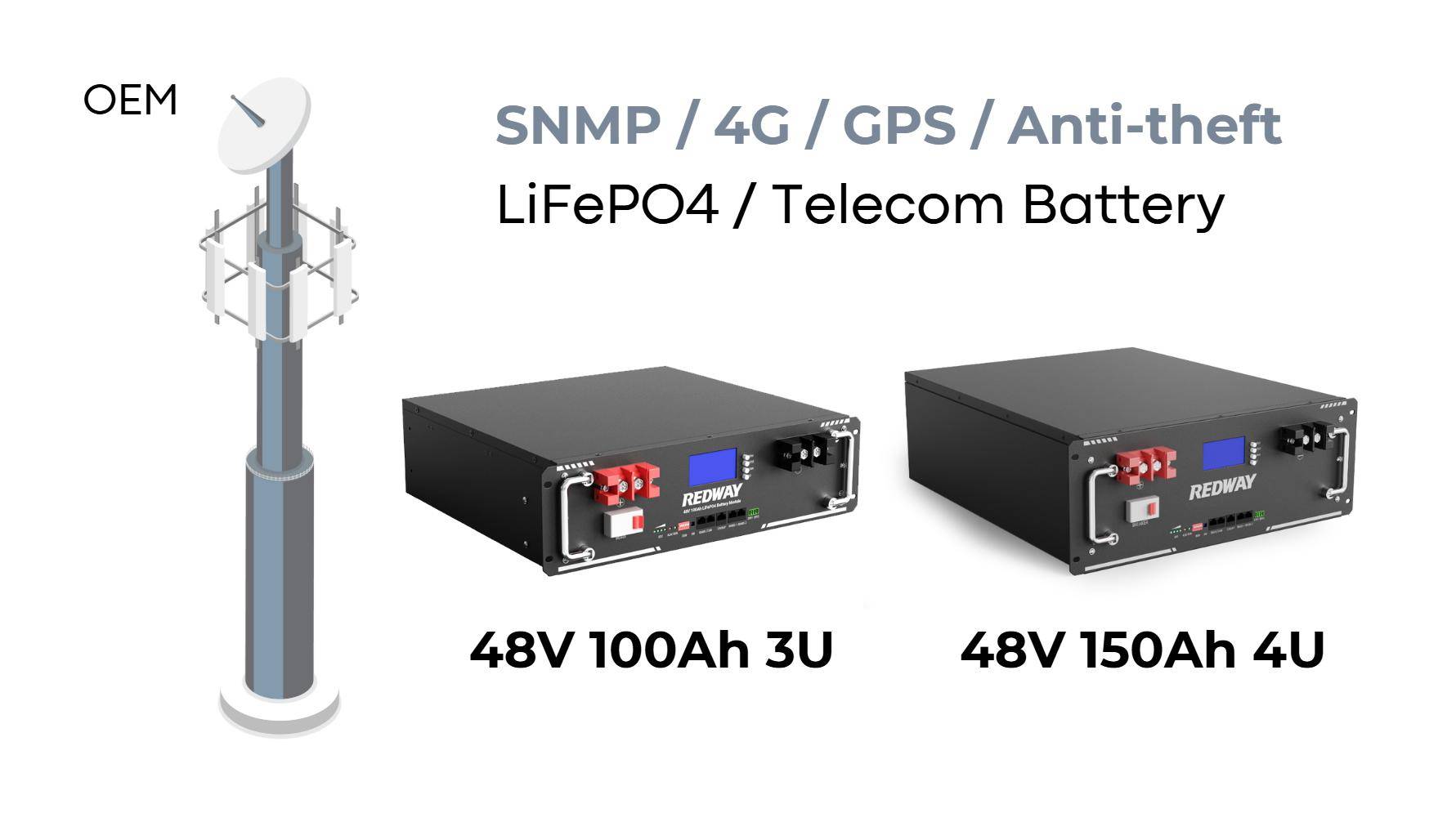
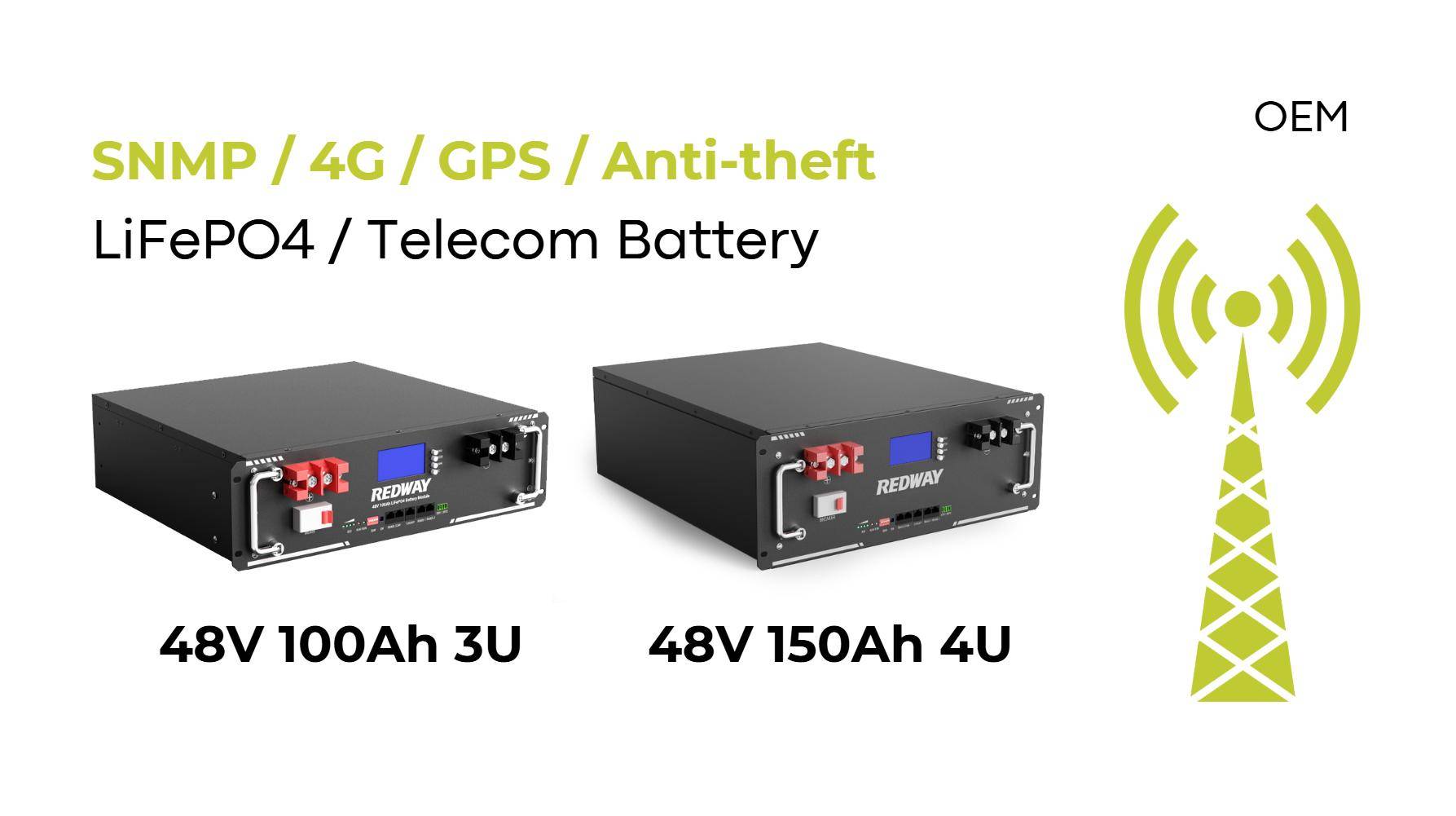
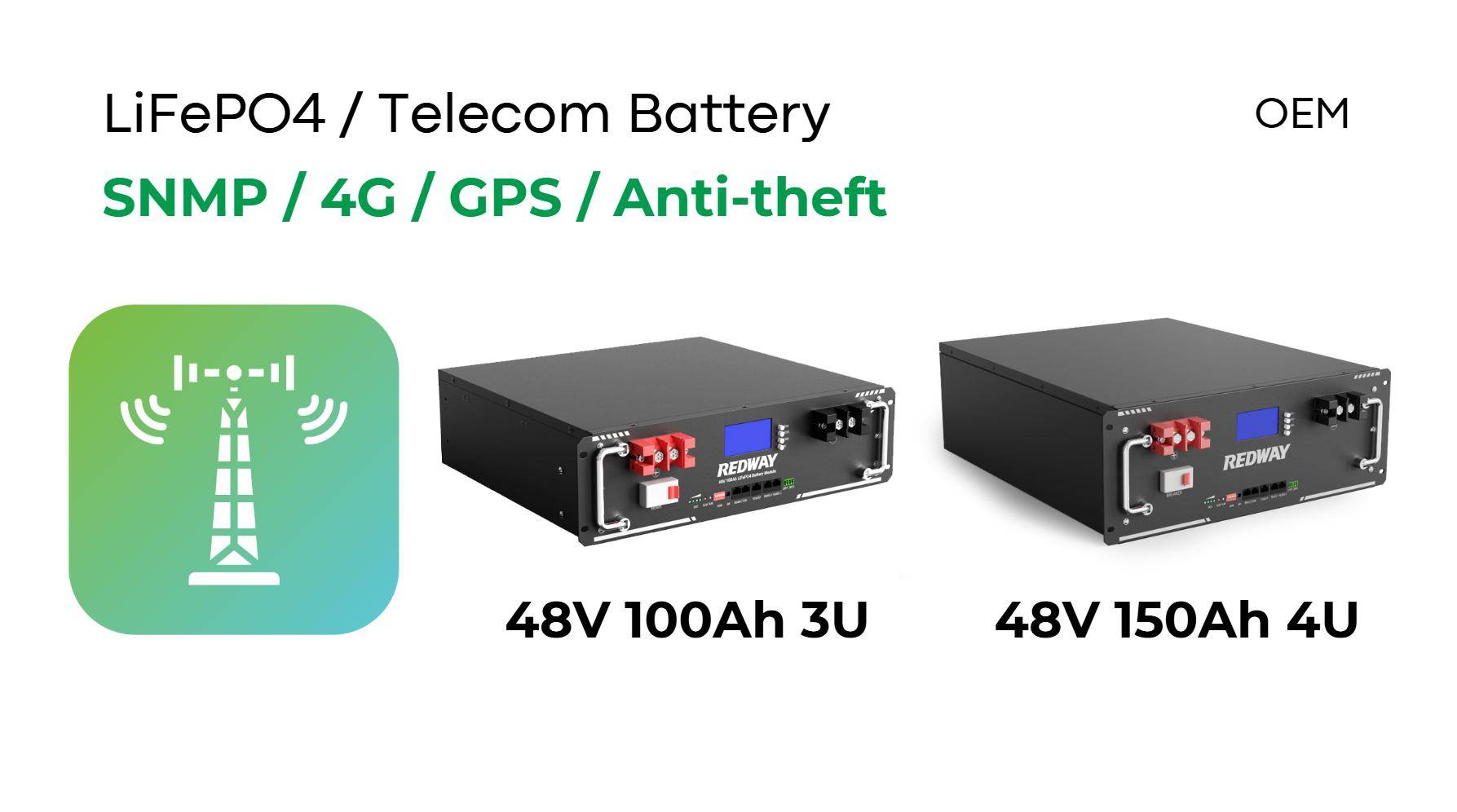
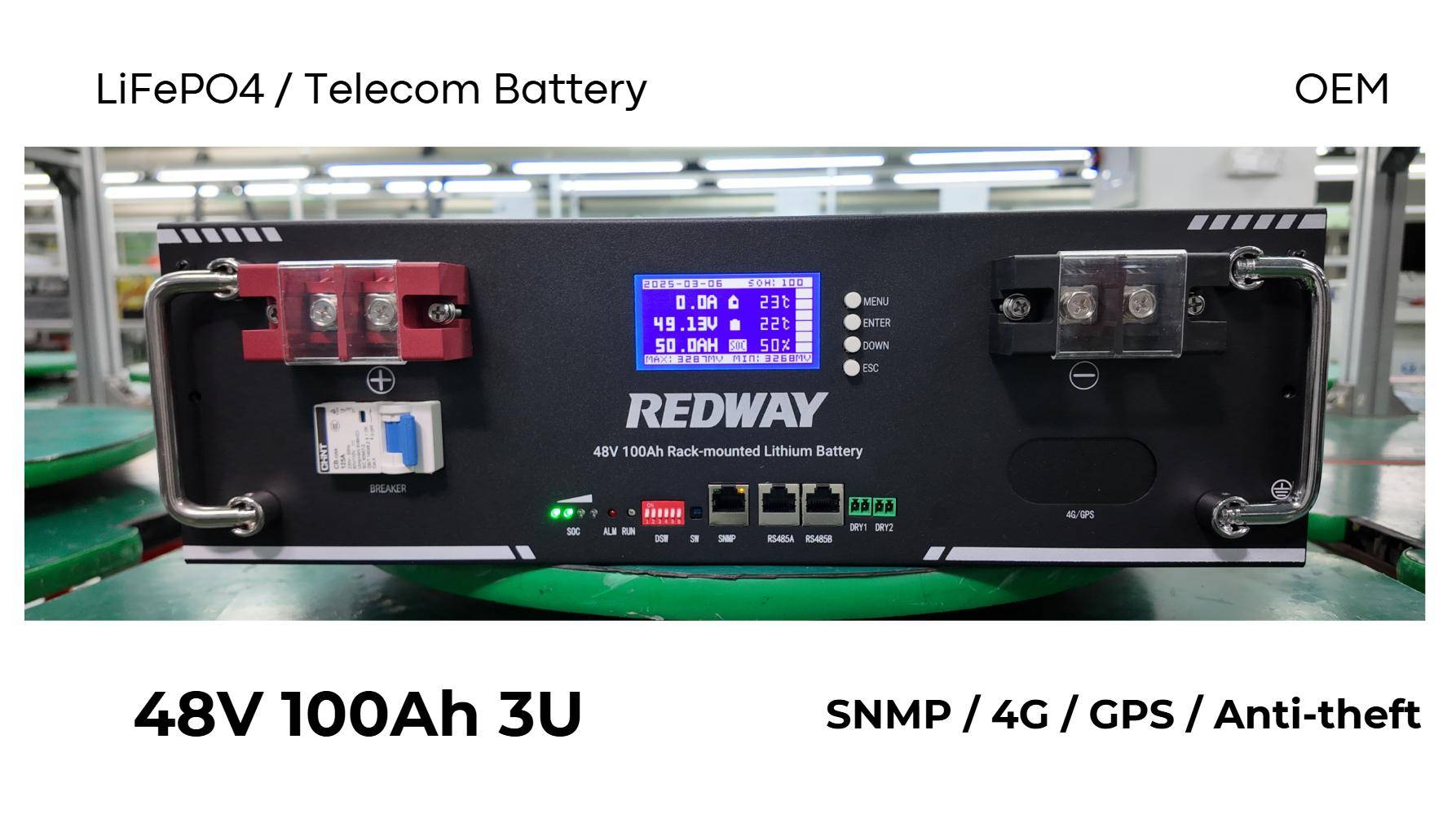
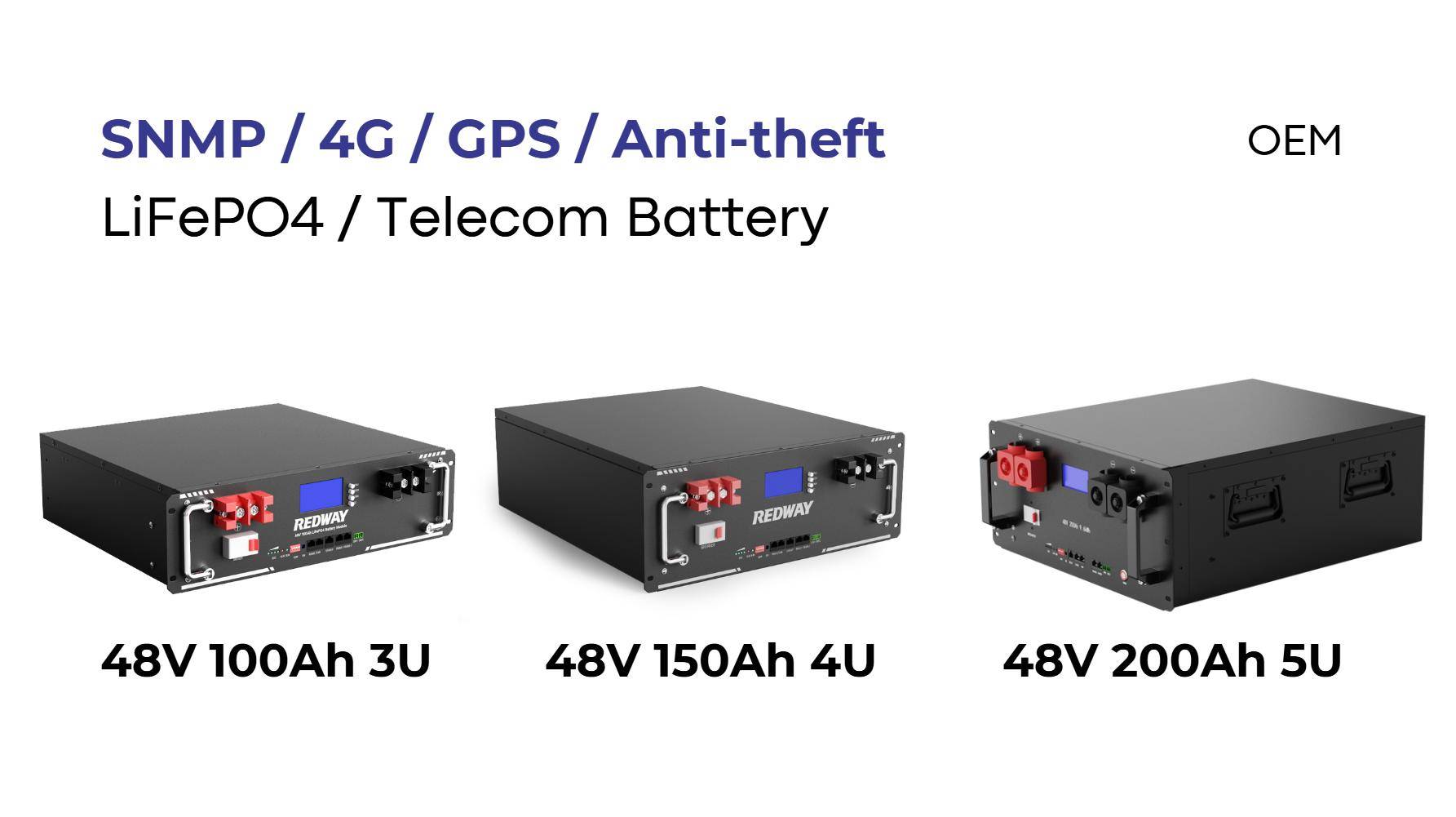
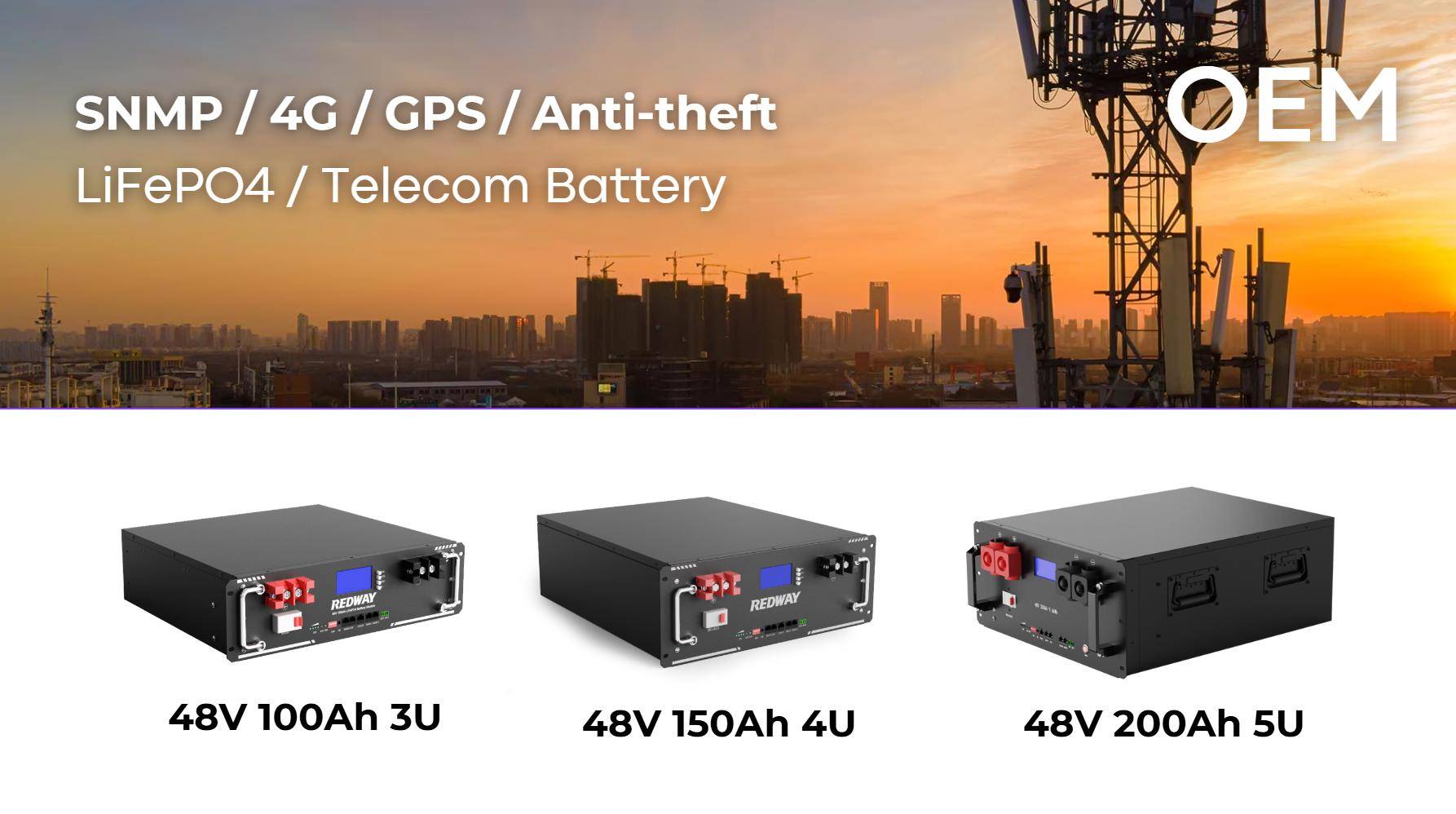
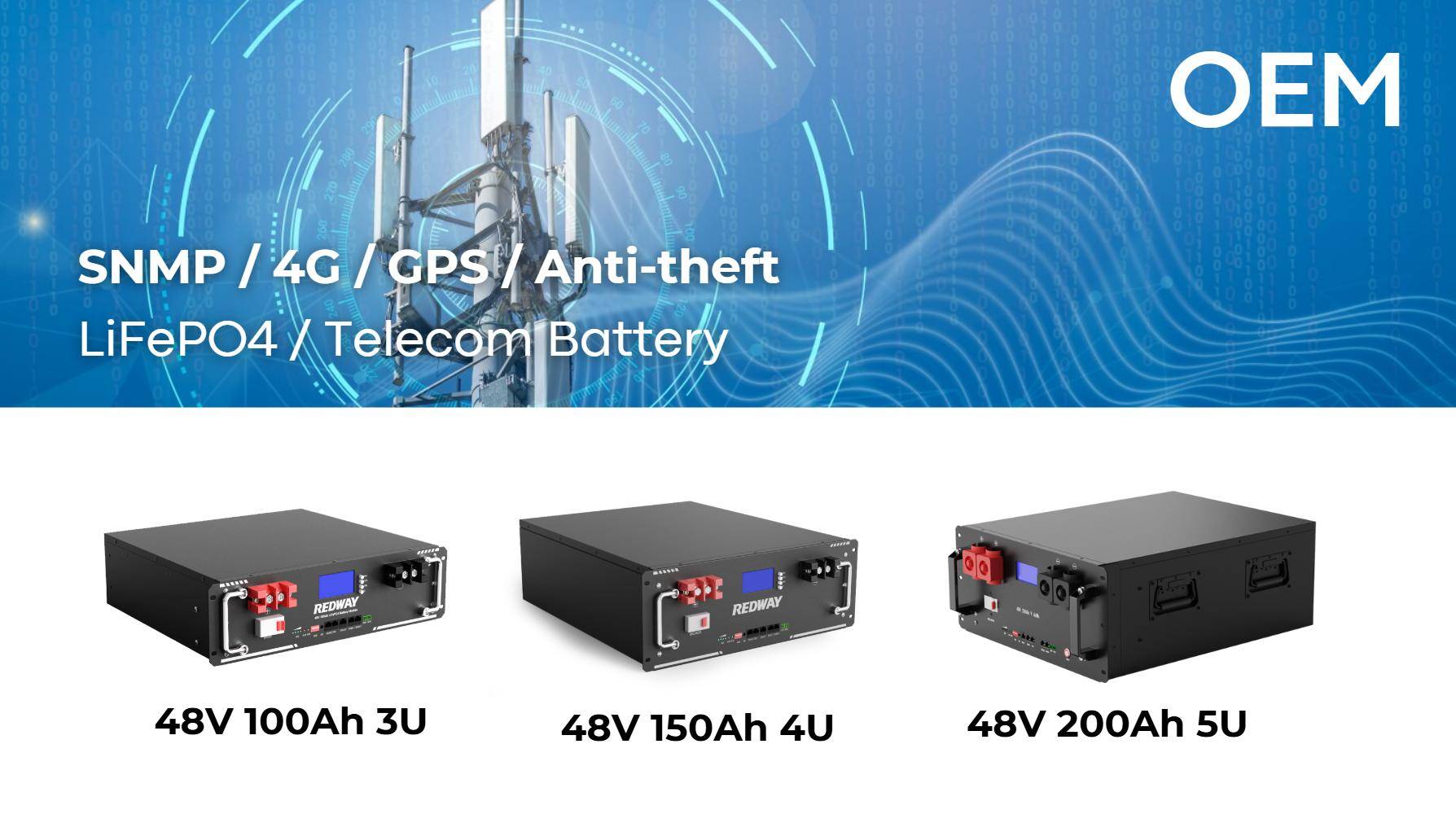
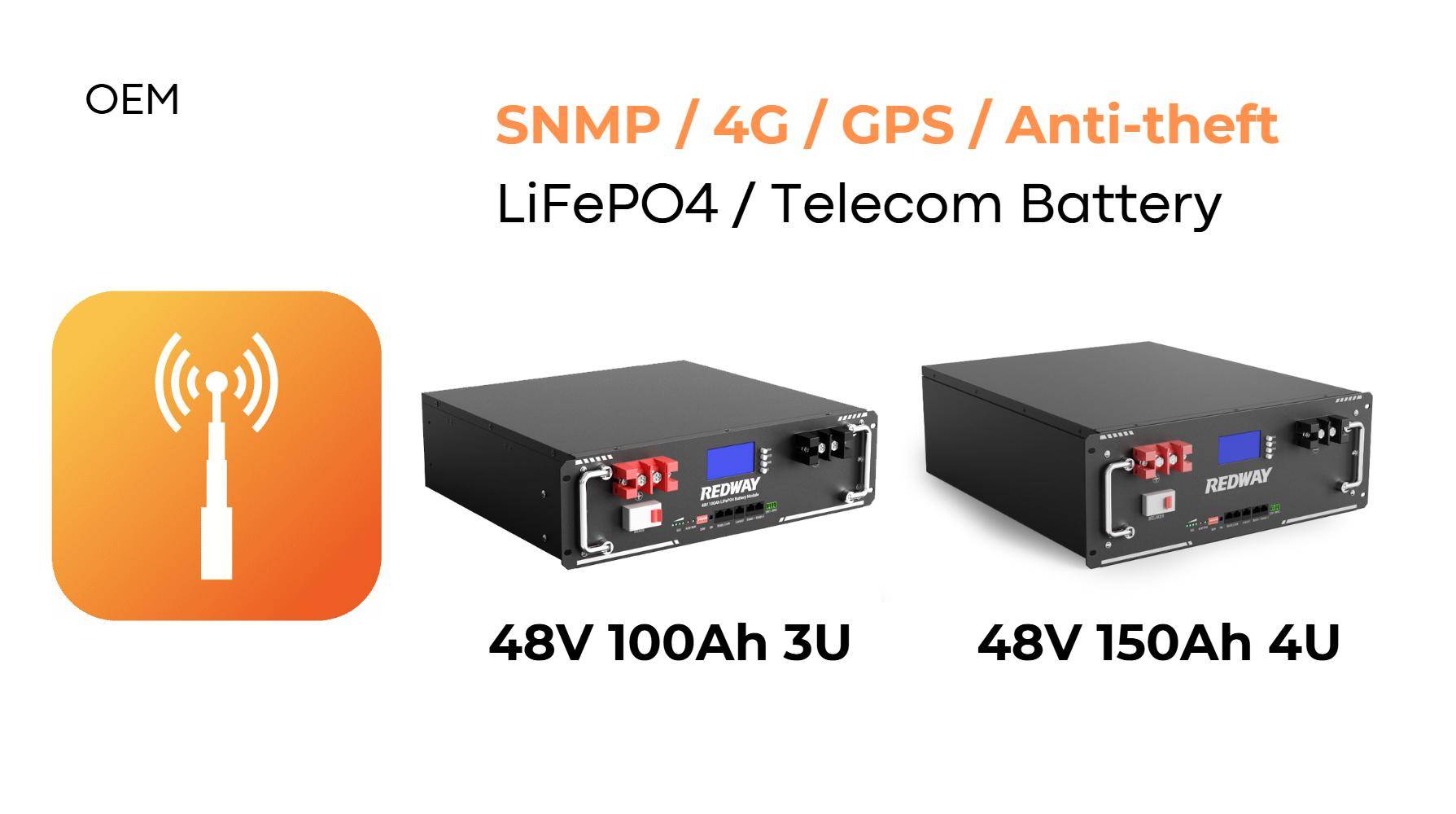
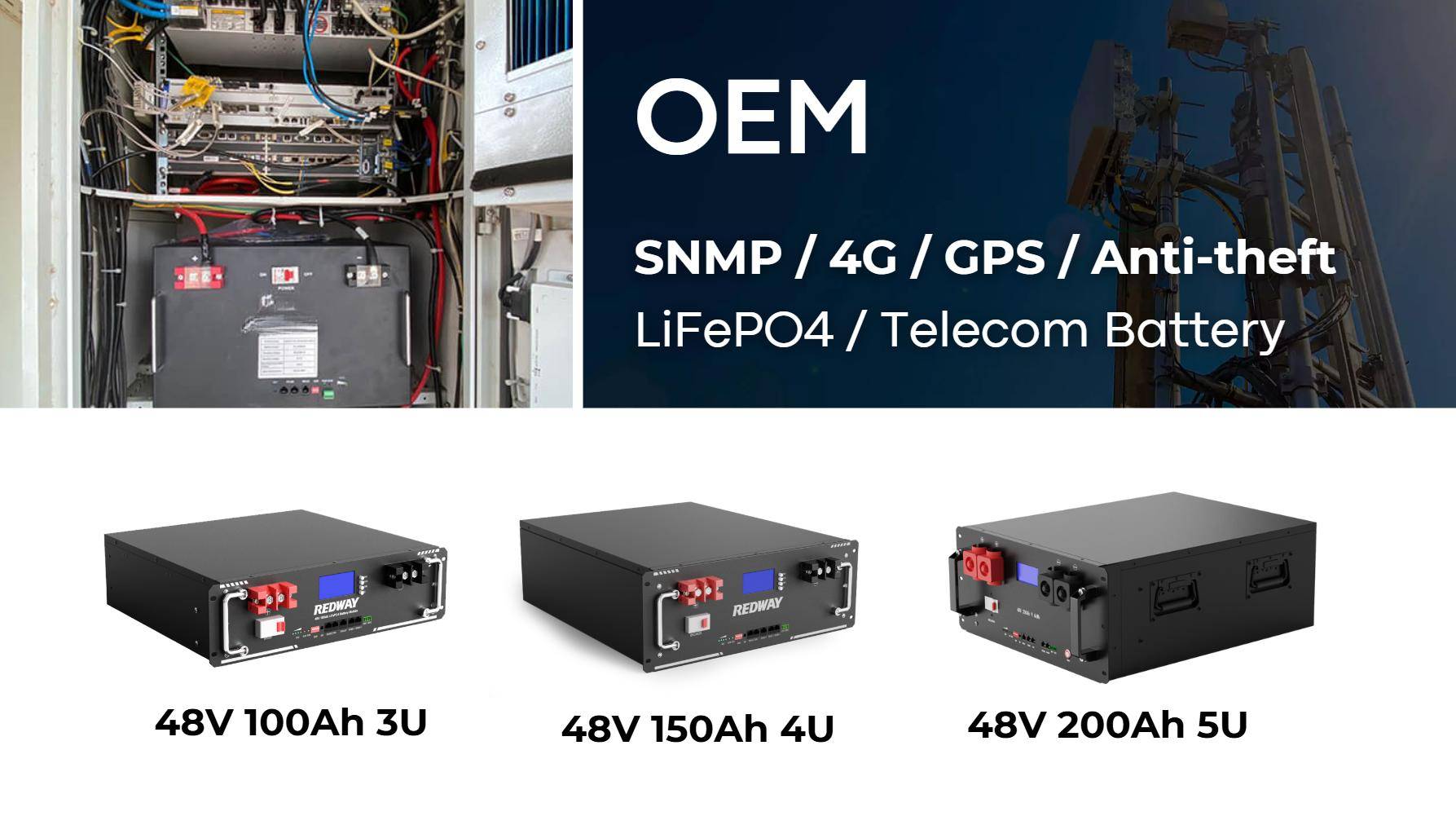
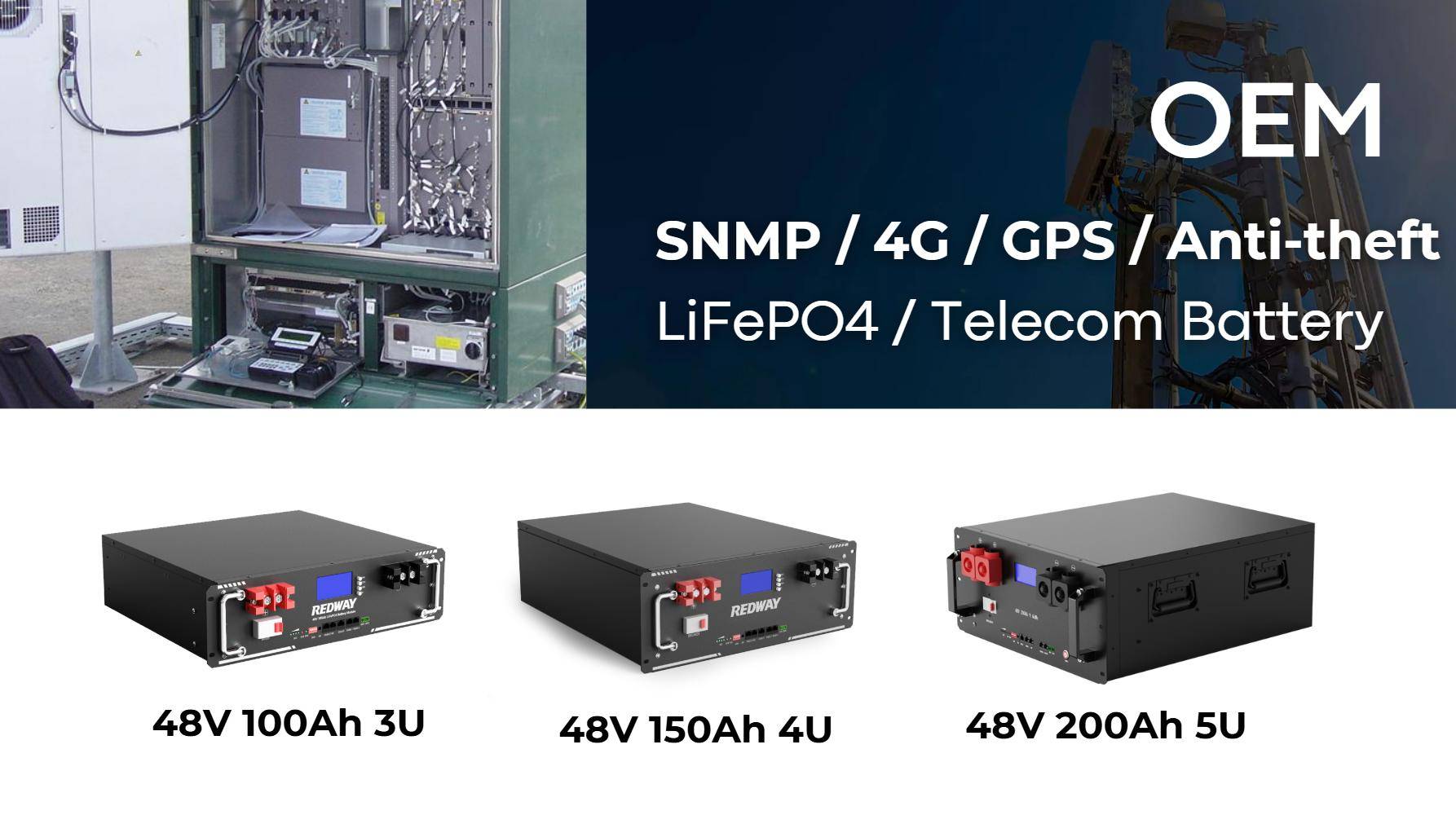
Telecom lithium batteries typically operate at 48V to align with industry-standard DC power systems. Voltage stability ensures uninterrupted network operations, especially during power fluctuations. Deviations can damage equipment or reduce efficiency. Advanced Battery Management Systems (BMS) monitor voltage levels to prevent overcharge or deep discharge, optimizing performance in grid-tied and off-grid telecom setups.
What Determines the Capacity of a Lithium Telecom Battery?
Capacity, measured in ampere-hours (Ah), reflects energy storage potential. Telecom batteries range from 50Ah to 300Ah, depending on site load and backup duration needs. Higher capacity supports longer runtime during outages but increases size and cost. Lithium-ion variants offer 95%+ depth of discharge (DoD), outperforming lead-acid alternatives, which degrade below 50% DoD.
Why Is Lifespan Critical for Telecom Lithium Batteries?
Lifespan, defined by charge cycles or years (8–15 years), affects total cost of ownership. Lithium batteries endure 4,000–6,000 cycles at 80% capacity retention. Factors like temperature, discharge depth, and charging protocols influence longevity. For example, operating above 25°C accelerates degradation, while partial cycling extends service life compared to full discharges.
How Do Lithium Batteries Compare to Lead-Acid in Telecom?
Lithium batteries provide 3x longer lifespan, 50% weight reduction, and faster charging than lead-acid. They tolerate wider temperature ranges (-20°C to 60°C) and require no maintenance. Though 2–3x costlier upfront, their lower replacement frequency and energy efficiency yield 30%+ savings over a decade, per industry ROI analyses.
| Feature | Lithium | Lead-Acid |
|---|---|---|
| Cycle Life | 4,000–6,000 | 500–1,200 |
| Weight (kg/kWh) | 6–8 | 25–30 |
| Efficiency | 95–98% | 70–85% |
What Safety Standards Govern Telecom Lithium Batteries?
Certifications like UL 1973, IEC 62619, and UN38.3 ensure safety. These mandate rigorous testing for thermal runaway, short circuits, and mechanical stress. Built-in safeguards—cell balancing, flame-retardant casings, and venting systems—mitigate explosion or fire risks. Compliance is mandatory for integration into telecom infrastructure, particularly in earthquake-prone or high-humidity regions.
UL 1973 focuses on stationary storage applications, requiring 1,000 hours of operational testing under extreme conditions. IEC 62619 emphasizes functional safety for industrial batteries, including forced internal short-circuit tests. UN38.3, mandated for transportation, validates stability during altitude simulation, vibration, and impact. For telecom operators, combining these standards ensures end-to-end safety from manufacturing to deployment. Recent updates in 2023 now require real-time gas emission monitoring during thermal runaway events, adding another layer of protection for densely packed battery cabinets.
Know more:
What Are Telecom Lithium Batteries and Why Are They Essential
Why Are Lithium Batteries Better Than Traditional Telecom Batteries?
How Do Telecom Lithium Batteries Work? Technology and Principles Explained
What Are the Key Specifications of Telecom Lithium Batteries
How Have Telecom Batteries Evolved From Lead-Acid to Lithium
What Safety Features Ensure Reliability in Telecom Lithium Batteries?
How Does Temperature Affect Lithium Battery Performance?
Extreme heat (>40°C) accelerates electrolyte breakdown, while cold (<0°C) slows ion mobility, reducing usable capacity. Telecom batteries in tropical climates may need active cooling, whereas Arctic deployments use self-heating cells. Thermal management systems maintain optimal 15–25°C ranges, preserving 90%+ efficiency across environments.
What Are the Recycling Protocols for Telecom Lithium Batteries?
Recycling recovers 95% of lithium, cobalt, and nickel via hydrometallurgical processes. Regulations like the EU Battery Directive enforce manufacturer take-back programs. Proper disposal prevents toxic leakage and reclaims $1.2B in metals annually. Telecom operators partner with certified recyclers to meet ESG goals and avoid penalties from landfill bans.
“Lithium batteries are revolutionizing telecom energy resilience. Their ability to handle rapid load changes—like 5G tower spikes—without voltage sag is unparalleled. However, operators must prioritize BMS cybersecurity as these systems become IoT-connected.”
— Dr. Elena Torres, Energy Storage Solutions Lead at Hexagon Telecom
FAQs
- Q: Can lithium telecom batteries function in remote areas?
- A: Yes—their low self-discharge (1–2% monthly) suits off-grid sites. Solar-compatible models are common.
- Q: Are lithium batteries compatible with existing telecom gear?
- A: Absolutely. They integrate with standard 48V rectifiers and DC plants via adaptive voltage regulators.
- Q: How often should telecom batteries be inspected?
- A: Bi-annual checks for voltage consistency, terminal corrosion, and BMS alerts. No fluid top-ups needed.
How Do Voltage Requirements Impact Telecom Lithium Batteries?
Telecom lithium batteries typically operate at 48V to align with industry-standard DC power systems. Voltage stability ensures uninterrupted network operations, especially during power fluctuations. Deviations can damage equipment or reduce efficiency. Advanced Battery Management Systems (BMS) monitor voltage levels to prevent overcharge or deep discharge, optimizing performance in grid-tied and off-grid telecom setups.
Modern telecom networks increasingly rely on software-defined power distribution, where voltage tolerance thresholds are dynamically adjusted based on real-time load demands. For instance, during peak data traffic hours, lithium batteries compensate for grid instability by delivering precise 48V ±2% outputs. This precision is critical for 5G mmWave equipment, where even minor voltage drops can disrupt high-frequency signal integrity. Additionally, bidirectional charging capabilities allow these batteries to stabilize grid power by absorbing excess energy during low-demand periods, effectively acting as distributed energy resources (DERs) for smart grids.